
 Önizleme yap
 Paylaş
 Paylaş
 Detayları Gör

 İndir
İndir
 Benzerlerini gör
 X-Işını
 Slayt Gösterisi
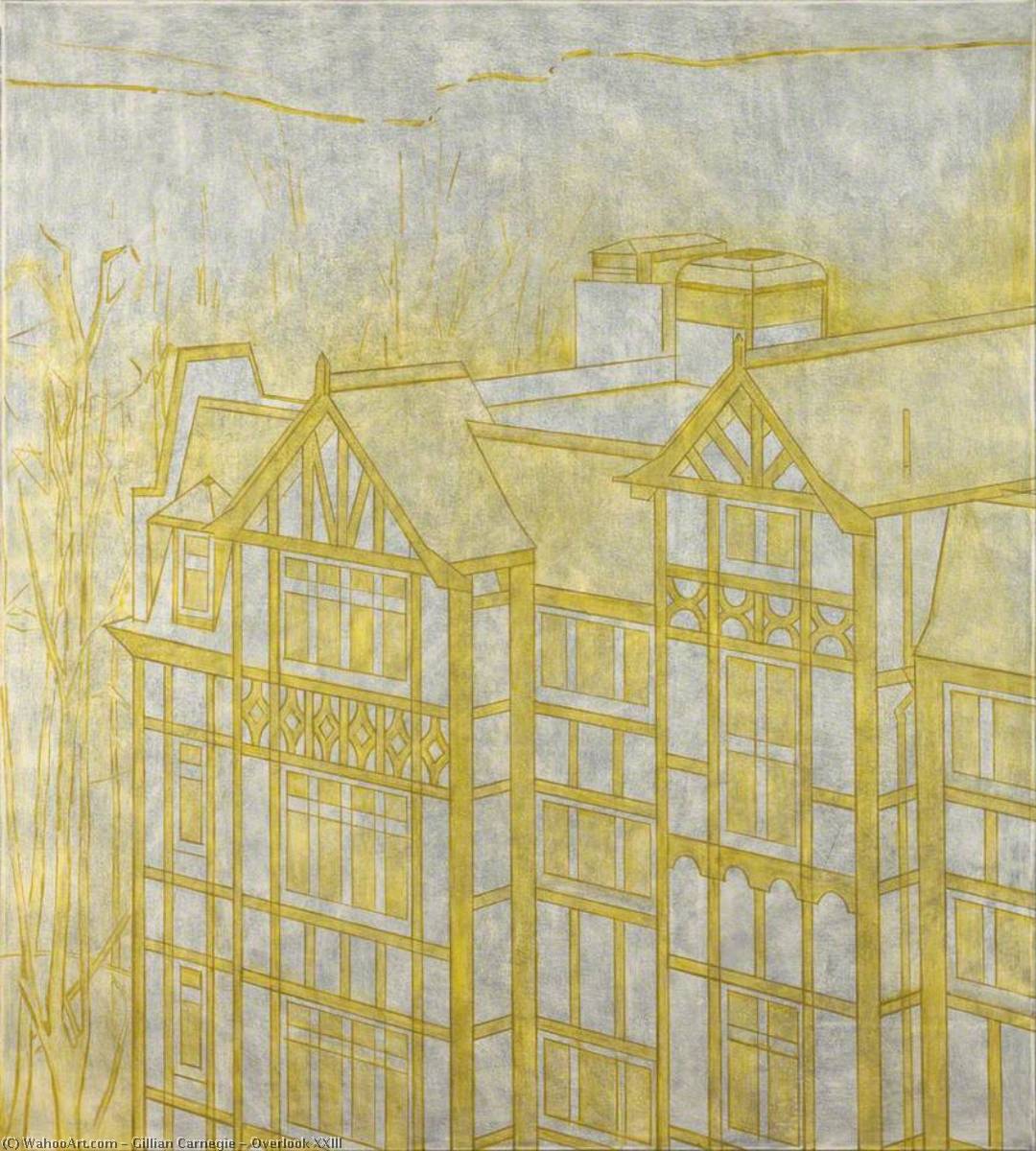
Overlook XXIII
 2007
2007 204.0 x 183.0 cm
 Government Art Collection
 Tümünü Gör
Giclée / Sanat Baskısı
Hızlı üretim ve esnek bitiş seçenekleriyle müze kalitesinde giclée veya kanvas baskı. ( El yapımı tablo satın al Görsel satın al)




































Eserin orijinal oranlarıyla uyumlu, önceden belirlenmiş boyutlarımız arasından seçim yapın.

Belirli bir çerçeveye veya alana uyması için kendi ölçülerinizi girebilirsiniz. Seçtiğiniz boyut orijinal görüntünün oranlarıyla eşleşmiyorsa, sanat eserini kırpacağız veya görüntüyü aynalanmış ya da düz dolgulu bir kenarlıkla genişleteceğiz. Üretim başlamadan önce onayınız için bir dijital taslak gönderilecektir.
Lütfen ekrandaki önizlemenin gerçek kırpma veya genişletmeyi yansıtmadığını unutmayın. Nihai kompozisyonu yalnızca taslak doğru bir şekilde gösterecektir.
Özel boyutlar mevcut olsa da, orijinal oranları korumak için önceden tanımlanmış listeden bir boyut seçmenizi öneririz.
Dünya Çapında Teslimat (); standart 4/5 hafta yerine 2 haftada. (25 Ağustos)

Dünya Çapında Ücretsiz Ekspres Kargo

Yüksek Kaliteli Keten Tuval

Tam Kapsamlı Nakliye Sigortası

Gümrük Vergisi İade Garantisi

Gerçek Renk Uyumu Garantisi

60 Günlük İade Politikası (Sadece Kusurlu Ürünler İçin)

%100 Para İade Garantisi

Toplu Alım İndirimi
 Cam seçeneği yalnızca 110 cm altındaki boyutlar için mevcuttur.

Overlook XXIII
Giclée / Sanat Baskısı
Reproduksiyon Boyutu
-


Toplam Tutar
$ 80
Sanatçı Özgeçmişi
The Sculptural Canvas: The Evocative World of Gillian Carnegie
Born in 1971 in the historic landscape of Suffolk, United Kingdom, Gillian Carnegie has emerged as a profound voice in contemporary British painting. Her artistic journey, rooted in the rigorous traditions of the Camberwell School of Art and the Royal College of Art, is a masterclass in the tension between classical technique and modern experimentation. Carnegie does not merely paint; she constructs surfaces that demand a tactile engagement from the viewer. By working within established categories such as still life, landscape, and portraiture, she simultaneously honors the lineage of the masters while unsettling the very foundations of representational art through her radical approach to materiality.
The essence of Carnegie’s work lies in its remarkable physical presence. She is renowned for a technique characterized by sculptural impasto, where layers of oil paint are built up with such density that the canvas transforms into a relief. This heavy application of pigment creates palpable ridges and crevices, turning a flat image into a three-dimensional topography. In her celebrated Black Square series, this method reaches its zenith; here, the dense accumulations of black oils coalesce to form mysterious, shadowy thickets that evoke the feeling of deep, impenetrable woodlands. Through this meticulous tonal layering, she achieves an atmospheric resonance that blurs the line between what is seen and what is felt.
Influences and the Language of Abstraction
Carnegie’s creative evolution was significantly shaped by her dialogue with the giants of abstraction and materiality. The influence of Gerhard Richter is evident in her sophisticated manipulation of tonal gradations and the way she utilizes subtle shifts in color to create a sense of blurred, ephemeral edges. This allows her landscapes to breathe with an atmospheric depth that transcends literal depiction. Furthermore, the monumental and symbolic weight of Anselm Kiefer’s work provided a crucial catalyst for her exploration of history and memory. From Kiefer, she learned to imbue her compositions with layers of meaning, treating the canvas as a site where texture serves as a vessel for psychological complexity and historical echoes.
This synthesis of influences allows Carnegie to move beyond mere observation. Her work is an investigation into the emotional response triggered by the natural world. Whether she is capturing the vibrant contrast of fruit in Mono or the brooding shadows of her more abstract landscapes, her goal remains the same: to convey a mood that lingers long after the initial gaze. She invites the viewer to experience the painting not just as an object of sight, but as an encounter with texture and emotion.
Recognition and Lasting Legacy
The art world took significant notice of Carnegie’s transformative approach during a pivotal moment in 2005, when she was nominated for the prestigious Turner Prize. Her inclusion on the shortlist at Tate Britain caused quite a stir; the media famously reacted to her traditional subject matter—such as flowers and still lifes—with a mixture of surprise and skepticism, yet it was precisely her subversive use of the medium that marked her as a true innovator. This period solidified her reputation as an artist capable of challenging the established languages of painting from within.
Throughout her career, Carnegie has maintained a presence in some of the most esteemed institutions, with her works held in the Tate Collection and the Arts Council Collection. Her contributions to exhibitions like Painting Now: Five Contemporary Artists at Tate Britain further underscore her significance in the contemporary canon. As she continues to explore the intersections of landscape, memory, and the physical properties of oil paint, Gillian Carnegie remains a vital figure, reminding us that the most profound truths are often found within the thickest layers of paint and the deepest shadows of the canvas.

gillian carnegie
1971 -
Kısa Bilgiler
- Artistic Movement Or Style: Abstract Painting
- Artists Or Movements Influenced By This Artist: ['Turner Prize']
- Artists Who Influenced This Artist: ['Barry Schwabsky']
- Date Of Birth: 1971
- Full Name: Gillian Carnegie
- Nationality: British
- Notable Artworks:
- Ambush
- Mono
- Black Square
- Place Of Birth: Suffolk, United Kingdom

