
 Önizleme yap
 Paylaş
 Paylaş
 Detayları Gör

 İndir
İndir
 Benzerlerini gör
 X-Işını
 Slayt Gösterisi
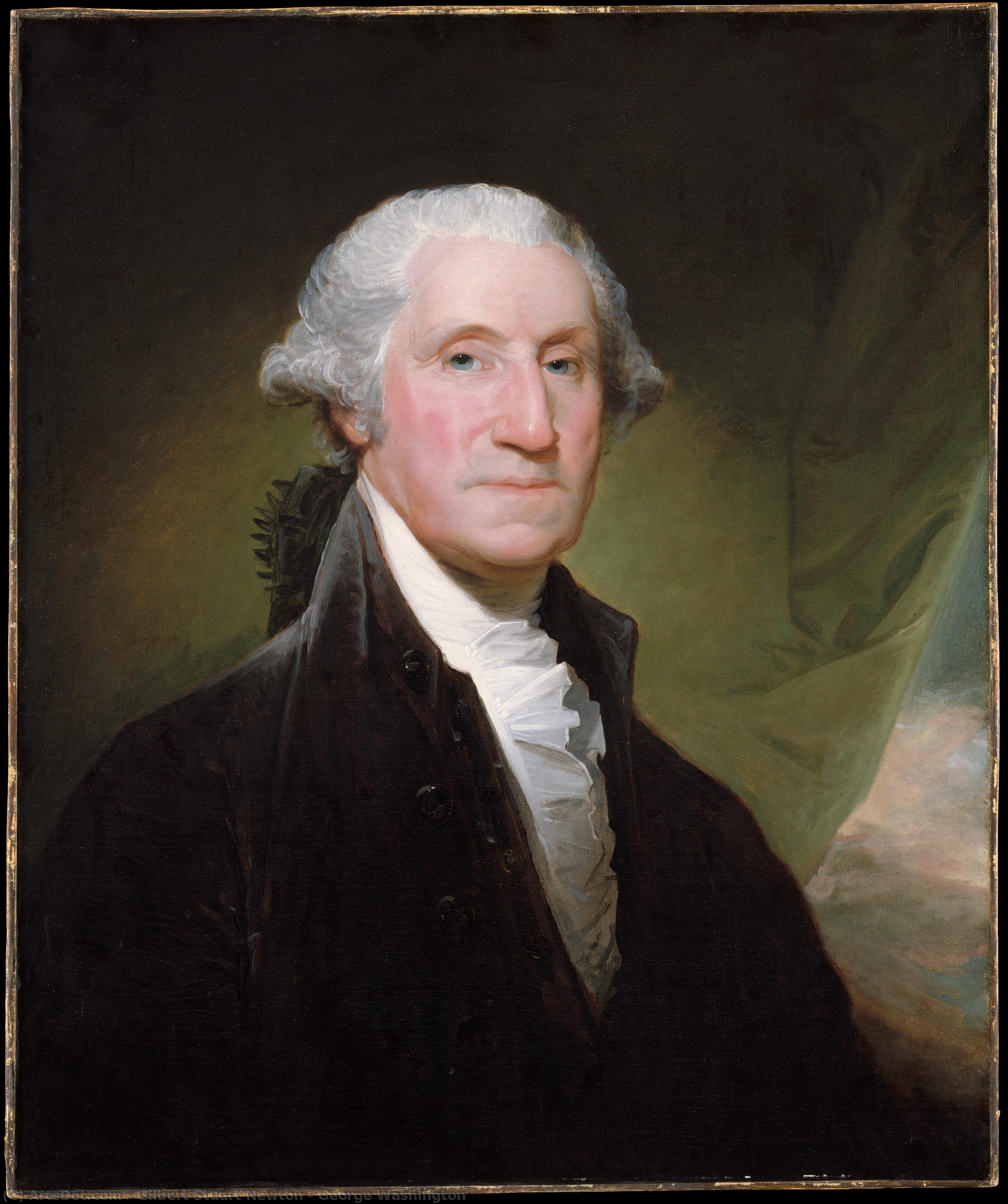
George Washington
 Acrylic On Canvas
- WallArt
- Neoclassical Realism
 1795
1795 77.0 x 64.0 cm
 Metropolitan Sanat Müzesi
 Tümünü Gör
Çevrimiçi önizlemeden çok daha üstün, yüksek çözünürlüklü ve iyileştirilmiş bir dijital görüntü satın alın.
Her dosya, uzman ekibimiz tarafından gelişmiş araçlar ve titiz manuel rötuş teknikleri kullanılarak özenle hazırlanır. Her görüntünün olağanüstü netliğe, kusursuz renk doğruluğuna ve ince ayrıntılara sahip olduğundan emin oluruz.
Son dosya; profesyonel, editoryal ve baskı süreçlerinde anında kullanıma uygun şekilde optimize edilerek 72 saat içinde e-posta yoluyla teslim edilir. Bu, seçkin tasarım stüdyoları, yayıncılar ve galerilerin güvendiği aynı kalite standartlarındadır.
Dijital Görsel
Kişisel sergileme, baskı ve yaratıcı projeleriniz için yüksek çözünürlüklü bir dosya indirin. ( Baskıya Geç El boyaması versiyona geç)
Her Dijital Görüntü Siparişinde Dahil Olanlar
Uzman Dijital Teslimat, Garantili
OriginalUniqueArt.com seçtiğinizde, sadece bir görsel edinmekle kalmaz; titizlikle hazırlanmış, profesyonelce iyileştirilmiş dijital bir sanat eserine sahip olur ve memnuniyet garantisiyle güvence altına alınırsınız. Siparişinizle birlikte otomatik olarak sunulan her şey şunlardır:

Hızlı E-posta ile Teslimat
Yüksek çözünürlüklü dijital görüntü dosyanız, siparişinizin üzerinden en geç 72 saat geçmeden e-posta ile size gönderilecektir; hemen kullanıma hazırdır.

Yapay Zeka İle İyileştirilmiş Dijital Dosya
Sanat eseriniz; maksimum detay, netlik ve renk doğruluğu sağlamak amacıyla gelişmiş yapay zeka araçları ve manuel düzenleme kullanılarak profesyonelce optimize edilmektedir.

Ömür Boyu Ücretsiz Yeniden Gönderim
Dosyanızı yanlışlıkla mı sildiniz yoksa kayıp mı oldu? Endişelenmeyin; dosyanızı dilediğiniz zaman size ücretsiz olarak tekrar göndereceğiz.

Hiçbir Zaman İthalat Ücreti Ödemeyin
Sanat eserinizin tadını gümrük vergisi, harç veya teslimat ücreti ödemeden anında çıkarın; dijital indirmeler her zaman vergiden muaftır.

Renk Doğruluğu Garantisi
Profesyonel araçlar ve renk yönetimi kullanarak dijital görselinizin orijinal renklere mümkün olduğunca yakın yansıtılmasını sağlıyoruz.

60 Günlük Memnuniyet Garantisi
If you're not satisfied with your digital image, we'll revise it or refund 100% within 60 days - no questions asked.

100% Para İadesi Garantisi
Memnun kalmadınız mı? Dijital dosyanızı aldıktan sonraki 60 gün içinde, hiçbir soru sorulmaksızın tam iade alın.

Toplu Sipariş İndirimleri
Buy 3 images, save 10% - Buy 5, save 15% - Buy 10+, save 20%. Great for creative projects, galleries, and agencies.
Koleksiyon Detayları
A Legacy Etched in Paint: Exploring Gilbert Stuart Newton’s Portrait of George Washington
Gilbert Stuart Newton's "Plaque of George Washington," completed in 1830, stands as a testament to the enduring fascination with American history and artistic excellence. More than just a depiction of the nation’s first president, it embodies the neoclassical ideals prevalent during its creation—a style characterized by serene composure, idealized beauty, and meticulous attention to detail. This striking artwork offers a glimpse into both Newton's personal journey as an artist and the broader cultural landscape of early 19th-century America.The Artistic Lineage: Stuart’s Influence
Newton’s artistic education began under the tutelage of his uncle, Gilbert Stuart—a name synonymous with American portraiture. Stuart himself was a master of capturing the essence of his subjects through masterful brushstrokes and dramatic lighting, establishing a tradition that Newton would wholeheartedly embrace. This familial connection instilled in him not only technical skill but also an understanding of how to convey character and dignity – qualities paramount to portraying figures like George Washington. The influence of Rembrandt Peale’s meticulous realism further solidified Newton's approach, shaping his technique and informing his artistic vision.A Neoclassical Vision: Style and Technique
Newton skillfully employed the conventions of neoclassical painting, prioritizing clarity, balance, and harmonious composition. The portrait utilizes a muted palette—primarily browns, creams, and grays—creating an atmosphere of dignified solemnity. Precise shading techniques bring forth the contours of Washington’s face and clothing with remarkable accuracy, emphasizing his muscular physique and conveying a sense of regal bearing. Furthermore, Newton's meticulous attention to detail extends beyond mere anatomical representation; he captures subtle expressions and gestures that reveal Washington’s inner thoughts and emotions—a feat achieved through careful observation and masterful brushwork. The inclusion of drapery adds depth and texture to the scene, reinforcing the grandeur of the subject matter.Historical Context: Symbolism and Significance
Painted in 1795, shortly after Washington's presidency concluded, Newton’s portrait reflects the burgeoning optimism surrounding the newly formed United States. George Washington himself represented stability, virtue, and republican ideals—values deeply cherished by intellectuals and artists of the era. The depiction of Washington as a man of unwavering moral fortitude served as an inspiration for generations of Americans striving to uphold these principles. Moreover, the inclusion of curtains in the background symbolizes authority and grandeur, mirroring the aspirations of the nation’s leaders during this formative period.Emotional Resonance: Capturing Majesty
Beyond its formal qualities, Newton's "Plaque of George Washington" possesses a profound emotional resonance. The portrait succeeds in conveying Washington’s gravitas—his commanding presence and unwavering resolve—inspiring admiration for his leadership and embodying the spirit of American patriotism. It is a piece that invites contemplation on themes of honor, duty, and legacy, reminding viewers of the enduring importance of historical figures in shaping national identity. This artwork continues to captivate audiences today, serving as a beautiful reminder of a pivotal moment in American history and demonstrating Newton’s unparalleled ability to translate artistic vision into timeless beauty.Sanatçı Özgeçmişi
Gilbert Stuart Newton: Life & Legacy
Early Life and Family Background
- Birth and Origins: Gilbert Stuart Newton was born on September 2, 1795, in Halifax, Nova Scotia. He was the youngest of twelve children.
- Family Connections: His father, Henry Newton, was a customs official, and his mother, Ann, held a significant artistic lineage – she was the daughter of Gilbert Stuart, the renowned American portrait painter.
- Early Years & Return to America: The family initially resided in Boston but returned to Charlestown near Boston in 1803 following his father’s death.
Artistic Training and Influences
- Initial Path & Uncle's Guidance: Though initially intended for a commercial career, Newton was apprenticed to his uncle, Gilbert Stuart, marking the beginning of his artistic journey.
- European Studies: He traveled to Europe with an elder brother and studied painting in Florence. Later visits to Paris (1817) introduced him to artists like Charles Robert Leslie, Washington Allston, and David Wilkie.
- Royal Academy & Formal Training: Newton continued his education at the Royal Academy in London after a period spent in the Netherlands.
Artistic Style and Major Themes
- Romantic Sensibilities: Newton’s work is generally categorized within the Romantic movement, characterized by emotional intensity and dramatic narratives.
- Literary & Poetic Inspirations: He became particularly known for paintings inspired by literature and poetry. Subjects drawn from works like *Don Quixote* and Shakespeare were prominent in his oeuvre.
- Portraiture & Genre Scenes: While he painted portraits, including those of notable figures such as Washington Irving, Newton also excelled in genre scenes depicting moments from literary narratives.
Key Achievements and Recognition
- Royal Academy Affiliation: Newton was elected an Honorary Academician of the National Academy of Design (1827), an Associate of the Royal Academy (1829), and a full Academician in 1832.
- Exhibitions & Patronage: He regularly exhibited at the Royal Academy from 1818 onwards, gaining recognition and attracting patrons like the Marquis of Lansdowne.
- Public Collections: His works found their way into prominent public collections, including the National Gallery and the South Kensington Museum (now V&A).
Later Life and Legacy
- Mental Health & Final Years: Shortly after his election to the Royal Academy, Newton began to suffer from mental illness. He was admitted to an asylum at Chelsea where he continued to paint until his death on August 5, 1835.
- Burial Site: He is buried in St Mary’s Church Wimbledon, London.
- Historical Significance: Though overshadowed by his uncle Gilbert Stuart, Newton carved a niche for himself as a skilled and imaginative artist of the Romantic period. His literary-inspired paintings offer insights into the cultural tastes and artistic trends of 19th-century Britain.

gilbert stuart newton
1795 - 1835
Kısa Bilgiler
- Birth_Date: 1795
- Birth_Place: Halifax, Nova Scotia
- Death_Date: 1835
- Influenced_By: Gilbert Stuart (uncle)
- Movement: Romanticism
- Name: Gilbert Stuart Newton
- Nationality: British
- Notable_Works:
- Don Quixote in his Study
- Captain Macheath upbraided by Polly and Lucy
- Yorick and the Grisette
- The Window or the Dutch Girl
- Portia and Bassanio

