

 Önizleme yap
 Paylaş
 Paylaş
 Detayları Gör

 İndir
İndir
 Benzerlerini gör
 X-Işını
 Slayt Gösterisi
Study for Clouds (Contre-jour)
 Oil On Canvas
- WallArt
- Cubist Abstraction
 1970
1970 80.0 x 100.0 cm
 Tümünü Gör
El Yapımı Yağlı Boya Reproduksiyon
Sanatçılarımız tarafından sipariş üzerine hazırlanan; istediğiniz boyut ve çerçevede, tuval üzerine el boyaması yağlı boya. ( Baskı satın al Görsel satın al)




P118B $10

P118H $10

P118W $10

P438Z $10

P508JH $12

P508YH $12

P805H $10

P805Z $10

P919BZ $10

P919G $10

P919XJ $10

P959ZH $10

P968JZ $12

W106C $8

W218G $10

W218JH $8

W218Y $10

W307PJ $10

W316G $10

W316PJ $8

W316Y $10

W398PJ $8

W4111J $10

W500HY $15

W500JH $15

W692G $12

W849H $8

W940BG $15

W953PJ $8




Eserin orijinal oranlarıyla uyumlu, önceden belirlenmiş boyutlarımız arasından seçim yapın.

Belirli bir çerçeveye veya alana uyması için kendi boyutlarınızı girebilirsiniz. Seçtiğiniz boyut orijinal görüntünün oranlarıyla eşleşmiyorsa, sanat eserini kırparak veya ek el boyaması öğelerle resmi uzatarak ayarlayacağız. Üretim başlamadan önce onayınız için dijital bir taslak gönderilecektir.
Lütfen ekrandaki önizlemenin gerçek kırpmayı veya uzatmayı yansıtmadığını unutmayın. Nihai kompozisyonu yalnızca hazırlanan taslak doğru şekilde gösterecektir.
Özel boyutlar mevcut olsa da, orijinal oranları korumak adına önceden tanımlanmış listeden bir boyut seçmenizi öneririz.
Siparişten sonra, OriginalUniqueArt.com ekibi talimatlar için müşteriye e-posta gönderecek ve bir taslak önizleme sunacaktır
Dünya Çapında Teslimat (); standart 5 hafta yerine 3/4 haftada. (6 Eylül). Kaliteden ödün verilmez.

Dünya Çapında Ücretsiz Ekspres Kargo

Yüksek Kaliteli Keten Tuval

Tam Kapsamlı Nakliye Sigortası

Gümrük Vergisi İade Garantisi

Gerçek Renk Uyumu Garantisi

100 Günlük İade Politikası (Sadece Kusurlu Ürünler İçin)

%100 Para İade Garantisi

Toplu Alım İndirimi
 Cam seçeneği yalnızca 110 cm altındaki boyutlar için mevcuttur.

Study for Clouds (Contre-jour)
Reproduksiyon Tekniği
Reproduksiyon Boyutu
-


Toplam Tutar
$ 300
A Window into Richter’s Soul: The Poetic Study of Light and Form
Gerhard Richter's *Study for Clouds (Contre-jour)*, executed in 1970, stands as a testament to his pioneering approach within Abstract Expressionism. More than just a depiction of natural phenomena—a sunset viewed through swirling clouds—it’s an exploration of perception itself, capturing the elusive beauty and transformative power of light against textured surfaces.
- Subject Matter: The artwork centers on a simple yet profound observation: the dramatic interplay between sunlight and cloud formations. Richter eschews representational accuracy, prioritizing instead the emotional resonance of color and texture.
- Style & Technique: Richter’s masterful use of oil paint—applied in multiple layers with meticulous blending—creates an illusionistic surface that mimics the organic irregularities of clouds. The technique is characterized by a deliberate ambiguity; it's neither fully abstract nor entirely realistic, existing somewhere between these two poles.
- Color Palette: Dominated by cool blues and grays, punctuated by flashes of pale yellow where sunlight penetrates the cloud cover, the palette reflects the subdued grandeur of twilight. Richter’s color choices are carefully calibrated to convey mood and atmosphere—a sense of quiet contemplation amidst a dynamic visual experience.
The Influence of Friedrich and Beyond
Richter's work is deeply rooted in the Romantic tradition, particularly influenced by Caspar David Friedrich’s landscapes imbued with sublime emotion. Like Friedrich, Richter seeks to capture the awe-inspiring grandeur of nature while simultaneously conveying a feeling of vulnerability and insignificance. However, Richter departs from Friedrich’s meticulous detail, favoring instead a looser brushstroke that emphasizes tonal variation and textural depth.
- Historical Context: Created during the formative years of Richter's artistic career—a period marked by experimentation and intellectual engagement—the painting reflects the broader stylistic currents of the time. It aligns with the burgeoning interest in abstraction as a means of expressing subjective experience.
- Symbolism: Clouds themselves hold symbolic significance, representing change, impermanence, and the sublime beauty of the natural world. Richter’s depiction captures this essence—a fleeting glimpse of light and color that evokes feelings of wonder and melancholy.
A Meditation on Perception
*Study for Clouds (Contre-jour)* isn't merely a visual representation; it's an invitation to contemplate the nature of perception. Richter’s technique—characterized by layering, blurring, and subtle tonal shifts—challenges viewers to consider how our senses interpret reality. The painting encourages us to appreciate the beauty of imperfection and to embrace the ambiguity inherent in artistic expression.
- Materials Used: Oil paint on canvas – Richter’s choice of medium underscores his commitment to capturing the materiality of the artwork itself, mirroring the textures and nuances of the observed landscape.
- Perspective & Depth: Atmospheric perspective—the gradual lightening and diminishing of color intensity as distance increases—creates a convincing illusion of depth, immersing the viewer in the contemplative mood of the scene.
Sanatçı Özgeçmişi
Bölünmüş Bir Hayatın İzleri: Gerhard Richter’in İlk Yılları ve Sanatsal Oluşumu
Gerhard Richter’in hikayesi, 20. yüzyıl Almanya’sının parçalanmış tarihiyle ayrılmaz bir biçimde birbirine bağlıdır. 1932 yılında Dresden’de doğan sanatçının çocukluğu, yükselen bir Nasyonal Sosyalist rejimin gölgesinde şekillendi. Savaş yıllarında ailesinin defalarca yer değiştirmek zorunda kaldığı bu formative dönem, onda derin bir belirsizlik duygusu ve on yıllar boyunca sanatsal pratiğine nüfuz edecek olan sorgulayıcı bir ruh yarattı. Reichenau ve Waltersdorf’taki erken çocukluk yıllarının huzurlu manzaraları, çatışmaların gelişiyle kısa sürede bozuldu ve bu durum ruh dünyasında silinmez izler bıraktı. Babası, Nazi partisinin ateşli bir destekçisi olmasa da, otoriter yönetim altındaki hayatın zorluklarını bir öğretmen olarak göğüslerken; annesi aile içinde edebiyat ve müziğe duyulan sevgiyi besledi. Bu ikilik —koşulların pragmatik bir kabulu ile kültürel ifadeye duyulan derin özlem— Richter’in kendi sanatsal yaklaşımının belirleyici bir özelliği haline geldi. 1951 yılında Dresden Güzel Sanatlar Akademisi'nde resmi eğitimine başladı; başlangıçta Doğu Almanya devletinin dayattığı sosyalist realizm geleneğinin içine hapsolmuş durumdaydı. Ancak bu kısıtlı ortamda bile, ideolojik sınırlamalara duyulan artan hoşnutsuzluk ve daha geniş yaratıcı olanakları keşfetme arzusuyla beslenen bir sanatsız özgürlük tutkusu yüzeyin altında sessizce kaynamaya devam ediyordu.Sınırlardan Kaçış: Düsseldorf ve Üslup Arayışı
1961 yılı, sanatçının kaderini değiştiren dönüm noktası oldu. Richter, eşi Marianne Eufinger ile birlikte Doğu Almanya’dan kaçma yönünde cesur bir karar alarak, Düsseldorf’un yükselen sanat sahnesine sığındı. Bu hamle, onun sanatsal yolculuğunda radikal bir kırılmayı temsil ediyordu. Batı Almanya’nın sunduğu bu yeni ortam, deney ve yeniliğin sadece izin verilen değil, aynı zamanda aktif olarak teşvik edildiği özgürleştirici bir atmosfer sunuyordu. Düsseldorf’ta; kimlik, temsil ve tarihin mirası gibi sorularla boğuşan canlı bir sanat topluluğuyla karşılaştı. Sosyalist realizmin katı üslup kurallarını hızla parçalamaya başladı ve erken olgunluk dönemini tanımlayacak olan yoğun bir keşif sürecine girdi. Bu dönemde, fotoğrafları şaşırtıcı bir hassasiyetle yeniden yaratan fotorealizmden, cesur renkler ve dinamik fırça darbeleriyle karakterize edilen soyut kompozisyonlara kadar birbirinden tamamen farklı görünen yaklaşımlar arasında gidip geldi. Sigmar Polke ile gerçekleştirdiği iş birliği, yerleşik sanatsal normlara duydukları ortak şüpheyi ve reklam ile kitle iletişim araçlarından alınan imgelerin kullanımını yansıtan, kasıtlı olarak belirsiz bir etiket olan ‘Kapitalist Realizm’ teriminin doğmasına yolak açtı. Bu dönem, tek bir üslup bulma çabasından ziyade, üslup bütünlüğü kavramını sorgulamak ve çelişkiyi temel bir ilke olarak benimsemek üzerine kuruluydu.Sınırların Bulanıklaşması: Fotorealizm, Soyutlama ve Tesadüfün Gücü
Richter’in sanatsal sözlüğü, 1960’lar boyunca ve sonrasında olağanüstü bir teknik ve tema yelpazesini kapsayacak şekilde genişledi. Genellikle aile fotoğraflarına veya gazete görüntülerine dayanan fotorealistik tabloları, gerçekliğin basit kopyaları değil; algının ve temsilin doğasına yönelik derin araştırmalardır. Bu görüntüleri neredeyse klinik bir mesafeyle titizlikle işleyerek, izleyiciyi fotografik hakikatin içsel belirsizliğiyle yüzleşmeye zorlar. Aynı zamanda Richter, canlı renkler ve jestsel izlerle katmanlanmış tuvaller yaratarak soyutlamanın derinliklerine daldı. Bu soyut çalışmalar, genellikle cam temizlemek için kullanılan spatulalar (squeegees) aracılığıyla gerçekleştirilir; sanatçı bu araçları tuval yüzeyinde sürükleyerek boyayı öngörülemez şekillerde manipüle eder. Tesadüfe ve kendiliğindenliğe duyulan bu bağlılık, kontrolü bırakmasına ve beklenmedik sonuçlara kapı açmasına olanca sanatsal felsefesinin merkezinde yer alır. Renkli karelerin sistematik düzenlemeleri olan ‘Renk Çizelgeleri’ (Color Charts) ise, sanatsal ifadenin geleneksel kavramlarına meydan okuyarak resmin tanımını bizzat sorgular. Bu eserler bireysel estetik tercihlerle ilgili değil, rengin özündeki özellikleri ve organizasyonel olasılıklarını keşfetmekle ilgilidir.Miras ve Etki: Çağdaş Sanatın Ustası
Gerhard Richter’in çağdaş sanat üzerindeki etkisi yadsınamaz. Kurallara meydan okuma cesareti, teknik konusundaki amansız denemeleri ve tarihsel ile politik temalarla kurduğu derin bağ, onu zamanımızın en önemli sanatçılarından biri olarak konumlandırmıştır. Eserlerini tek bir üslup çerçevesine hapsetme girişimlerine direnerek, kolayca kategorize edilmeyi her zaman reddetmiştir. Bu tanımlanmayı reddediş, teknik ustalığı ve entelektüel titizliğiyle birleştiğinde, ona geniş çaplı eleştirel beğeni ve ticari başarı kazandırmıştır; tabloları müzayedelerde düzenli olarak rekor fiyatlara alıcı bulmaktadır. Ancak piyasa değerinin ötesinde, çok daha derin bir anlam yatar. Richter’in sanatı; hafıza, kimlik ve parçalanmış bir dünyada anlam arayışı gibi meselelerle boğuşarak modern varoluşun karmaşıklığına hitap eder. O, cevaplar sunmak yerine sorular sorar; izleyiciyi kendi ön yargılarıyla yüzleşmeye ve eleştirel bir diyaloğa girmeye davet eder. Onun etkisi, yenilikçi tekniklerine ve sanatsal keşfe olan sarsılmaz bağlılığına kapılan, onun izinden giden sayısız sanatçının eserlerinde görülebilir. Richter’in mirası sadece güzel nesneler yaratmakla ilgili değildir; resmin kendi olasılıklarını genişletmekle ilgilidir. Zorlayıcı ve derin yankı uyandıran işleriyle izleyiciyi etkilemeye ve düşündürmeye devam eden, çağdaş sanatın hayati bir gücü olmaya devam etmektedir.
Gerhard Richter
1932 - , Almanya
Kısa Bilgiler
- Artistic Movement Or Style:
- Fotorealizm
- Soyut sanat
- Artists Or Movements Influenced By This Artist: ['Sigmar Polke']
- Artists Who Influenced This Artist:
- Jean Arp
- Pablo Picasso
- Date Of Birth: 9 Şubat 1932
- Full Name: Gerhard Richter
- Nationality: Alman
- Notable Artworks:
- Gilbert
- S. ile Çocuk
- Place Of Birth: Dresden, Almanya
İlgili Makaleler

The Enduring Legacy of Oil on Canvas: Technique, History & Aesthetic Impact
Explore the rich history & techniques of oil painting – from Renaissance masters to Impressionism. Discover pigments, layering methods, and why this timeless medium endures. Expert insights for artists & art enthusiasts.

Oil on Canvas: A Historical & Technical Exploration of a Timeless Artistic Medium
Explore the rich history & enduring techniques of oil painting on canvas. Discover the science behind its longevity, conservation practices, and contemporary relevance. Expert insights for art enthusiasts.
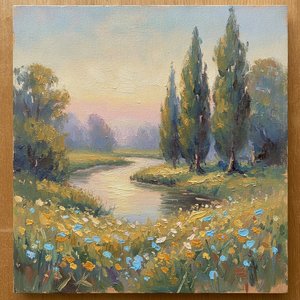
The Timeless Charm of Oil on Board: Reimagining Texture and Light through the Impressionist Lens
Discover the profound intimacy of oil on panel. Explore how Impressionist masters used rigid supports to capture light, texture, and impasto depth through exquisite, handmade oil reproductions for discerning collectors.

The Enduring Power of Painting: A Historical & Contemporary Exploration of Form and Emotion
Explore the rich history & enduring techniques of oil painting with OriginalUniqueArt. Discover masterpieces, learn about art collecting, and find authentic handmade reproductions crafted by skilled artists.
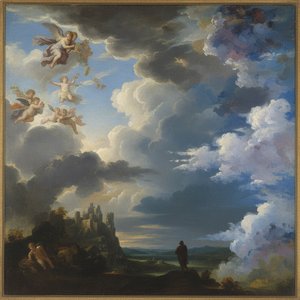
Ephemeral Visions: Clouds as Motif & Metaphor in Western Art History
Explore the captivating history of clouds in Western art! From Romantic masterpieces to Symbolist visions, discover how artists captured atmosphere, emotion & spirituality. A guide for collectors and enthusiasts.


