
 Önizleme yap
 Paylaş
 Paylaş
 Detayları Gör

 İndir
İndir
 Benzerlerini gör
 X-Işını
 Slayt Gösterisi
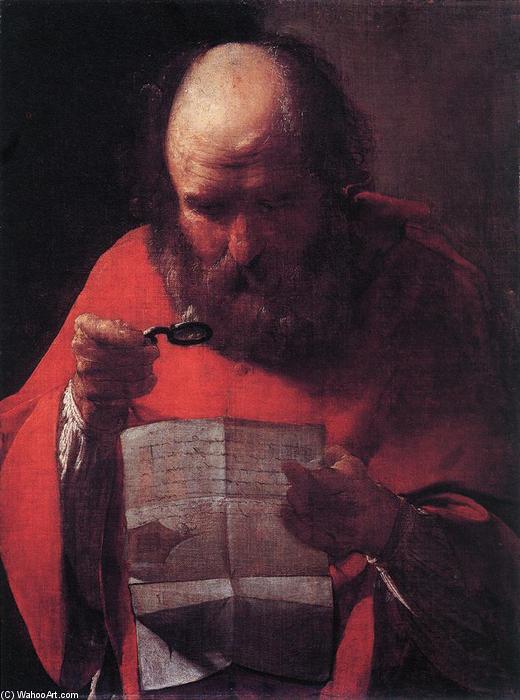
Saint Jerome Reading
 Acrylic On Canvas
- WallArt
- Baroque
 1621
1621 62.0 x 55.0 cm
 Royal Collection
 Tümünü Gör
Çevrimiçi önizlemeden çok daha üstün, yüksek çözünürlüklü ve iyileştirilmiş bir dijital görüntü satın alın.
Her dosya, uzman ekibimiz tarafından gelişmiş araçlar ve titiz manuel rötuş teknikleri kullanılarak özenle hazırlanır. Her görüntünün olağanüstü netliğe, kusursuz renk doğruluğuna ve ince ayrıntılara sahip olduğundan emin oluruz.
Son dosya; profesyonel, editoryal ve baskı süreçlerinde anında kullanıma uygun şekilde optimize edilerek 72 saat içinde e-posta yoluyla teslim edilir. Bu, seçkin tasarım stüdyoları, yayıncılar ve galerilerin güvendiği aynı kalite standartlarındadır.
Dijital Görsel
Kişisel sergileme, baskı ve yaratıcı projeleriniz için yüksek çözünürlüklü bir dosya indirin. ( Baskı satın al El yapımı tablo satın al)
Her Dijital Görüntü Siparişinde Dahil Olanlar
Uzman Dijital Teslimat, Garantili
OriginalUniqueArt.com seçtiğinizde, sadece bir görsel edinmekle kalmaz; titizlikle hazırlanmış, profesyonelce iyileştirilmiş dijital bir sanat eserine sahip olur ve memnuniyet garantisiyle güvence altına alınırsınız. Siparişinizle birlikte otomatik olarak sunulan her şey şunlardır:

Hızlı E-posta ile Teslimat
Yüksek çözünürlüklü dijital görüntü dosyanız, siparişinizin üzerinden en geç 72 saat geçmeden e-posta ile size gönderilecektir; hemen kullanıma hazırdır.

Yapay Zeka İle İyileştirilmiş Dijital Dosya
Sanat eseriniz; maksimum detay, netlik ve renk doğruluğu sağlamak amacıyla gelişmiş yapay zeka araçları ve manuel düzenleme kullanılarak profesyonelce optimize edilmektedir.

Ömür Boyu Ücretsiz Yeniden Gönderim
Dosyanızı yanlışlıkla mı sildiniz yoksa kayıp mı oldu? Endişelenmeyin; dosyanızı dilediğiniz zaman size ücretsiz olarak tekrar göndereceğiz.

Hiçbir Zaman İthalat Ücreti Ödemeyin
Sanat eserinizin tadını gümrük vergisi, harç veya teslimat ücreti ödemeden anında çıkarın; dijital indirmeler her zaman vergiden muaftır.

Renk Doğruluğu Garantisi
Profesyonel araçlar ve renk yönetimi kullanarak dijital görselinizin orijinal renklere mümkün olduğunca yakın yansıtılmasını sağlıyoruz.

60 Günlük Memnuniyet Garantisi
If you're not satisfied with your digital image, we'll revise it or refund 100% within 60 days - no questions asked.

100% Para İadesi Garantisi
Memnun kalmadınız mı? Dijital dosyanızı aldıktan sonraki 60 gün içinde, hiçbir soru sorulmaksızın tam iade alın.

Toplu Sipariş İndirimleri
Buy 3 images, save 10% - Buy 5, save 15% - Buy 10+, save 20%. Great for creative projects, galleries, and agencies.
Koleksiyon Detayları
A Meditation on Faith Illuminated: Exploring Georges de La Tour’s Saint Jerome Reading
The painting “Saint Jerome Reading,” executed in 1621 by Georges de La Tour, transcends mere depiction; it embodies a profound exploration of spirituality and the transformative power of contemplation. Created during the height of the Baroque period—a time characterized by dramatic contrasts between light and dark—this artwork stands as a testament to De La Tour’s mastery of chiaroscuro, a technique that elevates the scene beyond a simple portrait into an evocative psychological drama.- Subject Matter: The central figure is Saint Jerome, the revered hermit known for his unwavering devotion and biblical scholarship. He sits alone in a dimly lit room, illuminated by a single candle flame—a deliberate choice that underscores the importance of inner illumination and spiritual discernment.
- Style & Technique: De La Tour’s signature style is instantly recognizable through its masterful manipulation of light. The candle casts an ethereal glow upon Jerome's face and hand, highlighting his furrowed brow and intense gaze as he pores over a manuscript. This dramatic interplay of light and shadow isn’t merely aesthetic; it serves to convey Jerome’s mental state—a preoccupation with divine scripture and a striving for spiritual understanding.
- Interior Design Considerations: This artwork would lend itself beautifully to interior spaces seeking warmth and sophistication. Its muted palette—dominated by browns, reds, and golds—harmonizes seamlessly with traditional furnishings, creating an atmosphere conducive to contemplation and artistic appreciation.
Sanatçı Özgeçmişi
Georges de La Tour (1593-1652): French Baroque Master of Dramatic Chiaroscuro & Tenebrism
Georges de La Tour, a name that resonates with the hushed reverence reserved for masters of light and shadow, remains one of the most compelling figures of the French Baroque. Born in 1593 in Vic-sur-Seille, a small town nestled within the Duchy of Lorraine, his life unfolded against a backdrop of religious fervor and political upheaval. While details surrounding his early training remain somewhat elusive—scholars speculate about potential journeys to Italy or apprenticeships with local artists like Jacques Bellange—the seeds of his artistic vision were undoubtedly sown in this environment. He wasn’t born into an artistically established family; his father was a baker, yet the circumstances of his mother's lineage hint at a possible connection to nobility, a subtle influence perhaps reflected in the dignity and quiet grace that permeate his work.
Early Life & Artistic Influences
Georges de La Tour’s formative years were marked by the turbulent political landscape of Lorraine under Habsburg rule. Despite limited formal education—he reportedly received instruction from Jacques Bellange—his innate talent for drawing quickly emerged, demonstrating an exceptional sensitivity to observation and form. Crucially, he absorbed the artistic currents circulating throughout Europe during his youth, notably the dramatic innovations championed by Caravaggio in Rome. This encounter with Caravaggism profoundly shaped De La Tour’s aesthetic sensibilities, instilling him with a fascination for tenebrism—the technique of employing extreme contrasts between light and dark to heighten emotional impact.
The Utrecht School & Artistic Synthesis
De La Tour's artistic development accelerated during his time in Utrecht, where he encountered the influential Utrecht School painters. Artists like Hendrick Terbrugghen championed a style characterized by luminous color palettes and meticulous detail—a stylistic divergence from Caravaggio’s darker palette. However, De La Tour skillfully integrated elements of Dutch Caravaggisti into his own distinctive vision, forging a synthesis that retained Caravaggio's dramatic intensity while tempering it with a refined sense of composition and tonal gradation. This blending of influences resulted in a style that was both powerful and restrained—a hallmark of his oeuvre.
Major Works & Recurring Themes
Georges de La Tour’s artistic legacy rests upon a remarkable corpus of paintings that explore profound themes of faith, doubt, and human emotion. His most celebrated works—including The Fortune-Teller (circa 1630), Adoration of the Shepherds (circa 1640), Saint Joseph Carpenter (circa 1652)—are imbued with an atmosphere of solemn contemplation, achieved through masterful manipulation of candlelight and subtle tonal shifts. These scenes depict ordinary individuals confronted by divine presence—a deliberate choice that underscores De La Tour’s conviction in the transformative power of spiritual experience.
A Rediscovered Legacy & Enduring Appeal
For decades after his death in 1652, Georges de La Tour’s work languished in obscurity, largely unrecognized and frequently misattributed. However, a resurgence of scholarly interest in the mid-20th century—fueled by pioneering research conducted by Hermann Voss—began to illuminate De La Tour's artistic genius and solidify his place as a pivotal figure in European art history. His innovative use of tenebrism—combined with his psychological insight into human character—continues to captivate audiences today, reminding us that even amidst the complexities of life, there remains an enduring fascination for the serene beauty of faith and contemplation. De La Tour’s influence can be discerned in subsequent artists who wrestled with similar questions of spirituality and artistic expression—a testament to his lasting impact on the trajectory of Western art.

Georges De La Tour
1593 - 1652 , Fransa
Kısa Bilgiler
- Artistic Movement Or Style: Tenebrism
- Artists Or Movements Influenced By This Artist: ['French Classicism']
- Artists Who Influenced This Artist:
- Caravaggio
- Hendrick Terbrugghen
- Date Of Birth: Mart 13, 1593
- Full Name: Georges de La Tour
- Nationality: Fransa
- Notable Artworks:
- Fortune Teller
- Adoration Shepherds
- Tears Saint Peter
- Saint Joseph Carpenter
- Place Of Birth: Vic-le-Comte, Fransa

