Önizleme yap
 Paylaş
 Paylaş
 Detayları Gör

 İndir
İndir
 Benzerlerini gör
 X-Işını
 Slayt Gösterisi
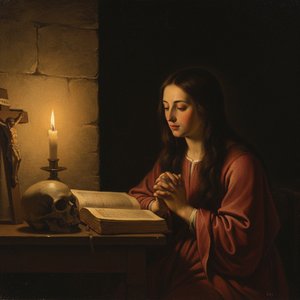
Repenting Magdalene, also called Magdalene before Mirror or Magadalene Fabius.


 Tümünü Gör
Giclée / Sanat Baskısı
Hızlı üretim ve esnek bitiş seçenekleriyle müze kalitesinde giclée veya kanvas baskı. ( El yapımı tablo satın al Görsel satın al)




P118B $10

P118H $10

P118W $10

P438Z $10

P508JH $12

P508YH $12

P805H $10

P805Z $10

P919BZ $10

P919G $10

P919XJ $10

P959ZH $10

P968JZ $12

W106C $8

W218G $10

W218JH $8

W218Y $10

W307PJ $10

W316G $10

W316PJ $8

W316Y $10

W398PJ $8

W4111J $10

W500HY $15

W500JH $15

W692G $12

W849H $8

W940BG $15

W953PJ $8




Eserin orijinal oranlarıyla uyumlu, önceden belirlenmiş boyutlarımız arasından seçim yapın.

Belirli bir çerçeveye veya alana uyması için kendi ölçülerinizi girebilirsiniz. Seçtiğiniz boyut orijinal görüntünün oranlarıyla eşleşmiyorsa, sanat eserini kırpacağız veya görüntüyü aynalanmış ya da düz dolgulu bir kenarlıkla genişleteceğiz. Üretim başlamadan önce onayınız için bir dijital taslak gönderilecektir.
Lütfen ekrandaki önizlemenin gerçek kırpma veya genişletmeyi yansıtmadığını unutmayın. Nihai kompozisyonu yalnızca taslak doğru bir şekilde gösterecektir.
Özel boyutlar mevcut olsa da, orijinal oranları korumak için önceden tanımlanmış listeden bir boyut seçmenizi öneririz.
Dünya Çapında Teslimat (); standart 4/5 hafta yerine 2 haftada. (22 Ağustos)

Dünya Çapında Ücretsiz Ekspres Kargo

Yüksek Kaliteli Keten Tuval

Tam Kapsamlı Nakliye Sigortası

Gümrük Vergisi İade Garantisi

Gerçek Renk Uyumu Garantisi

60 Günlük İade Politikası (Sadece Kusurlu Ürünler İçin)

%100 Para İade Garantisi

Toplu Alım İndirimi
 Cam seçeneği yalnızca 110 cm altındaki boyutlar için mevcuttur.

Repenting Magdalene, also called Magdalene before Mirror or Magadalene Fabius.
Giclée / Sanat Baskısı
Reproduksiyon Boyutu
-


Toplam Tutar
$ 80
Eser Açıklaması
Georges de la Tour’s “Repenting Magdalene”: A Study in Light and Contemplation
Georges de La Tour (1593 – 1652), a luminary of the French Baroque, remains an artist whose profound understanding of chiaroscuro—the dramatic interplay between light and dark—continues to captivate audiences centuries later. His oeuvre is characterized by an almost monastic devotion to capturing spiritual essence through meticulous observation of natural phenomena, specifically candlelight, which he skillfully employed to illuminate scenes of biblical narratives and moral allegories. “Repenting Magdalene,” also known as “Magdalene before Mirror” or “Magadalene Fabius,” exemplifies this artistic philosophy perfectly, offering a glimpse into the inner turmoil of repentance and the transformative power of introspection.- Subject Matter: The painting depicts Mary Magdalene, a pivotal figure in Christian scripture who famously encountered Jesus Christ after his crucifixion. Unlike depictions emphasizing dramatic action or emotional outpouring, La Tour’s Magdalene is presented in quiet repose, seated before a mirror reflecting a flickering candle flame—a deliberate choice that underscores the importance of inner reflection and contemplation.
- Style: La Tour's style aligns squarely with Tenebrism, an artistic technique pioneered by Caravaggio that prioritizes extreme contrasts between light and dark. This stylistic approach isn’t merely decorative; it serves as a conduit for conveying profound theological ideas. The darkness envelops the room, creating an atmosphere of solemnity and highlighting the central figure—Magdalene—and her gaze upon the mirror.
- Technique: La Tour achieved his masterful illumination through painstaking layering of thin glazes over preparatory underdrawings. He meticulously studied the behavior of candlelight, painstakingly recreating its subtle gradations and reflections on surfaces like skin and metal. This meticulous attention to detail is evident in the rendering of Magdalene’s face—pale and serene—and the delicate sheen of the skull held in her hand.
Historical Context: The Baroque Spirit and Religious Piety
The painting emerged during a period marked by fervent religious fervor within France following the Reformation. The Catholic Church actively sought to reaffirm its authority and inspire piety through art, commissioning works that conveyed moral lessons and evoked spiritual emotion. La Tour’s oeuvre reflects this cultural climate, aligning with broader trends in Baroque art—particularly in Northern Europe—where artists aimed to instill faith and convey religious truths through evocative imagery. The depiction of the skull serves as a poignant reminder of mortality—a central theme within Christian theology—and invites viewers to contemplate the significance of repentance and spiritual transformation.Symbolism: Light, Darkness, and Repentance
The candle flame itself is laden with symbolic meaning. Representing divine illumination and grace, it casts a soft glow upon Magdalene’s face, symbolizing enlightenment and spiritual purification. Simultaneously, the darkness surrounding Magdalene underscores the psychological dimension of repentance—the confrontation with one's own failings and the acceptance of God’s forgiveness. The mirror reflects not only the physical appearance of Magdalene but also her inner state—her gaze fixed on the skull signifies a profound engagement with existential questions concerning death and redemption. La Tour’s masterful use of chiaroscuro elevates the painting beyond mere representation, transforming it into an emblem of spiritual contemplation and moral reflection.Emotional Impact: A Moment of Quiet Intensity
“Repenting Magdalene” possesses a remarkable ability to evoke profound emotion despite its restrained composition. The stillness of Magdalene’s posture—combined with her unwavering gaze upon the skull—creates a palpable sense of introspection and solemnity. La Tour's skillful manipulation of light and shadow draws the viewer into the scene, fostering empathy for Magdalene’s inner struggle and prompting contemplation on themes of faith, mortality, and divine grace. The painting transcends its historical context to resonate with audiences today who appreciate the enduring power of art to illuminate the human condition.Sanatçı Özgeçmişi
Georges de La Tour (1593-1652): French Baroque Master of Dramatic Chiaroscuro & Tenebrism
Georges de La Tour, a name that resonates with the hushed reverence reserved for masters of light and shadow, remains one of the most compelling figures of the French Baroque. Born in 1593 in Vic-sur-Seille, a small town nestled within the Duchy of Lorraine, his life unfolded against a backdrop of religious fervor and political upheaval. While details surrounding his early training remain somewhat elusive—scholars speculate about potential journeys to Italy or apprenticeships with local artists like Jacques Bellange—the seeds of his artistic vision were undoubtedly sown in this environment. He wasn’t born into an artistically established family; his father was a baker, yet the circumstances of his mother's lineage hint at a possible connection to nobility, a subtle influence perhaps reflected in the dignity and quiet grace that permeate his work.
Early Life & Artistic Influences
Georges de La Tour’s formative years were marked by the turbulent political landscape of Lorraine under Habsburg rule. Despite limited formal education—he reportedly received instruction from Jacques Bellange—his innate talent for drawing quickly emerged, demonstrating an exceptional sensitivity to observation and form. Crucially, he absorbed the artistic currents circulating throughout Europe during his youth, notably the dramatic innovations championed by Caravaggio in Rome. This encounter with Caravaggism profoundly shaped De La Tour’s aesthetic sensibilities, instilling him with a fascination for tenebrism—the technique of employing extreme contrasts between light and dark to heighten emotional impact.
The Utrecht School & Artistic Synthesis
De La Tour's artistic development accelerated during his time in Utrecht, where he encountered the influential Utrecht School painters. Artists like Hendrick Terbrugghen championed a style characterized by luminous color palettes and meticulous detail—a stylistic divergence from Caravaggio’s darker palette. However, De La Tour skillfully integrated elements of Dutch Caravaggisti into his own distinctive vision, forging a synthesis that retained Caravaggio's dramatic intensity while tempering it with a refined sense of composition and tonal gradation. This blending of influences resulted in a style that was both powerful and restrained—a hallmark of his oeuvre.
Major Works & Recurring Themes
Georges de La Tour’s artistic legacy rests upon a remarkable corpus of paintings that explore profound themes of faith, doubt, and human emotion. His most celebrated works—including The Fortune-Teller (circa 1630), Adoration of the Shepherds (circa 1640), Saint Joseph Carpenter (circa 1652)—are imbued with an atmosphere of solemn contemplation, achieved through masterful manipulation of candlelight and subtle tonal shifts. These scenes depict ordinary individuals confronted by divine presence—a deliberate choice that underscores De La Tour’s conviction in the transformative power of spiritual experience.
A Rediscovered Legacy & Enduring Appeal
For decades after his death in 1652, Georges de La Tour’s work languished in obscurity, largely unrecognized and frequently misattributed. However, a resurgence of scholarly interest in the mid-20th century—fueled by pioneering research conducted by Hermann Voss—began to illuminate De La Tour's artistic genius and solidify his place as a pivotal figure in European art history. His innovative use of tenebrism—combined with his psychological insight into human character—continues to captivate audiences today, reminding us that even amidst the complexities of life, there remains an enduring fascination for the serene beauty of faith and contemplation. De La Tour’s influence can be discerned in subsequent artists who wrestled with similar questions of spirituality and artistic expression—a testament to his lasting impact on the trajectory of Western art.

Georges De La Tour
1593 - 1652 , Fransa
Kısa Bilgiler
- Artistic Movement Or Style: Tenebrism
- Artists Or Movements Influenced By This Artist: ['French Classicism']
- Artists Who Influenced This Artist:
- Caravaggio
- Hendrick Terbrugghen
- Date Of Birth: Mart 13, 1593
- Full Name: Georges de La Tour
- Nationality: Fransa
- Notable Artworks:
- Fortune Teller
- Adoration Shepherds
- Tears Saint Peter
- Saint Joseph Carpenter
- Place Of Birth: Vic-le-Comte, Fransa
İlgili Makaleler
Georges de La Tour: Luminosity, Spirituality & Realism in Baroque Painting
Discover the captivating world of Georges de La Tour, a Baroque master renowned for his dramatic chiaroscuro & spiritual realism. Explore key works, influences, and his remarkable rediscovery. Learn more at OriginalUniqueArt.

Georges Braque'ın En İyi 25 Eseri: Kübizm ve Modern Sanatın İkonları | OriginalUniqueArt
Georges Braque'ın en iyi 25 eserini keşfedin! Kübizm hareketinin öncüsü olan bu ikonik tablolar, modern sanatın ruhunu yansıtıyor. Sanat tarihine yolculuk yapın ve evinizi OriginalUniqueArt.com'un yüksek kaliteli baskılarıyla zenginleştirin.

Georges Seurat'ın En İyi 25 Eseri: İzlenimcilikten Modern Sanata Bir Yolculuk
Georges Seurat'ın en iyi 25 eserini keşfedin! İzlenimcilik ve Noktacılık akımının öncüsü bu Fransız ressamın renkli dünyasına yolculuk yapın. Sanat baskıları ve ev dekorasyonu için OriginalUniqueArt.com'da koleksiyonu inceleyin.

Francisco Goya'nın En İyi 25 Eseri: İspanyol Ruhunun Derinlikleri Sanatta
Francisco Goya'nın en iyi 25 eserini keşfedin! İspanyol ressamının Romantizm akımındaki başyapıtları, tarihi tabloları ve portrelerinin derin anlamlarını öğrenin. Ev dekorasyonunuz için lüks sanat baskıları OriginalUniqueArt.com’da.

Maurice Quentin de La Tour: Light, Shadow & the Rococo Portrait
Explore the captivating world of Maurice Quentin de La Tour, a master of Rococo portraiture. Discover his innovative pastel techniques, intimate depictions of French aristocracy, and lasting artistic legacy. Learn more at OriginalUniqueArt.