Önizleme yap
 Paylaş
 Paylaş
 Detayları Gör

 İndir
İndir
 Benzerlerini gör
 X-Işını
 Slayt Gösterisi
Boy blowing at a Lamp

 Tümünü Gör
El Yapımı Yağlı Boya Reproduksiyon
Sanatçılarımız tarafından sipariş üzerine hazırlanan; istediğiniz boyut ve çerçevede, tuval üzerine el boyaması yağlı boya. ( Baskı satın al Görsel satın al)




P118B $10

P118H $10

P118W $10

P438Z $10

P508JH $12

P508YH $12

P805H $10

P805Z $10

P919BZ $10

P919G $10

P919XJ $10

P959ZH $10

P968JZ $12

W106C $8

W218G $10

W218JH $8

W218Y $10

W307PJ $10

W316G $10

W316PJ $8

W316Y $10

W398PJ $8

W4111J $10

W500HY $15

W500JH $15

W692G $12

W849H $8

W940BG $15

W953PJ $8




Eserin orijinal oranlarıyla uyumlu, önceden belirlenmiş boyutlarımız arasından seçim yapın.

Belirli bir çerçeveye veya alana uyması için kendi boyutlarınızı girebilirsiniz. Seçtiğiniz boyut orijinal görüntünün oranlarıyla eşleşmiyorsa, sanat eserini kırparak veya ek el boyaması öğelerle resmi uzatarak ayarlayacağız. Üretim başlamadan önce onayınız için dijital bir taslak gönderilecektir.
Lütfen ekrandaki önizlemenin gerçek kırpmayı veya uzatmayı yansıtmadığını unutmayın. Nihai kompozisyonu yalnızca hazırlanan taslak doğru şekilde gösterecektir.
Özel boyutlar mevcut olsa da, orijinal oranları korumak adına önceden tanımlanmış listeden bir boyut seçmenizi öneririz.
Siparişten sonra, OriginalUniqueArt.com ekibi talimatlar için müşteriye e-posta gönderecek ve bir taslak önizleme sunacaktır
Dünya Çapında Teslimat (); standart 5 hafta yerine 3/4 haftada. (22 Ağustos). Kaliteden ödün verilmez.

Dünya Çapında Ücretsiz Ekspres Kargo

Yüksek Kaliteli Keten Tuval

Tam Kapsamlı Nakliye Sigortası

Gümrük Vergisi İade Garantisi

Gerçek Renk Uyumu Garantisi

60 Günlük İade Politikası (Sadece Kusurlu Ürünler İçin)

%100 Para İade Garantisi

Toplu Alım İndirimi
 Cam seçeneği yalnızca 110 cm altındaki boyutlar için mevcuttur.

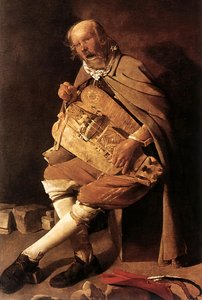
Boy blowing at a Lamp
Reproduksiyon Tekniği
Reproduksiyon Boyutu
-


Toplam Tutar
$ 300
Eser Açıklaması
A Moment Frozen in Shadow and Light: Georges de la Tour’s “Boy Blowing at a Lamp”
Georges de la Tour's "Boy Blowing at a Lamp" is not merely a depiction of childhood activity; it’s a profound meditation on the ephemeral nature of existence, rendered with an almost unsettling realism. Painted during the height of the French Baroque period – a time when religious fervor and artistic innovation collided – this work exemplifies de la Tour’s mastery of chiaroscuro, the dramatic interplay of light and dark that defines his signature style. The scene unfolds with a quiet intensity: a young boy, lost in concentration, attempts to extinguish a candle flame with a gentle puff of air. The details are meticulously observed – the furrowed brow, the focused gaze, the delicate movement of his hand – capturing a fleeting moment suspended in time.
- Subject Matter: The seemingly simple act of blowing out a candle becomes laden with symbolic weight. It represents the transient nature of life, memory, and even faith itself.
- Chiaroscuro Technique: De la Tour’s genius lies in his manipulation of light. The boy is bathed in a warm, almost ethereal glow emanating from the lamp, while the surrounding space plunges into deep shadow. This technique isn't just aesthetic; it serves to heighten the drama and draw the viewer's eye directly to the central figure.
Historical Context: A Master of Religious Devotion
Georges de la Tour (1593-1652) emerged during a period of significant religious upheaval in France, following the St. Bartholomew’s Day Massacre and the ongoing influence of the Catholic Church. His work is deeply rooted in this context, often depicting scenes from the Bible with a stark realism that emphasized human vulnerability and spiritual struggle. Unlike many of his contemporaries who embraced the flamboyant styles of Italian Mannerism, de la Tour favored a more restrained approach, prioritizing emotional depth over ostentation. He was part of a small group of artists known as the ‘Maîtres Chimeres’ (Chimera Masters) due to their use of dramatic lighting and unsettling subject matter.
Born in Vic-le-Comte, France, de la Tour's early life remains somewhat shrouded in mystery. His father was a baker, suggesting a humble upbringing, yet whispers persist of noble ancestry – a subtle influence perhaps reflected in the dignified composure of his figures. He married Diane Le Nerf in 1617 and settled in Lunévière, establishing a family and continuing to hone his distinctive artistic vision.
Symbolism and Interpretation
Beyond the immediate depiction of the boy and the lamp, "Boy Blowing at a Lamp" is rich with symbolic meaning. The extinguished flame can be interpreted as representing lost innocence, fading memories, or even the extinguishing of faith. The clock in the background, a recurring motif in de la Tour’s work, serves as a constant reminder of mortality and the relentless passage of time. The bowl, placed strategically at the bottom right, might symbolize earthly possessions – fleeting and ultimately insignificant in the face of eternity.
The painting's emotional impact is profound. It evokes a sense of melancholy, contemplation, and perhaps even a touch of unease. De la Tour’s masterful use of light and shadow creates an atmosphere that is both beautiful and unsettling, inviting viewers to confront fundamental questions about life, death, and the human condition.
Recreating the Masterpiece: A Hand-Painted Reproduction
OriginalUniqueArt offers meticulously crafted hand-painted reproductions of Georges de la Tour’s “Boy Blowing at a Lamp,” capturing the essence of this iconic work. Each reproduction is created by skilled artisans who painstakingly recreate de la Tour's technique, ensuring an authentic and enduring representation of this masterpiece. The use of archival quality materials guarantees that your reproduction will retain its beauty and vibrancy for generations to come. This artwork would be a stunning addition to any collection or a captivating focal point in interior design, bringing the drama and contemplation of de la Tour’s vision into your space.
Sanatçı Özgeçmişi
Georges de La Tour (1593-1652): French Baroque Master of Dramatic Chiaroscuro & Tenebrism
Georges de La Tour, a name that resonates with the hushed reverence reserved for masters of light and shadow, remains one of the most compelling figures of the French Baroque. Born in 1593 in Vic-sur-Seille, a small town nestled within the Duchy of Lorraine, his life unfolded against a backdrop of religious fervor and political upheaval. While details surrounding his early training remain somewhat elusive—scholars speculate about potential journeys to Italy or apprenticeships with local artists like Jacques Bellange—the seeds of his artistic vision were undoubtedly sown in this environment. He wasn’t born into an artistically established family; his father was a baker, yet the circumstances of his mother's lineage hint at a possible connection to nobility, a subtle influence perhaps reflected in the dignity and quiet grace that permeate his work.
Early Life & Artistic Influences
Georges de La Tour’s formative years were marked by the turbulent political landscape of Lorraine under Habsburg rule. Despite limited formal education—he reportedly received instruction from Jacques Bellange—his innate talent for drawing quickly emerged, demonstrating an exceptional sensitivity to observation and form. Crucially, he absorbed the artistic currents circulating throughout Europe during his youth, notably the dramatic innovations championed by Caravaggio in Rome. This encounter with Caravaggism profoundly shaped De La Tour’s aesthetic sensibilities, instilling him with a fascination for tenebrism—the technique of employing extreme contrasts between light and dark to heighten emotional impact.
The Utrecht School & Artistic Synthesis
De La Tour's artistic development accelerated during his time in Utrecht, where he encountered the influential Utrecht School painters. Artists like Hendrick Terbrugghen championed a style characterized by luminous color palettes and meticulous detail—a stylistic divergence from Caravaggio’s darker palette. However, De La Tour skillfully integrated elements of Dutch Caravaggisti into his own distinctive vision, forging a synthesis that retained Caravaggio's dramatic intensity while tempering it with a refined sense of composition and tonal gradation. This blending of influences resulted in a style that was both powerful and restrained—a hallmark of his oeuvre.
Major Works & Recurring Themes
Georges de La Tour’s artistic legacy rests upon a remarkable corpus of paintings that explore profound themes of faith, doubt, and human emotion. His most celebrated works—including The Fortune-Teller (circa 1630), Adoration of the Shepherds (circa 1640), Saint Joseph Carpenter (circa 1652)—are imbued with an atmosphere of solemn contemplation, achieved through masterful manipulation of candlelight and subtle tonal shifts. These scenes depict ordinary individuals confronted by divine presence—a deliberate choice that underscores De La Tour’s conviction in the transformative power of spiritual experience.
A Rediscovered Legacy & Enduring Appeal
For decades after his death in 1652, Georges de La Tour’s work languished in obscurity, largely unrecognized and frequently misattributed. However, a resurgence of scholarly interest in the mid-20th century—fueled by pioneering research conducted by Hermann Voss—began to illuminate De La Tour's artistic genius and solidify his place as a pivotal figure in European art history. His innovative use of tenebrism—combined with his psychological insight into human character—continues to captivate audiences today, reminding us that even amidst the complexities of life, there remains an enduring fascination for the serene beauty of faith and contemplation. De La Tour’s influence can be discerned in subsequent artists who wrestled with similar questions of spirituality and artistic expression—a testament to his lasting impact on the trajectory of Western art.

Georges De La Tour
1593 - 1652 , Fransa
Kısa Bilgiler
- Artistic Movement Or Style: Tenebrism
- Artists Or Movements Influenced By This Artist: ['French Classicism']
- Artists Who Influenced This Artist:
- Caravaggio
- Hendrick Terbrugghen
- Date Of Birth: Mart 13, 1593
- Full Name: Georges de La Tour
- Nationality: Fransa
- Notable Artworks:
- Fortune Teller
- Adoration Shepherds
- Tears Saint Peter
- Saint Joseph Carpenter
- Place Of Birth: Vic-le-Comte, Fransa
İlgili Makaleler

Francisco Goya'nın En İyi 25 Eseri: İspanyol Ruhunun Derinlikleri Sanatta
Francisco Goya'nın en iyi 25 eserini keşfedin! İspanyol ressamının Romantizm akımındaki başyapıtları, tarihi tabloları ve portrelerinin derin anlamlarını öğrenin. Ev dekorasyonunuz için lüks sanat baskıları OriginalUniqueArt.com’da.
Georges de La Tour: Luminosity, Spirituality & Realism in Baroque Painting
Discover the captivating world of Georges de La Tour, a Baroque master renowned for his dramatic chiaroscuro & spiritual realism. Explore key works, influences, and his remarkable rediscovery. Learn more at OriginalUniqueArt.

Maurice Quentin de La Tour: Light, Shadow & the Rococo Portrait
Explore the captivating world of Maurice Quentin de La Tour, a master of Rococo portraiture. Discover his innovative pastel techniques, intimate depictions of French aristocracy, and lasting artistic legacy. Learn more at OriginalUniqueArt.

Barok Sanatın Zirveleri: Evinizi Büyüleyecek 10 Eser ve Hikayeleri
Barok sanatın en etkileyici 10 başyapıtını keşfedin! Caravaggio, Rembrandt ve daha fazlasının eserleriyle evinizi dönüştürün. Sanat tarihi, renkler ve duygularla dolu bu yolculukta OriginalUniqueArt.com'da müze kalitesinde replikalar bulun. Koleksiyonu çevrimiçi inceleyin!
Venedik Bienali'nin En İkonik 25 Eseri: Sanatın Kalbinde Bir Yolculuk
Venedik Bienali'nin en ikonik 25 eserini keşfedin! Ünlü sanatçıların ölümsüz tablolarının hikayelerini, tekniklerini ve ilham kaynaklarını öğrenin. Ev dekorasyonunuz için modern sanat koleksiyonları OriginalUniqueArt.com’da.