

 Önizleme yap
 Paylaş
 Paylaş
 Detayları Gör

 İndir
İndir
 Benzerlerini gör
 X-Işını
 Slayt Gösterisi
 İstatistikler
untitled (5553)

 Tümünü Gör
Çevrimiçi önizlemeden çok daha üstün, yüksek çözünürlüklü ve iyileştirilmiş bir dijital görüntü satın alın.
Her dosya, uzman ekibimiz tarafından gelişmiş araçlar ve titiz manuel rötuş teknikleri kullanılarak özenle hazırlanır. Her görüntünün olağanüstü netliğe, kusursuz renk doğruluğuna ve ince ayrıntılara sahip olduğundan emin oluruz.
Son dosya; profesyonel, editoryal ve baskı süreçlerinde anında kullanıma uygun şekilde optimize edilerek 72 saat içinde e-posta yoluyla teslim edilir. Bu, seçkin tasarım stüdyoları, yayıncılar ve galerilerin güvendiği aynı kalite standartlarındadır.
Dijital Görsel
Kişisel sergileme, baskı ve yaratıcı projeleriniz için yüksek çözünürlüklü bir dosya indirin. ( Baskı Moduna Geç El yapımı tablo satın al)
Her Dijital Görüntü Siparişinde Dahil Olanlar
Uzman Dijital Teslimat, Garantili
OriginalUniqueArt.com seçtiğinizde, sadece bir görsel edinmekle kalmaz; titizlikle hazırlanmış, profesyonelce iyileştirilmiş dijital bir sanat eserine sahip olur ve memnuniyet garantisiyle güvence altına alınırsınız. Siparişinizle birlikte otomatik olarak sunulan her şey şunlardır:

Hızlı E-posta ile Teslimat
Yüksek çözünürlüklü dijital görüntü dosyanız, siparişinizin üzerinden en geç 72 saat geçmeden e-posta ile size gönderilecektir; hemen kullanıma hazırdır.

Yapay Zeka İle İyileştirilmiş Dijital Dosya
Sanat eseriniz; maksimum detay, netlik ve renk doğruluğu sağlamak amacıyla gelişmiş yapay zeka araçları ve manuel düzenleme kullanılarak profesyonelce optimize edilmektedir.

Ömür Boyu Ücretsiz Yeniden Gönderim
Dosyanızı yanlışlıkla mı sildiniz yoksa kayıp mı oldu? Endişelenmeyin; dosyanızı dilediğiniz zaman size ücretsiz olarak tekrar göndereceğiz.

Hiçbir Zaman İthalat Ücreti Ödemeyin
Sanat eserinizin tadını gümrük vergisi, harç veya teslimat ücreti ödemeden anında çıkarın; dijital indirmeler her zaman vergiden muaftır.

Renk Doğruluğu Garantisi
Profesyonel araçlar ve renk yönetimi kullanarak dijital görselinizin orijinal renklere mümkün olduğunca yakın yansıtılmasını sağlıyoruz.

100 Günlük Memnuniyet Garantisi
If you're not satisfied with your digital image, we'll revise it or refund 100% within 100 days - no questions asked.

100% Para İadesi Garantisi
Memnun kalmadınız mı? Dijital dosyanızı teslim aldıktan sonraki 100 gün içinde, hiçbir soru sorulmaksızın tam para iadesi alabilirsiniz.

Toplu Sipariş İndirimleri
Buy 3 images, save 10% - Buy 5, save 15% - Buy 10+, save 20%. Great for creative projects, galleries, and agencies.
A Study in Monochrome: Exploring Georges Braque’s Untitled (5553)
Georges Braque's “untitled (5553)” stands as a testament to the transformative power of simplification and observation—a cornerstone of Cubist aesthetics that continues to resonate with audiences today. Executed around 1909, this unassuming sketch captures a tranquil village scene bathed in diffused light, offering more than just a visual representation; it embodies the intellectual fervor of its time and speaks volumes about Braque’s pioneering approach to artistic expression.The Essence of Cubism: Deconstructing Reality
At first glance, “untitled (5553)” appears deceptively simple—a muted grayscale depiction of buildings nestled amongst trees. However, beneath this surface lies the core principle of Cubism, spearheaded by Braque alongside Pablo Picasso. Rather than striving for realistic portrayal, Cubists sought to capture multiple perspectives simultaneously, fracturing objects into geometric forms and presenting them as overlapping planes. This technique isn’t merely stylistic; it represents a profound shift in how artists perceived and depicted the world around them—a rejection of traditional illusionism in favor of intellectual exploration. The artist deliberately abandons conventional shading and perspective, prioritizing structural clarity over visual accuracy.Technique and Material: Charcoal's Delicate Touch
The artwork’s execution reveals Braque’s meticulous attention to detail despite his reductive stylistic choices. Created primarily with charcoal on paper—a technique favored by artists of the era—the drawing utilizes hatching and cross-hatching extensively to build up tonal variations and suggest texture. These subtle marks convey a sense of depth and form, mirroring the complexities hidden beneath the monochromatic surface. The artist’s hand demonstrates considerable control, capturing the contours of buildings and foliage with confident lines that simultaneously delineate shapes and create shadows. This careful layering contributes significantly to the piece's overall atmosphere—one of quiet contemplation and understated beauty.Historical Context: A Moment of Artistic Breakthrough
“untitled (5553)” emerged during a pivotal period in art history, coinciding with the burgeoning influence of Cubism and Fauvism. The movement challenged established artistic conventions, prompting artists to experiment with new approaches to representation. Braque’s exploration of geometric abstraction reflects this broader intellectual curiosity—a desire to dissect visual experience and reconstruct it according to conceptual frameworks. Alongside Picasso, he was instrumental in establishing Cubism as a dominant force within the European avant-garde, paving the way for subsequent developments in modern art.Symbolic Resonance: Nature's Quiet Influence
Beyond its formal innovations, “untitled (5553)” carries subtle symbolic significance. The depiction of a village nestled amongst trees speaks to themes of harmony between humanity and nature—a recurring motif within Romanticism and influencing artists like Braque. The muted color palette reinforces this mood of serenity, inviting viewers to consider the beauty found in simplicity and observation. It’s a piece that encourages reflection on how art can capture not just what we see but also what we feel—a testament to Braque's enduring legacy as one of the most influential figures in modern artistic history.Sanatçı Özgeçmişi
Erken Yaşam ve Sanatsal Temeller
1882 yılında Fransa'nın Argenteuil kentinde dünyaya gelen Georges Braque, modern sanatın evrimleşen manzarasıyla derinden iç içe geçmiş bir yolculuğa adım attı. Bir boyacı ve dekoratör ailesinin içinde büyümesi, ona sadece malzemelere karşı teknik bir ustalık değil, aynı zamanda form ve yapıya yönelik erken bir takdir duygusu kazandırdı. Başlangıçta babasının mesleğini takip etse de, Braque'ın doğuştan gelen sanatsal eğilimleri onu kısa sürede Le Havre'daki École des Beaux-Arts'ta resmi eğitime yöneltti; bu durum, 20. yüzyılın en etkili ressamlarından biri olma yolundaki serüveninin başlangıcıydı. Pratik zanaatkarlık ile akademik çalışmanın birleşimi olan bu temel, daha sonra geleneksel sanatsal kuralları parçalarına ayırıp yeniden kurgularken hayati bir rol oynayacaktı.
1902 yılında Paris'e taşınan Braque, çalışmalarını Académie Humbert'te sürdürerek şehrin canlı sanatsal atmosferine kendini kaptırdı. Marie Laurencin ve Francis Picabia gibi sanatçılarla burada tanışması, erken dönem gelişimini şekillendirecek bağlar kurmasını sağladı. İlk eserleri İzlenimcilik ve Ard İzlenimciliğin hakim etkilerini yansıtıyordu; ancak 1905 yılında Fauvizm'in cesur renkleri ve dışavurumcu özgürlüğüyle yaşadığı dönüm noktası niteliğindeki karşılaşma, sanatsal arayışlarında yeni bir yönün fitilini ateşledi.
Fauvizmin Kucaklanışı ve Kübizmin Şafağı
Braque'ın yoğun, doğal olmayan renkler ve duygusal dışavurumla karakterize edilen Fauvist ilkeleri benimsemesi, The Patience gibi tablolarında canlı bir şekilde örneklendirilmektedir. Bu dönemde Henri Matisse ve André Derain gibi sanatçılarla birlikte çalışarak canlı paletler ve basitleştirilmiş formlar üzerinde deneyler yaptı. Ancak Braque'ın Fauvizm ile olan bağı yalnızca taklitçi değildi; bu akımı kendine özgü bir duyarlılıkla harmanlayarak, hareketin dizginlenemeyen coşkusunu daha ölçülü ve analitik bir yaklaşımla dengeledi.
1907 yılında Paul Cézanne'ın retrospektif sergisiyle karşılaşmasıyla büyük bir dönüm noktasına ulaştı. Cézanne'ın geometrik formlara ve çoklu perspektiflere verdiği önem Braque'ı derinden etkileyerek, Pablo Picasso ile gerçekleştireceği çığır açıcı işbirliğinin zeminini hazırladı. 1908'den itibaren bu iki sanat devi, temsilin geleneksel kavramlarını yerle bir eden devrimci bir akım olan Kübizm'i doğuracak yoğun bir entelektüel alışveriş dönemine girdiler.
Braque ve Picasso birlikte, nesneleri parçalanmış geometrik şekillere ayırarak birden fazla bakış açısını eş zamanlı olarak sunan Analitik Kübizm'i geliştirdiler. Houses at L'Estaque gibi eserler bu erken evreyi gözler önüne sererek, geleneksel perspektiften radikal bir kopuşu ve formların temel yapısına odaklanışı sergiler. Bir nesnenin yalnızca görünümünü değil, varlığının bütünlüğünü temsil etmeye çalışırken, paletleri kasıtlı olarak matlaştı ve renk yerine formu ön plana çıkardı.
Parçalanma ve Kolaj Yoluyla Yenilik
Braque ve Picasso arasındaki ortaklık, sanatsal ifadenin sınırlarını zorlamaya devam ederek 1912 civarında Sentetik Kübizm'in gelişimine yol açtı. Bu aşama, kolaj tekniğinin —gazete kupürleri, duvar kağıdı ve kumaş gibi gerçek dünya malzemelerinin resme dahil edilmesinin— tanıtıldığı dönemdir. Bu yenilik, resim ve heykel arasındaki geleneksel hiyerarşiye meydan okuyarak sanat ile yaşam arasındaki çizgileri bulanıklaştırdı.
Braque'ın öncü *papier collé* (yapıştırılmış kağıt) kullanımı, sanatsal evriminde önemli bir dönüm noktası oldu. Günlük nesnelerin parçalarını kompozisyonlarına entegre ederek, geleneksel resmin illüzyonist uzayını bozdu ve yeni bir maddesellik ve doku seviyesi getirdi. Bu teknik sadece sanatın biçimsel olanaklarını genişletmekle kalmadı, aynı zamanda temsil ile gerçeklik arasındaki ilişkiye duyulan artan ilgiyi de yansıttı.
1914'te Birinci Dünya Savaşı'nın patlak vermesi, Braque'ın askeri hizmete çağrılmasıyla bu yoğun işbirliğine bir ara verilmesine neden oldu. Savaş dönemi deneyimleri sanatsal vizyonunu derinden etkiledi ve savaş sonrası çalışmalarında daha kişisel ve lirik temaları keşfetmesine yol açtı.
Son Yıllar ve Kalıcı Miras
Savaşı takiben Braque'ın stili, Kübizm'in katı sınırlarının ötesine evrilerek klasik kompozisyon öğelerini ve natürmort sanatına yönelik yenilenmiş bir ilgiyi bünyesinde barındırmaya başladı. Erken dönem çalışmalarını tanımlayan geometrik etkileri korurken, resme karşı daha nüanslı ve düşünceli bir yaklaşım geliştirdi. Geç dönem manzaraları ve iç mekan tasvirleri, huzurlu atmosferleri ve renklerin ince uyumlarıyla karakterize edilir.
Kariyeri boyunca Braque; form, uzay ve temsilin temel ilkelerini keşfetmeye olan bağlılığını sürdürdü. 1963 yılındaki ölümüne kadar farklı malzeme ve tekniklerle deneyler yapmaya devam ederek sanatsal ifadenin sınırlarını zorladı. Sonraki sanatçı nesilleri üzerindeki etkisi ölçülemez düzeydedir; modern sanatın gidişatını şekillendirmiş, sayısız ressam, heykeltıraş ve kolaj sanatçısına ilham vermiştir.
Georges Braque'ın mirası bireysel eserlerinin ötesine uzanır; çevremizdeki dünyayı nasıl algıladığımızı ve temsil ettiğimizi temelden değiştirmiştir. Picasso ile olan işbirliği ruhu, kendi eşsiz sanatsal vizyonuyla birleşerek onun modern sanatın gerçek bir öncüsü olarak yerini sağlamlaştırdı; o, geleneklere meydan okumaya cüret eden ve resmin olanaklarını yeniden tanımlayan bir ustaydı.
Etkilendiği Sanatçılar ve Önemli Eserleri
- Etkilendiği Sanatçılar: Henri Matisse, André Derain, Paul Cézanne
- Başlıca Eserleri: Houses at L'Estaque, The Patience, Violin and Palette, Mandola
- Sanat Tarihindeki Etkisi: Kübizm aracılığıyla 20. yüzyıl sanatında devrim yarattı; perspektif ve temsilin geleneksel kavramlarına meydan okudu.
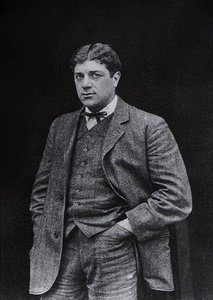
Georges Braque
1882 - 1963 , Fransa
Kısa Bilgiler
- Artistic Movement Or Style: Cubism
- Artists Who Influenced This Artist:
- Henri Matisse
- Paul Cézanne
- Date Of Birth: May 13, 1882
- Date Of Death: 1963
- Full Name: Georges Braque
- Nationality: French
- Notable Artworks:
- Houses at L'Estaque
- The Patience
- Place Of Birth: Argenteuil, France