Analytical Cubism · 1929
The Round Table (Georges Braque, 1929)
The Round Table, Georges Braque (1882–1963) tarafından yapıldı. 1929 yılına aittir. Analytical Cubism akımına aittir. Acrylic ile yapılmıştır. Boyutları 144 × 114 cm'dir.
- 1929
- Acrylic
- 144 × 114 cm

 Gerçek Boyutta Önizle

 El Yapımı Yağlı Boya Tablo
 Paylaş
 Paylaş
 Bilgi formu


 İndir
 Benzer ürünler
 X-Işını
 Slayt Gösterisi
 Soru & Cevap

 İstatistikler
The Round Table hakkında kısa bilgi
- Başlık
- The Round Table
- Sanatçı
- Georges Braque (1882–1963)
- Sanatçının doğum yeri
- Argenteuil, Fransa
- Tarih
- 1929
- Teknik
- Acrylic
- Boyutlar
- 144 × 114 cm
- Konu
- bookshelf composition, table setting, fruit symbolism, geometric forms, artist's gesture, spatial illusion
The Round Table neyi betimliyor?
Georges Braque’s “The Round Table”: A Dialogue Between Tradition and Innovation
- Subject Matter and Composition:
- Cubist Style and Technique:
- Historical Context – The Birth of Cubism:
- Symbolic Resonance – Apples, Books, and Spatial Illusion:
- Emotional Impact – Quiet Contemplation and Artistic Exploration
Cubist Style and Technique
Braque, alongside Pablo Picasso, spearheaded the development of Analytical Cubism, characterized by its radical fragmentation of form and simultaneous depiction of multiple viewpoints. Unlike Impressionists who sought to capture fleeting moments of light and color, Cubists aimed to represent objects as they appear to the eye when viewed from various angles simultaneously. In “The Round Table,” this is achieved through meticulous geometric reduction—the table surface and books are broken down into interlocking planes that overlap and intersect, creating a disconcerting yet captivating illusion of depth. The artist’s use of muted earthy tones – browns, ochres, and creams – reinforces the sense of stillness and contemplation inherent in the scene. Careful layering of paint contributes to textural richness without resorting to overtly expressive brushstrokes; Braque prioritizes precision and intellectual rigor over emotive gesture.Historical Context – The Birth of Cubism
The genesis of Cubism can be traced back to Picasso’s groundbreaking “Les Demoiselles d'Avignon” (1907), which shattered established artistic norms by depicting figures rendered in fractured planes and incorporating influences from African sculpture. Braque responded swiftly, furthering the exploration of spatial ambiguity and geometric abstraction. The painting emerged during a period of intense intellectual ferment—the burgeoning influence of Einstein’s theory of relativity challenged Newtonian conceptions of space and time, mirroring the Cubists' desire to dismantle traditional perspectival representations. This artistic rebellion was fueled by a broader cultural shift toward questioning accepted truths and embracing new modes of perception.Symbolic Resonance – Apples, Books, and Spatial Illusion
The inclusion of an apple—a motif frequently revisited in Surrealist art—introduces a subtle element of visual paradox. Traditionally associated with knowledge, temptation, and immortality, the apple’s placement on the table subtly disrupts the geometric order established by Braque's technique. Simultaneously, the books symbolize intellectual pursuit and contemplation – mirroring the figure’s posture and gaze. More importantly, the overall spatial arrangement contributes to a feeling of disorientation—the viewer is invited to consider multiple perspectives simultaneously, reflecting the Cubist preoccupation with challenging conventional visual experience. The careful positioning of objects reinforces the idea that reality itself is multifaceted and elusive.Emotional Impact – Quiet Contemplation and Artistic Exploration
Ultimately, “The Round Table” transcends mere formal innovation; it communicates a profound sense of quiet contemplation. Despite its complex geometric structure, the painting exudes an atmosphere of stillness—suggesting a moment of introspection rather than dramatic action. Braque’s masterful control over color and texture invites viewers to engage in a dialogue with the artwork itself, prompting reflection on themes of knowledge, perception, and artistic endeavor. It stands as a testament to Braque's ability to distill complex ideas into a deceptively simple visual form—a lasting legacy of Cubist artistry that continues to inspire admiration and contemplation today.The Round Table için yüksek çözünürlüklü görseller
Protected by copyright: these files are for personal reference, not a licence to republish.
Georges Braque, The Round Table (1929).
The Round Table hakkında sorular ve cevaplar
Georges Braque imzalı "The Round Table" hangi yılda üretildi?
"The Round Table", 1929 yılına tarihlenmektedir. Bu tarih, eseri Georges Braque kariyerinin ve dönemin içerisine yerleştirmektedir.
Georges Braque imzalı "The Round Table" hangi teknikle icra edilmiştir?
"The Round Table", Acrylic kullanılarak icra edilmiştir.
Orijinal Georges Braque imzalı "The Round Table" eserinin boyutları nedir?
Georges Braque imzalı "The Round Table" eserinin kayıtlı boyutları 144 x 114 cm şeklindedir. Reproduksiyonlar, aynı oranlar korunarak diğer boyutlarda sipariş edilebilir.
"The Round Table" neyi betimliyor?
Georges Braque imzalı "The Round Table" eserinde yer alan temalar bookshelf composition, table setting, fruit symbolism, geometric forms, artist's gesture, spatial illusion, color palette unsurlarını içermektedir. Bunlar birlikte, eserin konu içeriğini özetlemektedir.
Georges Braque imzalı "The Round Table" kamu malı mı?
Georges Braque imzalı "The Round Table", telif hakları ile korunmaya devam etmektedir statüsündedir. Bu durum, eserin görüntüsünün nasıl çoğaltılabileceğini belirler.
"The Round Table" adlı eser hangi sanatçıya atfediliyor?
"The Round Table", Georges Braque tarafından yaratılmıştır. Bu sayfadaki bilgiler Georges Braque imzalı orijinal esere aittir.
"The Round Table" hangi sanat akımına aittir?
Georges Braque imzalı "The Round Table" adlı eserin dahil olduğu akım Analytical Cubism akımıdır. Bu sınıflandırma, çalışmayı ilgili sanatçılar ve sanat eserleri arasında konumlandırır.
"The Round Table" adlı eser, Georges Braque kariyerinin hangi dönemine ait?
Georges Braque'in kariyerinde "The Round Table", Analytical Cubism dönemine denk gelmektedir. Bu evre, eserin sanatçının diğer çalışmalarıyla kıyaslanmasına olanak tanır.
Georges Braque, "The Round Table" eserini kaç yaşında yaptı?
Georges Braque, "The Round Table" adlı eserini 47 yaşındayken yaptı. Sanatçı 1882 yılında doğmuştur ve eser 1929 tarihine aittir.
Sanatçı hakkında, Georges Braque
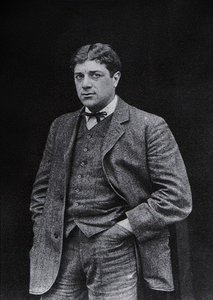
1882–1963, Fransa
Georges Braque
Erken Yaşam, Aile ve Eğitim Georges Braque, 1882 yılında Fransa'nın Argenteuil kentinde dünyaya geldi. İlk yılları, Fransa'nın Le Havre kentinde, dekorasyonun ve rengin pratik gerçekleriyle şekillenen bir ev ortamında geçti. Ev boyacıları ve dekoratörlerden oluşan bir ailenin çocuğu olarak büyümesi, çok küçük yaşlardan itibaren zanaatının dokunsal gerçeklerine dahil olmasını sağladı. Bu yetiştirilme tarzı, daha sonra tuval üzerindeki yaklaşımını besleyecek olan teknik bir ustalık temeli sundu.
Georges Braque Hakkında Georges Braque tarafından yapılmış öne çıkan eserler
Georges Braque tarafından yapılan diğer eserler
 Mandola1910
 Georges Braque
, 1882'de Argenteuil, Fransa'da doğdu ve modern sanatın gelişen manzarasıyla derinden iç içe olan bir yola koyuldu. Ailece ev boyacıları ve dekoratörler olarak yetiştirilmesi ona sadece malzemelerin teknik hakimiyetini değil,1914
 L'Estaque'daki Evler
 Normandiya Limanı1909
The Round Table üzerine denemeler
 Mastering Cubism: The Top 25 Georges Braque ArtworksJourney through the revolutionary world of Georges Braque. Explore 25 iconic Cubist masterpieces, from geometric abstractions to timeless s…
 Deconstructing Reality: Cubism's Revolutionary Impact on 20th-Century ArtExplore the revolutionary world of Cubism with OriginalUniqueArt. Discover Picasso & Braque's groundbreaking techniques, its philosophical …
 Understanding the Difference Between Analytical and Synthetic CubismMaster the differences between Analytical and Synthetic Cubism with our expert guide. Learn to identify these iconic art movements now.