

 Önizle
 Gönder
 Paylaş
 Detaylar
 Rehber

 Dosyayı İndir
 Benzerleri
 X-Işını
 Slayt Gösterisi
 İstatistikler
Normandiya Limanı
 Tuval Üzerine Yağlı Boya
- Duvar Sanatı
- Analytical Cubism
 1909
1909- Modern
 80.0 x 80.0 cm
 Devamını Oku
Çevrimiçi önizlemeden çok daha yüksek kalitede, iyileştirilmiş ve yüksek çözünürlüklü bir dijital görüntü satın alın.
Her dosya, uzman ekibimiz tarafından gelişmiş araçlar ve titiz manuel rötuş teknikleri kullanılarak özenle hazırlanır. Her görüntünün olağanüstü netliğe, kusursuz renk doğruluğuna ve ince ayrıntılara sahip olduğundan emin oluruz.
Son dosya; profesyonel, editoryal ve baskı süreçlerinde anında kullanıma uygun şekilde optimize edilerek 72 saat içinde e-posta yoluyla teslim edilir. Bu, seçkin tasarım stüdyoları, yayıncılar ve galerilerin güvendiği aynı kalite standartlarındadır.
Dijital Görsel
Kişisel kullanım, baskı ve yaratıcı projeleriniz için yüksek çözünürlüklü bir dosya indirin. ( Baskı Satışına Geç El Yapımı Tablo Satın Al)
Her Dijital Görüntü Siparişine Dahil Olanlar
Profesyonel Dijital Teslimat Garantisi
OriginalUniqueArt.com seçtiğinizde, sadece bir görsel edinmekle kalmaz; titizlikle hazırlanmış, profesyonelce iyileştirilmiş dijital bir sanat eserine sahip olur ve memnuniyet garantisiyle güvence altına alınırsınız. Siparişinizle birlikte otomatik olarak sunulan her şey şunlardır:

Hızlı E-posta ile Teslimat
Yüksek çözünürlüklü dijital görüntü dosyanız, siparişinizin ardından en geç 72 saat içinde e-posta ile size gönderilecek ve hemen kullanıma hazır olacaktır.

Yapay Zeka Destekli Dijital Dosya
Sanat eseriniz; maksimum detay, netlik ve renk doğruluğu sağlamak amacıyla gelişmiş yapay zeka araçları ve manuel düzenleme kullanılarak profesyonelce optimize edilmektedir.

Ömür Boyu Ücretsiz Yeniden Gönderim
Dosyanızı yanlışlıkla mı sildiniz yoksa kayıp mı oldu? Endişelenmeyin; dosyanızı dilediğiniz zaman size ücretsiz olarak tekrar göndereceğiz.

Asla İthalat Ücreti Ödemeyin
Sanat eserinizin tadını gümrük vergisi, harç veya teslimat ücreti ödemeden anında çıkarın; dijital indirmeler her zaman vergiden muaftır.

Renk Doğruluğu Garantisi
Profesyonel araçlar ve renk yönetimi kullanarak dijital görselinizin orijinal renklere mümkün olduğunca yakın yansıtılmasını sağlıyoruz.

100 Günlük Memnuniyet Garantisi
If you're not satisfied with your digital image, we'll revise it or refund 100% within 100 days - no questions asked.

100% Para İadesi Garantisi
Memnun kalmadınız mı? Dijital dosyanızı teslim aldıktan sonraki 100 gün içinde, hiçbir soru sorulmaksızın tam para iadesi alabilirsiniz.

Toplu Sipariş İndirimleri
Buy 3 images, save 10% - Buy 5, save 15% - Buy 10+, save 20%. Great for creative projects, galleries, and agencies.
Kübik İnovasyonun Bir Başyapıtı
Georges Braque'ın "Normandiya Limanı" (1909) adlı eseri, sanatçının form ve perspektife yönelik çığır açan yaklaşımını sergileyen, Erken Kübizm'in büyüleyici bir örneğidir. Bu canlı sanat eseri, parçalanmış formlar ve cesur çizgiler aracılığıyla hareketli bir liman manzarasının özünü yakalarken, izleyicileri geleneğin yenilikle buluştuğu bir dünyaya davet eder.Dinamik Kompozisyon ve Canlı Renkler
Kompozisyon, derinlik ve karmaşıklık yaratan, üst üste binen geometrik formların bir senfonisi niteliğindedir. Açılı bir hassasiyetle tasvir edilen yelkenliler rüzgarda dans ediyor gibi görünürken; kuleler veya deniz fenerleri gibi mimari unsurlar sahneyi kıyısal bir atmosfere sabitler. Sarı, turuncu, kahverengi ve bej tonlarının hakim olduğu sıcak renk paleti, bir Normandiya gün batımının altın rengi tonlarını çağrıştırarak esere bir sıcaklık ve canlılık duygusu katar.Teknik ve Üslup
Braque'ın tekniği, fırça darbeleri ile spatuladan gelen uygulamanın ustaca bir karışımıdır; bu da hem pürüzsüz hem de dokulu yüzeylerin oluşmasını sağlar. Cesur ve dışavurumcu çizgiler, izleyicinin gözünü kompozisyon boyunca yönlendirerek sanat eserinin dinamik enerjisini artıran ritmik bir akış yaratır. Bu parça, Braque'ın geometrik soyutlamaya ve çoklu perspektiflere yaptığı vurguyla karakterize edilen, Fovizm'den Kübizm'e geçişini simgeleyen mükemmel bir örnektir.Tarihsel Bağlam
1909 yılında yaratılan "Normandiya Limanı", 20. yüzyıl başı Paris'inin sanatsal hareketliliğini yansıtır. Bu dönemde Braque, Pablo Picasso ile birlikte, geleneksel temsilden kopmayı amaçlayan bir akım olan Kübizm'in öncülüğünü yapıyordu. Braque'ın eserlerini sergilediği Société des Artış Indépendants, avangart sanatın tanıtılmasında çok önemli bir rol oynamıştır. Bu sanat eseri, Braque'ın yenilikçi ruhunun ve modern sanatın evrimine olan katkısının bir kanıtıdır.Sembolizm ve Duygusal Etki
Parçalanmış formlar ve dinamik kompozisyon, deniz kıyısındaki yaşamın akışkanlığını ve öngörülemezliğini simgeler. Işık ve gölgenin etkileşimi, sıcak renk paletiyle birleşerek deniz yaşamının özünü yakalayan bir hareket ve enerji duygusu uyandırır. Bu eser, izleyicileri kıyı manzaralarının doğasında var olan özgürlüğü ve macerayı deneyimlemeye davet ederek, herhangi bir sanat koleksiyonuna güçlü bir katkı sağlar.Neden Bu Reproduksiyonu Seçmelisiniz?
Tarihsel önemi estetik ihtişamla birleştiren bir parça arayan sanatseverler, koleksiyonerler ve iç mimarlar için "Normandiya Limanı" mükemmel bir seçimdir. Canlı renkleri ve dinamik kompozisyonu, modern evlerden klasik iç mekanlara kadar her türlü ortamda çarpıcı bir odak noktası oluşturur. Bu başyapıtın yüksek kaliteli bir reprodüksiyonu, Kübizm'in ruhunu mekanınıza taşıyarak derinlik, karakter ve denizsel bir cazibe katar.Mekanınızı Sanatla Yüceltin
Georges Braque'ın "Normandiya Limanı"nın zamansız güzelliğini evinize veya ofisinize taşıyın. Bu sanat eseri sadece bir reprodüksiyon değil; sanatsal inovasyonun ve kıyı manzaralarının kalıcı cazibesinin bir kutlamasıdır. İster bir sanat meraklısı ister mükemmel bir imza parçası arayan bir iç mimar olun, bu Kübik başyapıt ilham vermeyi ve büyülemeyi vaat ediyor.Georges Braque'tan Daha Fazlasını Keşfedin
Georges Braque'ın eser yelpazesinin tamamını OriginalUniqueArt.com'da keşfedin. Erken dönem Fovist çalışmalarından ikonik Kübik kompozisyonlarına kadar, Braque'ın sanatı büyülemeye ve ilham vermeye devam ediyor. Koleksiyonumuzu inceleyin ve mekanınızı güzelleştirecek mükemmel sanat eserini bulun.Sanat Tarihinden Bir Parçayı Eve Getirin
Georges Braque'ın "Normandiya Limanı" ile Kübizmin büyüsünü deneyimleyin. Yüksek kaliteli reprodüksiyonunuzu bugün sipariş edin ve bu zamansız sanat eserinin mekanınızı dönüştürmesine izin verin.Soru ve Cevaplar
"Normandiya Limanı" eserini kim yarattı?
"Normandiya Limanı", Georges Braque tarafından yaratılmıştır. Bu sayfadaki bilgiler Georges Braque imzalı orijinal esere aittir.
Georges Braque imzalı "Normandiya Limanı" eserinin boyutları ve oranları nasıldır?
Georges Braque imzalı "Normandiya Limanı", orijinalinde 80 x 80 cm ölçülerinde bir Kare kompozisyondur.
Georges Braque imzalı "Normandiya Limanı" eserinin duygusu nasıl tanımlanıyor?
Georges Braque imzalı "Normandiya Limanı", ruh hali açısından Huzurlu olarak tanımlanmaktadır. Bu sınıflandırma, eserin bir mekana uyum sağlamasına yardımcı olabilir.
Sanatçı Biyografisi
Erken Yaşam ve Sanatsal Temeller
1882 yılında Fransa'nın Argenteuil kentinde dünyaya gelen Georges Braque, modern sanatın evrimleşen manzarasıyla derinden iç içe geçmiş bir yolculuğa adım attı. Bir boyacı ve dekoratör ailesinin içinde büyümesi, ona sadece malzemelere karşı teknik bir ustalık değil, aynı zamanda form ve yapıya yönelik erken bir takdir duygusu kazandırdı. Başlangıçta babasının mesleğini takip etse de, Braque'ın doğuştan gelen sanatsal eğilimleri onu kısa sürede Le Havre'daki École des Beaux-Arts'ta resmi eğitime yöneltti; bu durum, 20. yüzyılın en etkili ressamlarından biri olma yolundaki serüveninin başlangıcıydı. Pratik zanaatkarlık ile akademik çalışmanın birleşimi olan bu temel, daha sonra geleneksel sanatsal kuralları parçalarına ayırıp yeniden kurgularken hayati bir rol oynayacaktı.
1902 yılında Paris'e taşınan Braque, çalışmalarını Académie Humbert'te sürdürerek şehrin canlı sanatsal atmosferine kendini kaptırdı. Marie Laurencin ve Francis Picabia gibi sanatçılarla burada tanışması, erken dönem gelişimini şekillendirecek bağlar kurmasını sağladı. İlk eserleri İzlenimcilik ve Ard İzlenimciliğin hakim etkilerini yansıtıyordu; ancak 1905 yılında Fauvizm'in cesur renkleri ve dışavurumcu özgürlüğüyle yaşadığı dönüm noktası niteliğindeki karşılaşma, sanatsal arayışlarında yeni bir yönün fitilini ateşledi.
Fauvizmin Kucaklanışı ve Kübizmin Şafağı
Braque'ın yoğun, doğal olmayan renkler ve duygusal dışavurumla karakterize edilen Fauvist ilkeleri benimsemesi, The Patience gibi tablolarında canlı bir şekilde örneklendirilmektedir. Bu dönemde Henri Matisse ve André Derain gibi sanatçılarla birlikte çalışarak canlı paletler ve basitleştirilmiş formlar üzerinde deneyler yaptı. Ancak Braque'ın Fauvizm ile olan bağı yalnızca taklitçi değildi; bu akımı kendine özgü bir duyarlılıkla harmanlayarak, hareketin dizginlenemeyen coşkusunu daha ölçülü ve analitik bir yaklaşımla dengeledi.
1907 yılında Paul Cézanne'ın retrospektif sergisiyle karşılaşmasıyla büyük bir dönüm noktasına ulaştı. Cézanne'ın geometrik formlara ve çoklu perspektiflere verdiği önem Braque'ı derinden etkileyerek, Pablo Picasso ile gerçekleştireceği çığır açıcı işbirliğinin zeminini hazırladı. 1908'den itibaren bu iki sanat devi, temsilin geleneksel kavramlarını yerle bir eden devrimci bir akım olan Kübizm'i doğuracak yoğun bir entelektüel alışveriş dönemine girdiler.
Braque ve Picasso birlikte, nesneleri parçalanmış geometrik şekillere ayırarak birden fazla bakış açısını eş zamanlı olarak sunan Analitik Kübizm'i geliştirdiler. Houses at L'Estaque gibi eserler bu erken evreyi gözler önüne sererek, geleneksel perspektiften radikal bir kopuşu ve formların temel yapısına odaklanışı sergiler. Bir nesnenin yalnızca görünümünü değil, varlığının bütünlüğünü temsil etmeye çalışırken, paletleri kasıtlı olarak matlaştı ve renk yerine formu ön plana çıkardı.
Parçalanma ve Kolaj Yoluyla Yenilik
Braque ve Picasso arasındaki ortaklık, sanatsal ifadenin sınırlarını zorlamaya devam ederek 1912 civarında Sentetik Kübizm'in gelişimine yol açtı. Bu aşama, kolaj tekniğinin —gazete kupürleri, duvar kağıdı ve kumaş gibi gerçek dünya malzemelerinin resme dahil edilmesinin— tanıtıldığı dönemdir. Bu yenilik, resim ve heykel arasındaki geleneksel hiyerarşiye meydan okuyarak sanat ile yaşam arasındaki çizgileri bulanıklaştırdı.
Braque'ın öncü *papier collé* (yapıştırılmış kağıt) kullanımı, sanatsal evriminde önemli bir dönüm noktası oldu. Günlük nesnelerin parçalarını kompozisyonlarına entegre ederek, geleneksel resmin illüzyonist uzayını bozdu ve yeni bir maddesellik ve doku seviyesi getirdi. Bu teknik sadece sanatın biçimsel olanaklarını genişletmekle kalmadı, aynı zamanda temsil ile gerçeklik arasındaki ilişkiye duyulan artan ilgiyi de yansıttı.
1914'te Birinci Dünya Savaşı'nın patlak vermesi, Braque'ın askeri hizmete çağrılmasıyla bu yoğun işbirliğine bir ara verilmesine neden oldu. Savaş dönemi deneyimleri sanatsal vizyonunu derinden etkiledi ve savaş sonrası çalışmalarında daha kişisel ve lirik temaları keşfetmesine yol açtı.
Son Yıllar ve Kalıcı Miras
Savaşı takiben Braque'ın stili, Kübizm'in katı sınırlarının ötesine evrilerek klasik kompozisyon öğelerini ve natürmort sanatına yönelik yenilenmiş bir ilgiyi bünyesinde barındırmaya başladı. Erken dönem çalışmalarını tanımlayan geometrik etkileri korurken, resme karşı daha nüanslı ve düşünceli bir yaklaşım geliştirdi. Geç dönem manzaraları ve iç mekan tasvirleri, huzurlu atmosferleri ve renklerin ince uyumlarıyla karakterize edilir.
Kariyeri boyunca Braque; form, uzay ve temsilin temel ilkelerini keşfetmeye olan bağlılığını sürdürdü. 1963 yılındaki ölümüne kadar farklı malzeme ve tekniklerle deneyler yapmaya devam ederek sanatsal ifadenin sınırlarını zorladı. Sonraki sanatçı nesilleri üzerindeki etkisi ölçülemez düzeydedir; modern sanatın gidişatını şekillendirmiş, sayısız ressam, heykeltıraş ve kolaj sanatçısına ilham vermiştir.
Georges Braque'ın mirası bireysel eserlerinin ötesine uzanır; çevremizdeki dünyayı nasıl algıladığımızı ve temsil ettiğimizi temelden değiştirmiştir. Picasso ile olan işbirliği ruhu, kendi eşsiz sanatsal vizyonuyla birleşerek onun modern sanatın gerçek bir öncüsü olarak yerini sağlamlaştırdı; o, geleneklere meydan okumaya cüret eden ve resmin olanaklarını yeniden tanımlayan bir ustaydı.
Etkilendiği Sanatçılar ve Önemli Eserleri
- Etkilendiği Sanatçılar: Henri Matisse, André Derain, Paul Cézanne
- Başlıca Eserleri: Houses at L'Estaque, The Patience, Violin and Palette, Mandola
- Sanat Tarihindeki Etkisi: Kübizm aracılığıyla 20. yüzyıl sanatında devrim yarattı; perspektif ve temsilin geleneksel kavramlarına meydan okudu.
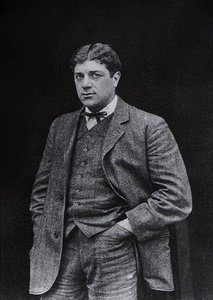
Georges Braque
1882 - 1963 , Fransa
Kısa Bilgiler
- Artistic Movement Or Style: Cubism
- Artists Who Influenced This Artist:
- Henri Matisse
- Paul Cézanne
- Date Of Birth: May 13, 1882
- Date Of Death: 1963
- Full Name: Georges Braque
- Nationality: French
- Notable Artworks:
- Houses at L'Estaque
- The Patience
- Place Of Birth: Argenteuil, France