

 Önizleme yap
 Paylaş
 Paylaş
 Detayları Gör

 İndir
İndir
 Benzerlerini gör
 X-Işını
 Slayt Gösterisi
William Metcalfe
 Contemporary Realism
 1821
1821 127.0 x 102.0 cm
 Tümünü Gör
El Yapımı Yağlı Boya Reproduksiyon
Sanatçılarımız tarafından sipariş üzerine hazırlanan; istediğiniz boyut ve çerçevede, tuval üzerine el boyaması yağlı boya. ( Baskıya Geç Görsele Geç)




































Eserin orijinal oranlarıyla uyumlu, önceden belirlenmiş boyutlarımız arasından seçim yapın.

Belirli bir çerçeveye veya alana uyması için kendi boyutlarınızı girebilirsiniz. Seçtiğiniz boyut orijinal görüntünün oranlarıyla eşleşmiyorsa, sanat eserini kırparak veya ek el boyaması öğelerle resmi uzatarak ayarlayacağız. Üretim başlamadan önce onayınız için dijital bir taslak gönderilecektir.
Lütfen ekrandaki önizlemenin gerçek kırpmayı veya uzatmayı yansıtmadığını unutmayın. Nihai kompozisyonu yalnızca hazırlanan taslak doğru şekilde gösterecektir.
Özel boyutlar mevcut olsa da, orijinal oranları korumak adına önceden tanımlanmış listeden bir boyut seçmenizi öneririz.
Siparişten sonra, OriginalUniqueArt.com ekibi talimatlar için müşteriye e-posta gönderecek ve bir taslak önizleme sunacaktır
Dünya Çapında Teslimat (); standart 5 hafta yerine 3/4 haftada. (10 Ağustos). Kaliteden ödün verilmez.

Dünya Çapında Ücretsiz Ekspres Kargo

Yüksek Kaliteli Keten Tuval

Tam Kapsamlı Nakliye Sigortası

Gümrük Vergisi İade Garantisi

Gerçek Renk Uyumu Garantisi

60 Günlük İade Politikası (Sadece Kusurlu Ürünler İçin)

%100 Para İade Garantisi

Toplu Alım İndirimi
 Cam seçeneği yalnızca 110 cm altındaki boyutlar için mevcuttur.

William Metcalfe
Reproduksiyon Tekniği
Reproduksiyon Boyutu
-


Toplam Tutar
$ 300
Sanatçı Özgeçmişi
George Watson (1767 – 1837): A Pioneer of Scottish Portraiture
George Watson was a pivotal figure in the artistic landscape of Scotland during the late Georgian and early Victorian eras, establishing himself as one of the foremost portrait painters of his time. Born in Edinburgh around 1767, he possessed an innate talent for capturing likenesses with remarkable accuracy and subtlety—a skill that quickly garnered him recognition within the burgeoning Scottish art scene. His career spanned over seven decades, during which he produced a prolific body of work characterized by its refined style and meticulous attention to detail.Early Life and Artistic Training
Watson’s formative years were marked by exposure to influential artistic currents circulating in Edinburgh. He apprenticed under John Ramsay, a celebrated Scottish landscape painter who instilled in Watson a deep appreciation for tonal harmony and atmospheric perspective—techniques that would become hallmarks of his distinctive approach to portraiture. Ramsay's guidance fostered Watson’s understanding of how to convey emotion through color and form, shaping him into an artist deeply attuned to the psychological complexities inherent in human subjects. Furthermore, Watson studied briefly at the Royal Academy in London, broadening his artistic horizons and exposing him to European stylistic innovations prevalent during that period.Watson's Artistic Style and Technique
Watson’s artistic style distinguished itself from its contemporaries through a commitment to tonal gradation—a technique whereby he skillfully blended shades of color to create illusions of depth and volume within his canvases. Unlike many artists who favored brighter palettes, Watson prioritized muted hues, favoring browns, greys, and ochres to achieve an understated elegance that perfectly complemented the solemn dignity of his subjects. He meticulously rendered textures with painstaking precision, utilizing glazing techniques—applying thin layers of translucent paint over subsequent coats—to build up surfaces with remarkable realism. This meticulous approach demanded considerable patience and skill, resulting in portraits imbued with a palpable sense of presence and psychological insight.Notable Commissions and Artistic Achievements
Watson’s reputation grew steadily throughout his lifetime thanks to numerous prestigious commissions from aristocratic families and prominent figures across Scotland. He painted portraits of members of the Scottish aristocracy—including Earl Grey, Lord Melville, and Sir William Wallace—capturing their likenesses with unwavering fidelity while simultaneously conveying their character and bearing. His work extended beyond portraiture into genre scenes depicting domestic interiors and landscapes, demonstrating his versatility as an artist. Among his most celebrated achievements was his depiction of Elizabeth Oliver, the wife of John Singleton Copley—a painting that exemplifies Watson’s mastery of tonal harmony and psychological observation. This masterpiece remains a testament to his artistic vision and enduring legacy.Legacy and Historical Significance
George Watson's influence on Scottish art history is undeniable. He championed a style rooted in observation and restraint, establishing himself as a pioneer of Scottish portraiture—a genre that would flourish throughout the Victorian era. His meticulous technique and unwavering dedication to capturing human emotion solidified his place among Scotland’s artistic luminaries. Watson’s paintings continue to be admired for their beauty and psychological depth, serving as invaluable records of the social and cultural milieu of his time. He is remembered not merely as a skilled painter but as an artist who profoundly shaped the aesthetic sensibilities of his era—a legacy that persists to this day.
george watson
1767 - 1837
Kısa Bilgiler
- Artistic Movement Or Style: Neoclassical
- Artists Who Influenced This Artist:
- Joshua Reynolds
- Benjamin West
- Date Of Birth: 1767
- Date Of Death: 1837
- Full Name: George Watson
- Nationality: Scottish
- Notable Artworks:
- The Duchess of Sutherland
- Portrait of William Lyon Mackenzie
- Place Of Birth: Edinburgh, Scotland
İlgili Makaleler
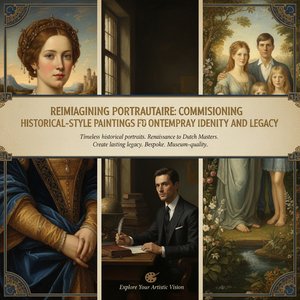
Reimagining Portraiture: Commissioning Historical-Style Paintings for Contemporary Identity and Legacy
Commission a timeless historical-style portrait from skilled artists. Explore Renaissance to Dutch Masters techniques & create a lasting legacy. Expert guidance, bespoke designs & museum-quality results. Discover your artistic vision today!
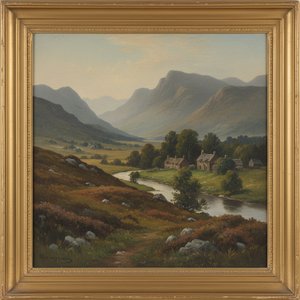
Sir John Watson Gordon: A Study in Scottish Landscape Painting & Tonal Impressionism
Explore the captivating portraits of Sir John Watson Gordon, a leading Scottish master. Discover his evolution from neoclassical style to atmospheric Tonalism and influence on 19th-century British art. Learn about his iconic sitters & legacy.
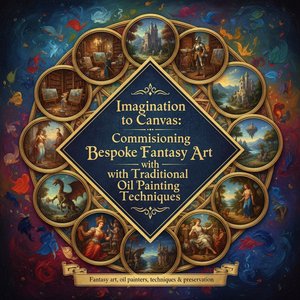
From Imagination to Canvas: Commissioning Bespoke Fantasy Art with Traditional Oil Painting Techniques
Commission breathtaking bespoke fantasy art with skilled oil painters. Explore techniques, artist selection & preservation tips. Invest in a unique masterpiece today!
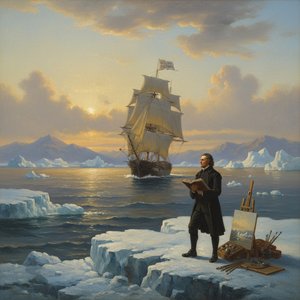
William Bradford: Navigating Faith, Landscape & Artistic Innovation in Early American Painting
Explore the captivating world of William Bradford, American Romanticist painter renowned for his dramatic Arctic seascapes & ship portraits. Discover his artistic evolution, influences, and lasting legacy with OriginalUniqueArt.
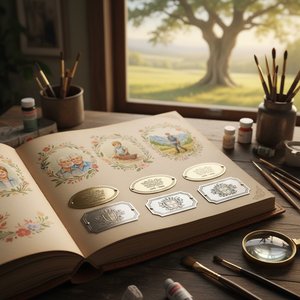
Anılarınızı Ölümsüzleştirin: İsim Plakası ile Kişiselleştirilmiş Sanat Eserlerinin Kalıcı Değeri
OriginalUniqueArt ile anılarınızı ölümsüzleştirin! El yapımı yağlı boya tablolar, kişiye özel portreler ve uzman sanat danışmanlığı. Evinizi zenginleştirin, kalıcı bir miras yaratın.

