

 Önizle
 Gönder
 Paylaş
 Detaylar
 Rehber

 Dosyayı İndir
 Benzerleri
 X-Işını
 Slayt Gösterisi
 İstatistikler
The Fall of Phaëton
 Oil On Canvas
- WallArt
- Romanticism
 1777
1777 97.0 x 122.0 cm
 National Trust
 Devamını Oku
Giclée / Sanat Baskısı
Hızlı üretim ve esnek bitiş seçenekleriyle müze kalitesinde giclée veya kanvas baskı. ( El Yapımı Tablo Satın Al Dijital Görsel Satışına Geç)




P118B ₺10

P118H ₺10

P118W ₺10

P438Z ₺10

P508JH ₺12

P508YH ₺12

P805H ₺10

P805Z ₺10

P919BZ ₺10

P919G ₺10

P919XJ ₺10

P959ZH ₺10

P968JZ ₺12

W106C ₺8

W218G ₺10

W218JH ₺8

W218Y ₺10

W307PJ ₺10

W316G ₺10

W316PJ ₺8

W316Y ₺10

W398PJ ₺8

W4111J ₺10

W500HY ₺15

W500JH ₺15

W692G ₺12

W849H ₺8

W940BG ₺15

W953PJ ₺8




Eserin orijinal oranlarıyla uyumlu, önceden belirlenmiş boyutlarımız arasından seçim yapın.

Belirli bir çerçeveye veya alana uyması için kendi ölçülerinizi girebilirsiniz. Seçtiğiniz boyut orijinal görüntünün oranlarıyla eşleşmiyorsa, sanat eserini kırpacağız veya görüntüyü aynalanmış ya da düz dolgulu bir kenarlıkla genişleteceğiz. Üretim başlamadan önce onayınız için bir dijital taslak gönderilecektir.
Lütfen ekrandaki önizlemenin gerçek kırpma veya genişletmeyi yansıtmadığını unutmayın. Nihai kompozisyonu yalnızca taslak doğru bir şekilde gösterecektir.
Özel boyutlar mevcut olsa da, orijinal oranları korumak için önceden tanımlanmış listeden bir boyut seçmenizi öneririz.
Dünya Çapında Teslimat (); standart 4/5 hafta yerine 2 haftada. (8 Ekim)

Dünya Çapında Ücretsiz Ekspres Kargo

Yüksek Kaliteli Keten Tuval

Tam Nakliye Sigortası

Gümrük Vergisi İadesi Garantisi

Gerçek Renk Uyumu Garantisi

100 Günlük İade Koşulları (Sadece Üretim Hatalı Ürünler İçin)

%100 Para İade Garantisi

Toplu Alım Avantajı
 Cam seçeneği yalnızca 110 cm altındaki boyutlar için mevcuttur.

The Fall of Phaëton
Giclée / Sanat Baskısı
Baskı Boyutu
-


Toplam Fiyat
₺ 3881
A Collision of Myth and Mastery: Unveiling George Stubbs’s ‘The Fall of Phaëton’
George Stubbs's “The Fall of Phaëton,” painted in 1777, isn’t merely a depiction of a Greek myth; it’s a visceral experience. This monumental canvas, now residing within the National Trust at Saltram, transcends its narrative origins to become a profound meditation on power, destruction, and the sublime beauty of chaos. Stubbs, a revolutionary figure in 18th-century art, deliberately eschewed the idealized forms favored by his contemporaries, instead opting for an anatomical realism that bordered on the unsettling, particularly when applied to subjects as grand and terrifying as the sun god’s son attempting to wrest control from his father.
The scene unfolds with breathtaking dynamism. Phaeton, a young man consumed by ambition and perhaps hubris, is shown at the apex of his disastrous journey – driving the chariot of the sun across the heavens. His face, contorted in panic and exertion, reflects the impending doom that threatens to engulf him and all beneath. The horses themselves are rendered with astonishing detail, their muscular forms straining against the reins, each a testament to Stubbs’s meticulous study of equine anatomy. The composition is dominated by diagonals – the sweeping arc of the chariot, the downward plunge of the thunderbolts, and the frantic movement of the steeds – creating a sense of relentless forward momentum that pulls the viewer directly into the heart of the drama.
Anatomy as Revelation: Stubbs’s Scientific Approach
Stubbs's commitment to anatomical accuracy was legendary. His fascination with the inner workings of animals, fueled by his time dissecting horses at York County Hospital, informed every brushstroke. “The Fall of Phaëton” is a prime example of this approach; Stubbs didn’t simply paint a horse; he painted its very essence – the sinews beneath the skin, the skeletal structure supporting the musculature, and the intricate network of veins pulsing with life. This dedication to realism was considered radical at the time, challenging the prevailing artistic conventions that prioritized idealized beauty over scientific observation.
The painting’s color palette further enhances its dramatic effect. Stark contrasts between light and shadow – a consequence of Stubbs's masterful use of chiaroscuro – heighten the sense of urgency and impending disaster. The fiery hues of the sun chariot are juxtaposed against the deepening blues and purples of the approaching night, symbolizing the irreversible shift from day to darkness. The subtle gradations of color within each figure’s form contribute to a remarkable sense of volume and depth, drawing the viewer into the scene with an almost unsettling immediacy.
Mythic Symbolism and Emotional Resonance
Beyond its technical brilliance, “The Fall of Phaëton” is rich in symbolic meaning. The myth itself speaks to themes of unchecked ambition, divine retribution, and the consequences of defying fate. Phaeton’s downfall serves as a cautionary tale against hubris and a reminder that even those blessed with extraordinary power are ultimately subject to mortality. The figures surrounding the event – the Heliades, transformed into poplar trees in mourning for their brother, and Cycnus, hiding his face in despair – amplify this sense of loss and tragedy.
However, the painting transcends mere allegory. It evokes a profound emotional response—a mixture of awe, terror, and pity. The sheer scale of the scene, combined with Stubbs’s dramatic composition and masterful use of color, creates an overwhelming sensory experience that leaves the viewer breathless. “The Fall of Phaëton” is not simply a depiction of a myth; it's a powerful meditation on human nature, the forces of destruction, and the enduring beauty of tragedy—a timeless masterpiece that continues to captivate audiences centuries after its creation.
A Legacy Enduring: Reproductions and Artistic Inspiration
Reproductions of “The Fall of Phaëton” offer a remarkable opportunity to experience Stubbs’s artistic vision firsthand. Whether displayed in a grand salon or a more intimate setting, this painting commands attention with its dramatic intensity and technical brilliance. Collectors appreciate the work's historical significance, scientific rigor, and enduring aesthetic appeal. Interior designers often incorporate reproductions into spaces seeking to evoke a sense of grandeur, drama, and intellectual curiosity – a testament to Stubbs’s lasting influence on art history.
Soru ve Cevaplar
George Stubbs imzalı "The Fall of Phaëton" hangi oda için öneriliyor?
"The Fall of Phaëton" reprodüksiyonu bir Living Room için oldukça uygundur.
"The Fall of Phaëton" eserini kaç kişi görüntülüyor?
George Stubbs imzalı "The Fall of Phaëton" eserinin İstatistikler sayfası; bu eserin aylık ziyaret sayılarını, sanatçının en çok görüntülenen eserleriyle karşılaştırmasını ve ziyaretçilerin hangi bölgelerden geldiğini içeren halka açık ziyaret istatistiklerini sunar.
George Stubbs, 1777 yılında "The Fall of Phaëton" eserini oluşturduğunda kaç yaşındaydı?
"The Fall of Phaëton" adlı eser 1777 yılında yaratıldığında, 1724 yılında doğan George Stubbs, 53 yaşındaydı.
George Stubbs imzalı "The Fall of Phaëton" eserinin kompozisyonuna hangi renk yön veriyor?
Driftwood (#a88e6b), George Stubbs imzalı "The Fall of Phaëton" eserinin baskın rengidir.
"The Fall of Phaëton" eserinin arkasındaki sanatçı kim?
"The Fall of Phaëton", George Stubbs tarafından yaratılmıştır. Bu sayfadaki bilgiler George Stubbs imzalı orijinal esere aittir.
George Stubbs imzalı "The Fall of Phaëton" hangi yılda yapıldı?
"The Fall of Phaëton", 1777 yılına tarihlenmektedir. Bu tarih, eseri George Stubbs kariyerinin ve dönemin içerisine yerleştirmektedir.
Orijinal George Stubbs imzalı "The Fall of Phaëton" eserinin boyutları nedir?
George Stubbs imzalı "The Fall of Phaëton" eserinin kayıtlı boyutları 97 x 122 cm şeklindedir. Reproduksiyonlar, aynı oranlar korunarak diğer boyutlarda sipariş edilebilir.
Sanatçı Biyografisi
Erken Yaşamı ve Eğitim Dönemi
George Stubbs, İngiltere’nin Liverpool şehrinde 25 Ağustos 1724 tarihinde dünyaya geldi. Çocukluğu hakkında pek fazla bilgi bulunmamakla birlikte, hayatının ilk otuz beş yılına dair kayıtlar oldukça sınırlıdır; bu döneme ait bilgiler çoğunlukla 1794 yılında Stubbs ile yapılan sohbetlere dayanan Ozias Humphry’nin anılarından elde edilmiştir. Sanat yolculuğuna on beş yaşında babasının yanında, deri işleme ustası olarak başlamıştır. Kısa bir süre sonra Lancashirelı ressam ve kazıyıcı Hamlet Winstanley’in atölyesinde çıraklık yapmaya başladı. Bu kısa stajı, Stubbs'a Knosley Hall koleksiyonunu inceleme fırsatı sunmuştur.Sanatsal Gelişimi ve Önemli Eserleri
Stubbs’ın anatomiye olan tutkusu onu 1744 yılında York şehrine götürdü; burada York County Hospital'da cerrah Charles Atkinson’ın yanında çalışmaya başladı. İlk eserlerinden biri, 1751 yılında yayınlanan John Burton’ın doğum bilimleri ders kitabı için hazırladığı bir dizi illüstrasyondur. 1756 yılında Lincolnshire kırsalında bir çiftlik evi kiralayan Stubbs, eşi Mary Spencer'ın yardımıyla on sekiz ay boyunca atları disse etti. Bu çalışmalar sonucunda 1766 yılında The Anatomy of the Horse adlı eseri yayınlandı; orijinal çizimleri günümüzde Royal Academy’de sergilenmektedir. Stubbs’ın çalışmaları kısa sürede aristokrat patronların dikkatini çekti; özellikle 3. Richmond Dükü, 1759 yılında ondan üç büyük tablo sipariş etti. Bu siparişler, başarılı kariyerinin başlangıcını işaret etti ve birçok dük ve lord için eserler üretmesine yol açtı; sonunda Londra’nın Marylebone semtinde bir ev satın alacak kadar ilerledi.Mirası ve Dikkat Çeken Tabloları
Stubbs'ın en ünlü eseri, 2. Rockingham Markisi tarafından sipariş edilen ve prancing atını tasvir eden Whistlejacket, günümüzde Londra Ulusal Galerisi’nde bulunmaktadır. Bu eser ve Rockingham için yaptığı diğer iki tablo, alışılmadık pozları ve sade arka planlarıyla geleneksel sanat anlayışından ayrılır. Whistlejacket, Stubbs'ın atların özünü yakalama konusundaki benzersiz yeteneğini sergilemektedir. Ayrıca, aslanın ata saldırdığı temalı resimleri, 18. yüzyıl sanatını etkileyen Romantik akımın erken örneklerindendir.Etkileri ve Tarihsel Önemi
Stubbs’ın sanatsal yolculuğu, özellikle anatomiye olan derin ilgisiyle şekillenmiştir. Atların kas yapısını, iskelet sistemini ve hareketlerini titizlikle inceleyerek resimlerine gerçekçilik katmıştır. Bu detaylı anatomik bilgisi, onu döneminin diğer hayvan ressamlarından ayırmıştır. Stubbs’ın eserleri, sadece İngiltere'de değil, tüm dünyada büyük ilgi görmüştür. Atların güzelliğini ve gücünü yansıtan tabloları, aristokrat çevrelerde popüler hale gelmiş ve birçok koleksiyonda yer almıştır.- Stubbs’ın eserleri, 18. yüzyıl İngiliz sanatının önemli bir parçasını oluşturur.
- Anatomik doğruluğu ve gerçekçi tasvirleriyle tanınır.
- Whistlejacket, onun en ikonik eseri olarak kabul edilir.
- Romantik akımın gelişimine katkıda bulunmuştur.
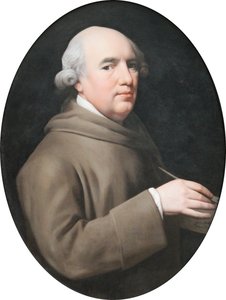
George Stubbs
1724 - 1806 , Birleşik Krallık
Kısa Bilgiler
- Doğum Tarihi: 25 Ağustos 1724
- Doğum Yeri: Liverpool, Birleşik Krallık
- Etkilediği Sanatçılar: ['Joshua Reynolds']
- Etkilendiği Sanatçılar: ['Hamlet Winstanley']
- Sanatsal Akım: Romantizm, At Sanatı
- Tam Adı: George Stubbs
- Uyruğu: İngiliz
- Ölüm Tarihi: 10 Temmuz 1806
- Önemli Eserleri:
- Whistlejacket
- Aslan ve At
İlgili Yazılar
Timeless Legends: A Curated Guide to the Eternal Allure of Mythological Masterpieces
Embark on a sophisticated journey through the eternal allure of mythological art. Discover how master painters breathe life into ancient legends, from Greek deities to Baroque masterpieces, and learn to curate these timeless narratives within your own exquisite art collection.
George Stubbs: Anatomical Precision & Romantic Vision in 18th-Century British Art
Explore the captivating world of George Stubbs, the 18th-century master renowned for his anatomical precision & Romantic animal paintings. Discover his legacy and investment potential.

Echoes of Olympus: Mythological Narratives in Western Art Through the Ages
Explore the captivating history of mythological narratives in Western art! From ancient Greece to modern masterpieces, discover iconic artworks & symbolism. Expert analysis and high-quality reproductions at OriginalUniqueArt.
The Noble Steed: A Historical and Artistic Exploration of Horses in Fine Art
Explore the rich history of horses in fine art! From ancient depictions to Renaissance masterpieces & beyond, discover iconic artworks and artists. Learn about symbolism, techniques, and find museum-quality reproductions at OriginalUniqueArt.
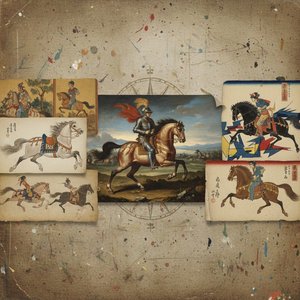
The Noble Steed on Canvas: A Historical & Artistic Exploration of Horse Painting Across Cultures
Explore the rich history of horse painting! Discover masterpieces from Stubbs to Munnings & learn about symbolism, techniques & artists. Find museum-quality reproductions at OriginalUniqueArt.


