
 Gerçek Boyutta Önizle
 Paylaş
 Paylaş
 Detayları Gör
 Rehber

 İndir
İndir
 Benzer ürünler
 X-Işını
 Slayt Gösterisi
 Soru & Cevap
 İstatistikler
Lord Grosvenor

- 99.0 x 83.0 cm


 Tümünü Gör
Giclée / Sanat Baskısı
Hızlı üretim ve esnek bitiş seçenekleriyle müze kalitesinde giclée veya kanvas baskı. ( El Yapımı Tablo Satın Al Dijital Görsele Geç)




P118B ₺10

P118H ₺10

P118W ₺10

P438Z ₺10

P508JH ₺12

P508YH ₺12

P805H ₺10

P805Z ₺10

P919BZ ₺10

P919G ₺10

P919XJ ₺10

P959ZH ₺10

P968JZ ₺12

W106C ₺8

W218G ₺10

W218JH ₺8

W218Y ₺10

W307PJ ₺10

W316G ₺10

W316PJ ₺8

W316Y ₺10

W398PJ ₺8

W4111J ₺10

W500HY ₺15

W500JH ₺15

W692G ₺12

W849H ₺8

W940BG ₺15

W953PJ ₺8




Eserin orijinal oranlarıyla uyumlu, önceden belirlenmiş boyutlarımız arasından seçim yapın.

Çerçevenize veya duvarınıza uygun olması için ihtiyacınız olan genişlik ve yüksekliği yazın. Bir baskı yalnızca kesilebilir, görselden daha büyük hale getirilemez; bu nedenle farklı bir formdaki boyut seçimi, görselin bir kısmının kaybına neden olur. Herhangi bir baskı yapmadan önce onaylamanız için size bir dijital taslak gönderiyoruz. Bu sayfada gösterilen resim gerçek kesimi göstermez — bunu yalnızca taslak gösterir.
Dünya Çapında Teslimat (); standart 4/5 hafta yerine 2 haftada. (7 Kasım)

Dünya Çapında Ücretsiz Ekspres Kargo

Yüksek Kaliteli Keten Kanvas

Tam Nakliye Sigortası

Gümrük Vergisi İadesi Garantisi

Gerçek Renk Uyumu Garantisi

100 Günlük İade Politikası (Sadece Kusurlu Ürünler İçin)

%100 Para İade Garantisi

Toplu Alım İndirimi
 Cam seçeneği yalnızca 110 cm altındaki boyutlar için mevcuttur.

Lord Grosvenor
Giclée / Sanat Baskısı
Reproduksiyon Boyutu
-


Toplam Tutar
₺ 3995
The Equestrian Vision of George Stubbs
George Stubbs' "Lord Grosvenor’s Arabian Stallion with a Groom," painted in 1765, isn’t merely a portrait; it’s a meticulously crafted tableau vivant—a snapshot of aristocratic leisure and the profound connection between man and beast. Stubbs, already recognized as the foremost painter of horses of his era, transcends simple representation, instead offering a deeply considered study of anatomy, movement, and psychological nuance. This work exemplifies his pioneering approach to animal painting, firmly rooted in scientific observation yet imbued with a distinctly Romantic sensibility.
The scene unfolds within a softly rendered English landscape—rolling hills bathed in the golden light of late afternoon. The composition is dominated by the magnificent Arabian stallion, poised and alert, its muscular form captured with astonishing accuracy. Stubbs’s anatomical knowledge, honed through years of dissecting horses (a practice considered radical at the time), is immediately apparent in the precise rendering of every muscle, tendon, and bone. Yet, this isn't a cold, clinical study; the horse radiates vitality, its ears pricked forward, nostrils flared, conveying an intense awareness of its surroundings.
A Masterclass in Technique – Light, Shadow, and Sabino Markings
Stubbs’s mastery lies not just in his anatomical precision but also in his masterful manipulation of light and shadow. He employs a low horizon line, drawing the viewer's eye upwards to the horse, emphasizing its imposing presence against the backdrop of the landscape. The warm tones of the chestnut stallion—rich browns, golds, and russets—are contrasted with the cooler greens and blues of the foliage, creating a dynamic interplay of color that adds depth and realism to the scene. Notably, Stubbs meticulously portrays the horse’s unique genetic Sabino markings – the broad blaze running down its forehead, the striking white stockings, and the delicate white spots adorning its belly and sides—demonstrating an almost obsessive attention to detail.
The groom, a figure of quiet dignity, stands in stark contrast to the stallion’s spirited energy. Dressed in a dark suit, he exudes a reassuring presence, his posture suggesting years of experience and a deep understanding of horses. This juxtaposition—the youthful exuberance of the horse and the seasoned calm of its handler—adds another layer of complexity to the composition, hinting at the symbiotic relationship between man and animal.
Historical Context & Romantic Ideals
Painted during the mid-18th century, “Lord Grosvenor’s Arabian Stallion with a Groom” reflects the prevailing artistic trends of the time. Stubbs' work aligns with the burgeoning Romantic movement, which emphasized emotion, individualism, and the sublime beauty of nature. Unlike the rigid formality of Neoclassical art, Stubbs’s painting embraces a more naturalistic approach, capturing the essence of the subject rather than adhering to idealized forms. The inclusion of the landscape—a carefully constructed vista that evokes a sense of tranquility and grandeur—further reinforces this Romantic sensibility.
The portrait itself was commissioned for Richard Grosvenor, 7th Baronet, and 1st Earl Grosvenor, a prominent figure in English society. Such commissions were not merely about depicting a horse; they represented a celebration of aristocratic status, wealth, and the connection to the land. The painting served as a visual testament to the family’s equestrian pursuits and their appreciation for fine horses.
A Timeless Appeal – Reproduction & Beyond
“Lord Grosvenor’s Arabian Stallion with a Groom” remains a captivating work of art, admired for its technical brilliance, emotional depth, and historical significance. Reproductions offer an accessible way to experience the beauty and artistry of this iconic painting, bringing its timeless appeal into any home or office space. When selecting a reproduction, consider the quality of materials and the artist’s interpretation – ensuring that it faithfully captures Stubbs' original vision while maintaining a high level of detail and vibrancy.
Soru ve Cevaplar
"Lord Grosvenor" adlı eser, George Stubbs'in genel üretim tarzını yansıtıyor mu?
George Stubbs'in yinelenen temaları classical anatomy, romantic style, aristocratic patronage, equestrian art, animal studies, scientific accuracy, british landscape, rural life içerir; "Lord Grosvenor" ise horse, equestrian, portraiture, groom, landscape, sabino, anatomy, 18th century üzerine odaklanır.
George Stubbs imzalı "Lord Grosvenor" ziyaretçileri hangi bölgelerden geliyor?
"Lord Grosvenor" için bir İstatistikler sayfası mevcuttur. Bu sayfa; eserin ve sanatçının diğer çalışmalarının aylık ziyaret sayılarını, ülke ve dil kırılımlarıyla birlikte grafiklerle sunar.
"Lord Grosvenor" hangi yıl ve hangi akım içerisinde yapıldı?
"Lord Grosvenor", 1765 yılında Romanticism akımının bir eseri olarak yaratılmıştır. Tarih ve akım, sanat eserini sanat tarihinde konumlandırır.
Sanatçı Özgeçmişi
Erken Yaşamı ve Eğitim Dönemi
George Stubbs, İngiltere’nin Liverpool şehrinde 25 Ağustos 1724 tarihinde dünyaya geldi. Çocukluğu hakkında pek fazla bilgi bulunmamakla birlikte, hayatının ilk otuz beş yılına dair kayıtlar oldukça sınırlıdır; bu döneme ait bilgiler çoğunlukla 1794 yılında Stubbs ile yapılan sohbetlere dayanan Ozias Humphry’nin anılarından elde edilmiştir. Sanat yolculuğuna on beş yaşında babasının yanında, deri işleme ustası olarak başlamıştır. Kısa bir süre sonra Lancashirelı ressam ve kazıyıcı Hamlet Winstanley’in atölyesinde çıraklık yapmaya başladı. Bu kısa stajı, Stubbs'a Knosley Hall koleksiyonunu inceleme fırsatı sunmuştur.Sanatsal Gelişimi ve Önemli Eserleri
Stubbs’ın anatomiye olan tutkusu onu 1744 yılında York şehrine götürdü; burada York County Hospital'da cerrah Charles Atkinson’ın yanında çalışmaya başladı. İlk eserlerinden biri, 1751 yılında yayınlanan John Burton’ın doğum bilimleri ders kitabı için hazırladığı bir dizi illüstrasyondur. 1756 yılında Lincolnshire kırsalında bir çiftlik evi kiralayan Stubbs, eşi Mary Spencer'ın yardımıyla on sekiz ay boyunca atları disse etti. Bu çalışmalar sonucunda 1766 yılında The Anatomy of the Horse adlı eseri yayınlandı; orijinal çizimleri günümüzde Royal Academy’de sergilenmektedir. Stubbs’ın çalışmaları kısa sürede aristokrat patronların dikkatini çekti; özellikle 3. Richmond Dükü, 1759 yılında ondan üç büyük tablo sipariş etti. Bu siparişler, başarılı kariyerinin başlangıcını işaret etti ve birçok dük ve lord için eserler üretmesine yol açtı; sonunda Londra’nın Marylebone semtinde bir ev satın alacak kadar ilerledi.Mirası ve Dikkat Çeken Tabloları
Stubbs'ın en ünlü eseri, 2. Rockingham Markisi tarafından sipariş edilen ve prancing atını tasvir eden Whistlejacket, günümüzde Londra Ulusal Galerisi’nde bulunmaktadır. Bu eser ve Rockingham için yaptığı diğer iki tablo, alışılmadık pozları ve sade arka planlarıyla geleneksel sanat anlayışından ayrılır. Whistlejacket, Stubbs'ın atların özünü yakalama konusundaki benzersiz yeteneğini sergilemektedir. Ayrıca, aslanın ata saldırdığı temalı resimleri, 18. yüzyıl sanatını etkileyen Romantik akımın erken örneklerindendir.Etkileri ve Tarihsel Önemi
Stubbs’ın sanatsal yolculuğu, özellikle anatomiye olan derin ilgisiyle şekillenmiştir. Atların kas yapısını, iskelet sistemini ve hareketlerini titizlikle inceleyerek resimlerine gerçekçilik katmıştır. Bu detaylı anatomik bilgisi, onu döneminin diğer hayvan ressamlarından ayırmıştır. Stubbs’ın eserleri, sadece İngiltere'de değil, tüm dünyada büyük ilgi görmüştür. Atların güzelliğini ve gücünü yansıtan tabloları, aristokrat çevrelerde popüler hale gelmiş ve birçok koleksiyonda yer almıştır.- Stubbs’ın eserleri, 18. yüzyıl İngiliz sanatının önemli bir parçasını oluşturur.
- Anatomik doğruluğu ve gerçekçi tasvirleriyle tanınır.
- Whistlejacket, onun en ikonik eseri olarak kabul edilir.
- Romantik akımın gelişimine katkıda bulunmuştur.
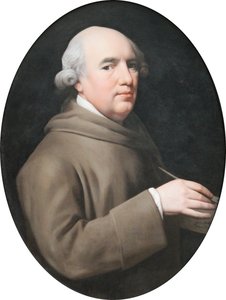
George Stubbs
1724 - 1806 , Birleşik Krallık
Kısa Bilgiler
- Doğum Tarihi: 25 Ağustos 1724
- Doğum Yeri: Liverpool, Birleşik Krallık
- Etkilediği Sanatçılar: ['Joshua Reynolds']
- Etkilendiği Sanatçılar: ['Hamlet Winstanley']
- Sanatsal Akım: Romantizm, At Sanatı
- Tam Adı: George Stubbs
- Uyruğu: İngiliz
- Ölüm Tarihi: 10 Temmuz 1806
- Önemli Eserleri:
- Whistlejacket
- Aslan ve At
Benzer Yazılar

Georges Seurat'ın En İyi 25 Eseri: İzlenimcilikten Modern Sanata Bir Yolculuk
Georges Seurat'ın en iyi 25 eserini keşfedin! İzlenimcilik ve Noktacılık akımının öncüsü bu Fransız ressamın renkli dünyasına yolculuk yapın. Sanat baskıları ve ev dekorasyonu için OriginalUniqueArt.com'da koleksiyonu inceleyin.

Georges Braque'ın En İyi 25 Eseri: Kübizm ve Modern Sanatın İkonları | OriginalUniqueArt
Georges Braque'ın en iyi 25 eserini keşfedin! Kübizm hareketinin öncüsü olan bu ikonik tablolar, modern sanatın ruhunu yansıtıyor. Sanat tarihine yolculuk yapın ve evinizi OriginalUniqueArt.com'un yüksek kaliteli baskılarıyla zenginleştirin.
George Stubbs: Anatomical Precision & Romantic Vision in 18th-Century British Art
Explore the captivating world of George Stubbs, the 18th-century master renowned for his anatomical precision & Romantic animal paintings. Discover his legacy and investment potential.

The Equine Muse: A Historical & Artistic Exploration of Horses in Painting
Explore the captivating history of horses in painting! Discover Renaissance masterpieces, Baroque grandeur & expert insights for collecting equestrian art. Learn about symbolism, techniques & lasting value with OriginalUniqueArt.
The Noble Steed: A Historical and Artistic Exploration of Horses in Fine Art
Explore the rich history of horses in fine art! From ancient depictions to Renaissance masterpieces & beyond, discover iconic artworks and artists. Learn about symbolism, techniques, and find museum-quality reproductions at OriginalUniqueArt.


