

 Önizle
 Gönder
 Paylaş
 Detaylar
 Rehber

 Dosyayı İndir
 Benzerleri
 X-Işını
 Slayt Gösterisi
 İstatistikler
Finished study for


 Devamını Oku
Giclée / Sanat Baskısı
Hızlı üretim ve esnek bitiş seçenekleriyle müze kalitesinde giclée veya kanvas baskı. ( El Yapımı Tablo Satın Al Dijital Görsel Satışına Geç)




P118B ₺10

P118H ₺10

P118W ₺10

P438Z ₺10

P508JH ₺12

P508YH ₺12

P805H ₺10

P805Z ₺10

P919BZ ₺10

P919G ₺10

P919XJ ₺10

P959ZH ₺10

P968JZ ₺12

W106C ₺8

W218G ₺10

W218JH ₺8

W218Y ₺10

W307PJ ₺10

W316G ₺10

W316PJ ₺8

W316Y ₺10

W398PJ ₺8

W4111J ₺10

W500HY ₺15

W500JH ₺15

W692G ₺12

W849H ₺8

W940BG ₺15

W953PJ ₺8




Eserin orijinal oranlarıyla uyumlu, önceden belirlenmiş boyutlarımız arasından seçim yapın.

Çerçevenize veya duvarınıza uygun olması için ihtiyacınız olan genişlik ve yüksekliği yazın. Bir baskı yalnızca kesilebilir, görselden daha büyük hale getirilemez; bu nedenle farklı bir formdaki boyut seçimi, görselin bir kısmının kaybına neden olur. Herhangi bir baskı yapmadan önce onaylamanız için size bir dijital taslak gönderiyoruz. Bu sayfada gösterilen resim gerçek kesimi göstermez — bunu yalnızca taslak gösterir.
Dünya Çapında Teslimat (); standart 4/5 hafta yerine 2 haftada. (28 Ekim)

Dünya Çapında Ücretsiz Ekspres Kargo

Yüksek Kaliteli Keten Tuval

Tam Nakliye Sigortası

Gümrük Vergisi İadesi Garantisi

Gerçek Renk Uyumu Garantisi

100 Günlük İade Koşulları (Sadece Üretim Hatalı Ürünler İçin)

%100 Para İade Garantisi

Toplu Alım Avantajı
 Cam seçeneği yalnızca 110 cm altındaki boyutlar için mevcuttur.

Finished study for
Giclée / Sanat Baskısı
Baskı Boyutu
-


Toplam Fiyat
₺ 3920
George Stubbs’ Anatomical Precision: A Window into the Romantic Horse
George Stubbs' “Finished Study for The First Anatomical Table of the Muscles…of the Horse,” created in 1758, is far more than a mere scientific illustration; it’s a profound meditation on life, death, and the sublime beauty of the animal kingdom. This remarkably detailed graphite and charcoal drawing offers an intimate glimpse into the mind of one of history's most visionary artists, revealing not just the mechanics of equine anatomy but also Stubbs’ deep-seated fascination with capturing the essence of movement and emotion within his subjects.
Stubbs’ journey to this level of anatomical understanding was a deliberate one. Initially trained as a currier – a leatherworker – he recognized early on that true artistic representation demanded an intimate knowledge of the forms he sought to depict. He abandoned his family trade and, driven by an almost obsessive curiosity, apprenticed himself to Charles Atkinson, a surgeon at York County Hospital, immersing himself in the study of human anatomy. This foundational experience proved invaluable when he turned his attention to horses, creatures that had long captivated him. Stubbs’ relentless dissection of dozens of equine corpses – a practice considered somewhat morbid at the time – yielded an unparalleled understanding of muscle structure, skeletal alignment, and the subtle nuances of movement. The resulting drawings are not simply accurate representations; they are infused with a palpable sense of vitality.
A Romantic Vision of the Beast
“Finished Study” firmly places Stubbs within the burgeoning Romantic movement, a period characterized by an emphasis on emotion, imagination, and the power of nature. Unlike earlier depictions of horses that often prioritized idealized beauty or heroic narratives, Stubbs’ work focuses on the raw physicality of the animal – its strength, vulnerability, and inherent wildness. The skeletal structure is rendered with meticulous precision, yet it's not presented as a cold, lifeless arrangement. Instead, the lines suggest a dynamic tension, hinting at the potential for movement and action. The drawing anticipates the dramatic, almost theatrical compositions that would later define Romantic painting, particularly in Stubbs’ monumental equine paintings like “Whistlejacket.”
Furthermore, the choice of subject matter itself is significant. Horses were not merely beasts of burden or symbols of power; they represented a connection to the untamed wilderness – a realm of primal instinct and boundless energy. Stubbs' dedication to anatomical accuracy reflects a broader Romantic interest in understanding the natural world through scientific observation, but it’s coupled with an appreciation for the sublime—that feeling of awe and wonder inspired by confronting something vast and powerful.
Technique and Symbolism
The drawing’s power lies not only in its subject matter but also in Stubbs' masterful technique. The use of precise, linear hatching creates a remarkable sense of volume and depth, transforming the skeletal structure into a tangible presence on the page. Subtle variations in line density suggest the contours of muscle tissue beneath the bone, conveying a remarkable level of realism. The grayscale palette – devoid of color – emphasizes form and structure, lending the image an almost sculptural quality.
Beyond its technical merits, “Finished Study” carries symbolic weight. The depiction of death—represented through the skeletal remains—can be interpreted as a meditation on mortality and the cyclical nature of life. Yet, it’s not presented in a morbid light; rather, it serves to highlight the underlying beauty and inherent dignity of the animal form. The drawing ultimately celebrates the enduring power of nature and the artist's ability to capture its essence with both scientific rigor and artistic sensitivity.
A Legacy of Anatomical Mastery
George Stubbs’ “Finished Study for The First Anatomical Table of the Muscles…of the Horse” stands as a testament to his unparalleled skill and profound understanding of the animal world. It is a pivotal work in art history, bridging the gap between scientific observation and artistic expression. Reproductions of this remarkable drawing offer a unique opportunity to appreciate Stubbs’ genius and to contemplate the enduring power of nature—a timeless subject that continues to inspire artists and captivate audiences today.
Soru ve Cevaplar
George Stubbs imzalı "Finished study for" eserini bir slayt gösterisi olarak nasıl izleyebilirim?
George Stubbs imzalı "Finished study for", eserin Slayt Gösterisi sayfasında bir slayt gösterisi olarak görüntülenebilir.
George Stubbs imzalı "Finished study for" eserini satın almadan önce kendi duvarımda görebilir miyim?
George Stubbs imzalı "Finished study for" eserinin AR Önizleme sayfası, uyumlu bir cihaz üzerinden sanat eserini kendi mekanınızda görmeniz için artırılmış gerçekliği kullanır.
George Stubbs imzalı "Finished study for" reprodüksiyonu ne amaçla kullanılabilir?
George Stubbs imzalı "Finished study for" eserinin bir reprodüksiyonu Reflective için önerilmektedir. Bu öneri; eserin konusundan, ruhundan ve renklerinden yola çıkılarak hazırlanmıştır.
Sanatçı Biyografisi
Erken Yaşamı ve Eğitim Dönemi
George Stubbs, İngiltere’nin Liverpool şehrinde 25 Ağustos 1724 tarihinde dünyaya geldi. Çocukluğu hakkında pek fazla bilgi bulunmamakla birlikte, hayatının ilk otuz beş yılına dair kayıtlar oldukça sınırlıdır; bu döneme ait bilgiler çoğunlukla 1794 yılında Stubbs ile yapılan sohbetlere dayanan Ozias Humphry’nin anılarından elde edilmiştir. Sanat yolculuğuna on beş yaşında babasının yanında, deri işleme ustası olarak başlamıştır. Kısa bir süre sonra Lancashirelı ressam ve kazıyıcı Hamlet Winstanley’in atölyesinde çıraklık yapmaya başladı. Bu kısa stajı, Stubbs'a Knosley Hall koleksiyonunu inceleme fırsatı sunmuştur.Sanatsal Gelişimi ve Önemli Eserleri
Stubbs’ın anatomiye olan tutkusu onu 1744 yılında York şehrine götürdü; burada York County Hospital'da cerrah Charles Atkinson’ın yanında çalışmaya başladı. İlk eserlerinden biri, 1751 yılında yayınlanan John Burton’ın doğum bilimleri ders kitabı için hazırladığı bir dizi illüstrasyondur. 1756 yılında Lincolnshire kırsalında bir çiftlik evi kiralayan Stubbs, eşi Mary Spencer'ın yardımıyla on sekiz ay boyunca atları disse etti. Bu çalışmalar sonucunda 1766 yılında The Anatomy of the Horse adlı eseri yayınlandı; orijinal çizimleri günümüzde Royal Academy’de sergilenmektedir. Stubbs’ın çalışmaları kısa sürede aristokrat patronların dikkatini çekti; özellikle 3. Richmond Dükü, 1759 yılında ondan üç büyük tablo sipariş etti. Bu siparişler, başarılı kariyerinin başlangıcını işaret etti ve birçok dük ve lord için eserler üretmesine yol açtı; sonunda Londra’nın Marylebone semtinde bir ev satın alacak kadar ilerledi.Mirası ve Dikkat Çeken Tabloları
Stubbs'ın en ünlü eseri, 2. Rockingham Markisi tarafından sipariş edilen ve prancing atını tasvir eden Whistlejacket, günümüzde Londra Ulusal Galerisi’nde bulunmaktadır. Bu eser ve Rockingham için yaptığı diğer iki tablo, alışılmadık pozları ve sade arka planlarıyla geleneksel sanat anlayışından ayrılır. Whistlejacket, Stubbs'ın atların özünü yakalama konusundaki benzersiz yeteneğini sergilemektedir. Ayrıca, aslanın ata saldırdığı temalı resimleri, 18. yüzyıl sanatını etkileyen Romantik akımın erken örneklerindendir.Etkileri ve Tarihsel Önemi
Stubbs’ın sanatsal yolculuğu, özellikle anatomiye olan derin ilgisiyle şekillenmiştir. Atların kas yapısını, iskelet sistemini ve hareketlerini titizlikle inceleyerek resimlerine gerçekçilik katmıştır. Bu detaylı anatomik bilgisi, onu döneminin diğer hayvan ressamlarından ayırmıştır. Stubbs’ın eserleri, sadece İngiltere'de değil, tüm dünyada büyük ilgi görmüştür. Atların güzelliğini ve gücünü yansıtan tabloları, aristokrat çevrelerde popüler hale gelmiş ve birçok koleksiyonda yer almıştır.- Stubbs’ın eserleri, 18. yüzyıl İngiliz sanatının önemli bir parçasını oluşturur.
- Anatomik doğruluğu ve gerçekçi tasvirleriyle tanınır.
- Whistlejacket, onun en ikonik eseri olarak kabul edilir.
- Romantik akımın gelişimine katkıda bulunmuştur.
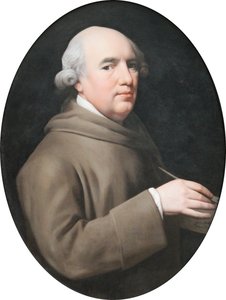
George Stubbs
1724 - 1806 , Birleşik Krallık
Kısa Bilgiler
- Doğum Tarihi: 25 Ağustos 1724
- Doğum Yeri: Liverpool, Birleşik Krallık
- Etkilediği Sanatçılar: ['Joshua Reynolds']
- Etkilendiği Sanatçılar: ['Hamlet Winstanley']
- Sanatsal Akım: Romantizm, At Sanatı
- Tam Adı: George Stubbs
- Uyruğu: İngiliz
- Ölüm Tarihi: 10 Temmuz 1806
- Önemli Eserleri:
- Whistlejacket
- Aslan ve At
İlgili Yazılar
George Stubbs: Anatomical Precision & Romantic Vision in 18th-Century British Art
Explore the captivating world of George Stubbs, the 18th-century master renowned for his anatomical precision & Romantic animal paintings. Discover his legacy and investment potential.

Georges Seurat'ın En İyi 25 Eseri: İzlenimcilikten Modern Sanata Bir Yolculuk
Georges Seurat'ın en iyi 25 eserini keşfedin! İzlenimcilik ve Noktacılık akımının öncüsü bu Fransız ressamın renkli dünyasına yolculuk yapın. Sanat baskıları ve ev dekorasyonu için OriginalUniqueArt.com'da koleksiyonu inceleyin.
The Noble Steed on Canvas: A Historical & Artistic Exploration of Horse Painting Across Cultures
Explore the rich history of horse painting! Discover masterpieces from Stubbs to Munnings & learn about symbolism, techniques & artists. Find museum-quality reproductions at OriginalUniqueArt.

Georges Braque'ın En İyi 25 Eseri: Kübizm ve Modern Sanatın İkonları | OriginalUniqueArt
Georges Braque'ın en iyi 25 eserini keşfedin! Kübizm hareketinin öncüsü olan bu ikonik tablolar, modern sanatın ruhunu yansıtıyor. Sanat tarihine yolculuk yapın ve evinizi OriginalUniqueArt.com'un yüksek kaliteli baskılarıyla zenginleştirin.
Frederick Bridgman: Anatomical Mastery & the Evolution of Figure Drawing Instruction
Explore the anatomical mastery of George B. Bridgman & his revolutionary figure drawing techniques. Discover how his methods transformed art instruction and continue to inspire artists today. Learn more at OriginalUniqueArt.


