
 Gerçek Boyutta Önizle
 Paylaş
 Paylaş
 Detayları Gör
 Rehber

 İndir
İndir
 Benzer ürünler
 X-Işını
 Slayt Gösterisi
 Q&A
Q&A İstatistikler
Lady in a Brown Robe

- 65.0 x 65.0 cm


 Tümünü Gör
Giclée / Sanat Baskısı
Hızlı üretim ve esnek bitiş seçenekleriyle müze kalitesinde giclée veya kanvas baskı. ( El Yapımı Tablo Satın Al Dijital Görsele Geç)




P118B ₺10

P118H ₺10

P118W ₺10

P438Z ₺10

P508JH ₺12

P508YH ₺12

P805H ₺10

P805Z ₺10

P919BZ ₺10

P919G ₺10

P919XJ ₺10

P959ZH ₺10

P968JZ ₺12

W106C ₺8

W218G ₺10

W218JH ₺8

W218Y ₺10

W307PJ ₺10

W316G ₺10

W316PJ ₺8

W316Y ₺10

W398PJ ₺8

W4111J ₺10

W500HY ₺15

W500JH ₺15

W692G ₺12

W849H ₺8

W940BG ₺15

W953PJ ₺8




Eserin orijinal oranlarıyla uyumlu, önceden belirlenmiş boyutlarımız arasından seçim yapın.

Çerçevenize veya duvarınıza uygun olması için ihtiyacınız olan genişlik ve yüksekliği yazın. Bir baskı yalnızca kesilebilir, görselden daha büyük hale getirilemez; bu nedenle farklı bir formdaki boyut seçimi, görselin bir kısmının kaybına neden olur. Herhangi bir baskı yapmadan önce onaylamanız için size bir dijital taslak gönderiyoruz. Bu sayfada gösterilen resim gerçek kesimi göstermez — bunu yalnızca taslak gösterir.
Dünya Çapında Teslimat (); standart 4/5 hafta yerine 2 haftada. (2 Kasım)

Dünya Çapında Ücretsiz Ekspres Kargo

Yüksek Kaliteli Keten Kanvas

Tam Nakliye Sigortası

Gümrük Vergisi İadesi Garantisi

Gerçek Renk Uyumu Garantisi

100 Günlük İade Politikası (Sadece Kusurlu Ürünler İçin)

%100 Para İade Garantisi

Toplu Alım İndirimi
 Cam seçeneği yalnızca 110 cm altındaki boyutlar için mevcuttur.

Lady in a Brown Robe
Giclée / Sanat Baskısı
Reproduksiyon Boyutu
-


Toplam Tutar
₺ 3933
A Vision of Neoclassical Grace
In the quiet splendor of George Romney’s 1785 masterpiece, Lady in a Brown Robe, we encounter more than a mere portrait; we step into the refined atmosphere of the Georgian era. This exquisite work captures Miss Eliza Siddall, a woman celebrated for her beauty, not through flamboyant display, but through a profound sense of serenity and poise. As she gazates toward the viewer, there is an intimate connection established—a silent dialogue between the subject and the observer that has captivated audiences for centuries. The painting serves as a quintessential window into Neoclassical portraiture, a movement that sought to revive the dignified ideals of ancient Greece and Rome, stripping away excessive ornamentation to reveal the pure, sculptural essence of the human form.
The technical mastery displayed by Romney is nothing short of breathtaking. Utilizing the rich, luminous possibilities of oil on canvas, the artist achieves a depth of texture that invites the eye to linger upon every fold of the sitter's attire. His approach is characterized by a meticulous attention to tonal gradation, where light and shadow dance across the surface to create a lifelike three-dimensionality. The soft, warm glow emanating from the skin tones contrasts beautifully with the earthy, understated palette of the brown robe, creating a visual harmony that feels both grounded and ethereal. For the discerning collector or interior designer, this balance of subtle color and masterful light makes the piece an incredibly versatile anchor for any sophisticated space.
Symbolism and Social Elegance
Beyond its aesthetic brilliance, the artwork is steeped in the social aspirations of late 18th-century London. During this period of Enlightenment, the aristocracy sought to project values of virtue, stability, and classical wisdom. The choice of a simple brown robe is deeply symbolic; rather than relying on the ostentatious silks or jewels common in royal portraiture, Romney uses the understated elegance of the garment to emphasize the sitter's inner character and natural grace. This restraint reflects the Neoclassical preference for clarity and truth over superficiality. The delicate pearl necklace, catching a glint of light, provides just enough ornamentation to signify her high social standing without disrupting the painting's overall sense of tranquil dignity.
To possess or display a reproduction of this work is to invite a sense of historical continuity and timelessness into a modern environment. The painting does not merely decorate a wall; it commands a room with its quiet authority and emotional depth. Whether placed in a sunlit library or a formal dining area, Lady in a Brown Robe offers an enduring inspiration, reminding us of an era where art was used to capture the very soul of elegance. It remains a cornerstone of British art history, a testament to George Romney's ability to transform a single moment of stillness into an eternal emblem of beauty.
Soru ve Cevaplar
"Lady in a Brown Robe" eserini kim, ne zaman yaptı?
"Lady in a Brown Robe" adlı eserin sanatçısı George Romney olup, yapım yılı 1785'dır.
George Romney imzalı "Lady in a Brown Robe" ziyaretçileri hangi bölgelerden geliyor?
George Romney imzalı "Lady in a Brown Robe" eserinin İstatistikler sayfası; eserin aylık ziyaret sayılarını, sanatçının en çok görüntülenen eserleriyle olan karşılaştırmasını ve ziyaretçilerin hangi bölgelerden geldiğini içeren halka açık ziyaret istatistiklerini sunar.
George Romney imzalı "Lady in a Brown Robe" adlı eser kamu malı mıdır ve neden?
George Romney imzalı "Lady in a Brown Robe", kamu malıdır - telif hakkı süresi dolmuştur statüsündedir. Telif hakkı süresi, sanatçının 1802 yılındaki ölümünden itibaren hesaplanmaktadır.
Sanatçı Özgeçmişi
A Life in Portraiture: The World of George Romney
Born in the picturesque landscape of Dalton-in-Furness, Lancashire, on December 15th, 1734, George Romney ascended to become one of the most sought-after portrait painters of his era. His journey from a cabinet maker’s son to the favored artist of British high society is a compelling narrative of innate talent and unwavering ambition. Early life offered little indication of the artistic path he would forge; initially apprenticed to his father, it was an inherent inclination towards drawing and craftsmanship that led him to Christopher Steele, a local portraitist who had studied in Paris. This apprenticeship proved pivotal, providing Romney with foundational skills and an introduction to European artistic traditions. He quickly surpassed his master, however, demonstrating a precocious talent demanding further cultivation. A brief, unhappy marriage and subsequent separation propelled him towards London in 1762, a city brimming with opportunity but also fierce competition.Establishing a Reputation: Style and Technique
London proved to be a crucible for Romney’s artistic development. He swiftly established himself as a formidable portraitist, challenging the dominance of artists like Thomas Gainsborough and Sir Joshua Reynolds. While he never sought membership in the Royal Academy – a decision that perhaps limited his access to certain patronage – his success was undeniable. Romney's style evolved over time, initially reflecting the influence of Steele and his Parisian training, but soon blossomed into something distinctly his own. He possessed an exceptional ability to capture not merely the likeness, but also the personality and social standing of his sitters. His portraits are characterized by elegant poses, a refined use of light and shadow, and a subtle psychological insight that set him apart. Romney’s technique was marked by a delicate touch and a preference for flowing lines, often drawing inspiration from classical sculpture. He skillfully employed color to convey texture and depth, creating portraits that were both visually striking and emotionally resonant. His ability to flatter his subjects while maintaining artistic integrity earned him the loyalty of an elite clientele. He understood the power of suggestion, hinting at character rather than explicitly defining it, a quality that appealed to those who valued discretion and refinement. Romney’s meticulous attention to detail—from the subtle folds of fabric to the expressive gaze of his subjects—became a hallmark of his oeuvre.The Muse and Her Influence: Emma Hamilton
Romney’s life took a dramatic turn with his encounter with Emma Hart, later known as Lady Hamilton, in 1782. She became not only his most celebrated model but also his muse, profoundly influencing his artistic output. Emma's beauty, intelligence, and theatrical flair captivated Romney, inspiring a series of portraits that explored themes of classical mythology, dramatic narrative, and feminine grace. He depicted her in various roles – as a spinner, as the tragic Miranda from Shakespeare’s *The Tempest*, and in numerous allegorical scenes that showcased her expressive range. These works demonstrate Romney's willingness to experiment with composition and symbolism, moving beyond conventional portraiture into more imaginative territory. The Tempest series, in particular, reveals a Romantic sensibility at play, anticipating the emotional intensity of later artists. The relationship was intense and all-consuming for Romney, though ultimately unfulfilled romantically; Emma eventually became the mistress of Lord Nelson, a union that cemented her place in history. Nevertheless, their artistic collaboration left an indelible mark on both their lives and produced some of Romney’s most enduring masterpieces. He painted over 80 portraits of her, each revealing a different facet of her captivating personality. The dynamism of Emma Hamilton's presence—captured with remarkable sensitivity—became central to Romney’s artistic vision.Major Achievements and Legacy
George Romney achieved considerable renown during his lifetime, securing commissions from prominent figures across British society. His portraits graced the homes of aristocrats, statesmen, and intellectuals alike, establishing him as one of the foremost artists of his era. Beyond his prolific output, Romney's contribution to artistic discourse was significant. He championed a style that prioritized psychological realism and emotional expression—a departure from the idealized depictions favored by earlier generations of painters. His influence extended beyond portraiture itself, inspiring subsequent artists to embrace similar approaches to capturing human character and conveying emotion. Romney’s legacy continues to resonate today, as scholars and critics recognize his pioneering role in shaping British Romanticism. He remains a celebrated figure in art history—a testament to the enduring power of talent, dedication, and artistic vision. His work serves as an invaluable record of the social and cultural landscape of the late 18th century, offering insights into the values and aspirations of a bygone era. Romney’s meticulous observation of human behavior—combined with his masterful technique—solidified his position as one of Britain's greatest portrait painters.Concluding Thoughts
George Romney died in Kendal, Cumbria, on November 15th, 1802, leaving behind an impressive body of work that continues to captivate audiences worldwide. His portraits stand as enduring symbols of elegance, sophistication, and artistic excellence—a testament to his extraordinary talent and unwavering commitment to his craft. He is remembered not only for his technical skill but also for his profound understanding of human psychology—a quality that distinguishes him from many of his contemporaries. Romney’s influence can be seen in the works of artists who followed him, demonstrating the lasting impact of his artistic innovations. His legacy endures through the countless reproductions of his paintings that adorn museums and private collections—a testament to the enduring fascination with his art and its ability to convey timeless beauty and emotional depth.
George Romney
1734 - 1802 , İngiltere
Kısa Bilgiler
- Artistic Movement Or Style: Portraiture, Romanticism
- Artists Or Movements Influenced By This Artist: ['British portraitists']
- Artists Who Influenced This Artist:
- Christopher Steele
- Carle Vanloo
- Raphael
- Titian
- Correggio
- Date Of Birth: Dec 15, 1734
- Date Of Death: Nov 15, 1802
- Full Name: George Romney
- Nationality: British
- Notable Artworks:
- Peter and James Romney
- Portrait of G. Cowper
- The Death of General Wolfe
- Place Of Birth: Dalton-in-Furness, UK
Benzer Yazılar
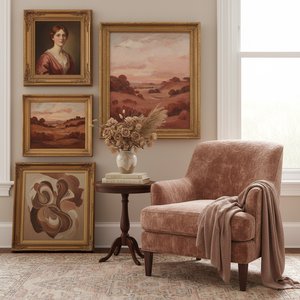
Rosy Brown Hues: 10 Master Paintings & Timeless Decor Ideas |
Explore 10 iconic paintings bathed in captivating rosy brown tones! From Rembrandt to Titian, discover the stories behind these masterpieces & their warm color palettes. Find museum-quality art reproductions and decor inspiration at .

10 Iconic Neoclassical Masterpieces That Changed Art History Forever
Journey through history with 10 Neoclassical masterpieces. From Jacques-Louis David to Ingres, explore the stories behind these timeless icons. Find museum-quality art reproductions and elegant decor inspiration at OriginalUniqueArt.com. Discover all masterpieces on OriginalUniqueArt.com
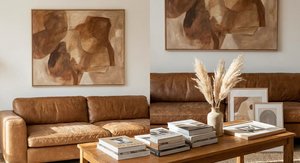
Sandy Brown Masterpieces: 10 Iconic Paintings & Timeless Decor Ideas
Explore 10 iconic paintings bathed in captivating sandy brown tones! From Rembrandt to Monet, discover the stories behind these timeless masterpieces & find museum-quality art reproductions for your home. Explore the full collection on OriginalUniqueArt.com.

10 Iconic Masterpieces Defined by Rich Rosy Brown Tones
Immerse yourself in the warmth of history with 10 iconic paintings defined by rosy brown tones. Explore the stories behind these timeless masterpieces and find inspiration for your decor. Discover museum-quality art reproductions on OriginalUniqueArt.com.
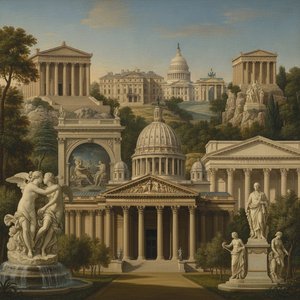
10 Iconic Neoclassical Masterpieces That Changed Art History Forever
Journey through history with 10 iconic Neoclassical masterpieces. From Jacques-Louis David to Ingres, explore the stories behind these timeless works of art. Find museum-quality reproductions and elegant decor inspiration at OriginalUniqueArt.com. Discover all masterpieces on OriginalUniqueArt.com


