
 Önizle
 Gönder
 Paylaş
 Detaylar
 Rehber

 Dosyayı İndir
 Benzerleri
 X-Işını
 Slayt Gösterisi
 İstatistikler
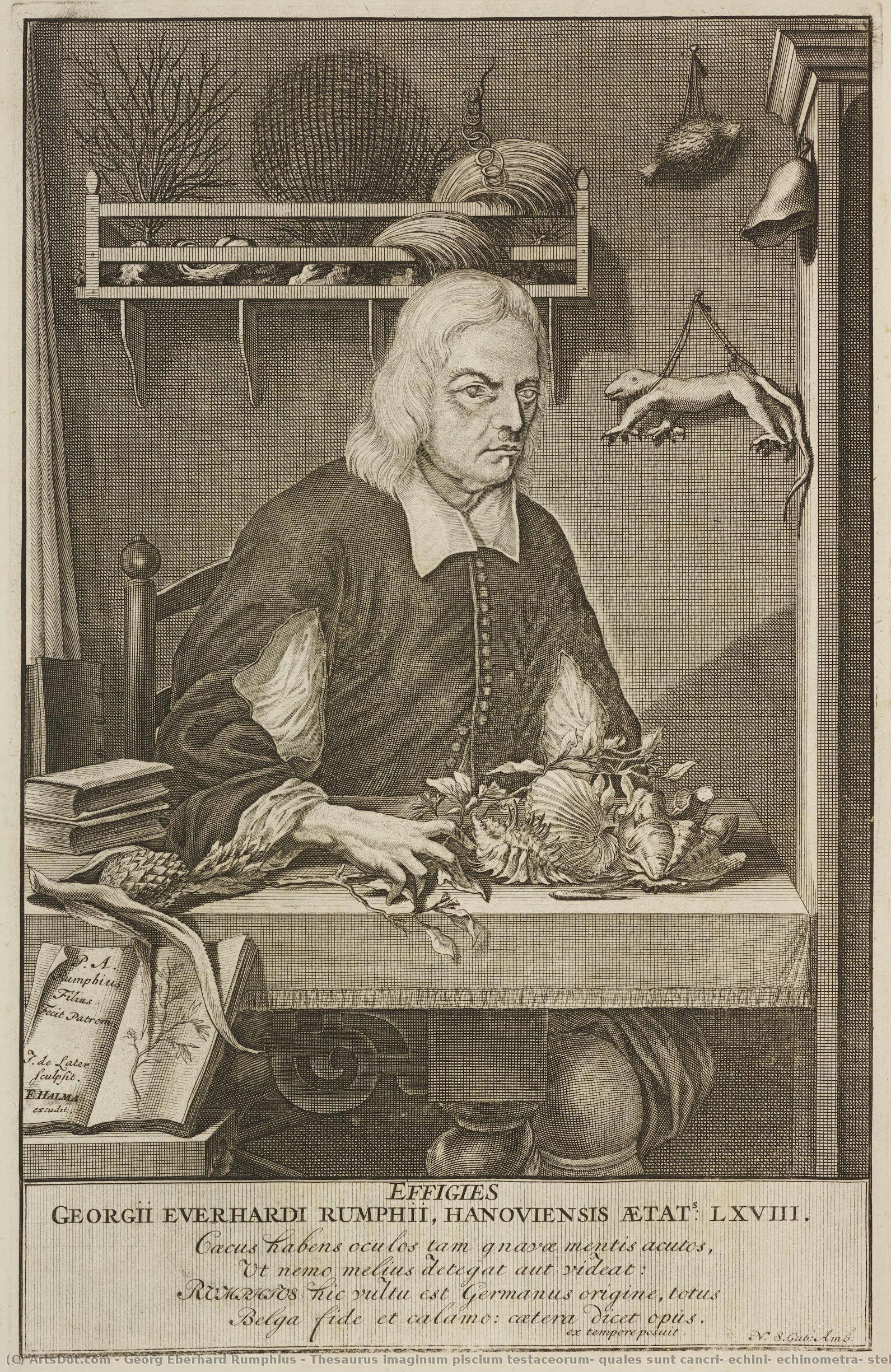
Thesaurus imaginum piscium testaceorum; quales sunt cancri, echini, echinometra, stellae marinae,


 Devamını Oku
Çevrimiçi önizlemeden çok daha yüksek kalitede, iyileştirilmiş ve yüksek çözünürlüklü bir dijital görüntü satın alın.
Her dosya, uzman ekibimiz tarafından gelişmiş araçlar ve titiz manuel rötuş teknikleri kullanılarak özenle hazırlanır. Her görüntünün olağanüstü netliğe, kusursuz renk doğruluğuna ve ince ayrıntılara sahip olduğundan emin oluruz.
Son dosya; profesyonel, editoryal ve baskı süreçlerinde anında kullanıma uygun şekilde optimize edilerek 72 saat içinde e-posta yoluyla teslim edilir. Bu, seçkin tasarım stüdyoları, yayıncılar ve galerilerin güvendiği aynı kalite standartlarındadır.
Dijital Görsel
Kişisel kullanım, baskı ve yaratıcı projeleriniz için yüksek çözünürlüklü bir dosya indirin. ( Baskı Satışına Geç El Yapımı Tablo Satın Al)
Her Dijital Görüntü Siparişine Dahil Olanlar
Profesyonel Dijital Teslimat Garantisi
OriginalUniqueArt.com seçtiğinizde, sadece bir görsel edinmekle kalmaz; titizlikle hazırlanmış, profesyonelce iyileştirilmiş dijital bir sanat eserine sahip olur ve memnuniyet garantisiyle güvence altına alınırsınız. Siparişinizle birlikte otomatik olarak sunulan her şey şunlardır:

Hızlı E-posta ile Teslimat
Yüksek çözünürlüklü dijital görüntü dosyanız, siparişinizin ardından en geç 72 saat içinde e-posta ile size gönderilecek ve hemen kullanıma hazır olacaktır.

Yapay Zeka Destekli Dijital Dosya
Sanat eseriniz; maksimum detay, netlik ve renk doğruluğu sağlamak amacıyla gelişmiş yapay zeka araçları ve manuel düzenleme kullanılarak profesyonelce optimize edilmektedir.

Ömür Boyu Ücretsiz Yeniden Gönderim
Dosyanızı yanlışlıkla mı sildiniz yoksa kayıp mı oldu? Endişelenmeyin; dosyanızı dilediğiniz zaman size ücretsiz olarak tekrar göndereceğiz.

Asla İthalat Ücreti Ödemeyin
Sanat eserinizin tadını gümrük vergisi, harç veya teslimat ücreti ödemeden anında çıkarın; dijital indirmeler her zaman vergiden muaftır.

Renk Doğruluğu Garantisi
Profesyonel araçlar ve renk yönetimi kullanarak dijital görselinizin orijinal renklere mümkün olduğunca yakın yansıtılmasını sağlıyoruz.

100 Günlük Memnuniyet Garantisi
If you're not satisfied with your digital image, we'll revise it or refund 100% within 100 days - no questions asked.

100% Para İadesi Garantisi
Memnun kalmadınız mı? Dijital dosyanızı teslim aldıktan sonraki 100 gün içinde, hiçbir soru sorulmaksızın tam para iadesi alabilirsiniz.

Toplu Sipariş İndirimleri
Buy 3 images, save 10% - Buy 5, save 15% - Buy 10+, save 20%. Great for creative projects, galleries, and agencies.
Sanatçı Biyografisi
Domenico Piola: The Architect of Genoese Ceilings
Domenico Piola, born in Genoa around 1627 and passing away in 1702, stands as a pivotal figure in the artistic landscape of his era – a true master of the Baroque period. More than simply a painter, he was the driving force behind the Piola family studio, a prolific workshop that dominated the decoration of ceilings throughout Genoa for nearly a century. His legacy isn’t defined by individual masterpieces hanging in grand museums, but rather by the sheer scale and enduring beauty of his contributions to countless churches and palaces across the city. Piola's influence extended beyond mere aesthetics; he was a meticulous planner, a skilled designer, and a shrewd manager, orchestrating a complex operation that produced an astonishing volume of decorative work.- Early Influences & Training: Piola’s artistic journey began under the tutelage of his older brother-in-law, Stefano Camogli, a respected Genoese painter. However, it was his connection to his even more accomplished brother, Pellegrino Piola, and the guidance of Pellegrino's teacher, Giovanni Domenico Cappellino – a prominent figure in the Roman Baroque – that truly shaped his style. Cappellino’s influence is particularly evident in Piola’s early works, characterized by a refined elegance and a masterful command of color and composition.
- The Rise of Casa Piola: Following Pellegrino's death, Domenico inherited the family studio, which quickly evolved into “Casa Piola.” This wasn’t merely a workshop; it was a fully integrated design and production center. The studio employed a team of skilled artisans – including Domenico’s brothers, Stefano Camogli, his sons, and even his sons-in-law – each contributing to the creation of elaborate ceiling decorations. This collaborative approach streamlined the process, allowing for the rapid execution of numerous commissions and establishing a distinctive style that became synonymous with the Piola name.
A Symphony of Color and Composition: The Style of Domenico Piola
Piola’s artistic signature is immediately recognizable – a vibrant, theatrical Baroque style infused with a distinctly Genoese sensibility. He wasn't interested in replicating existing styles; instead, he developed a unique approach that prioritized dynamism, illusionism, and an overwhelming sense of grandeur. His ceiling frescoes are not static images but rather immersive environments, designed to transport the viewer into a world of heightened emotion and spectacle.- Technique & Materials: Piola was renowned for his exceptional skill in *trompe-l'oeil* – creating the illusion of three-dimensional space on a flat surface. He employed a sophisticated understanding of perspective, light, and shadow to achieve this effect, often incorporating architectural elements, figures, and even landscapes that seemed to extend beyond the confines of the ceiling. His use of color was equally masterful, employing rich pigments and carefully calibrated harmonies to create dazzling visual effects.
- Thematic Elements: Piola’s decorations frequently featured allegorical scenes, religious narratives, and mythological subjects. He skillfully integrated these themes into the architectural context of each space, transforming churches and palaces into grand stages for divine stories and heroic tales. The *Palazzo Rosso* in Genoa is a prime example, where his depictions of the four seasons – Autumn, Winter, Spring, and Summer – are particularly celebrated for their dramatic intensity and meticulous detail.
Notable Works & Commissions
Piola’s prolific output resulted in an astonishing number of commissions throughout Genoa and beyond. While many of these works have been lost or damaged over the centuries, several remain as testaments to his skill and influence.- Palazzo Rosso (Genoa): His depictions of the four seasons within the Palazzo Rosso are arguably his most famous achievement. The dramatic intensity of Winter and Autumn, in particular, have been widely praised for their masterful use of color and composition.
- Churches throughout Genoa: Piola decorated numerous churches across the city, including the Duomo di San Lorenzo, the Chiesa di Santa Croce, and the Cappella di San Carlo Borromeo. His work in these spaces demonstrates his versatility and ability to adapt his style to different architectural contexts.
- Milan & Other Commissions: In 1684-85, Piola traveled to Milan, Piacenza, Bologna, and Asti, undertaking decorative projects for prominent patrons. These commissions further expanded his artistic repertoire and exposed him to new influences.
Legacy and Historical Significance
Domenico Piola’s impact on the art of Genoa is undeniable. He not only elevated the status of Genoese painting but also established a workshop that would shape the city's visual landscape for generations. His meticulous planning, innovative techniques, and collaborative approach revolutionized the process of ceiling decoration, transforming it from a craft-based activity into a sophisticated artistic endeavor. While his individual works may be less frequently exhibited than those of other Baroque masters, Piola’s legacy lives on in the countless ceilings that adorn the churches and palaces of Genoa – a vibrant testament to the genius of this remarkable artist. His work represents a crucial link between Italian Baroque painting and the development of decorative arts in Northern Europe, solidifying his place as a significant figure in European art history.
georg eberhard rumphius
1627 - 1702 , Germany
Kısa Bilgiler
- Artistic Movement Or Style: Baroque
- Artists Or Movements Influenced By This Artist: ['Casa Piola Studio']
- Artists Who Influenced This Artist:
- Stefano Camogli
- Giovanni Domenico Cappellino
- Date Of Birth: 1627
- Date Of Death: 1702
- Full Name: Domenico Piola
- Nationality: Italian
- Notable Artworks:
- Communion of Clare of Montefalco
- Decoration Palazzo Rosso
- Place Of Birth: Genoa, Italy