Baskı Satışına Geç
 Tümünü Gör







































 Herhangi bir kenarı 105 cm'den (yaklaşık 41 inç) büyük olan sanat eserleri veya reprodüksiyonlar için çerçeve, demonte edilmiş bir kit halinde gönderilecektir. Bu yöntem, güvenli teslimat sağlar ve taşıma sırasında oluşabilecek hasarları önler.


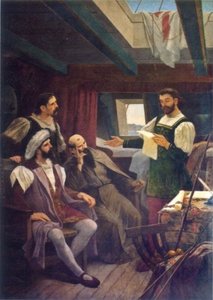
Gaspar Vaz de Caminha’s St. Paul – A Testament to Faith and Artistic Mastery
Gaspar Vaz de Caminha's "St. Paul," created in 1540, stands as a remarkable achievement of Brazilian Renaissance art—a poignant depiction of Saint Paul wrestling with his faith amidst the rugged beauty of mountainous India during Pedro Álvares Cabral’s expedition. This wooden sculpture transcends mere representation; it embodies spiritual contemplation and reflects the artistic sensibilities prevalent at the time.Subject Matter and Composition
The artwork portrays St. Paul in a dynamic pose, holding a book aloft—a symbol of divine scripture and intellectual pursuit—against a backdrop of imposing mountains. The artist’s meticulous attention to detail captures the solemnity of the figure's stance and conveys a palpable sense of determination. Two swords flank him, representing both spiritual combat and martyrdom – enduring emblems of Christian faith confronting adversity. Caminha skillfully utilizes perspective to create depth within the composition, drawing viewers into the scene and emphasizing Paul’s central role as a beacon of enlightenment.Style and Technique
“St. Paul” exemplifies the Brazilian Renaissance style, characterized by its humanist ideals and refined craftsmanship. Caminha employed traditional carving techniques—likely employing chisels and gouges—to sculpt the wood with remarkable precision. The smooth surface finish speaks to the artist’s mastery of material manipulation and contributes to the sculpture's overall elegance. Unlike many contemporary artworks focused on religious iconography, Caminha’s piece prioritizes conveying emotion rather than simply illustrating biblical narrative.Historical Context and Significance
Created during Cabral’s voyage to India—a pivotal moment in Portuguese colonial history—the sculpture reflects the burgeoning interest in classical art forms alongside Christian piety. The depiction of St. Paul aligns with the broader European Renaissance preoccupation with portraying saints as figures of moral virtue and intellectual prowess. Caminha's work is particularly noteworthy for its preservation within the New Hall Art Collection, demonstrating a commitment to safeguarding artistic heritage and sharing it with audiences worldwide.Emotional Impact and Artistic Legacy
“St. Paul” resonates deeply with viewers through its portrayal of unwavering faith confronted by hardship. The sculpture’s serene expression and contemplative posture invite reflection on themes of spirituality, perseverance, and the pursuit of knowledge—values that continue to inspire artists and collectors alike. Gaspar Vaz de Caminha's masterpiece remains a testament to Brazilian artistic excellence and serves as an enduring symbol of Christian devotion.Soru ve Cevaplar
"Saint Paul" eserinde en çok hangi renk öne çıkıyor?
"Saint Paul" adlı eserde en çok öne çıkan renk Ftalosiyanin Yeşili (#191913)'dır. Baskın rengi bilmek, bir sanat eserini iç mekânla eşleştirirken size yardımcı olur.
"Saint Paul" eserinin yazarı kimdir ve hangi akıma aittir?
"Saint Paul" eserinin arkasında Gaspar Vaz De Caminha ve Baroque Revival akımı yer almaktadır.
"Saint Paul" genel olarak daha mı açık yoksa daha mı koyu tonlarda?
Gaspar Vaz De Caminha imzalı "Saint Paul", derin gölge parlaklık ve Koyu düzeyinde bir lüminans ile kaydedilmiştir.
Bu tablo hakkında daha fazla bilgi
 Gerçek Boyutta Önizle
 Paylaş
 Paylaş
 Detayları Gör
 Rehber

 İndir
İndir
 Benzer ürünler
 X-Işını
 Slayt Gösterisi
 Soru & Cevap
 İstatistikler