

 Önizle
 Gönder
 Paylaş
 Detaylar
 Rehber

 Dosyayı İndir
 Benzerleri
 X-Işını
 Slayt Gösterisi
 İstatistikler
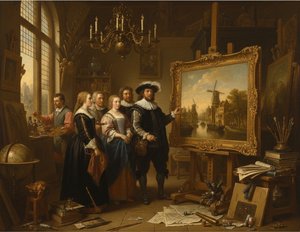
The Apothecary (The Chemist)
 Acrylic On Canvas
- WallArt
- Dutch Golden Age
 1661
1661 27.0 x 23.0 cm
 Louvre Müzesi
 Devamını Oku
El Yapımı Yağlı Boya Reproduksiyon
Sanatçılarımız tarafından sipariş üzerine hazırlanan; istediğiniz boyut ve çerçevede, tuval üzerine el boyaması yağlı boya. ( Baskı Satışına Geç Dijital Görsel Satışına Geç)




P118B ₺10

P118H ₺10

P118W ₺10

P438Z ₺10

P508JH ₺12

P508YH ₺12

P805H ₺10

P805Z ₺10

P919BZ ₺10

P919G ₺10

P919XJ ₺10

P959ZH ₺10

P968JZ ₺12

W106C ₺8

W218G ₺10

W218JH ₺8

W218Y ₺10

W307PJ ₺10

W316G ₺10

W316PJ ₺8

W316Y ₺10

W398PJ ₺8

W4111J ₺10

W500HY ₺15

W500JH ₺15

W692G ₺12

W849H ₺8

W940BG ₺15

W953PJ ₺8




Eserin orijinal oranlarıyla uyumlu, önceden belirlenmiş boyutlarımız arasından seçim yapın.

Çerçevenize veya duvarınıza uygun olması için ihtiyacınız olan genişliği ve yüksekliği yazın. Bu eser el boyamasıdır; bu nedenle farklı bir formdaki boyutlar için sanatçı, resmin etrafına biraz daha fazla boya ekleyebilir veya biraz daha kırpabilir — seçim sizin. Boyama işlemi başlamadan önce onaylamanız için size bir dijital taslak gönderiyoruz. Bu sayfada gösterilen resim gerçek sonucu yansıtmamaktadır — gerçek sonucu yalnızca taslak göstermektedir.
Siparişten sonra, OriginalUniqueArt.com ekibi talimatlar için müşteriye e-posta gönderecek ve bir taslak önizleme sunacaktır
Dünya Çapında Teslimat (); standart 5 hafta yerine 3/4 haftada. (23 Ekim). Kaliteden ödün verilmez.

Dünya Çapında Ücretsiz Ekspres Kargo

Yüksek Kaliteli Keten Tuval

Tam Nakliye Sigortası

Gümrük Vergisi İadesi Garantisi

Gerçek Renk Uyumu Garantisi

100 Günlük İade Koşulları (Sadece Üretim Hatalı Ürünler İçin)

%100 Para İade Garantisi

Toplu Alım Avantajı
 Cam seçeneği yalnızca 110 cm altındaki boyutlar için mevcuttur.

The Apothecary (The Chemist)
Baskı Tekniği
Baskı Boyutu
-


Toplam Fiyat
₺ 14668
A Window into 17th-Century Dutch Life
Gabriel Metsu’s “The Apothecary,” painted in Leiden around 1661, isn't merely a portrait; it’s a meticulously crafted snapshot of a specific moment within the vibrant tapestry of 17th-century Holland. More than just depicting a man at his desk, Metsu has created an intimate scene brimming with quiet contemplation and subtle symbolism – a window into the intellectual and domestic life of a Dutch scholar. The painting immediately draws the eye to its subject: a distinguished gentleman, clad in a rich red coat, seated amidst a carefully arranged study. His posture suggests absorption, his gaze directed towards a book or perhaps a document spread before him, hinting at scholarly pursuits.
Metsu’s genius lies not just in his realistic depiction of the figure but also in the masterful orchestration of the surrounding details. The room itself is bathed in soft, natural light streaming through an arched window, illuminating dust motes dancing in the air and casting a warm glow on the various objects within. A scattering of books – one resting at his feet, another upon the table – speaks to his intellectual life, while a cup suggests a moment’s respite. The inclusion of a small dog, curled up near his feet, adds a touch of domesticity and companionship, grounding the scene in everyday reality.
The Painter's Palette: Technique and Style
Metsu was renowned for his “eclectic” style – a refusal to adhere rigidly to any single artistic convention. This is vividly apparent in "The Apothecary," where elements of portraiture, genre painting, and still life converge seamlessly. His brushwork is remarkably delicate and precise, particularly evident in the rendering of fabrics and textures. The subtle gradations of light and shadow create a sense of depth and volume, while the muted color palette – dominated by browns, reds, and creams – contributes to the painting’s overall atmosphere of quiet contemplation.
Notably, Metsu employed a technique known as “clair-obscur,” utilizing strong contrasts between light and dark to model forms and create dramatic effects. This is particularly evident in the way he highlights the figure's face and hands, drawing attention to his features and gestures. The use of oil paint allowed for incredible detail and luminosity, capturing the textures of the books, the sheen of the fabrics, and the subtle nuances of light on surfaces.
Symbolism and Context: A Scholar’s World
Beyond its immediate visual appeal, “The Apothecary” is rich in symbolic meaning. The scholar's attire – the red coat, a symbol of status and learning – suggests his position within Dutch society. The books represent knowledge, wisdom, and intellectual pursuits, central values during the Golden Age. The inclusion of the dog can be interpreted as a symbol of loyalty and fidelity, qualities valued in both human relationships and scholarly endeavors.
Painted in 1661, the work reflects the burgeoning intellectual climate of the Dutch Republic, a period marked by religious tolerance, scientific inquiry, and economic prosperity. Leiden, where Metsu resided, was a center of learning and innovation, home to prominent universities and a thriving community of scholars. The painting captures this atmosphere of intellectual curiosity and quiet contemplation – a testament to the importance of knowledge and scholarship in Dutch society.
A Timeless Masterpiece: Emotional Resonance
“The Apothecary” transcends its historical context, offering a timeless portrayal of human intellect and domestic tranquility. The painting’s serene atmosphere invites viewers to pause and reflect on the simple pleasures of learning, companionship, and quiet contemplation. There's an undeniable sense of intimacy within the scene, as if we are privileged witnesses to a private moment in the scholar’s life. Metsu masterfully captures not just a likeness but also a mood – a feeling of thoughtful engagement with the world around him.
Soru ve Cevaplar
Gabriel Metsu imzalı "The Apothecary (The Chemist)" eseri bugün nerede sergileniyor?
Orijinal "The Apothecary (The Chemist)" eserini Louvre Müzesi, Paris, France bünyesinde görebilirsiniz.
"The Apothecary (The Chemist)" adlı eser, Gabriel Metsu'in diğer çalışmalarıyla hangi ortak noktaları paylaşıyor?
"The Apothecary (The Chemist)", Gabriel Metsu'in diğer eserleriyle birlikte Dutch Golden Age üslubunu ve işlenen temaları paylaşmaktadır: rembrandt, vermeer influences, domestic life, everyday scenes, symbolic, moral narratives, genre paintings, intimate moments.
Dutch Golden Age akımına ait olan "The Apothecary (The Chemist)" adlı eser hangi ülkeye aittir?
"The Apothecary (The Chemist)", Hollanda doğumlu Gabriel Metsu tarafından Dutch Golden Age akımı içerisinde yaratılmıştır. Sanatçının kökeni, eseri Dutch Golden Age akımının Hollandali sanatçılar tarafından uygulanan biçimine bağlamaktadır."
Sanatçı Biyografisi
Sanatsal Bir Keşif Yolculuğu
Gabriël Metsu, Hollandalı bir ressam olarak hayatını sanatsal keşifler ve yeniliklerle dolu bir serüven şeklinde sürdürdü. 1629 yılında dünyaya gelen Metsu'nun eserleri, muazzam bir sanatsal üretimin simgesi olan Hollanda Altın Çağı'nın ruhunu bütünüyle yansıtır. Bu biyografi, sanat dünyasına katkılarıyla bugün bile büyülemeye devam eden bu gizemli figürün yaşamına ve yapıtlarına derinlemesine bir bakış sunuyor.İlk Yıllar ve Etkiler
Metsu, 1629 yılında, aslen Hainault kökenli bir duvar halısı ustası ve ressam olan Jacques Metsu'nun oğlu olarak dünyaya geldi. Bu çok yönlü aile geçmişi, Gabriel'in farklı sanatsal tekniklere duyduğu erken dönem ilgisini muhtemelen beslemiştir. Ailenin Metsu'nun büyüdüğü Leiden'e taşınması, onu çeşitli kültürel etkilerle tanıştırmıştır.Sanatsal Kariyer
Metsu'nun kariyeri, tek bir stile veya tekniğe bağlı kalmamasıyla öne çıkmış ve ona "son derece eklektik bir sanatçı" unvanını kazandırmıştır. Eserleri; tarihsel tablolar, natürmortlar, portreler ve tür resimlerinden oluşan geniş bir yelpazeye yayılır. Dikkat çekici olan ise, 1t33 eserinden yalnızca 14'ünün tarihlendirilmiş olmasıdır; bu durum, yaratıcı süreci hakkında keşfedilmeyi bekleyen pek çok gizem bırakmaktadır.- Rembrandt van Rijn'ın Metsu'nun erken dönem eserleri üzerindeki etkisi, özellikle ışık ve renk kullanımıyla kendini açıkça hissettirir.
- Metsu'nun 1655 yılında Amsterdam'a taşınması, tarzında önemli bir kırılma noktası yaratarak ev içi mekanlara ve tür resimlerine daha fazla odaklanmasını sağlamıştır.
- Michiel van Musscher ve Joost van Geel'e verdiği eğitim ise sanat topluluğuna olan bağlılığının bir yansımasıdır.
Önemli Eserler ve Miras
Metsu'nun tabloları, popüler sembollerden beslenerek sıklıkla genç kadınları, pazar sahnelerini ve yaşlı insanları konu edinmiştir. Sembolizm kullanımının eşsiz bir örneği olan The Poultry Seller, bu tarzın en belirgin örneklerinden biridir. Önemli eserler:- The Sick Child (yaklaşık 1664), Metsu'nun Vermeer'in çalışmalarına duyduğu hayranlığı yansıtır.
- Portrait of the Family Hinlopen, tür resmi ile portre sanatını harmanlayan bir şaheserdir.
Müzeler ve Koleksiyonlar
Metsu'nun eserlerine Amsterdam'daki Rijksmuseum da dahil olmak üzere çeşitli müzelerde rastlamak mümkündür. Sanatı hakkında daha fazla bilgi edinmek ve diğer Hollanda Altın Çağı ressamlarını keşfetmek için kapsamlı bir genel bakış sunan /en/art/show/art-d3c627-en/ adresini ziyaret edebilirsiniz. Sonuç: Gabriel Metsu'nun yaşamı ve sanatı, Hollanda Altın Çağı'nın yenilikçi ruhunun bir kanıtıdır. Eklektik tarzı, zaman zaman gizemli olsa da sanat dünyasında silinmez bir iz bırakmıştır. Hayatı ve eserleri hakkında daha fazlasını keşfettikçe, Batı sanatının gelişimine yaptığı derin etkiyi bir kez daha anlıyoruz.- Hollanda Altın Çağı'nı daha derinlemesine anlamak için [https://en.wikipedia.org/wiki/dutch_golden_age_painting](https://en.wikipedia.org/wiki/dutch_golden_age_painting) adresine göz atabilirsiniz.
- Metsu'nun ve çağdaşlarının eserlerini daha fazla keşfetmek için [https://OriginalUniqueArt.com/@/gabriel-metsu](https://OriginalUniqueArt.com/@/gabriel-metsu) adresini ziyaret edebilirsiniz.
Kaynaklar:
- The House of Orange-Nassau Historic Collection Trust (Lahey, Hollanda), [https://OriginalUniqueArt.com/@@/a@d3ccx5](https://OriginalUniqueArt.com/@@/a@d3ccx5).
- Van Gogh Müzesi (Hollanda) - Sanatseverler için bir sığınak, [https://OriginalUniqueArt.com/@@/a@d3c8x3](https://OriginalUniqueArt.com/@@/a@d3c8x3).
- Hollanda Altın Çağı Resim Sanatı, [https://en.wikipedia.org/wiki/dutch_golden_age_painting](https://en.wikipedia.org/wiki/dutch_golden_age_painting).

Gabriel Metsu
1629 - 1667 , Hollanda
Kısa Bilgiler
- Doğum Tarihi: 1629
- Doğum Yeri: Leiden, Hollanda
- Etkilediği Sanatçılar:
- Michiel van Musscher
- Joost van Geel
- Sanatsal Akım: Hollanda Altın Çağı
- Sanatçıları Etkileyenler:
- Rembrandt van Rijn
- Johannes Vermeer
- Tam Adı: Gabriel Metsu
- Uyruğu: Hollandalı
- Ölüm Tarihi: 1667
- Önemli Eserleri:
- Hasta Çocuk
- Tavuk Satıcısı
- Hinlopen Ailesi Portresi
İlgili Yazılar

Golden Light & Dutch Skies: The Timeless Magic of Dutch Golden Age Landscapes
Discover the breathtaking beauty of Dutch Golden Age landscapes. Explore the mastery of light, chiaroscuro, and 17th-century realism through an expert art history lens, celebrating the enduring legacy of the Dutch Masters for discerning collectors and art lovers.
Illuminating Innovation: Exploring the Dutch Golden Age of Painting
Explore the Dutch Golden Age of painting with OriginalUniqueArt. Discover Rembrandt, Vermeer & other Masters. Learn about key characteristics, iconic artworks, and lasting influence. Expert insights for collectors & enthusiasts.

Crimson Threads of Narrative: Exploring Symbolism & Representation in Artworks Featuring the Red Dress
Explore the rich symbolism of the red dress in art history! From ancient power displays to iconic portraits like Cézanne’s 'Madame Cezanne', discover the cultural and artistic significance behind this captivating color. Expert analysis & insights.

Gabriel Metsu: Illuminating Dutch Daily Life with Exquisite Detail
Explore the captivating world of Gabriel Metsu, a leading Dutch Golden Age painter. Discover his exquisite genre scenes, masterful realism, and insightful social commentary. Learn about key works & his lasting legacy.

Hollanda Altın Çağı'nın 10 Eseri: Sanat ve Ev Dekorasyonunda Usta Dokunuşlar
Hollanda Altın Çağı'nın en büyüleyici 10 eseriyle sanat tarihine yolculuk! Rembrandt, Vermeer ve daha fazlasının ustalıklarını keşfedin. Evinizi sanatla taçlandırın. OriginalUniqueArt.com’da tüm başyapıtları inceleyin.
