 Gerçek Boyutta Önizle
 Paylaş
 Paylaş
 Detayları Gör
 Rehber

 İndir
İndir
 Benzer ürünler
 X-Işını
 Slayt Gösterisi
 Soru & Cevap
 İstatistikler
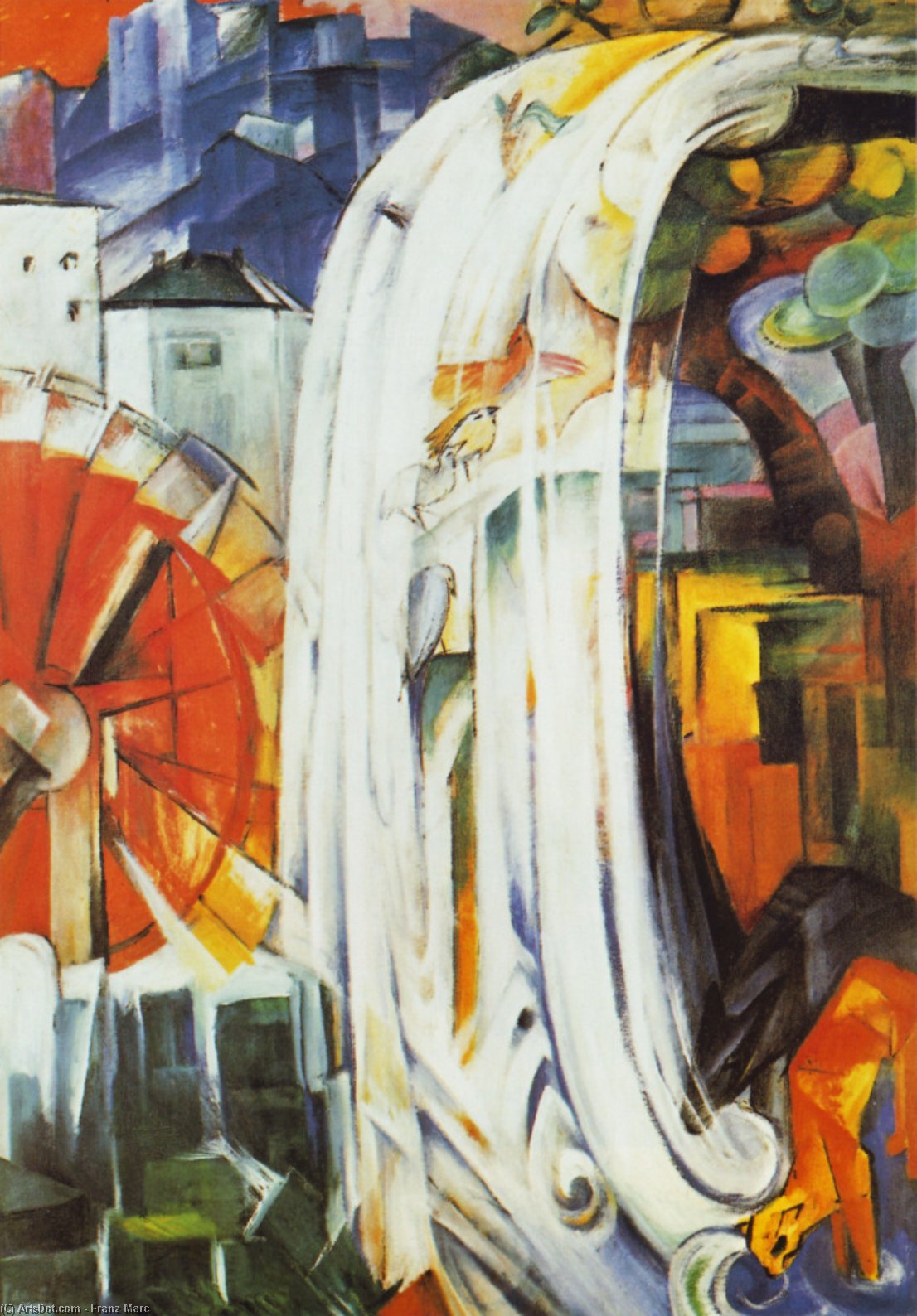
The Enchanted Mill

- 130.0 x 90.0 cm


 Tümünü Gör
Giclée / Sanat Baskısı
Hızlı üretim ve esnek bitiş seçenekleriyle müze kalitesinde giclée veya kanvas baskı. ( El Yapımı Tablo Satın Al Dijital Görsele Geç)




P118B ₺10

P118H ₺10

P118W ₺10

P438Z ₺10

P508JH ₺12

P508YH ₺12

P805H ₺10

P805Z ₺10

P919BZ ₺10

P919G ₺10

P919XJ ₺10

P959ZH ₺10

P968JZ ₺12

W106C ₺8

W218G ₺10

W218JH ₺8

W218Y ₺10

W307PJ ₺10

W316G ₺10

W316PJ ₺8

W316Y ₺10

W398PJ ₺8

W4111J ₺10

W500HY ₺15

W500JH ₺15

W692G ₺12

W849H ₺8

W940BG ₺15

W953PJ ₺8




Eserin orijinal oranlarıyla uyumlu, önceden belirlenmiş boyutlarımız arasından seçim yapın.

Çerçevenize veya duvarınıza uygun olması için ihtiyacınız olan genişlik ve yüksekliği yazın. Bir baskı yalnızca kesilebilir, görselden daha büyük hale getirilemez; bu nedenle farklı bir formdaki boyut seçimi, görselin bir kısmının kaybına neden olur. Herhangi bir baskı yapmadan önce onaylamanız için size bir dijital taslak gönderiyoruz. Bu sayfada gösterilen resim gerçek kesimi göstermez — bunu yalnızca taslak gösterir.
Dünya Çapında Teslimat (); standart 4/5 hafta yerine 2 haftada. (10 Kasım)

Dünya Çapında Ücretsiz Ekspres Kargo

Yüksek Kaliteli Keten Kanvas

Tam Nakliye Sigortası

Gümrük Vergisi İadesi Garantisi

Gerçek Renk Uyumu Garantisi

100 Günlük İade Politikası (Sadece Kusurlu Ürünler İçin)

%100 Para İade Garantisi

Toplu Alım İndirimi
 Cam seçeneği yalnızca 110 cm altındaki boyutlar için mevcuttur.

The Enchanted Mill
Giclée / Sanat Baskısı
Reproduksiyon Boyutu
-


Toplam Tutar
₺ 3998
The Enchanted Mill
Franz Marc’s “The Enchanted Mill” stands as an emblem of German Expressionism, a movement that sought to convey emotion and spiritual experience through bold color and distorted forms. Created in 1913, this monumental oil on canvas—measuring 130 x 90 cm—currently resides at the Art Institute of Chicago, offering visitors a glimpse into the artistic fervor of its time. More than just a depiction of a rural landscape, it’s an exploration of primal forces and the interconnectedness of nature and humanity.Composition and Elements
At first glance, the painting overwhelms with its sheer scale and vibrant palette. Dominating the canvas is a colossal wheel—a symbol of relentless energy and cyclical time—spinning furiously against a backdrop of towering trees and rolling hills. This central element isn’t merely decorative; it embodies the dynamism inherent in existence itself. Complementing this monumental form are several carefully positioned elements: a clock on the left side, serving as a reminder of human temporality and mortality; a bird perched atop one of the trees, representing freedom and aspiration; and two figures—one positioned centrally near the wheel’s axis, embodying stillness and contemplation, while another resides closer to the bottom right corner, suggesting an active engagement with the surrounding environment.Color Palette
Marc’s masterful use of color is arguably the painting's most striking characteristic. He employs a rich tapestry of hues—deep reds, intense blues, verdant greens, luminous yellows, and ethereal whites—to generate a palpable atmosphere of enchantment. These colors aren’t applied randomly; they are meticulously blended to create subtle gradations and contrasts that heighten visual impact. The artist's deliberate manipulation of light and shadow adds depth and dimensionality to the scene, fostering an immersive experience for the viewer. Shades of red convey passion and vitality, while blues evoke serenity and contemplation—a harmonious blend reflecting Marc’s profound belief in the spiritual significance of color.Artistic Style
Franz Marc was a pivotal figure in German Expressionism, co-founder of Der Blaue Reiter (“The Blue Rider”), a journal that championed artistic experimentation and spiritual exploration. His mature works are characterized by expressive brushstrokes—often thick and impasto—that convey emotion rather than precise representation. Marc’s stylistic approach aligns closely with Cubism, albeit infused with Surrealist sensibilities. He dismantles traditional perspective, fracturing forms into geometric planes to capture multiple viewpoints simultaneously. This technique underscores the artist's desire to transcend objective observation and delve into the realm of subconscious thought—a hallmark of Expressionist aesthetics.Relevance to Modern Art
“The Enchanted Mill” transcends its immediate historical context, foreshadowing developments in Surrealism and influencing subsequent generations of artists. Its audacious blend of Cubist fragmentation and Surrealist symbolism anticipates the exploration of dreamlike imagery and irrational associations that would define Surrealist art. The painting’s enduring appeal lies in its ability to communicate profound ideas about life, death, and the relationship between humanity and nature—themes that continue to resonate with audiences today. It stands as a testament to Marc's unwavering conviction that art could serve as a conduit for spiritual insight, cementing his place among the most influential artists of the 20th century.- Other Works by Franz Marc
- The Enchanted Mill | The Art Institute of Chicago
- Franz Marc Museum
- Franz Marc
For more information on Franz Marc and his works, visit Franz Marc at OriginalUniqueArt.com.
Soru ve Cevaplar
Franz Marc imzalı "The Enchanted Mill" eserinin renkleri, barındırdığı duyguyla nasıl bir ilişki içinde?
Franz Marc imzalı "The Enchanted Mill" eserinin Neutrals paleti, Mysterious duygusal tonuyla bir bütünlük sergiliyor. Renk, bir eserin duyguyu aktarma yollarından biridir.
"The Enchanted Mill" ne tür bir eser?
"The Enchanted Mill", bir WallArt eseridir.
Franz Marc imzalı "The Enchanted Mill" neyi betimliyor ve nasıl bir duygu uyandırıyor?
Franz Marc imzalı "The Enchanted Mill", animal, mill, wheel, clock, color palette, expressionism, surrealism öğelerini Serene bir atmosferle birleştiriyor.
Sanatçı Özgeçmişi
Erken Yaşam, Aile ve Eğitim
Franz Marc, Almanya'nın Münih kentinde, manzara resminin görsel dilinin halihazırda köklü bir yer edindiği bir evde dünyaya geldi. Babası Wilhelm Marc'ın profesyonel bir manzara ressamı olması, sanatın işleyişine dair, tam olarak kesin olmasa da doğrudan bir giriş imkanı sağladı. Bu ailevi bağ, sanatın araçlarının en başından itibaren hayatında yer alması anlamına geliyordu; ancak Marc'ın yolu, mirastan tuvale uzanan düz bir çizgi değildi. Resim sanatına kendini adamadan önce, teoloji ile uğraştığı bir dönem geçirdi; bu ruhsal arayış dönemi, daha sonra görsel üretiminin yoğunluğunu belirleyen temel unsur olacaktı. Kutsal olan ile maddi olan arasındaki bu gerilim, onun sonraki çalışmalarına o kendine has, ağır ve derin anlamı kazandıran şeydir.
Resmi eğitimi, 1900 yılında Ludwig-Maximilians-Universität München'deki sanat programına kaydolmasıyla başladı. Bu akademik temel, yalnızca bir formaliteden ibaret değildi; geleneksel temsiliyet biçimlerini en sonunda yıkıp geçmesi için gereken teknik disiplini ona kazandırdı. Münih Üniversitesi'ndeki eğitiminin ardından Münih Güzel Sanatlar Akademisi'ne geçti. Bu eğitim süreci, onu genel akademik ilkelerden, gelecekte öncülüğünü yapacağı radikal değişimler için gereken o uzmanlaşmış ve yoğun odaklanmaya doğru sürükledi. O, tesadüfi bir yeteneğin ürünü değil; Münih'in resmi geleneklerine bilinçli ve yapılandırılmış bir şekilde dalış yapmanın bir sonucuydu.
Sanatsal Gelişim ve Etkiler
Marc’ın ilk dönem eserleri, akademik resmin ve Empresyonizmin ağır yükünü yansıtmaktadır. Bu geleneksel temeller, sanatçının nihayetinde parçalarına ayıracağı teknik yapıyı ona sağlamıştır. Fransa’da geçirdiği zaman, özellikle 1903 ve 1907 yıllarında Paris’e yaptığı ziyaretler, bu kopuş için bir katalizör görevi görmüştür. Vincent van Gogh’nun eserleriyle Paris’te tanışması, sanatçının dünyasında dönüm noktası olmuştur. Bu karşılaşma, eğitiminin katı yapılarına karşı gerekli bir alternatif sunmuş; rengi sadece betimleyici bir unsur olmaktan çıkarıp, doğrudan duygusal bir ifade aracına dönüştürme yolunu açmıştır.
Soyutlamaya doğru gerçekleşen bu yönelim, ani bir sıçrama değil, 20. yüzyılın başındaki evrimleşen görsel dile verilmiş hesaplanmış bir yanıttı. Robert Delaunay’nın soyut formlar ve yoğun renk paletleri üzerine yaptığı keşifler, Marc’ın kendi sadeleşme yolculuğu için bir yol haritası oluşturmuştur. Manzaranın gerçekçi temsilinden uzaklaşan sanatçı, bunun yerine özneleri en temel, en öz biçimlerine kadar soymayı amaçlamıştır. Bu süreç, onun doğal dünyanın yüzeyinin ötesine geçerek daha öznel ve yoğun bir ifade tarzına ulaşmasına olanak tanımıştır.
Mavi Binici ve Dışavurumculuk
Sadece bir temsil biçimi olmaktan çıkıp ruhsal bir hakikat arayışına evrilmek, Marc'ın modernizme yaptığı en önemli katkıyı tanımlar. Kendi akımını kurmadan önce, Neue Künstlervereinigung München ile çeşitli deneyimler yaşadı. Bu deneme yanılma süreci, dönemin akademik kısıtlamalarından kopabilmek adına elzem bir adımdı. 1911 yılına gelindiğinde Marc, Wassily Kandinsky ile birlikte Der Blaue Reiter grubunun kurucuları arasında yer aldı. Bu, sıradan bir sosyal kulüp değil; statükodan radikal bir kopuştu. Grup, içsel ruhsal gerçeklikleri ifade etmek için soyutlamanın ve sembolik rengin gücünden yararlanmak amacıyla Der Blaue Reiter dergisini bir araç olarak kullandı. Amaçları, fiziksel dünyanın yüzeysel katmanlarını aşarak daha özsel bir hakikate ulaşmaktı.
Bu hareket, 20. yüzyılın başındaki endüstriyel ve gri gerçekliğe karşı doğrudan bir meydan okumaydı. Marc ve meslektaşları, sadece göze değil, ruha hitap edebilecek bir görsel dilin peşindeydiler. Rengin bir ruhsal frekans gibi işlev gördüğü bir üsluba doğru yöneldiler. Bu, görüleni resmetmekten ziyade, bir öznenin içsel cevherini yakalamakla ilgiliydi. Odak noktası, dışsal manzaradan yaşamın ritmik ve sembolik bir yorumuna kaydı. Bu dönem, Alman Dışavurumculuğunun en güçlü ve mecazi olmayan sesini bulduğu o kritik anı temsil ediyordu.
Teknik ve Sembolik Üslup
Franz Marc’ın görsel dili, betimsel doğruluğu reddeden, katı ve bilinçli bir renk sembolizmi sistemine dayanır. O, renkleri doğal dünyayı taklit etmek için değil, ruhsal bir hiyerarşiyi haritalandırmak için kullanmıştır. Onun paletinde mavi, maskülenliği ve maneviyatı temsil ederken; sarı, dişilliği ve neşeyi simgeler. Kırmızı ise maddiyatı ve şiddeti bünyesinde barındırır. Bu, rastgele bir estetik tercih değil; içsel gerçekleri dışsal pigmentler aracılığıyla iletmeye yönelik yapılandırılmış bir çabaydı. Marc, gerçekliğin yüzeysel katmanlarını soyup atarak, izleyiciyi rengin kendi duygusal ağırlığıyla yüzleşmeye zorlamıştır.
Tekniği, formun radikal bir şekilde sadeleştirilmesi yönünde evrilmiştir. Karmaşık biyolojik yapıları, özgün ve ritmik şekillere indirgemiştir. Bu indirgemecilik, cesur ve doğallıktan uzak renklerle birleştiğinde, özne ile çevresi arasında yoğun bir gerilim yaratmıştır. Kısa, kararlı fırça darbeleri ve impasto tekniğini kullanarak doku oluşturmuş; bu da kompozisyonlarına, konularının soyutluğuyla çelişen fiziksel bir varlık kazandırmıştır. Sonuçta ortaya çıkan üslupta hayvan, artık etten kemikten bir canlı değil, belirli ve kodlanmış bir enerjinin taşıyıcısıdır.
- The Tower of Blue Horses (1913)
- The World-Cow (1913)
- The Foxes (1913)
Temel Eserler ve Konu Seçimi
Franz Marc’ın olgunluk dönemi eserleri, merkezine hayvanlar âlemini alır. Statik manzara resimlerinden uzaklaşarak atlar, geyikler ve tilkiler gibi canlılara odaklanmaya başlamıştır. Bu figürler, basit biyolojik çalışmalar olmaktan ziyade, ruhsal enerjinin taşıyıcıları olarak işlev görürler. 1911 yılında, doğal olmayan renk kullanımına olan eğilimini perçinleyen The Large Blue Horses adlı eserini üretmiştir. 1912 yılına gelindiğinde ise Tiger ve Red Deer eserlerinde görüldüğü üzere, kompozisyonları daha agresif ve yapılandırılmış bir hal almıştır. Bu tablolar, özelleşmiş ve ritmik formlar aracılığıyla, konularının doğasında var olan nitelikleri yakalamaya yönelik bir dönüşümü gözler önüne serer.
Sanatçının üslubunun evrimi, soyutlamaya doğru giden net bir çizgiyi takip eder. 1913 tarihli The Foxes çalışması, formu parçalamak için kristalize bir kompozisyon kullanarak Fransız Kübizmi'nin etkilerini yansıtır. Bu yaklaşım, 1913 yılında resimlenen ve konunun kozmik bir varlığın sembolüne dönüştüğü The World-Cow eserinde zirve noktasına ulaşır. Marc'ın sanatı, kendine has bir renk mantığına dayanır: mavinin maskülenliği ve ruhsallığı, sarının dişilliği ve neşeyi, kırmızının ise şiddeti ve maddiyatı temsil etmesi gibi. Bu sistem, her bir hayvan portresini gerçekçi bir tasvir olmaktan çıkarıp felsefi bir beyana dönüştürür.
- The Large Blue Horses (1911)
- Tiger (1912)
- Red Deer (1912)
- The Foxes (1913)
- The World-Cow (1913)
Son Yılları ve Ölümü
Franz Marc'ın kariyerindeki yükseliş, 1914 yılında Birinci Dünya Savaşı'nın patlak vermesiyle aniden kesintiye uğradı. Bir sanatçı olarak saygın bir konuma sahip olmasına rağmen, Alman ordusuna süvari olarak çağrıldı. Bu çatışma, sanatçıyı ruhsal soyutlama arayışından kopararak askeri hizmetin acımasız gerçekliğine sürükledi. Savaşın yarattığı kaosun ortasında bile, etrafındaki dünya parçalanırken, fırçasıyla anlam bulmaya çalışarak resim yapmaya devam etti.
Hayatı, 4 Mart 1916 tarihinde Verdun Muharebesi'nde son buldu. Bu ölüm, savaşın başlamasından sadece iki yıl sonra gerçekleşti. Saflık arayışıyla şekillenen bir kariyeri, bir şarapnel parçasıyla gelen şiddetli bir sonla yarım kaldı. Verdun'daki bu ani ölüm, Alman Dışavurumculuğu'nun gelişiminde büyük bir boşluk yarattı ve Marc'ın daha radikal bir soyutlamaya doğru ilerleyen yolculuğunu, mantıksal sonucuna ulaşamadan durdurdu.
Miras ve Etki
Franz Marc, Alman Dışavurumculuğu tarihinin en merkezi figürlerinden biri olmaya devam ediyor. Onun sanata kattığı değer, renk ve form yaklaşımıyla modern sanatın odağını dışsal gözlemden içsel ruhsal gerçeğe nasıl kaydırdığıyla ölçülmektedir. Kariyeri trajik bir şekilde yarıda kesilmiş olsa da, eserlerinin dünyanın dört bir yanındaki büyük müzelerdeki kalıcı varlığı sayesinde etkisi sürmektedir. Hayvanların özünü sembolik ve doğacı olmayan formlara indirgeme yeteneği, 20. yüzyıl başı resminin gidişatını kökten değiştirmiştir.
1930'ların siyasi atmosferi, bu büyük katkıyı silmeye çalıştı. Nazi rejimi, modernizmi bastırmaya yönelik geniş kapsamlı bir çabanın parçası olarak Marc'ı "yozlaşmış sanatçı" olarak damgaladı. Bu sistematik kampanyaya rağmen, eserlerinin büyük bir çoğunluğu İkinci Dünya Savaşı'nın yıkımından sağ çıkmayı başardı. Bu hayatta kalış, onun görsel dilinin çağdaş izleyiciler için erişilebilir kalmasını sağlamaktadır. Eserleri, doğaya karşı gerçekçi temsilin kısıtlamalarından kaçınan, doğrudan ve duygusal bir yanıt sunduğu için yankılanmaya devam etmektedir.
- The Foxes (1913)
- The World-Cow (1913)
- Red Deer (1912)
Eserleri Bugün Nerede Görülebilir?
Franz Marc'ın vizyonunun fiziksel gerçekliğiyle buluşmak için, 20. yüzyılın tüm çalkantılarına rağmen onun mirasını korumayı başarmış özel kurumsal koleksiyonlara bakmak gerekir. Almanya'nın Kochel am See kasabasında bulunan Franz Marc Müzesi, 150'den fazla eseriyle sanatçının mirasının en temel merkezlerinden biri olarak işlev görür ve sanatçının Bavyera manzaraları içindeki gelişimine doğrudan bir bakış sunar. Münih'te ise Lenbachhaus, Alman Dışavurumculuğu'na yaptığı katkıları yoğun bir şekilde inceleme imkanı tanıyan kapsamlı bir koleksiyonu bünyesinde barındırır. Ayrıca Münih'teki Staatsgalerie Moderner Kunst da önemli parçalara ev sahipliği yaparak, sanatçının şehrin sanat tarihindeki merkezi konumunu pekiştirmeye devam eder.
Sanatçının etkisi Alman sınırlarının çok ötesine uzanır ve dünyanın önde gelen uluslararası müzeleri onun tuvallerine ev sahipliği yapar. Amerika Birleşik Devletleri'nde, Art Institute of Chicago, The Enchanted Mill eserine sahiptir. Bu farklı coğrafyalara dağılmış lokasyonlar, onun modern soyutlama üzerindeki etkisinin küresel ölçekte anlaşılmasını sağlar. Bu eserleri bizzat görmek, dijital reprodüksiyonlarda sıklıkla ağırlığını kaybeden fırça darbelerinin gerçek dokusunu ve renk seçimlerinin o kendine has yoğunluğunu keşfetmenize olanak tanır.
- The Enchanted Mill (1913)
- The Tower of Blue Horses (1913)
- Red Deer II (1912)
- The Tiger (1912)

Franz Marc
1880 - 1916 , Almanya
Kısa Bilgiler
- Artistic Movement Or Style: Alman Dışavurumculuğu
- Artists Or Movements Influenced By This Artist: ['Alman Dışavurumculuğu']
- Artists Who Influenced This Artist:
- Vincent van Gogh
- Robert Delaunay
- Date Of Birth: 1880
- Date Of Death: 1916
- Full Name: Franz Moritz Wilhelm Marc
- Nationality: Alman
- Notable Artworks:
- Büyük Mavi Atlar
- Kaplan
- Kızıl Geyik II
- Dünya-İnek
- Place Of Birth: Münih, Almanya
Benzer Yazılar

Franz Marc: Expressionism, Spirituality & the Animal Symbolism of a Modern Master
Explore the profound world of Franz Marc's Expressionist paintings. Discover his spiritual connection to animals, innovative use of color, and lasting impact on modern art history. Learn more at OriginalUniqueArt.

Slate Blue Masterpieces: 10 Iconic Paintings & Timeless Home Decor Ideas
Immerse yourself in the captivating world of slate blue! Explore 10 iconic paintings by Monet, Van Gogh & Renoir. Discover their stories, techniques & find museum-quality art reproductions for your home at .

German Expressionism's 10 Defining Masterpieces | Art for Your Home
Explore 10 defining German Expressionism masterpieces – from Munch's 'The Scream' to Kandinsky’s abstracts. Discover the artists, stories & bold colors behind this powerful art movement. Find museum-quality reproductions at OriginalUniqueArt.com.
Sanatta Hayvanlar: İç Mekân Tasarımında Sembolizm ve Estetik Dönüşüm
Sanatta hayvanların sembolik anlamlarını keşfedin! Türk resim sanatından iç mekan tasarımına kadar kapsamlı rehberimizle evinizi dönüştürün. OriginalUniqueArt ile kaliteli yağlı boya tablolar ve özel portre siparişleri.
The Allure of Azure: Exploring the Symbolic & Aesthetic Depths of Blue in Art History
Explore the rich history of blue in art! Discover its symbolism, from ancient pigments to modern masterpieces by Kandinsky & Seurat. Uncover the psychological impact and cultural meanings behind this captivating hue.