

 Önizle
 Gönder
 Paylaş
 Detaylar
 Rehber

 Dosyayı İndir
 Benzerleri
 X-Işını
 Slayt Gösterisi
 İstatistikler
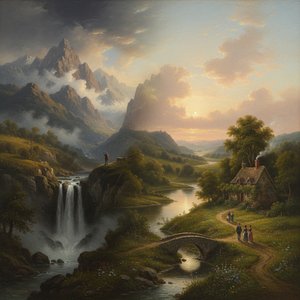
Beethoven Komponist und Landschaft


 Devamını Oku
Giclée / Sanat Baskısı
Hızlı üretim ve esnek bitiş seçenekleriyle müze kalitesinde giclée veya kanvas baskı. ( El Yapımı Tablo Satın Al Dijital Görsel Satışına Geç)




P118B ₺10

P118H ₺10

P118W ₺10

P438Z ₺10

P508JH ₺12

P508YH ₺12

P805H ₺10

P805Z ₺10

P919BZ ₺10

P919G ₺10

P919XJ ₺10

P959ZH ₺10

P968JZ ₺12

W106C ₺8

W218G ₺10

W218JH ₺8

W218Y ₺10

W307PJ ₺10

W316G ₺10

W316PJ ₺8

W316Y ₺10

W398PJ ₺8

W4111J ₺10

W500HY ₺15

W500JH ₺15

W692G ₺12

W849H ₺8

W940BG ₺15

W953PJ ₺8




Eserin orijinal oranlarıyla uyumlu, önceden belirlenmiş boyutlarımız arasından seçim yapın.

Çerçevenize veya duvarınıza uygun olması için ihtiyacınız olan genişlik ve yüksekliği yazın. Bir baskı yalnızca kesilebilir, görselden daha büyük hale getirilemez; bu nedenle farklı bir formdaki boyut seçimi, görselin bir kısmının kaybına neden olur. Herhangi bir baskı yapmadan önce onaylamanız için size bir dijital taslak gönderiyoruz. Bu sayfada gösterilen resim gerçek kesimi göstermez — bunu yalnızca taslak gösterir.
Dünya Çapında Teslimat (); standart 4/5 hafta yerine 2 haftada. (24 Ekim)

Dünya Çapında Ücretsiz Ekspres Kargo

Yüksek Kaliteli Keten Tuval

Tam Nakliye Sigortası

Gümrük Vergisi İadesi Garantisi

Gerçek Renk Uyumu Garantisi

100 Günlük İade Koşulları (Sadece Üretim Hatalı Ürünler İçin)

%100 Para İade Garantisi

Toplu Alım Avantajı
 Cam seçeneği yalnızca 110 cm altındaki boyutlar için mevcuttur.

Beethoven Komponist und Landschaft
Giclée / Sanat Baskısı
Baskı Boyutu
-


Toplam Fiyat
₺ 3912
Beethoven composing the Pastoral Symphony
Caspar David Friedrich, born in 1774 in the windswept Baltic town of Greifswald, wasn’t merely a painter; he was a translator of experience. His life, marked by profound personal loss and an intense connection to nature, became inextricably woven into the fabric of his art – a body of work that continues to resonate with viewers today as a poignant exploration of spirituality, solitude, and the sublime. Often considered the most important German artist of his generation, Friedrich’s landscapes aren't simply depictions of scenery; they are carefully constructed invitations to contemplate the mysteries of existence, rendered in a style both intensely personal and profoundly influential.
Early Life and Influences: A World Shaped by Loss
Friedrich’s childhood was shadowed by tragedy. The early deaths of his mother and brother instilled within him a deep sense of melancholy and an acute awareness of mortality – themes that would repeatedly surface in his art. This personal sorrow, coupled with the strict religious upbringing he received within a devout Lutheran family, profoundly shaped his worldview. He initially pursued studies at the University of Greifswald, focusing on architecture before ultimately dedicating himself to painting. Crucially, during this period, he encountered and was deeply moved by the works of Dutch masters like Jacob van Ruisdael and Jan Vermeer – artists who had mastered the subtle nuances of light and atmosphere, capturing a sense of quiet contemplation within their landscapes. These early influences instilled in him a meticulous attention to detail and a desire to evoke a specific mood or feeling through his art.
Friedrich’s artistic journey truly began after he moved to Copenhagen, where he studied at the Royal Danish Academy. However, it was in Dresden, the capital of Saxony, that he established himself as an artist and developed his unique style – a cornerstone of the burgeoning German Romantic movement. Unlike the Neoclassical emphasis on reason and order, Friedrich sought to capture the emotional power of nature, prioritizing subjective experience over objective representation. His paintings are characterized by a dramatic use of light and shadow, often employing a muted palette dominated by blues, greys, and browns, creating an atmosphere of mystery and introspection.
Several paintings stand as particularly potent examples of Friedrich’s artistic vision. “Wanderer above the Sea of Fog” (1818), perhaps his most iconic work, depicts a solitary figure gazing out over a misty landscape, embodying both human ambition and the humbling power of nature. “The Abbey in the Oak Forest” (1809) explores themes of spirituality and decay, juxtaposing the grandeur of the ruined abbey with the dense, brooding forest. “Chalk Cliffs on Rügen” (1826), showcases his mastery of atmospheric perspective and the evocative use of light to create a sense of depth and distance.
Beyond their visual beauty, these works are laden with symbolic meaning. Friedrich frequently employed motifs such as ruins, mountains, forests, and bodies of water – each carrying layers of historical, religious, and philosophical significance. He deliberately blurred the boundaries between reality and imagination, inviting viewers to engage in a dialogue with the artwork and project their own emotions and experiences onto it.
Detailed Analysis:
- Style: Friedrich’s style is undeniably Romantic, prioritizing emotional expression over rational representation. He meticulously studied the techniques of Dutch masters like Vermeer to achieve remarkable realism in capturing light and atmosphere.
- Technique: Primarily employing aquatinta etching after a drawing by Franz Hegi, Friedrich utilized a technique that allowed for subtle tonal variations and an ethereal quality, enhancing the mood of contemplation.
- Historical Context: The painting emerged during a period of significant intellectual and artistic upheaval—the Romantic movement—challenging Enlightenment ideals with its focus on intuition and emotion.
- Symbolism: The solitary figure represents humanity’s yearning for transcendence amidst the vastness of nature, mirroring Friedrich's own spiritual quest.
- Emotional Impact: “Beethoven composing the Pastoral Symphony” evokes feelings of serenity, melancholy, and awe—encouraging viewers to contemplate profound questions about existence and our relationship with the natural world.
Soru ve Cevaplar
Franz Hegi imzalı "Beethoven Komponist und Landschaft" ne kadar tanınıyor?
"Beethoven Komponist und Landschaft", İkonik olarak sınıflandırılmaktadır.
Franz Hegi imzalı "Beethoven Komponist und Landschaft" reprodüksiyonu nereye asılmalı?
Franz Hegi imzalı "Beethoven Komponist und Landschaft" eserinin Dikey format formatı, Oturma Odası için önerilmektedir. Format ve alanın birleşimi, bir reprodüksiyonun yerleşimi konusunda yol göstericidir.
Franz Hegi imzalı "Beethoven Komponist und Landschaft" eserinin renk paleti nasıl tanımlanıyor?
Franz Hegi imzalı "Beethoven Komponist und Landschaft" eserinin renk paleti Nötr Tonlar olarak tanımlanmaktadır. Bu, eserin renklerinin özlü bir tanımıdır.
Sanatçı Biyografisi
A Master of Line and Light
The artistry of Franz Hegi resides in the delicate intersection of precision and atmosphere, a realm where the etched line breathes life into the landscapes of Switzerland. Born in Lausanne, Switzerland, Hegi’s journey was one of movement and apprenticeship, shaped by the rich traditions of European printmaking. His early years were marked by a profound connection to the craft, beginning with an apprenticeship under the etcher Matthias Pfenninger. It was here that he mastered the nuanced technique of aquatint, a method capable of producing tonal gradations that mimic the soft washes of watercolor, allowing him to capture the ephemeral qualities of light and shadow across the Swiss terrain.
As his talent matured, Hegi’s work became an essential visual chronicle of his era. His movements through Basel and eventually back to Zürich allowed him to immerse himself in the cultural fabric of these regions. Working alongside figures such as the painter and publisher Peter Birmann, Hegi developed a keen eye for the architectural soul of Swiss towns and the intricate details of local costume. His prints were not merely aesthetic objects but historical documents, capturing the essence of Swiss architecture and the dignity of traditional dress with an almost ethnographic devotion.
The Chronicles of Zürich and Beyond
Hegi’s creative output reached a particular zenith through his dedication to documenting the cultural and historical substance of Zürich. His work often transcended simple landscape depiction, venturing into the realm of historical subjects and the preservation of memory. Through his etchings and aquatints, he brought to life the stories embedded in the city's monuments and its very streets. This passion for detail extended to his collaborations, such as his studies of the Codex Manesse, where he sought to honor the deep historical roots of the region.
The breadth of his technical skill is evident in the variety of his subjects:
- Landscape Views: Capturing the serene and rugged beauty of the Swiss countryside through masterful tonal control.
- Architectural Studies: Providing a detailed visual record of Swiss buildings and urban structures, particularly within Zürich.
- Costume Depictions: Documenting the intricate textures and cultural significance of traditional attire.
- Historical Illustrations: Contributing to almanacs, literary works, and publications like the Helvetischer Almanach, ensuring that history remained visually accessible to the public.
Beyond his individual prints, Hegi’s legacy is woven into the very fabric of Swiss visual heritage. His ability to blend the technical rigor of engraving with a romantic sensibility for nature ensured that his works would find a permanent home in prestigious institutions, including the Swiss National Library and the Kunsthaus Zürich. Through his meticulous hand, the landscapes and histories of his homeland were preserved, rendered in a timeless language of ink and light that continues to resonate with those who seek the true spirit of Switzerland.

Franz Hegi
1774 - 1850 , Switzerland
Kısa Bilgiler
- Artistic Movement Or Style: Aquatint, engraving, and etching
- Artists Who Influenced This Artist: ['Matthias Pfenninger']
- Full Name: Franz Hegi
- Nationality: Swiss
- Notable Artworks:
- Views of Swiss landscapes
- Swiss architecture and costume studies
- Place Of Birth: Lausanne, Switzerland
- Date Of Birth: 1774
- Date Of Death: 1850
İlgili Yazılar

Romantik Resmin Zirveleri: Evinizi Sanatla Süsleyen 10 Usta Manzara
Romantizm sanatının en etkileyici 10 başyapıtını keşfedin! Friedrich, Turner gibi ustaların büyüleyici manzaralarıyla evinizi dönüştürün. Sanat tarihi ve dekorasyon rehberi OriginalUniqueArt.com'da tüm koleksiyonu inceleyin.

The Sublime and the Picturesque: Exploring Emotion & Nature in Romantic Landscape Painting
Explore the emotional power of Romantic landscape painting! Discover the sublime & picturesque traditions, key artists like Friedrich & Cole, and find your perfect artwork at OriginalUniqueArt.

Evocations of Place: A Historical Journey Through Landscape Art
Explore the rich history of landscape art with OriginalUniqueArt. Discover renowned artists, movements like Impressionism & Romanticism, and expert guidance for collecting timeless pieces. Find your perfect serene escape today!
The Sublime and the Picturesque: Exploring Emotion & Nature in Romantic Landscape Painting
Explore the emotional power of Romantic landscape painting! Discover the sublime & picturesque aesthetics, key artists like Friedrich & Cole, and lasting influence on art history. Find your perfect piece at OriginalUniqueArt.

John Constable'ın En İyi 25 Eseri: İngiliz Manzaralarının Büyüsü OriginalUniqueArt'ta
John Constable'ın en iyi 25 eserini keşfedin! İngiliz manzara sanatının büyülü dünyasına dalın, romantizm akımını ve kırsal yaşamı yansıtan tablolarla evinizi zenginleştirin. Sanat reproduksiyonları OriginalUniqueArt'ta.
