

 Önizle
 Gönder
 Paylaş
 Detaylar
 Rehber

 Dosyayı İndir
 Benzerleri
 X-Işını
 Slayt Gösterisi
 Q&A
Q&A İstatistikler
Piano Keys Lake


 Devamını Oku
Bu sayfada sergilenen eser telif hakkı yasasıyla korunmaktadır; bu da yasal olarak eserin birebir kopyasını oluşturamayacağımız veya satamayacağımız anlamına gelir. Bu koruma, aşağıdakiler gibi uluslararası anlaşmalar kapsamında uygulanmaktadır: Bern Sözleşmesi ve aşağıdakiler de dahil olmak üzere ulusal yasalarca belirlenen ABD Telif Hakkı Kanunu - 17. Başlık.
Bu yöntem, koruma altındaki sanat eserinin kopyalanmasını veya çoğaltılmasını içermediği için telif hakkı düzenlemelerine tam uyum sağlar. Bunun yerine, yaratıcı bir yeniden yorumlamadır; orijinalinden etkilenen ancak onunla aynı olmayan yeni bir tablodur.
Giclée / Sanat Baskısı
Hızlı üretim ve esnek bitiş seçenekleriyle müze kalitesinde giclée veya kanvas baskı. ( El Yapımı Tablo Satın Al Dijital Görsel Satışına Geç)




P118B ₺10

P118H ₺10

P118W ₺10

P438Z ₺10

P508JH ₺12

P508YH ₺12

P805H ₺10

P805Z ₺10

P919BZ ₺10

P919G ₺10

P919XJ ₺10

P959ZH ₺10

P968JZ ₺12

W106C ₺8

W218G ₺10

W218JH ₺8

W218Y ₺10

W307PJ ₺10

W316G ₺10

W316PJ ₺8

W316Y ₺10

W398PJ ₺8

W4111J ₺10

W500HY ₺15

W500JH ₺15

W692G ₺12

W849H ₺8

W940BG ₺15

W953PJ ₺8




Eserin orijinal oranlarıyla uyumlu, önceden belirlenmiş boyutlarımız arasından seçim yapın.

Çerçevenize veya duvarınıza uygun olması için ihtiyacınız olan genişlik ve yüksekliği yazın. Bir baskı yalnızca kesilebilir, görselden daha büyük hale getirilemez; bu nedenle farklı bir formdaki boyut seçimi, görselin bir kısmının kaybına neden olur. Herhangi bir baskı yapmadan önce onaylamanız için size bir dijital taslak gönderiyoruz. Bu sayfada gösterilen resim gerçek kesimi göstermez — bunu yalnızca taslak gösterir.
Dünya Çapında Teslimat (); standart 4/5 hafta yerine 2 haftada. (30 Ekim)

Dünya Çapında Ücretsiz Ekspres Kargo

Yüksek Kaliteli Keten Tuval

Tam Nakliye Sigortası

Gümrük Vergisi İadesi Garantisi

Gerçek Renk Uyumu Garantisi

100 Günlük İade Koşulları (Sadece Üretim Hatalı Ürünler İçin)

%100 Para İade Garantisi

Toplu Alım Avantajı
 Cam seçeneği yalnızca 110 cm altındaki boyutlar için mevcuttur.

Piano Keys Lake
Giclée / Sanat Baskısı
Baskı Boyutu
-


Toplam Fiyat
₺ 3929
A Symphony of Color and Motion: Rediscovering Piano Keys Lake
In the dawn of the twentieth century, as the boundaries of reality began to dissolve under the influence of new philosophical currents, František Kupka captured a moment of profound transition in his 1905 masterpiece, Piano Keys Lake. This work is far more than a mere depiction of a tranquil landscape; it is a cornerstone of Orphism, a movement that dared to reject the literal constraints of representation in favor of pure, rhythmic abstraction. To gaze upon this canvas is to enter a world where the distinction between water, light, and emotion becomes beautifully blurred. The painting presents a vibrant, somewhat chaotic vision of a lakeside scene, where vertical brushstrokes dance across the surface like musical notes, creating a palpable sense of dynamism that pulls the viewer into its swirling depths.
The technique employed by Kupka is nothing short of visceral. Utilizing oil on canvas, the artist applied paint with an energetic, thick impasto texture that invites a tactile engagement. These heavy layers of pigment do not merely sit upon the surface; they build a sculptural landscape of color. The brushwork is visible and unapologetic, emphasizing the physical act of creation and contributing to a sense of movement that feels almost liquid. This approach allows the light to play across the ridges of the paint, creating a shimmering effect that mimics the natural undulations of water reflecting a sunlit sky. For the collector or interior designer, this texture provides a sophisticated depth that brings a living, breathing energy to any curated space.
The Language of Abstraction and Symbolism
Beyond its striking visual surface, Piano Keys Lake is steeped in the intellectual ferment of fin-de-siècle Paris. Influenced by the profound philosophical inquiries of Nietzsche and the visionary spirit of Kandinsky, Kupka sought to liberate color from its traditional role of describing objects. In this piece, color functions as an independent language of emotion. The palette is intensely saturated, utilizing unconventional combinations that create a harmonious yet unsettling vibrancy. Through the fragmentation of forms into geometric suggestions, Kupka hints at trees, foliage, and perhaps distant figures or boats, but these elements are secondary to the primary goal: the exploration of color harmony and the suggestion of spiritual movement.
The symbolism within the work is subtle yet deeply resonant. The lake serves as a metaphor for reflection—not just the physical reflection of light on water, but the psychological reflection of the soul. There is an inherent sense of the ephemeral here, capturing fleeting moments of light and motion that suggest the transient nature of existence. For those seeking to decorate a space with art that inspires contemplation, this piece offers a gateway into the sublime. It bridges the gap between the tangible world we inhabit and the abstract, emotional truths we feel, making it an exquisite choice for those who value art that challenges the intellect while soothing the senses.
A Timeless Addition to the Modern Collection
For the discerning art lover or the professional designer, a high-quality reproduction of Piano Keys Lake offers a unique opportunity to introduce a piece of art history into a contemporary setting. The painting’s ability to command attention through its bold, fragmented composition makes it a versatile centerpiece. Whether placed in a minimalist gallery-style room where its textures can stand alone, or within a richly layered interior where it complements other abstract works, the painting acts as a focal point of sophisticated energy.
Owning a piece that embodies the transition from Impressionism to Expressionism allows one to possess a fragment of the revolution that birthed modern art. It is an invitation to experience the world not as a collection of static objects, but as a continuous, vibrant flow of light, color, and feeling. In every stroke of Kupka’s vision, there is a promise of discovery, making this artwork a perennial treasure for any serious collection.
Soru ve Cevaplar
"Piano Keys Lake" eserinin formatı nedir?
František Kupka imzalı "Piano Keys Lake", Square formatındadır. Bu format, kompozisyonun oranlarını tanımlar.
František Kupka imzalı "Piano Keys Lake", güçlü kontrastlar mı yoksa yumuşak uyumlar mı kullanıyor?
"Piano Keys Lake" eserinde, Bold bir kontrast, Discordant Palette bir uyumla eşleşiyor.
František Kupka imzalı "Piano Keys Lake" eserinin dijital görüntüsünü nereden satın alabilirim?
František Kupka imzalı "Piano Keys Lake" eserinin dijital dosyasını edinmek için, Dijital Görsel sayfasından yüksek çözünürlüklü dijital görüntü indirme siparişi verebilirsiniz.
Sanatçı Biyografisi
Soyutlamanın Öncüsü: František Kupka’nın Yaşamı ve Sanatı
František Kupka, soyut sanatın şafağıyla yankılanan bir isim, 1871 yılında Bohemya'da, Opočno kasabasında doğdu. Bu coğrafya, daha sonraki form ve renk keşiflerini ince bir şekilde etkileyecekti. Akademik eğitimden radikal soyutlamaya uzanan yolculuğu ani bir sıçrama değil, manevi akımlar ve görsel gerçeğin amansız takibiyle şekillenen kademeli bir gelişim oldu. Prag Güzel Sanatlar Akademisi'ndeki ve ardından Viyana'daki çalışmaları sırasında tarihi ve vatansever temalara derinden nüfuz etmiş olan Kupka’nın erken dönem eserleri teknik beceriye sahip olsa da, kısa süre sonra onu tanımlayacak ayırt edici sesi henüz bulamamıştı. 1994 yılında Paris'e taşınması dönüm noktası oldu; kendisini canlı bir sanatsal ortama kaptırarak kısa bir süre Académie Julian’a devam etti ve daha sonra École des Beaux-Arts’da Jean-Pierre Laurens ile çalıştı. Ancak, yalnızca biçimsel eğitim değil, fin-de-siècle Paris'inin entelektüel coşkusu—sembolizm, Yeni İzlenimcilik ve Vahşilik hareketlerinin yükselişi—gerçekten sanatsal evrimini ateşledi.Saf Soyutlamaya Giden Yol: Etkiler ve Yenilikler
Kupka’nın sanatsal yörüngesi yalnızca estetik kaygılarla yönlendirilmedi; derin bir şekilde felsefi ve manevi sorgulamalar tarafından şekillendirildi. Özellikle Teozofi ile olan ilgisi etkili oldu. Doğu dinlerini ve Batı ezoterizmi harmanlayan mistik bir sistem olan bu inanç sistemi, tüm şeylerin altında yatan birliği varsayıyordu ve görünür dünyanın ötesinde gizli gerçekleri ortaya çıkarmaya çalışıyordu—bu kavram Kupka’nın sanatsal özlemleriyle derin bir rezonansa girdi. Sanatın yalnızca temsili aşabileceğine ve rengi, formu ve çizgiyi manipüle ederek bu daha derin gerçeklere ulaşabileceğine inanmaya başladı. Bu inanç onu tanınabilir nesneleri tasvir etmekten uzaklaştırdı ve daha öznel, içsel bir görsel deneyim keşfine yöneltti. Erken dönem deneyleri, figürasyon ve soyutlamanın sınırlarını bulanıklaştırmayı içeriyordu; *Hayatın Başlangıcı* gibi eserlerde sembolik imgeler ortaya çıkan soyut unsurlarla iç içe geçiyordu. Bu arayışta yalnız değildi; Kupka, renk ve ışıkla ilgili çağdaş bilimsel teorilerle etkileşimde bulundu, izleyicinin psikolojik etkilerini anlamaya çalıştı. Bu manevi sorgulama ve bilimsel gözlemin füzyonu yaklaşımının belirleyici bir özelliği haline geldi. Rengi yalnızca tanımlayıcı bir unsur olarak değil, aynı zamanda duygu uyandırabilen ve doğrudan anlam iletebilen bağımsız bir güç olarak görmeye başladı.Orfik Kübizm ve Ötesi: Eşsiz Bir Görsel Dil
1910'ların başında Kupka, soyut sanatın öncülerinden biri olacağı bir yola çıktı. Bu dönemdeki resimleri, *İki Renkte Füg* (1912) gibi eserler, kamuya açık olarak sergilenen ilk gerçek temsili olmayan çalışmalardan bazılarıydı ve geleneksel sanatsal temsil kavramlarına meydan okuyordu. Sadece formu parçalamakla ilgilenmiyordu—bazı Kübistlerin yaptığı gibi—aksine saf soyutlamaya dayalı yeni bir görsel dil yaratmak istiyordu. Bu durum, Robert Delaunay tarafından başlatılan ve renk ve ışığın dinamik etkileşimini vurgulayan Orfik Kübizm (Orfizm olarak da bilinir) hareketiyle ilişkisine yol açtı. Ancak Kupka’nın yaklaşımı Delaunay'den farklıydı; her ikisi de soyut formları keşfederken, Kupka genellikle temel bir yapı ve ritim duygusunu korudu, resimlerinde müzik kompozisyonlarını çağrıştırdı—bu nedenle “füg” ve “diskler” gibi terimlerin sık kullanımı. *Newton Diskleri* serisi bu keşfi örneklendiriyor; enerjisiyle titreşen ve evrenin yönetici güçlerini öneren dairesel formları tasvir ediyor. Sadece estetik açıdan hoş düzenlemeler yaratmıyordu; altta yatan kozmik ilkeleri görselleştirmeye çalışıyordu.Mirası ve Kalıcı Etkisi
František Kupka’nın katkıları bireysel resimlerinin ötesine uzandı. 1931 yılında soyut sanatı teşvik etmeye kendini adamış uluslararası bir grup olan Abstraction-Création'ın kurucu üyesi olarak modernizmin şekillenmesinde hayati bir rol oynadı. Eseri uluslararası alanda tanındı ve New York Modern Sanat Müzesi’ndeki 1936 tarihli “Kübizm ve Soyut Sanat” gibi dönüm noktası olan serilerde yer aldı. Kandinsky veya Mondrian gibi daha öne çıkan figürlerin gölgesinde kalmış olsa da, Kupka’nın öncü ruhu ve eşsiz görsel dili onu soyut sanat tarihinde önemli bir figür olarak sağlamlaştırdı. Mirası bugün de sanatçıları ilham vermeye devam ediyor; soyutlamanın yalnızca temsili ortadan kaldırmakla ilgili olmadığını, aynı zamanda ifade için yeni olanaklar açmak ve gerçekliğin gizli boyutlarını ortaya çıkarmakla ilgili olduğunu hatırlatıyor. Gördüklerini değil, hissettiklerini tasavvur etmeye çalıştı—ve bunu yaparak görsel bir evrenin kapılarını açtı. Sanatın temel unsurları—renk, form, çizgi—keşfetmeye olan bağlılığı hala son derece alakalıdır ve gerçek yeniliğin yerleşik normları sorgulamakta ve saf soyutlamanın gücünü kucaklamakta yattığını gösteriyor.Kupka’nın Eserlerini Sergileyen Müzeler
- Solomon R. Guggenheim Müzesi (New York, Amerika Birleşik Devletleri)
- Paris Modern Sanat Müzesi (Paris, Fransa)
- Galerie Manés (Prag, Çek Cumhuriyeti)

František Kupka
1871 - 1957 , Çek Cumhuriyeti
Kısa Bilgiler
- Bu Sanatçıdan Etkilenenler: ['Orfizm']
- Doğum Tarihi: 23 Eylül 1871
- Doğum Yeri: Opava, Çek Cumhuriyeti
- Sanatsal Akım: Soyut sanat, Orfik Kübizm
- Tam Adı: František Kupka
- Uyruğu: Çek
- Ölüm Tarihi: 1957
- Önemli Eserleri:
- Renkli Olan
- Bir Nokta Etrafında
İlgili Yazılar

Soyut Ekspresyonizmin İzinden: Sanat Tarihini Derinleştiren 10 Başyapıt
Soyut Ekspresyonizmin zirvesi! Pollock, Rothko ve daha fazlasıyla sanat tarihini şekillendiren 10 başyapıtı keşfedin. Sanatçı hikayeleri, renklerin gücü ve evinizi dönüştürecek müze kalitesinde reprodüksiyonlar için OriginalUniqueArt.com'u ziyaret edin.

Geometrik Soyutlamanın Öncü Eserleri: Sanat Tarihinin İzinde 🖼️🎨
Geometrik Soyutlamanın 10 başyapıtını keşfedin! Mondrian, Malevich ve Kandinsky gibi sanatçıların ikonik eserleriyle modern sanatın derinliklerine yolculuk edin. Evinizi lüks sanat baskılarıyla renklendirin. OriginalUniqueArt.com'da tüm koleksiyonu inceleyin!

The Soul of Color: A Journey into the Emotional Resonance of Lyrical Abstraction
Embark on a cultural journey through Lyrical Abstraction. Explore how masters like Kandinsky used color and motion to translate emotion into visual poetry. Discover the profound beauty of abstract expressionism and learn to curate emotional resonance in your own art collection.

Kandinsky's Masterpieces: 25 Paintings That Define Abstract Art | OriginalUniqueArt
Journey through Wassily Kandinsky's 25 most iconic abstract paintings. Explore his revolutionary use of color, form & spiritual expressionism. Find museum-quality Kandinsky reproductions and elevate your home decor with OriginalUniqueArt.com. Discover all masterpieces on OriginalUniqueArt.com!
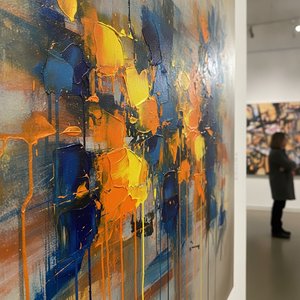
Beyond the Lines: Mastering the High-Impact World of Contemporary Abstraction
Master the high-impact world of contemporary abstraction. Discover how bold colors, textures, and modern movements like Abstract Expressionism can transform your space with premium, high-energy art curated for the design-conscious professional.