

 Önizle
 Gönder
 Paylaş
 Detaylar
 Rehber

 Dosyayı İndir
 Benzerleri
 X-Işını
 Slayt Gösterisi
 İstatistikler
The Cloth Shop
 Oil On Copper
- WallArt
- Dutch Golden Age
 1660
1660- Early Modern
 55.0 x 43.0 cm
 Kunsthistorisches Museum
 Devamını Oku
Giclée / Sanat Baskısı
Hızlı üretim ve esnek bitiş seçenekleriyle müze kalitesinde giclée veya kanvas baskı. ( El Yapımı Tablo Satın Al Dijital Görsel Satışına Geç)




P118B ₺10

P118H ₺10

P118W ₺10

P438Z ₺10

P508JH ₺12

P508YH ₺12

P805H ₺10

P805Z ₺10

P919BZ ₺10

P919G ₺10

P919XJ ₺10

P959ZH ₺10

P968JZ ₺12

W106C ₺8

W218G ₺10

W218JH ₺8

W218Y ₺10

W307PJ ₺10

W316G ₺10

W316PJ ₺8

W316Y ₺10

W398PJ ₺8

W4111J ₺10

W500HY ₺15

W500JH ₺15

W692G ₺12

W849H ₺8

W940BG ₺15

W953PJ ₺8




Eserin orijinal oranlarıyla uyumlu, önceden belirlenmiş boyutlarımız arasından seçim yapın.

Çerçevenize veya duvarınıza uygun olması için ihtiyacınız olan genişlik ve yüksekliği yazın. Bir baskı yalnızca kesilebilir, görselden daha büyük hale getirilemez; bu nedenle farklı bir formdaki boyut seçimi, görselin bir kısmının kaybına neden olur. Herhangi bir baskı yapmadan önce onaylamanız için size bir dijital taslak gönderiyoruz. Bu sayfada gösterilen resim gerçek kesimi göstermez — bunu yalnızca taslak gösterir.
Dünya Çapında Teslimat (); standart 4/5 hafta yerine 2 haftada. (26 Ekim)

Dünya Çapında Ücretsiz Ekspres Kargo

Yüksek Kaliteli Keten Tuval

Tam Nakliye Sigortası

Gümrük Vergisi İadesi Garantisi

Gerçek Renk Uyumu Garantisi

100 Günlük İade Koşulları (Sadece Üretim Hatalı Ürünler İçin)

%100 Para İade Garantisi

Toplu Alım Avantajı
 Cam seçeneği yalnızca 110 cm altındaki boyutlar için mevcuttur.

The Cloth Shop
Giclée / Sanat Baskısı
Baskı Boyutu
-


Toplam Fiyat
₺ 3913
A Masterpiece of Meticulous Detail
In the quiet, luminous world of the Dutch Golden Age, few artists captured the intimate textures of life with as much reverence as Frans van Mieris the Elder. His 1660 masterpiece, The Cloth Shop, is not merely a depiction of commerce; it is a breathtaking window into the soul of seventeenth-century Leiden. Executed on a gilt copper panel—a surface that allows for an almost supernatural level of precision—the painting serves as a pinnacle of the fijnschilder movement. This "fine painter" technique, characterized by incredibly smooth brushwork and microscopic detail, transforms a simple retail setting into a shimmering, tactile experience where every thread of fabric and every glint of light feels tangibly real.
The scene unfolds within a room that breathes with a warm, atmospheric glow. A large chandelier hangs suspended from the ceiling, acting as the primary source of illumination that dances across the polished surfaces of the shop. As the eye wanders through the composition, one is struck by the artist's masterful use of chiaroscuro. The dramatic interplay between deep, velvety shadows and brilliant highlights does more than just create depth; it sculpts the figures, lending them a monumental presence within their modest surroundings. For the discerning collector or interior designer, this play of light offers a sophisticated focal point that can imbue any space with a sense of historical grandeur and quiet drama.
Symbolism and the Social Fabric
Beyond its technical brilliance, The Cloth Shop is a complex narrative tableau rich with social commentary and subtle psychological tension. At the heart of the composition, an elderly gentleman, draped in opulent, heavy robes, engages with a younger man. The positioning of these figures is far from accidental; the elevation of the elder figure subtly reinforces the rigid social hierarchies of the era. Yet, Van Mieris introduces a layer of human intimacy that transcends mere transaction. A subtle, almost fleeting gesture—the gentleman’s hand brushing near his companion—hints at an unspoken connection, perhaps even a touch of eroticism or hidden desire, tucked away within the mundane act of inspecting fabric bolts.
The very subject matter—the cloth itself—serves as a powerful metaphor. The bolts of silk, satin, and wool displayed on the shelves are not just commodities; they represent wealth, status, and the interconnectedness of the Dutch Republic's global trade. To gaze upon this painting is to witness the intersection of private emotion and public prosperity. The meticulous rendering of these textiles invites the viewer to reach out and touch the canvas, making the artwork an immersive sensory experience that bridges the gap between the seventeenth century and the modern day.
An Eternal Inspiration for the Modern Interior
For those looking to curate a collection or design a room of distinction, a high-quality reproduction of The Cloth Shop offers much more than mere decoration. It brings with it an aura of intellectual depth and classical elegance. The painting’s warm palette and rich textures harmonize beautifully with both traditional period furnishings and contemporary minimalist settings, providing a sophisticated anchor for a well-curated interior. It is a piece that rewards repeated viewing, revealing new details—the glint of a brass fixture, the soft fold of a sleeve, or the quiet intensity in a subject's gaze—each time the light hits it differently.
Owning a reproduction of such a significant work allows one to celebrate the legacy of the Dutch masters. It is an invitation to surround oneself with the beauty of the fijnschilder tradition, bringing a sense of history, storytelling, and unparalleled craftsmanship into the home. Whether placed in a sunlit study or a moody dining room, this artwork remains a timeless testament to the power of art to capture the fleeting, beautiful moments of human existence.
Soru ve Cevaplar
"The Cloth Shop" adlı eser, Frans Van Mieris kariyerinin hangi dönemine ait?
"The Cloth Shop", Frans Van Mieris sanatçısının Mature Period dönemini temsil etmektedir."
Frans Van Mieris imzalı "The Cloth Shop" eserinin baskın rengi nedir?
Black (#0c0406), Frans Van Mieris imzalı "The Cloth Shop" eserinin baskın rengidir.
Frans Van Mieris imzalı "The Cloth Shop" eserinin sanat tarihindeki yeri nedir?
Frans Van Mieris imzalı "The Cloth Shop", Early Modern dönemindeki Dutch Golden Age akımına aittir. Bu iki unsur birlikte eserin sanat tarihindeki yerini belirler.
Sanatçı Biyografisi
Detaylara Gömülmüş Bir Yaşam: Frans van Mieris the Elder'ın Dünyası
Titiz detaylar ve rafine bir sanat anlayışıyla eş anlamlı hale gelen bir isim olan Frans van Mieris the Elder, Hollanda Altın Çağı'nda çok önemli bir yere sahiptir. 1635 yılında Leiden'de doğan sanatçının yolu, babası Jan Bastiaensz van Mieris'in icra ettiği aile mesleği olan kuyumculuktan, resmin büyüleyici dünyasına doğru evrilmiştir. Çizime olan bu erken dönem ilgisi, "fijnschilder" üslubunu tanımlayacak ve 17. yüzyıl Hollanda toplumuna samimi bir bakış sunacak bir kariyerin temelini atmıştır. Abraham Toorenvliet yönetimindeki ilk eğitimi ve ardından saygın Gerrit Dou'dan aldığı kritik dersler, kendine özgü sanatsal sesini inşa ettiği sağlam bir temel oluşturmuştur. Bu biçimlendirici yıllar, ona sadece teknik beceri kazandırmakla kalmamış, aynı zamanda anlatıdaki nüanslara duyulan takdiri ve ince gözlemin gücünü de aşılamıştır.Bir ‘Fijnschilder’ın Yükselişi
Van Mieris, kısa sürede "ince resim" anlamına gelen Hollandaca bir terim olan fijnschilder üslubunun bir ustası olarak ün kazandı. Bu teknik; neredeyse takıntılı bir detay dikkatini, pürayı ve cilalı fırça darbelerini ve küçük ölçekli tuvallere olan tercihi ile karakterize edilirdi. Bu, yalnızca gerçekliği kopyalamakla ilgili değildi; gerçekliği titiz bir hassasiyetle yücelterek yeniden yorumlamaktı. Resimlerindeki yüzeyler adeta hayatla parıldıyor gibi görünür; satenin parlak ışıltısı, kadifenin narin dokusu, metalin parıltısı... Hepsi şaşırtıcı bir doğrulukla işlenmiştir. O, sadece bir odayı resmetmezdi; izleyiciyi evcilliğin ve zenginliğin sahnelerine davet ederek, o odanın içindeki atmosferi bizzat yeniden yaratırdı. Konuları sıklıkla varlıklı kesimin yaşamı etrafında dönerdi: zarif toplantılar, görkemli iç mekanlar ve sadece benzerliği değil, karakteri de yakalayan portreler. İstiridye ziyafetleri, hastalarına bakan doktorlar ve günlük işlerle meşgul kadınlar gibi tekrarlanan motifler, üst sınıfların alışkanlıklarına ve sosyal ritüellerine açılan birer pencere niteliğindeydi. Başlangıçta Gerrit Dou'nun üslubundan yoğun şekilde etkilenmiş olsa da, Van Mieris zamanla kendi benzersiz yaklaşımını geliştirdi. Aşırı detay kullanımından uzaklaşarak, figürler arasındaki etkileşime ve kompozisyonlarındaki gelişen anlatılara daha fazla vurgu yapmaya başladı. Daha sonraki eserleri, erken dönem tablolarının parlak paletlerine kıyasla bazen daha koyu ton özellikleri sergileyerek, artan bir olgunluğu ve sanatsal keşfi yansıtır.Önemli Eserler ve Kalıcı Miras
Birkaç temel eser, Van Mieris'in yeteneğinin ve gelişen üslubunun kanıtı olarak durmaktadır. En erken tarihli ve en önemli parçalarından biri kabul edilen Doctor's Visit (Doktorun Ziyareti - 1657), sanatçının Dou'nun etkisinden kurtulmaya başladığı bağımsızlığını sergiler. Bu tablo, tıbbi bir muayenenin sessiz gerilimini yakalamada ustalık sınıfı niteliğindedir ve şaşırtıcı bir gerçekçilikle sunulmuştur. Self-Portrait with a Cittern (Cittern ile Otoportre) adlı eseri de aynı derecede etkileyicidir; görkemli kıyafetleri betimleme yeteneğini gösterirken, aynı zamanda bir kişilik ve içsel düşünce duygusu aktarmayı başarır. Sanatçının eşi Cunera van der Cock'un Portresi ise, hem teknik becerisini hem de ışık ve gölgenin dramatik etkileşimi olan chiaroscuro tekniğine olan hakimiyetini vurgulayarak portre sanatındaki ustalığını örnekler. Tür sahneleri ve portrelerin ötesinde Van Mieris; içki, sigara ve kumar gibi kusurları tasvir eden alegorik resimlere de yönelerek sanatsal yeteneklerinin genişliğini kanıtlamıştır. Frans van Mieris'in etkisi kendi yaşam süresinin çok ötesine uzandı. Etkisi ailesi içinde yankı buldu; oğlu Willem van Mieris (1662–1747) ve torunu Frans van Mieris the Younger (1canlı 1689–1763) her ikisi de başarılı tür ressamları olarak bu sanatsal geleneği sürdürdüler. Üslubunun popülaritesi, Leipzig'de çalışan ve Anhalt-Dessau sarayından himaye gören A. D. Snaphaan gibi çok sayıda taklitçinin de doğmasına neden oldu.Hollanda Sanatına Kalıcı Bir Katkı
Frans van Mieris, Hollanda Altın Çağı resminde fijnschilder hareketinin şekillenmesinde kilit bir rol oynamıştır. Titiz detaylara olan bağlılığı, günlük yaşamın ve üst sınıf toplumun gerçekçi tasvirleri ve teknik dehası, halihazırda sanatsal yenilikleriyle tanınan bir döneme önemli katkılarda bulunmuştur. Arşidük Leopold ve Cosimo III de' Medici dahil olmak üzere önde gelen isimlerin himayesini kazanması, yeteneğinin uluslararası düzeyde tanındığının bir kanıtıdır. Bugün bile eserleri, seçkin işçilikleri ve 17. yüzyıl kültürüne dair derinlikli tasvirleriyle izleyicileri büyülemeye devam etmektedir. Sydney'deki New South Wales Sanat Galerisi'nden bir otoportrenin çalınması, sanatının kalıcı değerinin ve cazibesinin dokunaklı bir hatırlatıcısıdır; bu miras, koleksiyonerleri ve sanat meraklılarını aynı şekilde etkilemeye ve heyecanlandırmaya devam etmektedir. Onun tabloları yalnızca tarihi eserler değildir; titizlikle işlenmiş ve zamansız bir güzellikle yoğrulmuş, geçmiş bir çağa açılan pencerelerdir.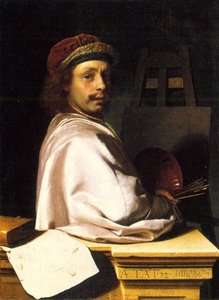
Frans Van Mieris
1635 - 1681 , Hollanda
Kısa Bilgiler
- Artistic Movement Or Style: Fijnschilder, Tür resmi
- Artists Or Movements Influenced By This Artist:
- Willem van Mieris
- Frans van Mieris the Younger
- A. D. Snaphaan
- Artists Who Influenced This Artist:
- Gerrit Dou
- Abraham van den Tempel
- Date Of Birth: 1635
- Date Of Death: 1681
- Full Name: Frans van Mieris the Elder
- Nationality: Hollandalı
- Notable Artworks:
- Doctor's Visit
- Self-Portrait with a Cittern
- Musical Company
- Duet
- Place Of Birth: Leiden, Hollanda
İlgili Yazılar

Golden Light & Dutch Skies: The Timeless Magic of Dutch Golden Age Landscapes
Discover the breathtaking beauty of Dutch Golden Age landscapes. Explore the mastery of light, chiaroscuro, and 17th-century realism through an expert art history lens, celebrating the enduring legacy of the Dutch Masters for discerning collectors and art lovers.

Rembrandt'ın En Ünlü 25 Eseri: Sanat Tarihine Işık Tutan Başyapıtlar
Rembrandt'ın en ünlü 25 eserini keşfedin! Hollanda Altın Çağı'nın bu Barok dehasının ışık ve gölge oyunlarıyla dolu portreleri, tarihi resimleri sizi büyüleyecek. Sanat baskıları ve ev dekorasyonu için OriginalUniqueArt.com'da Rembrandt koleksiyonunu inceleyin.
Adriaen van Ostade: A Master of Dutch Genre Painting & Social Commentary
Explore the life & work of Adriaen van Ostade, a leading Dutch Golden Age painter. Discover his realistic genre scenes, social commentary, and lasting influence on art history. Learn more at OriginalUniqueArt.
Genre Painting: A Window into Daily Life & Societal Values of the Dutch Golden Age
Explore the captivating world of Dutch Golden Age genre painting! Discover realistic depictions of daily life, masterful artists like Ostade & Metsu, and hidden symbolism. Learn about this influential art movement with OriginalUniqueArt.

Hollanda Altın Çağı'nın 10 Eseri: Sanat ve Ev Dekorasyonunda Usta Dokunuşlar
Hollanda Altın Çağı'nın en büyüleyici 10 eseriyle sanat tarihine yolculuk! Rembrandt, Vermeer ve daha fazlasının ustalıklarını keşfedin. Evinizi sanatla taçlandırın. OriginalUniqueArt.com’da tüm başyapıtları inceleyin.