Gerçek Boyutta Önizle
 Paylaş
 Paylaş
 Detayları Gör
 Rehber

 İndir
İndir
 Benzer ürünler
 X-Işını
 Slayt Gösterisi
 Soru & Cevap
 İstatistikler
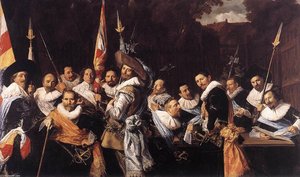
Singing Boy with a Flute

- 62.0 x 55.0 cm


 Tümünü Gör
Giclée / Sanat Baskısı
Hızlı üretim ve esnek bitiş seçenekleriyle müze kalitesinde giclée veya kanvas baskı. ( El Yapımı Tablo Satın Al Dijital Görsele Geç)




P118B ₺10

P118H ₺10

P118W ₺10

P438Z ₺10

P508JH ₺12

P508YH ₺12

P805H ₺10

P805Z ₺10

P919BZ ₺10

P919G ₺10

P919XJ ₺10

P959ZH ₺10

P968JZ ₺12

W106C ₺8

W218G ₺10

W218JH ₺8

W218Y ₺10

W307PJ ₺10

W316G ₺10

W316PJ ₺8

W316Y ₺10

W398PJ ₺8

W4111J ₺10

W500HY ₺15

W500JH ₺15

W692G ₺12

W849H ₺8

W940BG ₺15

W953PJ ₺8




Eserin orijinal oranlarıyla uyumlu, önceden belirlenmiş boyutlarımız arasından seçim yapın.

Çerçevenize veya duvarınıza uygun olması için ihtiyacınız olan genişlik ve yüksekliği yazın. Bir baskı yalnızca kesilebilir, görselden daha büyük hale getirilemez; bu nedenle farklı bir formdaki boyut seçimi, görselin bir kısmının kaybına neden olur. Herhangi bir baskı yapmadan önce onaylamanız için size bir dijital taslak gönderiyoruz. Bu sayfada gösterilen resim gerçek kesimi göstermez — bunu yalnızca taslak gösterir.
Dünya Çapında Teslimat (); standart 4/5 hafta yerine 2 haftada. (7 Kasım)

Dünya Çapında Ücretsiz Ekspres Kargo

Yüksek Kaliteli Keten Kanvas

Tam Nakliye Sigortası

Gümrük Vergisi İadesi Garantisi

Gerçek Renk Uyumu Garantisi

100 Günlük İade Politikası (Sadece Kusurlu Ürünler İçin)

%100 Para İade Garantisi

Toplu Alım İndirimi
 Cam seçeneği yalnızca 110 cm altındaki boyutlar için mevcuttur.

Singing Boy with a Flute
Giclée / Sanat Baskısı
Reproduksiyon Boyutu
-


Toplam Tutar
₺ 3995
Singing Boy with a Flute: A Window into Dutch Golden Age Life
Frans Hals’ “Singing Boy with a Flute,” painted in 1623, isn't merely a portrait; it’s a vibrant snapshot of a fleeting moment, a testament to the artist’s revolutionary approach to capturing human character and emotion. This intimate piece, measuring just 62 x 55 cm, immediately draws the viewer into a scene brimming with youthful exuberance and quiet contemplation. The subject, a young man dressed in a simple yet elegant black hat adorned with a striking white feather – a detail that hints at both status and perhaps a touch of playful vanity – holds a flute to his lips, poised as if about to release a cascade of melody. His gaze, directed squarely at the viewer, is not one of grand pronouncements but rather an expression of absorbed enjoyment, suggesting he’s lost in the pleasure of the music itself.
Hals' genius lies in his masterful manipulation of brushwork. Unlike many of his contemporaries who meticulously rendered every detail with painstaking precision, Hals employed a remarkably loose and expressive technique. Notice how the paint seems to dance across the canvas – short, broken strokes create an immediate sense of movement and vitality. This spontaneity isn’t haphazard; it's deliberate, designed to capture not just the appearance of the boy but also his spirit, his energy, and the very essence of a joyful moment. The background, a deceptively simple blue sky, provides a crucial contrast, emphasizing the figure and adding depth to the composition without distracting from the central subject.
The Artist and His Time: Frans Hals’ Revolutionary Portraiture
Frans Hals I (1582-1585), though his life was tragically short, left an indelible mark on the art world. Born in Antwerp and trained initially in that vibrant artistic hub, he later found a home in Haarlem, where he quickly established himself as one of the most important figures of the Dutch Golden Age. Hals’s work stands apart from the prevailing trends of his era. While other artists focused on idealized representations or elaborate courtly scenes, Hals favored capturing everyday life – portraits of merchants, militia members, and ordinary citizens. This shift reflected a broader cultural change in the Netherlands, where there was growing interest in depicting the lives of common people.
His innovative approach to portraiture wasn’t simply about recording likenesses; it was about revealing personality. Hals frequently used informal poses, direct gazes, and subtle gestures to convey character. He understood that a truly compelling portrait wasn't just a visual representation but an intimate glimpse into the soul of his subject. The inclusion of the feather, for example, is not merely decorative; it’s a detail that adds to the boy’s personality, suggesting perhaps a youthful confidence or a connection to social standing.
Symbolism and Context: A Portrait of Youthful Joy
Beyond the immediate depiction of a young man enjoying music, “Singing Boy with a Flute” offers clues about the cultural context of 17th-century Haarlem. The flute itself was a popular instrument during this period, often associated with entertainment and leisure. The boy’s attire – the simple black hat and clothing – suggests he is likely from a modest background, yet his posture and expression convey a sense of self-possession and contentment. It's a scene that speaks to the pleasures of youth, the importance of community, and the value of artistic expression.
The painting’s placement within the Gemäldegalerie in Berlin is particularly significant. It stands as a cornerstone of Hals’s oeuvre, demonstrating his mastery of capturing fleeting moments and conveying profound emotion with remarkable economy. The work's enduring appeal lies not just in its technical brilliance but also in its ability to transport us back to a specific time and place – a vibrant corner of the Dutch Golden Age where youthful joy and artistic spirit flourished.
Bringing Hals’ Masterpiece Home: A High-Quality Reproduction
OriginalUniqueArt offers meticulously crafted, hand-painted reproductions of “Singing Boy with a Flute,” allowing you to experience the artistry of Frans Hals in your own home. Our skilled artisans replicate Hals's distinctive brushwork and vibrant colors with exceptional accuracy, ensuring that your reproduction captures the essence of this iconic painting. Whether you’re an art enthusiast, a collector, or simply seeking a beautiful addition to your interior décor, our reproductions provide a stunning way to connect with one of the greatest masters of the Dutch Golden Age. Explore our collection today and bring a touch of Hals's brilliance into your life.
Soru ve Cevaplar
Frans Hals imzalı "Singing Boy with a Flute" ne düzeyde bir kontrast sunuyor?
Frans Hals imzalı "Singing Boy with a Flute" eserinin kontrast seviyesi Gentle'dır.
"Singing Boy with a Flute" eserinin yaratıcısı kim?
"Singing Boy with a Flute" adlı eserin Frans Hals tarafından yapıldığı düşünülmektedir.
"Singing Boy with a Flute" eserini daha detaylı inceleyebilir miyim?
Frans Hals imzalı "Singing Boy with a Flute" eserinin X-Ray görünümüne eserin X-Işını Analizi sayfasından ulaşabilirsiniz: on bir optik katman aracılığıyla görüntünün interaktif bir incelemesi.
Sanatçı Özgeçmişi
Frans Hals I: Hollanda Altın Çağı'nın Ruhunu Tuvale Yansıtan Fırça
Frans Hals I, yaklaşık 1580 yılında Antwerpen’de doğmuş ve Hollanda sanat tarihine damgasını vurmuş bir ressamdır. Erken yaşamı hakkında kesin bilgiler olmasa da, Hollanda Altın Çağı'nın en önemli figürlerinden biri olarak yükselmiş, yenilikçi portreleri ve günlük yaşam sahneleriyle tanınmıştır. Sanat dünyasında kendine özgü bir yer edinirken, fırçasının ardındaki ruhu ve canlılığıyla izleyicileri büyülemiştir.
Erken Yaşamı ve Eğitim Dönemi
Hals’in gençlik yıllarına dair detaylar sınırlıdır. Antwerp'te ilk sanatsal eğitimini aldığı düşünülmektedir; o dönemde resim sanatının önemli merkezlerinden biri olan bu şehir, ona temel becerileri kazandırmış olmalıdır. Ancak dini ve siyasi çalkantılar nedeniyle ailesi Hollanda’ya, Haarlem şehrine taşınmıştır. 1610 yılında Haarlem Aziz Luke Loncası'na katılması, profesyonel kariyerinin resmi başlangıcı olarak kabul edilir. Bu dönemde, sanatının temellerini attığı ve kendine özgü stilini geliştirmeye başladığı düşünülmektedir.
Sanatsal Gelişimi ve Özgün Tarzı
Hals, olağanüstü taze ve kendiliğinden bir üslupla kendini diğerlerinden ayırmıştır. Çağdaşlarının çoğu detaylı ve özenli çalışmalara yönelirken, Hals gevşek ve dışa vurumcu bir fırça tekniği kullanmıştır. Bu teknik, resimlerine anında bir canlılık katmış, konularının kişiliğini ve karakterini devrim niteliğinde bir şekilde yansıtmıştır. Portreleri sadece benzerlikler değil, aynı zamanda psikolojik incelemelerdi. Kahkaha, sohbet veya düşünce gibi geçici anları ustalıkla yakalamış, ışık ve gölge kullanımıyla kompozisyonlarına derinlik ve drama katmıştır.
- Portreleri yalnızca fiziksel benzerlikler sunmakla kalmamış, aynı zamanda modellerinin iç dünyasına da bir bakış sunmuştur.
- Günlük yaşamın canlı anlarını yakalamadaki başarısı, resimlerine benzersiz bir dinamizm kazandırmıştır.
- Işık ve gölge oyunlarıyla kompozisyonlarına derinlik katmış, izleyicilerin dikkatini çekmeyi başarmıştır.
Önemli Eserleri ve Mirası
Hals geniş bir yelpazede eser üretmiş olsa da, en çok portreleriyle tanınır. En ünlü tablolarından bazıları şunlardır:
- Gülümseyen Şövalye (1624) – Karakter ve hareket yakalama yeteneğinin mükemmel bir örneği olarak kabul edilir.
- Malle Babbe (yaklaşık 1633-1635) – Yaşlı bir kadının çarpıcı portresi, Hals’in yaş ve kişiliği tasvir etme becerisini sergiler.
- Haarlem Yaşlılar Evi Regentlerinin Portreleri (1664) - Grup portreciliğindeki ustalığını gösterir.
Ayrıca günlük yaşamı tasvir eden etkileyici tür sahneleri de yaratmıştır; bu sahneler Hollanda toplumuna dair önemli ipuçları sunar.
Etkileri ve Tarihsel Önemi
Hals’in doğrudan kimlerden etkilendiğini belirlemek zordur, çünkü oldukça bireysel bir stil geliştirmiştir. Ancak daha önceki Flaman ressamlarının, özellikle Pieter Bruegel the Elder'ın eserlerinden haberdar olduğu düşünülmektedir. Yenilikçi portre yaklaşımı, sonraki nesillerdeki sanatçıları derinden etkilemiştir.
- Adriaen Brouwer ve Johannes Vermeer gibi sanatçılar üzerinde etkisi olmuştur.
- Kişiliği yakalama konusundaki vurgusu, daha samimi ve psikolojik portrelere yol açmıştır.
- Daha sonraki sanatçılar, özellikle İzlenimciler, gevşek fırça tekniğini ve ışığa odaklanmasını takdir etmişlerdir.
Frans Hals I, Hollanda resmini Altın Çağ'da şekillendirmede önemli bir rol oynamıştır. Eserleri, o dönemde Hollanda’nın gelişen refahını ve bireyciliğini yansıtmaktadır. Katı biçimcilikten uzaklaşarak daha doğalcı ve dışa vurumcu bir stile yönelmiş, sanat dünyasında kalıcı bir miras bırakmıştır.
Günümüzde tabloları büyük ilgi görmektedir ve dünya çapındaki önemli müzelerde sergilenebilir; Haarlem’deki Frans Hals Müzesi ise eserlerinin en kapsamlı koleksiyonuna ev sahipliği yapmaktadır. Onun katkıları, yüzyıllar sonra bile sanatçıları ilham vermeye ve izleyicileri büyülemeye devam etmektedir.

Frans Hals
1580 - 1585 , Belçika
Kısa Bilgiler
- Doğum Tarihi: Yaklaşık 1580
- Doğum Yeri: Antwerp, Belçika
- Etkilediği Sanatçılar:
- Adriaen Brouwer
- Johannes Vermeer
- Sanatsal Akım: Hollanda Altın Çağı
- Tam Adı: Frans Hals I
- Uyruğu: Hollandalı
- Ölüm Tarihi: 1666
- Önemli Eserleri:
- Gülümseyen Şövalye
- Malle Babbe
Benzer Yazılar

Golden Age Reflections: Dutch Baroque Painting & Cultural Innovation
Explore the Dutch Golden Age of painting! Discover key artists like Vermeer & ter Borch, their innovative techniques, and the rich cultural context behind these Baroque masterpieces. Learn about collecting & appreciating this iconic art period.

Frans Hals I: Innovation, Intimacy & the Dutch Golden Age Portrait
Explore the revolutionary portraiture of Frans Hals I, a master of the Dutch Golden Age. Discover his innovative techniques, captivating character studies & lasting impact on art history. Learn more at OriginalUniqueArt.

Golden Light & Dutch Skies: The Timeless Magic of Dutch Golden Age Landscapes
Discover the breathtaking beauty of Dutch Golden Age landscapes. Explore the mastery of light, chiaroscuro, and 17th-century realism through an expert art history lens, celebrating the enduring legacy of the Dutch Masters for discerning collectors and art lovers.

Illuminating Innovation: Exploring the Dutch Golden Age of Painting
Explore the Dutch Golden Age of painting with OriginalUniqueArt. Discover Rembrandt, Vermeer & other Masters. Learn about key characteristics, iconic artworks, and lasting influence. Expert insights for collectors & enthusiasts.

Hollanda Altın Çağı'nın 10 Eseri: Sanat ve Ev Dekorasyonunda Usta Dokunuşlar
Hollanda Altın Çağı'nın en büyüleyici 10 eseriyle sanat tarihine yolculuk! Rembrandt, Vermeer ve daha fazlasının ustalıklarını keşfedin. Evinizi sanatla taçlandırın. OriginalUniqueArt.com’da tüm başyapıtları inceleyin.