

 Önizle
 Gönder
 Paylaş
 Detaylar
 Rehber

 Dosyayı İndir
 Benzerleri
 X-Işını
 Slayt Gösterisi
 İstatistikler
Crossing the Bridge
 Oil On Canvas
- WallArt
- Rococo Elegance
 1730
1730- Early Modern
 59.0 x 72.0 cm
 Hermitage Müzesi
 Devamını Oku
Giclée / Sanat Baskısı
Hızlı üretim ve esnek bitiş seçenekleriyle müze kalitesinde giclée veya kanvas baskı. ( El Yapımı Tablo Satın Al Dijital Görsel Satışına Geç)




P118B ₺10

P118H ₺10

P118W ₺10

P438Z ₺10

P508JH ₺12

P508YH ₺12

P805H ₺10

P805Z ₺10

P919BZ ₺10

P919G ₺10

P919XJ ₺10

P959ZH ₺10

P968JZ ₺12

W106C ₺8

W218G ₺10

W218JH ₺8

W218Y ₺10

W307PJ ₺10

W316G ₺10

W316PJ ₺8

W316Y ₺10

W398PJ ₺8

W4111J ₺10

W500HY ₺15

W500JH ₺15

W692G ₺12

W849H ₺8

W940BG ₺15

W953PJ ₺8




Eserin orijinal oranlarıyla uyumlu, önceden belirlenmiş boyutlarımız arasından seçim yapın.

Çerçevenize veya duvarınıza uygun olması için ihtiyacınız olan genişlik ve yüksekliği yazın. Bir baskı yalnızca kesilebilir, görselden daha büyük hale getirilemez; bu nedenle farklı bir formdaki boyut seçimi, görselin bir kısmının kaybına neden olur. Herhangi bir baskı yapmadan önce onaylamanız için size bir dijital taslak gönderiyoruz. Bu sayfada gösterilen resim gerçek kesimi göstermez — bunu yalnızca taslak gösterir.
Dünya Çapında Teslimat (); standart 4/5 hafta yerine 2 haftada. (23 Ekim)

Dünya Çapında Ücretsiz Ekspres Kargo

Yüksek Kaliteli Keten Tuval

Tam Nakliye Sigortası

Gümrük Vergisi İadesi Garantisi

Gerçek Renk Uyumu Garantisi

100 Günlük İade Koşulları (Sadece Üretim Hatalı Ürünler İçin)

%100 Para İade Garantisi

Toplu Alım Avantajı
 Cam seçeneği yalnızca 110 cm altındaki boyutlar için mevcuttur.

Crossing the Bridge
Giclée / Sanat Baskısı
Baskı Boyutu
-


Toplam Fiyat
₺ 3912
A Pastoral Dream in Pastel: The Enchantment of Crossing the Bridge
In the soft, luminous glow of the 18th century, few artists captured the ephemeral beauty of a summer afternoon as masterfully as François Boucher. His work, "Crossing the Bridge," serves as a breathtaking window into the Rococo era—a period defined by an unapologetic pursuit of grace, leisure, and aesthetic delight. At first glance, the viewer is transported to an idealized countryside, where the stresses of urban life dissolve into a tranquil tableau of pastoral serenity. A woman, moving with effortless poise, leads her horse and sheep across a weathered stone bridge, her journey mirrored by the slow, rhythmic presence of grazing cows and a watchful dog. This is not merely a landscape; it is a carefully orchestrated symphony of movement and stillness, designed to evoke a sense of profound peace and aristocratic nostalgia.
< p>The composition itself is a masterclass in balance and visual storytelling. Boucher employs a sophisticated pyramidal structure, anchoring the eye with the imposing silhouette of a majestic castle perched atop a distant hillside. This architectural weight provides a sense of permanence that contrasts beautifully with the fleeting, delicate nature of the foreground elements. The bridge acts as more than just a physical path; it serves as a narrative conduit, guiding the observer’s gaze from the intimate details of the animals and the traveler toward the grand, aspirational heights of the fortress. Through this clever arrangement, Boucher creates a sense of depth that invites the viewer to step into the canvas, wandering through the lush greenery and feeling the warmth of the sun-drenched landscape.Technique and the Radiance of Rococo Light
To behold "Crossing the Bridge" is to witness the pinnacle of Rococo technique. Boucher was a virtuoso of trompe l'oeil effects, utilizing meticulous layering of pigments to breathe life into textures that feel almost tactile. One can almost sense the coarse wool of the sheep, the sturdy grain of the stone bridge, and the velvet softness of the meadow grass. His palette is famously ethereal, dominated by a romantic spectrum of pinks, peaches, and lavenders. These pastel hues do not merely decorate the scene; they bathe it in an atmospheric light that softens the edges of reality, creating a dreamlike quality that is both captivating and soothing.
The artist’s brushwork remains a subject of profound admiration for collectors and historians alike. While his strokes are delicate enough to capture the subtle gradations of a cloud or the gentle ripple of water, they possess an underlying confidence that lends the scene its vitality. This balance between precision and fluidity is what allows the painting to transcend mere imitation of nature, instead offering an elevated, idealized version of it. For the interior designer or the discerning art lover, this piece offers a unique opportunity to introduce a sense of historical grandeur and luminous warmth into a space, acting as a focal point that radiates elegance and timeless charm.
A Legacy of Elegance for the Modern Collector
Beyond its aesthetic brilliance, "Crossing the Bridge" carries the weight of historical significance. Created in 1730, during the reign of Louis XV, the painting reflects the cultural values of a society that found beauty in the pastoral and the idyllic. The inclusion of livestock is not merely incidental; it pays homage to the agricultural foundations of French life, reimagined through a lens of aristocratic refinement. It is a celebration of a world where nature and civilization exist in perfect, harmonious equilibrium.
For those seeking to adorn their homes or galleries with works of profound emotional impact, a high-quality reproduction of this Boucher masterpiece offers more than just decoration. It provides an infusion of culture and a constant reminder of the enduring power of beauty. Whether placed in a sunlit morning room or a sophisticated study, "Crossing the Bridge" continues to inspire awe, offering a quiet sanctuary of color and light that remains as relevant and enchanting today as it was three centuries ago.
Soru ve Cevaplar
François Boucher imzalı "Crossing the Bridge" hangi oda için öneriliyor?
François Boucher imzalı "Crossing the Bridge" eseri için Living Room önerilmektedir. Bu öneri; eserin konusu, renkleri ve hissettirdiği duyguya dayanmaktadır.
"Crossing the Bridge" hangi teknikle yapılmıştır?
"Crossing the Bridge", Oil On Canvas kullanılarak icra edilmiştir.
François Boucher imzalı "Crossing the Bridge" açık tonlu bir sanat eseri mi yoksa koyu tonlu mu?
"Crossing the Bridge" genel olarak shadow düzeyindedir ve parlaklığı Soft Shadow'dir.
Sanatçı Biyografisi
François Boucher: Rokoko Döneminin Zarafet Elçisi
18. yüzyıl Fransız sanatının en önemli figürlerinden biri olan François Boucher (1703-1770), Rokoko döneminin zarafeti, duygusallığı ve oyunbaz ruhunu bünyesinde barındıran eşsiz bir ressam olarak tanınır. Sanat hayatına babası Jean Boucher’in atölyesinde başlayan Boucher, kısa sürede yeteneğiyle dikkat çekerek dönemin önde gelen sanatçılarının gözdesi haline geldi. Paris'te 29 Eylül 1703 tarihinde doğan Boucher’in sanatsal yolculuğu, babasının rehberliğinde resimle iç içe geçerek başladı. On yedi yaşındayken François Lemoyne’un ilgisini çekmesi, onun için önemli bir dönüm noktası oldu ve kısa fakat etkili bir çıraklık sürecinin kapılarını açtı. Daha sonra Jean-François Cars ile gravür sanatında becerilerini geliştirirken, 1720 yılında prestijli Grand Prix de Rome ödülünü kazanarak büyük bir başarıya imza attı.
İtalya’da Olgunlaşma ve Sanatsal Kimliğin İnşası
Grand Prix de Rome ödülüyle İtalya'ya gitme fırsatı bulan Boucher, bu deneyimi sanat hayatında belirleyici bir etki olarak değerlendirdi. Roma'daki klasik eserler ve Rönesans ustalarının izleri, onun sanatsal vizyonunu şekillendirdi. Fransa’ya döndükten sonra 1731 yılında Académie Royale de Peinture et de Sculpture akademisine kabul edildi. 1734 yılında *morceau de réception* olarak sunduğu “Rinaldo ve Armida” eseri, Boucher'i Rokoko stilinin ustası olarak tahtına oturttu. Bu dönemde, narin fırça darbeleri, pastel renk paletleri ve mitolojik ve pastoral temalara olan ilgisiyle özgün bir sanatsal kimlik geliştirdi.
Eserlerindeki Temalar ve Önemli Yapıtları
Boucher’in eserleri oldukça çeşitlidir; mitoloji, portreler, günlük yaşam sahneleri ve dekoratif sanatlar gibi farklı alanlarda yetkinliğini sergilemiştir. En ünlü yapıtlarından bazıları şunlardır:
- “Kahvaltı” (1739): Eşi ve çocuklarını tasvir eden samimi bir ev ortamı betimlemesiyle dikkat çeken, Boucher’in aile yaşamına ışık tutan sıcak bir eser.
- “Venüs'ün Zaferi” (1740-1751): Mitolojik anlatımlara olan hakimiyetini gözler önüne seren etkileyici bir seri.
- Madame de Pompadour’un çok sayıda portresi, Boucher’in saraydaki konumunu sağlamlaştırmasına yardımcı oldu ve dönemin aristokrat yaşam tarzını yansıttı.
- “Gün Batımı” gibi manzara resimleri ise doğaya olan lirik ve idealize edilmiş bakış açısını ortaya koydu.
Boucher’in eserlerinde aşk, güzellik, eğlence ve mitolojik dünyanın hayal gücü sıklıkla yer alır. Resimleri genellikle neşeli bir erotizm ve zarif bir estetik duygusu uyandırır.
Sanatçı Kimliğinin Güçlenmesi ve Rokoko’nun Öncüsü
Boucher, sadece resim alanında değil, aynı zamanda tiyatro için kostüm ve dekor tasarımları yaparak, Beauvais atölyeleri için duvar halıları üreterek ve Gobelins Manufactory ile işbirliği yaparak sanat dünyasına geniş bir katkı sağladı. 1765 yılında *Premier Peintre du Roi* (Kralın Baş Ressamı) unvanını alması, Fransız Rokoko’sunun önde gelen sanatçısı olarak konumunu pekiştirdi. Boucher'in etkisi sadece resimle sınırlı kalmadı; aynı zamanda mobilya, porselen ve diğer dekoratif sanatlar üzerinde de derin bir iz bıraktı.
Daha sonraki eleştirmenler Rokoko sanatının yüzeysel olduğunu iddia etse de, Boucher’in sonraki nesiller üzerindeki etkisi yadsınamaz. Jean-Honoré Fragonard gibi sanatçılara ilham kaynağı oldu ve öğrencileri aracılığıyla Neoklasisizmin gelişimine katkıda bulundu.
Tarihi Önemi ve Mirası
François Boucher’in eserleri, 18. yüzyıl Fransız toplumunun zevklerini ve değerlerini anlamak için değerli bir pencere sunar. Resimleri, lüks, incelik ve haz arayışıyla karakterize edilen aristokrat kültürünü yansıtır. Teknik becerisi, sanatsal yenilikleri ve Rokoko stilindeki kalıcı katkılarıyla sanat tarihinde önemli bir figür olarak kabul edilir.

François Boucher
1703 - 1770 , Fransa
Kısa Bilgiler
- Doğum Tarihi: 29 Eylül 1703
- Doğum Yeri: Paris, Fransa
- Etkilediği Sanatçılar: ['Jean-Honoré Fragonard']
- Etkilendiği Sanatçılar:
- François Lemoyne
- Jean-François Cars
- Sanat Akımı: Rokoko
- Tam Adı: François Boucher
- Uyruğu: Fransız
- Ölüm Tarihi: 1770
- Önemli Eserleri:
- Rinaldo ve Armida
- Kahvaltı
- Madame Boucher
- Gün Batımı
İlgili Yazılar
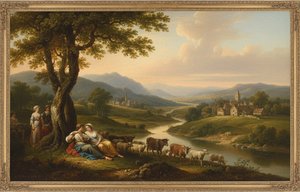
Idyllic Visions: Exploring the Pastoral Tradition in Western Art – Themes, Techniques & Enduring Appeal
Explore the rich history of pastoral art from classical Arcadia to contemporary interpretations. Discover key artists, themes & collecting tips at OriginalUniqueArt.

Rokoko Sanatının Zirveleri: Evinizi Süsleyen 10 Usta Eser
Rokoko sanatının en büyüleyici 10 eseriyle tanışın! Ünlü ressamların zarif dünyasına yolculuk edin, pastel tonları keşfedin ve evinizi OriginalUniqueArt'tan alacağınız replikalarla güzelleştirin. Sanat tarihini yakından inceleyin ve Rokoko'nun büyüsünü yaşayın. Koleksiyonu çevrimiçi keşfedin!
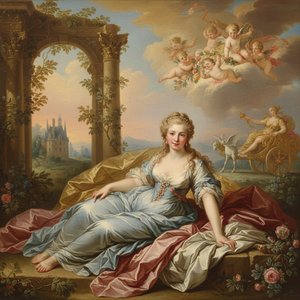
François Boucher: Rococo Master of Myth, Sensuality, and the French Court
Explore the captivating world of François Boucher, master of Rococo painting! Discover his iconic works, aristocratic patronage, and lasting influence on French art history. Learn more at OriginalUniqueArt.

Idyllic Visions: Exploring the Pastoral Scene in Art History – From Arcadia to Modern Interpretations
Explore the captivating history of pastoral art from classical Arcadia to modern masterpieces. Discover key artists like Millet & Cole at OriginalUniqueArt. Find serene landscape paintings for your home.

The Rococo Aesthetic: Opulence, Rebellion & the Pursuit of Pleasure in 18th-Century Art
Explore the opulent world of Rococo art! Discover its origins, key artists like Watteau & Boucher, and lasting influence on design. Expert insights for collectors & enthusiasts.