
 Önizleme yap
 Paylaş
 Paylaş
 Detayları Gör

 İndir
İndir
 Benzerlerini gör
 X-Işını
 Slayt Gösterisi
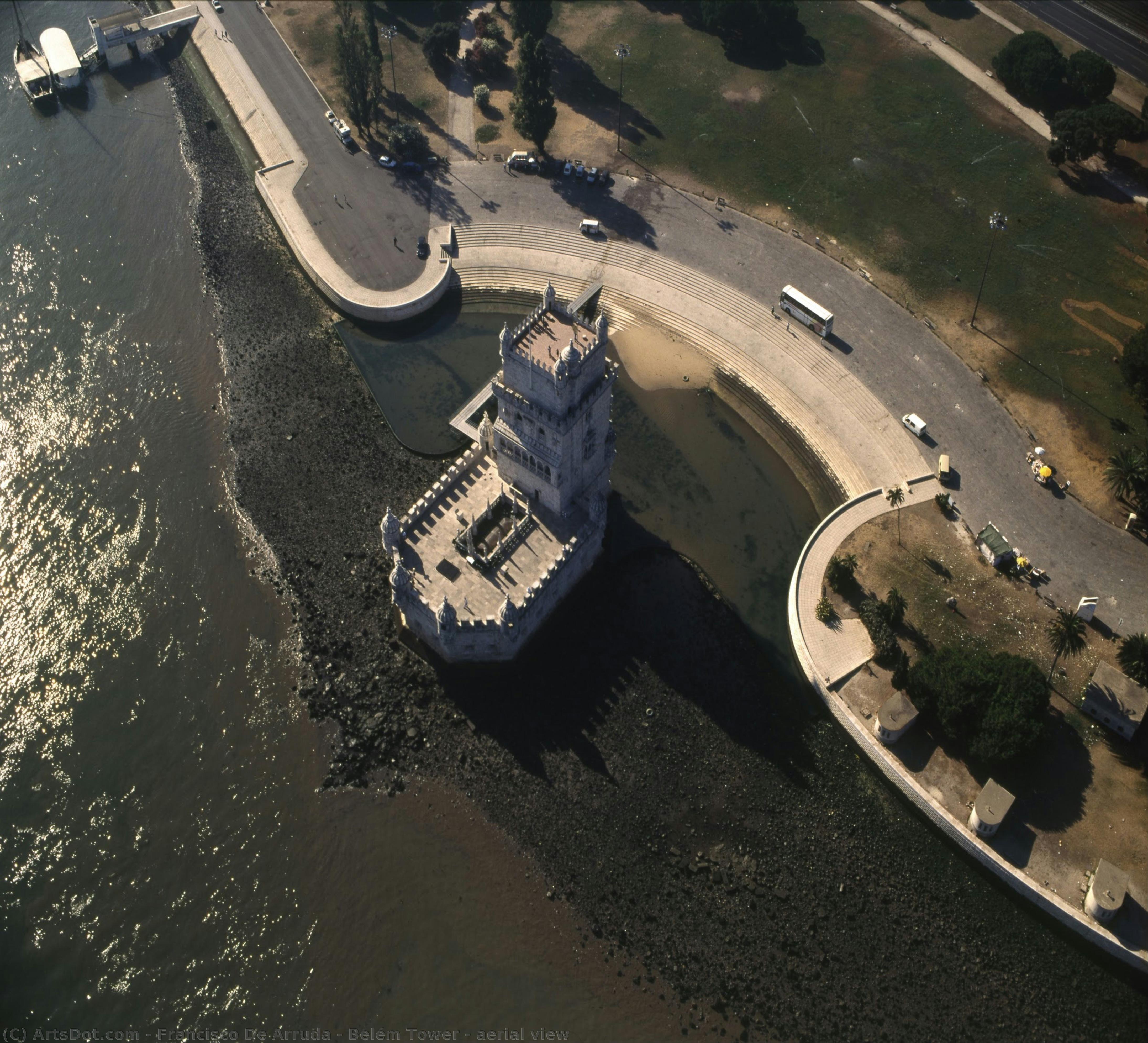
Belém Tower - aerial view


 Tümünü Gör
Çevrimiçi önizlemeden çok daha üstün, yüksek çözünürlüklü ve iyileştirilmiş bir dijital görüntü satın alın.
Her dosya, uzman ekibimiz tarafından gelişmiş araçlar ve titiz manuel rötuş teknikleri kullanılarak özenle hazırlanır. Her görüntünün olağanüstü netliğe, kusursuz renk doğruluğuna ve ince ayrıntılara sahip olduğundan emin oluruz.
Son dosya; profesyonel, editoryal ve baskı süreçlerinde anında kullanıma uygun şekilde optimize edilerek 72 saat içinde e-posta yoluyla teslim edilir. Bu, seçkin tasarım stüdyoları, yayıncılar ve galerilerin güvendiği aynı kalite standartlarındadır.
Dijital Görsel
Kişisel sergileme, baskı ve yaratıcı projeleriniz için yüksek çözünürlüklü bir dosya indirin. ( Baskı satın al El yapımı tablo satın al)
Her Dijital Görüntü Siparişinde Dahil Olanlar
Uzman Dijital Teslimat, Garantili
OriginalUniqueArt.com seçtiğinizde, sadece bir görsel edinmekle kalmaz; titizlikle hazırlanmış, profesyonelce iyileştirilmiş dijital bir sanat eserine sahip olur ve memnuniyet garantisiyle güvence altına alınırsınız. Siparişinizle birlikte otomatik olarak sunulan her şey şunlardır:

Hızlı E-posta ile Teslimat
Yüksek çözünürlüklü dijital görüntü dosyanız, siparişinizin üzerinden en geç 72 saat geçmeden e-posta ile size gönderilecektir; hemen kullanıma hazırdır.

Yapay Zeka İle İyileştirilmiş Dijital Dosya
Sanat eseriniz; maksimum detay, netlik ve renk doğruluğu sağlamak amacıyla gelişmiş yapay zeka araçları ve manuel düzenleme kullanılarak profesyonelce optimize edilmektedir.

Ömür Boyu Ücretsiz Yeniden Gönderim
Dosyanızı yanlışlıkla mı sildiniz yoksa kayıp mı oldu? Endişelenmeyin; dosyanızı dilediğiniz zaman size ücretsiz olarak tekrar göndereceğiz.

Hiçbir Zaman İthalat Ücreti Ödemeyin
Sanat eserinizin tadını gümrük vergisi, harç veya teslimat ücreti ödemeden anında çıkarın; dijital indirmeler her zaman vergiden muaftır.

Renk Doğruluğu Garantisi
Profesyonel araçlar ve renk yönetimi kullanarak dijital görselinizin orijinal renklere mümkün olduğunca yakın yansıtılmasını sağlıyoruz.

60 Günlük Memnuniyet Garantisi
If you're not satisfied with your digital image, we'll revise it or refund 100% within 60 days - no questions asked.

100% Para İadesi Garantisi
Memnun kalmadınız mı? Dijital dosyanızı aldıktan sonraki 60 gün içinde, hiçbir soru sorulmaksızın tam iade alın.

Toplu Sipariş İndirimleri
Buy 3 images, save 10% - Buy 5, save 15% - Buy 10+, save 20%. Great for creative projects, galleries, and agencies.
Koleksiyon Detayları
Sanatçı Özgeçmişi
The Architect of Portugal’s Golden Age
Francisco de Arruda stands as a pivotal figure in the grand tapestry of Portuguese architectural history, a master builder whose hands helped shape the very identity of a nation at the height of its maritime dominion. Emerging during the sixteenth century, Arruda became one of the most influential proponents of the Manueline style—a uniquely opulent and exuberant fusion of Gothic grandeur and Renaissance humanism. This aesthetic, characterized by intricate ornamentation and naturalistic motifs, served as a visual language for Portugal’s Age of Discovery, reflecting the wealth, power, and global reach of the Portuguese crown under King Manuel I.
Born into a noble family steeped in architectural tradition, Francisco was not an isolated talent but part of a formidable lineage of creators. He was the younger brother of the celebrated architect Diogo de Arruda, and together with their father, Miguel de Arruda, they formed a familial nucleus of craftsmanship. This shared heritage ensured that the brothers would become instrumental in transforming the Portuguese landscape. While much of his early life remains shrouded in the mists of history, it is believed he hailed from the Alentejo region, a territory where many of his most enduring structural legacies still stand as silent witnesses to his genius.
A Legacy Carved in Stone and Sea
The true brilliance of Francisco de Arruda lies in his ability to synthesize disparate cultural influences into a cohesive, breathtaking whole. His work was deeply informed by the soaring arches of the Gothic tradition, yet it breathed with the new, humanist ideals emerging from Italy. Furthermore, his travels to North Africa to construct fortifications in Morocco introduced a subtle Moorish influence to his repertoire, adding a layer of complexity and exoticism to his designs. This ability to blend local traditions with international currents allowed him to create structures that were both profoundly Portuguese and cosmopolitically aware.
His most enduring achievement, and perhaps the most iconic symbol of Portugal’s maritime soul, is the Belém Tower in Lisbon. Constructed between 1514 and 1519, this UNESCO World Heritage Site is a masterpiece of military architecture and decorative art. In the tower's stone carvings, one can observe the quintessential elements of the Manueline style: maritime symbols, ropes, and organic forms that evoke the spirit of the great explorers who departed from these very shores. Beyond this monumental fortification, his hand can be seen in several other vital structures:
- The Belém Tower: A breathtaking sentinel of the Tagus River, embodying the strength and elegance of the Portuguese maritime empire.
- Aqueduto da Água de Prata: An impressive feat of engineering in Évora that demonstrates his mastery over large-scale hydraulic architecture.
- Fortifications of the Alentejo: His early work repairing the forts at Moura, Mourao, and Portel, which laid the foundation for his reputation as a premier military architect.
- Church of Nossa Senhora da Assunção: A significant religious structure in Elvas that showcases his ability to blend sacred space with architectural grandeur.
The Enduring Echo of a Master
Though Francisco de Arruda passed away on November 30, 1547, his influence did not vanish with his death. His architectural language paved the way for future generations, including his son Miguel de Arruda, who carried the family's tradition of building into the colonies of Brazil and Mozambique. The structural innovations introduced by Francisco helped cement Portugal's reputation as a beacon of artistic innovation in Europe, creating a lasting aesthetic that remains inseparable from the nation's historical identity.
To study the works of Arruda is to walk through the very heart of the Portuguese Renaissance. His buildings are more than mere stone and mortar; they are poetic expressions of an era defined by curiosity, courage, and conquest. Through his mastery of the Manueline style, he captured the ephemeral glory of the Age of Discovery and rendered it permanent, ensuring that the spirit of Portugal's golden age would endure long after the great caravels had returned to port.

francisco de arruda
1547 , Portugal
Kısa Bilgiler
- Artistic Movement Or Style: Manueline
- Artists Or Movements Influenced By This Artist: ['Italian Renaissance']
- Artists Who Influenced This Artist:
- Diogo de Arruda
- Benedetto da Ravenna
- Date Of Death: 1547
- Full Name: Francisco de Arruda
- Nationality: Portuguese
- Notable Artworks:
- Belém Tower
- Bulwark (interior)
- Cloister of Tomar
- Place Of Birth: Lisbon, Portugal

