

 Önizle
 Gönder
 Paylaş
 Detaylar
 Rehber

 Dosyayı İndir
 Benzerleri
 X-Işını
 Slayt Gösterisi
 İstatistikler
Three Hares
 Acrylic On Canvas
- WallArt
- British Sporting Painting
 33.0 x 44.0 cm
 St John's College
 Devamını Oku
Giclée / Sanat Baskısı
Hızlı üretim ve esnek bitiş seçenekleriyle müze kalitesinde giclée veya kanvas baskı. ( El Yapımı Tablo Satın Al Dijital Görsel Satışına Geç)




P118B ₺10

P118H ₺10

P118W ₺10

P438Z ₺10

P508JH ₺12

P508YH ₺12

P805H ₺10

P805Z ₺10

P919BZ ₺10

P919G ₺10

P919XJ ₺10

P959ZH ₺10

P968JZ ₺12

W106C ₺8

W218G ₺10

W218JH ₺8

W218Y ₺10

W307PJ ₺10

W316G ₺10

W316PJ ₺8

W316Y ₺10

W398PJ ₺8

W4111J ₺10

W500HY ₺15

W500JH ₺15

W692G ₺12

W849H ₺8

W940BG ₺15

W953PJ ₺8




Eserin orijinal oranlarıyla uyumlu, önceden belirlenmiş boyutlarımız arasından seçim yapın.

Çerçevenize veya duvarınıza uygun olması için ihtiyacınız olan genişlik ve yüksekliği yazın. Bir baskı yalnızca kesilebilir, görselden daha büyük hale getirilemez; bu nedenle farklı bir formdaki boyut seçimi, görselin bir kısmının kaybına neden olur. Herhangi bir baskı yapmadan önce onaylamanız için size bir dijital taslak gönderiyoruz. Bu sayfada gösterilen resim gerçek kesimi göstermez — bunu yalnızca taslak gösterir.
Dünya Çapında Teslimat (); standart 4/5 hafta yerine 2 haftada. (23 Ekim)

Dünya Çapında Ücretsiz Ekspres Kargo

Yüksek Kaliteli Keten Tuval

Tam Nakliye Sigortası

Gümrük Vergisi İadesi Garantisi

Gerçek Renk Uyumu Garantisi

100 Günlük İade Koşulları (Sadece Üretim Hatalı Ürünler İçin)

%100 Para İade Garantisi

Toplu Alım Avantajı
 Cam seçeneği yalnızca 110 cm altındaki boyutlar için mevcuttur.

Three Hares
Giclée / Sanat Baskısı
Baskı Boyutu
-


Toplam Fiyat
₺ 3912
Three Hares by Francis Barlow: A Pioneer of British Wildlife Painting
Francis Barlow (1626–1704) stands as an undeniable cornerstone in the annals of British art history, recognized primarily for his groundbreaking role as Britain’s first wildlife painter. His oeuvre transcends mere representation; it embodies a profound engagement with the natural world and reflects the intellectual currents of his era—a period grappling with scientific discovery and burgeoning interest in observation.
The painting “Three Hares” exemplifies Barlow's distinctive style, characterized by meticulous detail and an unwavering commitment to capturing the essence of animal behavior. Executed in oil on panel around 1690, it hails from St John’s College, Oxford—a testament to its patronage and a symbol of the artistic flourishing within academic circles.
- Subject Matter: The artwork depicts three hares positioned amidst a tranquil meadow dotted with trees. This seemingly simple composition belies a complex layering of observation and symbolic intent.
- Style & Technique: Barlow’s approach aligns closely with the burgeoning scientific spirit of the time, mirroring the meticulous studies undertaken by naturalists like Robert Plot. His brushstrokes are deliberate and precise, conveying an uncanny realism that distinguishes him from many of his contemporaries. The artist skillfully utilizes chiaroscuro—the interplay of light and shadow—to sculpt the forms of the animals and imbue them with a palpable sense of vitality.
- Historical Context: “Three Hares” emerged during a pivotal moment in British intellectual history, coinciding with the rise of empiricism and the burgeoning fascination with taxonomy. Barlow’s work reflects the humanist conviction that understanding God's creation demanded careful observation and accurate depiction—a perspective championed by thinkers like Isaac Newton.
- Symbolism: Beyond its aesthetic qualities, “Three Hares” carries symbolic resonance. The hare itself was considered a creature of considerable significance in folklore and heraldry, representing fertility, vigilance, and cunning. Barlow’s portrayal elevates the hare to an emblem of British natural beauty and intellectual curiosity.
- Emotional Impact: Viewing “Three Hares” evokes a feeling of serene contemplation—a connection with the rhythms of nature and a celebration of artistic skill. Barlow's masterful rendering captures not only the visual appearance of the hares but also their inherent grace and movement, inviting viewers to appreciate the sublime qualities of the natural world.
The painting’s enduring appeal lies in its ability to transport us back to a time when art served as a conduit for scientific inquiry and spiritual contemplation—a legacy that continues to inspire artists and collectors alike.
Soru ve Cevaplar
Francis Barlow imzalı "Three Hares" eserinin renk kompozisyonu nasıl kurgulanmıştır?
"Three Hares" eserinde, Balanced bir kontrast, Strong Color Unity bir uyumla eşleşiyor.
Francis Barlow imzalı "Three Hares" için bir slayt gösterisi mevcut mu?
Bir slayt gösterüsü mevcuttur: Francis Barlow imzalı "Three Hares" eserinin Slayt Gösterisi sayfası.
"Three Hares" ne tür renkler kullanıyor?
Francis Barlow imzalı "Three Hares" eserinin renk paleti Earthy olarak tanımlanmaktadır. Bu, eserin renklerinin özlü bir tanımıdır.
Sanatçı Biyografisi
The Pioneer of the English Wild: The Life and Legacy of Francis Barlow
In the vibrant, often turbulent landscape of 17th-century England, few figures possessed the versatility and observational prowess of Francis Barlow. Born in Lincolnshire around 1626, Barlow emerged as a polymath of the visual arts—a painter, etcher, illustrator, and satirist whose work bridged the gap between scientific naturalism and popular storytelling. Often revered as the "Father of British Sporting Painting," his influence stretched far beyond the mere depiction of animals; he captured the very soul of the English countryside and the shifting political tides of his era. Though history occasionally overlooked his immense contributions, Barlow’s ability to infuse anatomical precision with narrative drama established a foundation for generations of British artists, most notably the legendary George Stubbs.
Barlow's artistic journey was marked by an extraordinary breadth of subject matter. He was not merely a chronicler of nature but a master of many disciplines, ranging from natural history and hunting scenes to political caricature and decorative design. His early career saw him making significant strides in book illustration, most notably through his twelve-plate work for Edward Benlowe's Theophila in 1652. This period of intense productivity showcased his skill as a printmaker, a talent that would later lead to collaborations with esteemed engravers like Wenceslaus Hollar. Whether he was etching woodcuts for Aesop’s Fables or painting the delicate textures of a bird's plumage, Barlow possessed an "exactness in the portrayal of birds, fishes, and animals" that earned him profound respect among his contemporaries.
A Visionary of Narrative and Satire
Beyond the tranquil scenes of wildlife, Barlow holds a unique place in the annals of art history as one of the world's first professional cartoonists. In 1682, he produced A True Narrative of the Horrid Hellish Popish Plot, a work that stands as a landmark in the evolution of sequential art. By utilizing illustrated sequences paired with text and—most revolutionary for his time—the use of speech balloons to allow characters to communicate, Barlow pioneered a technique that would eventually become the bedrock of modern comics. This satirical edge allowed him to navigate the complex sociopolitical atmosphere of Restoration England, using his pen to comment on the scandals and conspiracies that gripped the nation.
His work often functioned on multiple levels, offering both literal beauty and deep symbolic resonance. While a viewer might be captivated by the technical mastery of a hunting scene or the serene atmosphere of a farmyard, Barlow frequently embedded rich metaphors within his compositions. These subtle layers allowed his art to speak to the English populace's moods and political anxieties. His ability to blend the scientific observation of a naturalist with the biting wit of a satirist made him a singular voice in an age of profound transition.
The Final Chapter and Enduring Influence
Despite his prolific output and the high regard in which he was held by peers, Barlow’s later years were shadowed by hardship. The very versatility that defined his career did not shield him from financial instability; historical records, including those by Joseph Strutt, suggest that he died in 1704 in much-needed poverty. It is a poignant irony that an artist who so vividly captured the abundance of life and the excitement of the hunt should conclude his journey in such indigent circumstances.
Yet, the legacy of Francis Barlow remains undiminished by the struggles of his final days. His contributions to British art are foundational, leaving behind a trail of innovation that can be seen in:
- The Birth of Sporting Art: Establishing the tradition of depicting hunting, fishing, and wildlife with anatomical accuracy and atmospheric depth.
- Printmaking Excellence: Elevating the status of book illustration and etching through detailed, high-quality engravings.
- Sequential Storytelling: Laying the early groundwork for the comic strip through his innovative use of speech balloons and narrative panels.
- Natural History Illustration: Providing a vital visual record of fauna that influenced both the scientific and artistic communities of the 17th and 18th centuries.
Today, when we look upon works such as Three Hares or his evocative animal studies, we see more than just historical artifacts; we see the eyes of a man who truly understood the wildness of the world and the complexity of the human spirit.
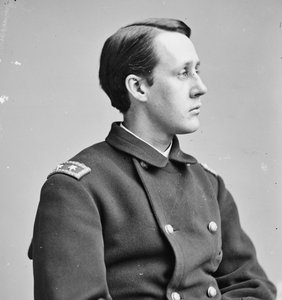
Francis Barlow
1624 - 1704 , United Kingdom
Kısa Bilgiler
- Full Name: Francis Barlow
- Nationality: English
- Date Of Birth: 1624
- Date Of Death: 1704
- Place Of Birth: Lincoln, United Kingdom
- Notable Artworks:
- Three Hares
- A Farmyard
- A Cassowary
- Theophila illustrations
- Artistic Movement Or Style: Natural history, hunting, and satire
- Artists Who Influenced This Artist: ['William Sheppard']
- Artists Or Movements Influenced By This Artist:
- George Stubbs
- British sporting painting
İlgili Yazılar
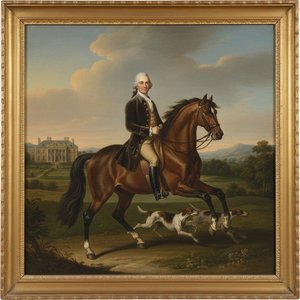
John Francis Sartorius II: Equestrian Elegance & the Rise of British Portraiture
Explore the captivating world of Francis Sartorius II (1734-1804), a leading British painter renowned for his exquisite equestrian portraits and hunting scenes. Discover his life, techniques & enduring legacy.

John Singer Sargent'ın En İyi 25 Eseri: Sanat, Stil ve Ev Dekorasyonu İlhamı
John Singer Sargent'ın en iyi 25 eserini keşfedin! Amerikan empresyonizminin ustası Sargent’ın portrelerindeki zarafeti, tekniği ve renkleri inceleyin. Ev dekorasyonunuz için lüks sanat baskıları OriginalUniqueArt.com'da. Koleksiyonu şimdi keşfedin!

El Greco'nun En İyi 25 Eseri: Sanat Tarihinin İkonik Yorumları ve Ev Dekorasyonu İçin İlham Veren Seçkiler
El Greco'nun en iyi 25 eserini keşfedin! İspanyol Rönesansı'nın mistik dehasının dini tabloları, dramatik renkleri ve maniyerizm tarzıyla evinizi sanatla doldurun. OriginalUniqueArt.com'da yüksek kaliteli baskılarla El Greco koleksiyonuna göz atın.
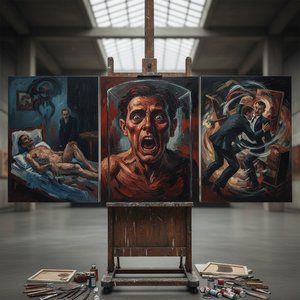
Francis Bacon'un En İyi 25 Eseri: Sanatın Derinliklerinde Duygusal Bir Yolculuk
Francis Bacon'un en etkileyici 25 eserini keşfedin! Modern sanatın duygusal derinliklerine dalın, çarpıcı portrelerin ve soyut dışavurumculuğun gizemini çözün. Evinizi lüks sanat baskılarıyla zenginleştirin. OriginalUniqueArt.com’da tüm şaheserleri inceleyin.

John Constable'ın En İyi 25 Eseri: İngiliz Manzaralarının Büyüsü OriginalUniqueArt'ta
John Constable'ın en iyi 25 eserini keşfedin! İngiliz manzara sanatının büyülü dünyasına dalın, romantizm akımını ve kırsal yaşamı yansıtan tablolarla evinizi zenginleştirin. Sanat reproduksiyonları OriginalUniqueArt'ta.