Early Renaissance · 1442
The Annunciation (Fra Angelico, 1442)
The Annunciation, Fra Angelico (1395–1455) tarafından yapıldı. 1442 yılına aittir. Early Renaissance akımına aittir. Fresco ile yapılmıştır. Floransa, İtalyadaki San Marco Manastırı bünyesinde korunmaktadır. Boyutları 230 × 321 cm'dir.
- 1442
- Fresco
- 230 × 321 cm
- San Marco Manastırı, Floransa

 El Yapımı Yağlı Boya Tablo
 Paylaş
 Paylaş
 Bilgi formu


 İndir
 Benzer ürünler
 Slayt Gösterisi
 Soru & Cevap

 İstatistikler
The Annunciation hakkında kısa bilgi
- Başlık
- The Annunciation
- Sanatçı
- Fra Angelico (1395–1455)
- Sanatçının doğum yeri
- Vicchio, İtalya
- Tarih
- 1442
- Teknik
- Fresco
- Boyutlar
- 230 × 321 cm
- Nerede görülebilir
- San Marco Manastırı, Floransa, İtalya
- Dönem
- Renaissance
- Konu
- annunciation, mary, gabriel, angel, fresco, medieval
The Annunciation neyi betimliyor?
A Moment of Divine Revelation: Fra Angelico’s “The Annunciation”
Fra Angelico's "The Annunciation," painted in 1442, is more than just a depiction of a pivotal biblical event; it’s an immersion into a realm of serene spirituality and exquisite detail. This fresco, housed within the walls of a Dominican monastery (though its exact location has shifted over time), captures the profound moment when the Archangel Gabriel announces to Mary that she will conceive and bear the son of God. The painting immediately draws the viewer in with its carefully orchestrated composition – a sense of quiet grandeur achieved through the strategic placement of arches, benches, and the central figures themselves.
The scene unfolds within a room bathed in a soft, diffused light, characteristic of Fra Angelico’s signature style. Earth tones dominate the palette—ochres, siennas, and umbers—creating an aged, almost timeless quality that speaks to the enduring nature of faith. This deliberate use of color isn't merely decorative; it evokes the atmosphere of a monastic setting, reflecting the contemplative life of the Dominican order. Notice how the artist masterfully employs *sfumato*, a technique borrowed from Leonardo da Vinci, softening edges and creating an ethereal haze that contributes to the overall sense of otherworldly beauty.
The Dance of Figures: Composition and Symbolism
At the heart of the composition are Mary and Gabriel. Mary, kneeling in humble reverence, gazes upwards with a mixture of surprise and acceptance. Her posture is graceful yet grounded, embodying both vulnerability and strength. The angel, rendered with delicate wings outstretched, presents the news with an air of solemnity and divine authority. The subtle shift in their gestures—Mary’s downward tilt of her head versus Gabriel's raised hand—creates a dynamic interplay between them, illustrating the exchange of this momentous revelation.
Beyond the central figures, details abound that enrich the narrative. The two benches flanking the scene aren’t merely architectural elements; they represent the earthly realm and the setting for this divine encounter. The presence of a third figure, partially obscured within the architecture – often interpreted as John the Baptist or even an attendant – adds to the sense of a sacred space unfolding before our eyes. The lilies held by Gabriel are a potent symbol of purity and virginity, directly referencing Mary’s role in salvation history.
A Masterclass in Early Renaissance Technique
Fra Angelico's skill as a painter is immediately apparent in the meticulous detail of "The Annunciation." He was renowned for his painstaking preparation – often sketching numerous studies before committing to fresco. This dedication is evident in the rendering of Mary’s garments, the folds of her veil, and the intricate details of Gabriel’s wings. The artist's use of *tempera* on gesso—a technique common at the time—allowed for layering colors and achieving remarkable luminosity.
- Layered Fresco Technique: Fra Angelico employed a meticulous process, starting with a rough ground (gesso) and building up layers of color to create depth and vibrancy.
- Sfumato Effect: The subtle blurring of lines and edges, particularly around the figures’ faces, contributes to the painting's ethereal quality.
- Symbolic Color Palette: The earth tones evoke a sense of monastic austerity and spiritual contemplation.
Emotional Resonance and Timeless Beauty
"The Annunciation" transcends its biblical subject matter, offering a profound meditation on faith, humility, and divine grace. It’s a painting that invites quiet reflection, prompting viewers to consider the transformative power of belief. Fra Angelico's ability to capture such intense emotion with such understated elegance is what secures this work’s place as one of the most beloved and enduring images of the Early Renaissance. OriginalUniqueArt offers exceptional reproductions of this masterpiece, allowing you to bring its serene beauty into your home or office – a testament to the timeless artistry of Fra Angelico.
The Annunciation adlı eseri hangi müze bünyesinde barındırmaktadır?
San Marco Manastırı
Floransa, İtalya
San Marco Manastırı: İnancın ve Sanatın Kutsal Mekânı İtalya’nın Floransa şehrinin kalbinde yer alan San Marco Manastırı, Rönesans ruhunun derin bir dindarlıkla iç içe geçtiği eşsiz bir anıt olarak yükseliyor. Sadece şaheserlere ev sahipliği yapmakla kalmıyor, aynı zamanda ziyaretçilerini 15. yüzyıla doğru unutulmaz bir yolculuğa çıkararak Fra Angelico ve Girolamo Savonarola’nın mirasını ihtişamlı bir Dominik manastırının duvarları içinde deneyimlemeye davet ediyor.


The Annunciation için yüksek çözünürlüklü görseller

Kamu malı: sanatçı 1455 yılında vefat etmiştir.
Diğer boyutlar, kırpma seçenekleri ve alıntı bilgisi →Fra Angelico, The Annunciation (1442), San Marco Manastırı. Kamu malı.
The Annunciation hakkında sorular ve cevaplar
"The Annunciation" adlı eserin orijinali hangi müzede bulunuyor?
Orijinal Fra Angelico imzalı "The Annunciation", San Marco Manastırı, Floransa, İtalya bünyesinde bulunmaktadır. Bir reprodüksiyon, eserin evde sergilenmesine olanak tanır.
"The Annunciation" hangi yıl yapıldı?
"The Annunciation", 1442 yılına tarihlenmektedir. Bu tarih, eseri Fra Angelico kariyerinin ve dönemin içerisine yerleştirmektedir.
"The Annunciation" hangi teknikle yapılmıştır?
Fra Angelico imzalı "The Annunciation" eserinin tekniği Fresco kullanılarak uygulanmıştır. Çoğaltımlar, bu tekniğin görünümünü yansıtmayı amaçlamaktadır.
Orijinal "The Annunciation" eserinin boyutları nedir?
"The Annunciation" adlı eserin orijinal boyutları 230 x 321 cm ölçülerindedir. Orijinal boyutlar, bir reprodüksiyon boyutu seçerken yararlı bir referans niteliğindedir.
Fra Angelico imzalı "The Annunciation" eserinde hangi konular işleniyor?
Fra Angelico imzalı "The Annunciation" şunları betimler: annunciation, mary, gabriel, angel, fresco, medieval, spirituality, tuscan.
Fra Angelico imzalı "The Annunciation" kamu malı mı?
Fra Angelico imzalı "The Annunciation", kamu malıdır - telif hakkı süresi dolmuştur statüsündedir. Bu durum, eserin görüntüsünün nasıl çoğaltılabileceğini belirler.
"The Annunciation" eserinin yaratıcısı kim?
"The Annunciation", Fra Angelico tarafından yaratılmıştır. Bu sayfadaki bilgiler Fra Angelico imzalı orijinal esere aittir.
"The Annunciation" hangi sanat akımına aittir?
Fra Angelico imzalı "The Annunciation", Early Renaissance akımına aittir. Bu akım, eserin üslup bağlamını sunmaktadır.
"The Annunciation" adlı eser, Fra Angelico kariyerinin hangi dönemine ait?
Fra Angelico'in kariyerinde "The Annunciation", Early Renaissance dönemine denk gelmektedir. Bu evre, eserin sanatçının diğer çalışmalarıyla kıyaslanmasına olanak tanır.
Sanatçı hakkında, Fra Angelico
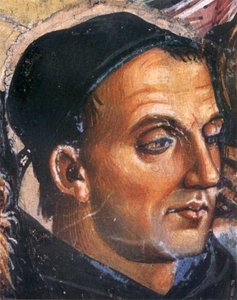
1395–1455, İtalya
Fra Angelico
Erken Yaşam ve Manevi Oluşum Mugello'da Guido di Pietro olarak dünyaya gelen ve ileride tüm dünyada Fra Angelico olarak tanınacak olan bu sanatçı, yaşamına Floransa yakınlarındaki Toskana tepelerinde başladı. 1395 yılı civarında Giovanni da Fiesole ismiyle bilinen sanatçının ilk yılları, bu bölgenin huzurlu ve dingin manzaralarıyla şekillendi. Genç Giovanni, zamanla Fiesole'deki Dominiken Tarikatı'na katılarak hayatında köklü bir değişim yaşadı. Bu seçim, onu bir din adamı olmayan bir birey olmaktan çıkarıp manastırın disiplinli ve derin tefekküre dayalı dünyasına taşıdı.
Fra Angelico Hakkında Fra Angelico tarafından yapılmış öne çıkan eserler
Fra Angelico tarafından yapılan diğer eserler
 Fra Angelico
Rupesana
İtalya
1395
1430
1455
İlahi Karşılaşma: Rönesans'ın Önemli Bir Eseri
194 x 194 cm
İlân1430
 Çocuklu Madonna, Azizler ve Çarmıh
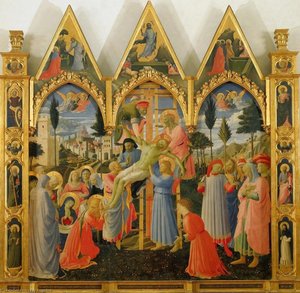 İsa'nın İnişi
 Son Yargı1431
The Annunciation üzerine denemeler
 Divine Beauty: The 25 Most Iconic Masterpieces by Fra AngelicoJourney through the divine beauty of Fra Angelico's finest works. Explore 25 iconic Renaissance masterpieces, from ethereal frescoes to sac…
 The Enduring Legacy of Fresco: Technique, History & Artistic ExpressionExplore the rich history & enduring artistry of fresco painting. Discover techniques from Giotto to Michelangelo, conservation efforts, & m…
 Sacred Narratives: Decoding the Iconography and Artistry of the AnnunciationExplore the profound symbolism and mastery behind Renaissance Annunciation paintings. Discover the secrets of these sacred masterpieces now.