
 Gerçek Boyutta Önizle
 Paylaş
 Paylaş
 Detayları Gör
 Rehber

 İndir
İndir
 Benzer ürünler
 X-Işını
 Slayt Gösterisi
 Q&A
Q&A İstatistikler
The Penitent St Jerome

- 47.0 x 34.0 cm


 Tümünü Gör
Giclée / Sanat Baskısı
Hızlı üretim ve esnek bitiş seçenekleriyle müze kalitesinde giclée veya kanvas baskı. ( El Yapımı Tablo Satın Al Dijital Görsele Geç)




P118B ₺10

P118H ₺10

P118W ₺10

P438Z ₺10

P508JH ₺12

P508YH ₺12

P805H ₺10

P805Z ₺10

P919BZ ₺10

P919G ₺10

P919XJ ₺10

P959ZH ₺10

P968JZ ₺12

W106C ₺8

W218G ₺10

W218JH ₺8

W218Y ₺10

W307PJ ₺10

W316G ₺10

W316PJ ₺8

W316Y ₺10

W398PJ ₺8

W4111J ₺10

W500HY ₺15

W500JH ₺15

W692G ₺12

W849H ₺8

W940BG ₺15

W953PJ ₺8




Eserin orijinal oranlarıyla uyumlu, önceden belirlenmiş boyutlarımız arasından seçim yapın.

Çerçevenize veya duvarınıza uygun olması için ihtiyacınız olan genişlik ve yüksekliği yazın. Bir baskı yalnızca kesilebilir, görselden daha büyük hale getirilemez; bu nedenle farklı bir formdaki boyut seçimi, görselin bir kısmının kaybına neden olur. Herhangi bir baskı yapmadan önce onaylamanız için size bir dijital taslak gönderiyoruz. Bu sayfada gösterilen resim gerçek kesimi göstermez — bunu yalnızca taslak gösterir.
Dünya Çapında Teslimat (); standart 4/5 hafta yerine 2 haftada. (2 Kasım)

Dünya Çapında Ücretsiz Ekspres Kargo

Yüksek Kaliteli Keten Kanvas

Tam Nakliye Sigortası

Gümrük Vergisi İadesi Garantisi

Gerçek Renk Uyumu Garantisi

100 Günlük İade Politikası (Sadece Kusurlu Ürünler İçin)

%100 Para İade Garantisi

Toplu Alım İndirimi
 Cam seçeneği yalnızca 110 cm altındaki boyutlar için mevcuttur.

The Penitent St Jerome
Giclée / Sanat Baskısı
Reproduksiyon Boyutu
-


Toplam Tutar
₺ 3933
The Penitent St Jerome: A Renaissance Echo of Spiritual Struggle
Filippino Lippi’s “The Penitent St Jerome,” painted in 1485, is more than just a depiction of a biblical figure; it's a profound meditation on faith, remorse, and the arduous path to redemption. The painting immediately draws the viewer into a world of stark contrasts – the cool, shadowed depths of the cave against the warm glow emanating from the central figure, the rough texture of the stone juxtaposed with the delicate folds of his robe. It’s a scene steeped in emotional intensity, rendered with the meticulous detail and psychological insight characteristic of the Florentine Renaissance.
Lippi masterfully employs perspective to create an immersive experience. The viewer is positioned as if observing St Jerome from a slightly elevated vantage point, peering into the darkness of his refuge. The receding cityscape in the background—a hazy, almost dreamlike vision of Florence—suggests both earthly constraints and the promise of spiritual transcendence. This architectural backdrop isn’t merely decorative; it subtly reinforces the theme of isolation and the struggle between the material world and divine grace.
A Masterclass in Renaissance Technique
The painting is executed primarily in oil on panel, a medium that allowed Lippi to achieve an extraordinary level of realism and luminosity. Note the subtle gradations of color – the deep blues and purples of the shadows, the earthy browns and ochres of the stone, and the rich crimson of the saint’s robe. Lippi's brushwork is remarkably controlled, yet imbued with a sense of movement and dynamism. The texture of the rock face is rendered with astonishing accuracy, inviting the viewer to almost feel its rough surface beneath their fingertips. This attention to detail extends to the folds of the fabric, which appear both weighty and fluid, conveying the saint’s physical suffering.
The pyramidal composition—a hallmark of Renaissance art—anchors the scene and directs the eye towards St Jerome. The figure dominates the center, radiating a quiet intensity that speaks volumes about his inner turmoil. The use of chiaroscuro – the dramatic interplay of light and shadow – further emphasizes this sense of drama and psychological depth. Lippi doesn’t simply depict a saint; he captures the very essence of his struggle.
Symbolism and Spiritual Resonance
“The Penitent St Jerome” is rich in symbolic meaning. The cave itself represents both physical isolation and spiritual retreat, a place where the saint can confront his past sins and seek forgiveness. The stone he uses to beat his chest is a potent symbol of self-flagellation – a practice associated with penance and repentance. The small lion, traditionally an attribute of St Jerome, is barely visible in the background, perhaps suggesting the fading power of earthly dominion and the triumph of spiritual authority.
The presence of the crucifix—a subtle but crucial element—underscores the central theme of redemption through sacrifice. St Jerome’s posture – hunched over, his face etched with sorrow – conveys a profound sense of humility and devotion. The painting isn't merely about suffering; it’s about transformation, about the possibility of finding solace and grace amidst pain and regret.
A Timeless Meditation on Faith
“The Penitent St Jerome” remains a powerfully evocative work of art, offering viewers a glimpse into the complexities of faith, repentance, and the human condition. It’s a testament to Lippi's artistic skill and his profound understanding of the spiritual themes he explored. Reproductions of this masterpiece capture not only its visual beauty but also the emotional weight and timeless resonance of its message – a reminder that even in our darkest moments, redemption is always within reach.
Soru ve Cevaplar
Filippino Lippi imzalı "The Penitent St Jerome" eserinin renk yoğunluğu nedir?
"The Penitent St Jerome" eserinin renk yoğunluğu Monochromatic düzeyindedir. Yoğunluk, renklerin ne kadar güçlü göründüğünü ifade eder.
Filippino Lippi imzalı "The Penitent St Jerome" eserini farklı ışıklar altında görebilir miyim?
Filippino Lippi imzalı "The Penitent St Jerome" eserinin X-Ray görünümüne eserin X-Işını Analizi sayfasından ulaşabilirsiniz: on bir optik katman aracılığıyla görüntünün interaktif bir incelemesi.
Filippino Lippi imzalı "The Penitent St Jerome" eserinin genel atmosferi nedir?
"The Penitent St Jerome" Dramatic bir atmosfere sahip.
Sanatçı Özgeçmişi
Erken Yaşamı ve Eğitimi
Filippino Lippi, Nisan 1457’de Prato şehrinde dünyaya geldi. Rönesans sanatının altın çağına damgasını vuracak bu yetenekli ressamın hayat hikayesi, babası Fra Filippo Lippi'nin gölgesinde başlar. Fra Filippo, döneminin en saygın ressamlarından biriydi ve Filippino onun gayrimeşru oğluydu. Babasının sanat atölyesinde aldığı erken eğitim, genç sanatçının kariyerine sağlam bir temel oluşturdu. Bu ilk yıllarda babasının tarzını özümseyerek yeteneğini geliştirdi, ancak zamanla kendi özgün stilini yaratmaya başlayacaktı. Annesi Lucrezia Buti’nin etkisi de Filippino'nun hayatında önemli bir yer tutmuş olsa da, sanat dünyasındaki yükselişinde babasının rehberliği ve öğretileri belirleyici oldu.Sanatsal Kariyerinin Gelişimi
Filippino Lippi’nin sanatsal yolculuğu 1475-1480 yılları arasında başladı. Bu dönemdeki eserleri, özellikle *Madonna* tasvirleri, henüz olgunlaşmamış bir üsluba sahipti ve başlangıçta “amico di Sandro” (Sandro'nun dostu) olarak bilinen anonim bir sanatçıya atfediliyordu. Ancak 1480-1485 yılları arasında *Tobias’ın Yolculukları* gibi eserleriyle daha kişisel ve etkili bir yaklaşım sergilemeye başladı. Ressam, bu dönemde kendine özgü bir tarz geliştirmeye odaklandı. 1485-1504 yılları arasındaki olgunluk dönemi ise Yüksek Rönesans stilinde ustalıkla yaptığı işlerle doruk noktasına ulaştı. *Bakireye Mesih’in Görünüşü* eseri, bu dönemdeki sanatsal başarısının en belirgin örneğidir.Önemli Eserleri ve İşbirlikleri
Filippino Lippi, sanat kariyeri boyunca birçok önemli eser ortaya koydu ve dönemin önde gelen sanatçılarıyla işbirliği yaptı. Lorenzo de' Medici’nin villasındaki fresklerde Perugino, Ghirlandaio ve Botticelli ile birlikte çalıştı. Bu ortak projeler, farklı sanatçıların stillerinin etkileşimini gösteren değerli örnekler olarak günümüze ulaşmıştır. Ayrıca Masolino ile birlikte Brancacci Şapeli’ndeki Masaccio'nun tamamlanmamış süslemelerini tamamladı. *Bakirenin Tacı*, *Tobias ve Melek*, *Aziz Jerome* ve *Aziz Thomas Aquinas Hayatından Bir Sahne* gibi eserleri, Filippino Lippi’nin sanatsal dehasının kanıtlarıdır.Etkileri ve Sanatsal Tarzı
Filippino Lippi'nin sanat anlayışı, Sandro Botticelli ve Fra Filippo Lippi gibi ustaların etkisinde şekillendi. Ancak genç ressam, bu etkileri kendi özgün yorumuyla birleştirerek farklı bir sanatsal kimlik oluşturmayı başardı. *Canlı formlar ve çizgiler*, *sıcak renk kullanımı*, *detaylı peyzaj tasvirleri*, *ifade dolu figürler* ve *perspektif geometrisi ile samimi iç mekanların uyumu* Filippino Lippi’nin tarzının temel özellikleridir. Roma antik eserlerini incelemesi, sanatında antika motiflerinin kullanılmasına yol açtı ve eserlerine klasik bir hava kattı.Tarihi Önemi ve Mirası
Filippino Lippi, büyük fresk döngülerinin önde gelen Floransalı temsilcilerinden biriydi. Yüksek Rönesans’a olan etkisi yadsınamazdır. Eserleri dünyanın dört bir yanındaki müzelerde sergilenmektedir; özellikle Floransa'daki Uffizi Galerisi, Filippino Lippi’nin önemli eserlerine ev sahipliği yapmaktadır. Ressam, erken Rönesans stilleri ile ortaya çıkan Yüksek Rönesans estetiği arasındaki boşluğu doldurarak sanat tarihine önemli bir katkıda bulunmuştur. Onun sanatı, hem döneminin özelliklerini yansıtır hem de gelecek nesiller için ilham kaynağı olmuştur. Filippino Lippi’nin eserleri, İtalyan resminin en değerli hazinelerinden biri olarak kabul edilir.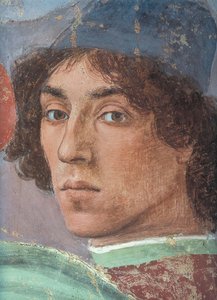
Filippino Lippi
1457 - 1504 , İtalya
Kısa Bilgiler
- Doğum Tarihi: Nisan 1457
- Doğum Yeri: Prato, İtalya
- Etkilediği Sanatçılar: ['Raffaellino del Garbo']
- Etkilendiği Sanatçılar:
- Fra Filippo Lippi
- Sandro Botticelli
- Sanatsal Akım: Yüksek Rönesans
- Tam Adı: Filippino Lippi
- Uyruğu: İtalyan
- Ölüm Tarihi: Nisan 1504
- Önemli Eserleri:
- Bakire Tacı
- Tobias ve Melek
- Aziz Jerome
Benzer Yazılar

Filippino Lippi: Renaissance Innovation Bridging Faith & Humanism
Explore the captivating world of Filippino Lippi, a Renaissance master bridging faith & humanism through innovative art. Discover his key works, influences, and lasting legacy with OriginalUniqueArt.

Oil on Canvas: A Historical & Technical Exploration of a Timeless Artistic Medium
Explore the rich history & enduring techniques of oil painting on canvas. Discover the science behind its longevity, conservation practices, and contemporary relevance. Expert insights for art enthusiasts.

The Enduring Power of Painting: A Historical & Contemporary Exploration of Form and Emotion
Explore the rich history & enduring techniques of oil painting with OriginalUniqueArt. Discover masterpieces, learn about art collecting, and find authentic handmade reproductions crafted by skilled artists.
Filippo Lippi: Bridging Renaissance Devotion & Artistic Innovation
Explore the life & revolutionary art of Filippo Lippi, a pivotal Renaissance painter. Discover his masterpieces, influence on Botticelli, and investment potential. Expert analysis at OriginalUniqueArt.

The Enduring Legacy of Oil on Canvas: Technique, History & Aesthetic Impact
Explore the rich history & techniques of oil painting – from Renaissance masters to Impressionism. Discover pigments, layering methods, and why this timeless medium endures. Expert insights for artists & art enthusiasts.