

 Önizle
 Gönder
 Paylaş
 Detaylar
 Rehber

 Dosyayı İndir
 Benzerleri
 X-Işını
 Slayt Gösterisi
 İstatistikler
Annunciation


 Devamını Oku
El Yapımı Yağlı Boya Reproduksiyon
Sanatçılarımız tarafından sipariş üzerine hazırlanan; istediğiniz boyut ve çerçevede, tuval üzerine el boyaması yağlı boya. ( Baskı Satışına Geç Dijital Görsel Satışına Geç)




P118B ₺10

P118H ₺10

P118W ₺10

P438Z ₺10

P508JH ₺12

P508YH ₺12

P805H ₺10

P805Z ₺10

P919BZ ₺10

P919G ₺10

P919XJ ₺10

P959ZH ₺10

P968JZ ₺12

W106C ₺8

W218G ₺10

W218JH ₺8

W218Y ₺10

W307PJ ₺10

W316G ₺10

W316PJ ₺8

W316Y ₺10

W398PJ ₺8

W4111J ₺10

W500HY ₺15

W500JH ₺15

W692G ₺12

W849H ₺8

W940BG ₺15

W953PJ ₺8




Eserin orijinal oranlarıyla uyumlu, önceden belirlenmiş boyutlarımız arasından seçim yapın.

Çerçevenize veya duvarınıza uygun olması için ihtiyacınız olan genişliği ve yüksekliği yazın. Bu eser el boyamasıdır; bu nedenle farklı bir formdaki boyutlar için sanatçı, resmin etrafına biraz daha fazla boya ekleyebilir veya biraz daha kırpabilir — seçim sizin. Boyama işlemi başlamadan önce onaylamanız için size bir dijital taslak gönderiyoruz. Bu sayfada gösterilen resim gerçek sonucu yansıtmamaktadır — gerçek sonucu yalnızca taslak göstermektedir.
Siparişten sonra, OriginalUniqueArt.com ekibi talimatlar için müşteriye e-posta gönderecek ve bir taslak önizleme sunacaktır
Dünya Çapında Teslimat (); standart 5 hafta yerine 3/4 haftada. (24 Ekim). Kaliteden ödün verilmez.

Dünya Çapında Ücretsiz Ekspres Kargo

Yüksek Kaliteli Keten Tuval

Tam Nakliye Sigortası

Gümrük Vergisi İadesi Garantisi

Gerçek Renk Uyumu Garantisi

100 Günlük İade Koşulları (Sadece Üretim Hatalı Ürünler İçin)

%100 Para İade Garantisi

Toplu Alım Avantajı
 Cam seçeneği yalnızca 110 cm altındaki boyutlar için mevcuttur.

Annunciation
Baskı Tekniği
Baskı Boyutu
-


Toplam Fiyat
₺ 14668
The Annunciation: A Renaissance Dialogue of Light and Grace
Filippino Lippi’s “Annunciation,” painted in 1489 for the Medici family’s villa near Florence, is more than just a depiction of a pivotal biblical moment; it's a masterful orchestration of light, color, and human emotion. This fresco, now residing within the serene walls of Santa Maria sopra Minerva, offers a glimpse into the burgeoning artistic spirit of the High Renaissance – a period defined by its renewed interest in classical ideals and a profound exploration of human experience.
The scene itself is instantly recognizable: the angel Gabriel, rendered with an almost startlingly youthful energy, delivers the momentous news to Mary. Lippi’s genius lies not merely in his accurate portrayal of the figures but in his manipulation of space and atmosphere. The interior setting, though somewhat simplified, feels remarkably real – a modest chamber furnished with a chair, books, and a table, suggesting a domestic tranquility disrupted by this divine visitation. Note the careful attention to detail: the folds of Mary’s garments, the delicate rendering of Gabriel's wings, and the subtle play of light on the objects within the room all contribute to an immersive experience for the viewer.
A Symphony of Color and Technique
Lippi was a master of tempera paint, a medium known for its luminous quality and ability to achieve rich, vibrant colors. He employed a technique called *sfumato*, blurring lines and softening edges to create an ethereal effect – particularly evident in the hazy light that bathes the scene. The palette is dominated by warm hues: reds, golds, and ochres—reflecting the importance of Mary’s role as the Mother of God. The use of perspective, though not entirely rigorous by Renaissance standards, creates a sense of depth and spatial awareness, drawing the viewer into the heart of the narrative.
Furthermore, Lippi's brushwork is remarkably expressive. Observe how he captures the movement of Gabriel’s hand as he presents the message to Mary, or the gentle curve of her neck in response. These subtle gestures convey a profound sense of emotion and vulnerability – a testament to Lippi’s ability to imbue his figures with life.
Symbolism and Spiritual Resonance
The “Annunciation” is rich in symbolic meaning. Gabriel, often depicted as youthful and radiant, represents divine grace and the messenger of God's will. Mary, presented as a modest and contemplative figure, embodies humility and acceptance. The dove hovering above them symbolizes the Holy Spirit – the source of life and inspiration. The open book on the table is a subtle reference to scripture and the importance of faith.
Beyond these immediate symbols, the painting speaks to broader themes of communication, revelation, and the transformative power of divine grace. It’s a moment of profound significance—the beginning of a new era in Christian theology and art. The composition itself can be interpreted as a dialogue between heaven and earth, between the spiritual realm and the human world.
A Timeless Masterpiece for Reflection
“Annunciation” by Filippino Lippi remains a powerful and moving work of art. Its beauty lies not only in its technical brilliance but also in its ability to evoke a sense of wonder and contemplation. Whether viewed as a historical document, a religious icon, or simply a stunning example of Renaissance artistry, this fresco continues to captivate audiences centuries after its creation. Reproductions offer an accessible way to experience the depth and nuance of Lippi’s vision, bringing this timeless dialogue of light and grace into any space.
Useful Links:
- Annunciation (Filippo Lippi, London) - Wikipedia
- Annunciation 1489-91 Reproduction For Sale | 1st Art Gallery
- The National Gallery, London
Additional Research:
Soru ve Cevaplar
Filippino Lippi hangi takma adlar veya alternatif isimlerle tanınmaktadır?
Filippino Lippi, Filippo Di Tommaso Lippi, Filippo Lippi (Oğlu) alternatif isimleriyle de yer almaktadır.
"Annunciation" adlı eser, Filippino Lippi kariyerinin hangi dönemine ait?
Filippino Lippi'in kariyeri içerisinde "Annunciation", Mature Renaissance dönemine ait bir eserdir. Bu evre, eserin sanatçının diğer çalışmalarıyla karşılaştırılmasına yardımcı olur.
"Annunciation" eserinin renk paleti ne kadar doygun?
"Annunciation" eserinin renk paleti, Balanced Soft düzeyinde bir doygunluğa sahiptir.
Sanatçı Biyografisi
Erken Yaşamı ve Eğitimi
Filippino Lippi, Nisan 1457’de Prato şehrinde dünyaya geldi. Rönesans sanatının altın çağına damgasını vuracak bu yetenekli ressamın hayat hikayesi, babası Fra Filippo Lippi'nin gölgesinde başlar. Fra Filippo, döneminin en saygın ressamlarından biriydi ve Filippino onun gayrimeşru oğluydu. Babasının sanat atölyesinde aldığı erken eğitim, genç sanatçının kariyerine sağlam bir temel oluşturdu. Bu ilk yıllarda babasının tarzını özümseyerek yeteneğini geliştirdi, ancak zamanla kendi özgün stilini yaratmaya başlayacaktı. Annesi Lucrezia Buti’nin etkisi de Filippino'nun hayatında önemli bir yer tutmuş olsa da, sanat dünyasındaki yükselişinde babasının rehberliği ve öğretileri belirleyici oldu.Sanatsal Kariyerinin Gelişimi
Filippino Lippi’nin sanatsal yolculuğu 1475-1480 yılları arasında başladı. Bu dönemdeki eserleri, özellikle *Madonna* tasvirleri, henüz olgunlaşmamış bir üsluba sahipti ve başlangıçta “amico di Sandro” (Sandro'nun dostu) olarak bilinen anonim bir sanatçıya atfediliyordu. Ancak 1480-1485 yılları arasında *Tobias’ın Yolculukları* gibi eserleriyle daha kişisel ve etkili bir yaklaşım sergilemeye başladı. Ressam, bu dönemde kendine özgü bir tarz geliştirmeye odaklandı. 1485-1504 yılları arasındaki olgunluk dönemi ise Yüksek Rönesans stilinde ustalıkla yaptığı işlerle doruk noktasına ulaştı. *Bakireye Mesih’in Görünüşü* eseri, bu dönemdeki sanatsal başarısının en belirgin örneğidir.Önemli Eserleri ve İşbirlikleri
Filippino Lippi, sanat kariyeri boyunca birçok önemli eser ortaya koydu ve dönemin önde gelen sanatçılarıyla işbirliği yaptı. Lorenzo de' Medici’nin villasındaki fresklerde Perugino, Ghirlandaio ve Botticelli ile birlikte çalıştı. Bu ortak projeler, farklı sanatçıların stillerinin etkileşimini gösteren değerli örnekler olarak günümüze ulaşmıştır. Ayrıca Masolino ile birlikte Brancacci Şapeli’ndeki Masaccio'nun tamamlanmamış süslemelerini tamamladı. *Bakirenin Tacı*, *Tobias ve Melek*, *Aziz Jerome* ve *Aziz Thomas Aquinas Hayatından Bir Sahne* gibi eserleri, Filippino Lippi’nin sanatsal dehasının kanıtlarıdır.Etkileri ve Sanatsal Tarzı
Filippino Lippi'nin sanat anlayışı, Sandro Botticelli ve Fra Filippo Lippi gibi ustaların etkisinde şekillendi. Ancak genç ressam, bu etkileri kendi özgün yorumuyla birleştirerek farklı bir sanatsal kimlik oluşturmayı başardı. *Canlı formlar ve çizgiler*, *sıcak renk kullanımı*, *detaylı peyzaj tasvirleri*, *ifade dolu figürler* ve *perspektif geometrisi ile samimi iç mekanların uyumu* Filippino Lippi’nin tarzının temel özellikleridir. Roma antik eserlerini incelemesi, sanatında antika motiflerinin kullanılmasına yol açtı ve eserlerine klasik bir hava kattı.Tarihi Önemi ve Mirası
Filippino Lippi, büyük fresk döngülerinin önde gelen Floransalı temsilcilerinden biriydi. Yüksek Rönesans’a olan etkisi yadsınamazdır. Eserleri dünyanın dört bir yanındaki müzelerde sergilenmektedir; özellikle Floransa'daki Uffizi Galerisi, Filippino Lippi’nin önemli eserlerine ev sahipliği yapmaktadır. Ressam, erken Rönesans stilleri ile ortaya çıkan Yüksek Rönesans estetiği arasındaki boşluğu doldurarak sanat tarihine önemli bir katkıda bulunmuştur. Onun sanatı, hem döneminin özelliklerini yansıtır hem de gelecek nesiller için ilham kaynağı olmuştur. Filippino Lippi’nin eserleri, İtalyan resminin en değerli hazinelerinden biri olarak kabul edilir.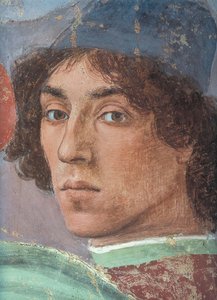
Filippino Lippi
1457 - 1504 , İtalya
Kısa Bilgiler
- Doğum Tarihi: Nisan 1457
- Doğum Yeri: Prato, İtalya
- Etkilediği Sanatçılar: ['Raffaellino del Garbo']
- Etkilendiği Sanatçılar:
- Fra Filippo Lippi
- Sandro Botticelli
- Sanatsal Akım: Yüksek Rönesans
- Tam Adı: Filippino Lippi
- Uyruğu: İtalyan
- Ölüm Tarihi: Nisan 1504
- Önemli Eserleri:
- Bakire Tacı
- Tobias ve Melek
- Aziz Jerome
İlgili Yazılar

Dante Gabriel Rossetti'nin En İyi 25 Eseri: Sanat, Estetik ve Ev Dekorasyonu Rehberi
Dante Gabriel Rossetti'nin en iyi 25 eserini keşfedin! Pre-Raphaelite akımının büyülü dünyasına dalın, sembolizm ve romantizmi evlerinize taşıyın. Sanat reproduksiyonları OriginalUniqueArt.com’da.

Celestial Messengers: A Comprehensive Exploration of Angelic Representation in Art History
Explore the captivating history of angels in art! Discover symbolism, iconic Renaissance masterpieces & renowned artists. Expert insights for art lovers & collectors at OriginalUniqueArt.

Duvar Sanatıyla Aile Mirasını Yüzyıllara Taşımak: Fresk Boyama Geleneği ve Kalıcı Eserler
Fresk sanatı uzmanları tarafından hazırlanan bu rehberde, duvar resminin kökenlerinden restorasyonuna kadar her şeyi keşfedin. Aile mirasını kalıcı eserlere dönüştürmek için ipuçları ve profesyonel sanat danışmanlığı.

Celestial Messengers: Angels in Painting – A Historical & Artistic Exploration
Explore the captivating history of angels in painting! Discover symbolism, iconic Renaissance & Byzantine masterpieces, and renowned artists. Expert insights for art lovers & collectors at OriginalUniqueArt.
The Enduring Legacy of Fresco Painting: Techniques, History & Contemporary Relevance
Explore the rich history & enduring artistry of fresco painting – from Giotto to Michelangelo! Discover techniques, conservation efforts, & modern applications. Learn how OriginalUniqueArt brings this timeless art form to your home.