Geometric Abstraction · 1954
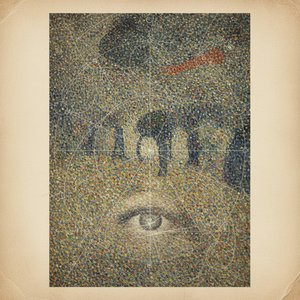
Study for the (Fernand Léger, 1954)
Study for the , Fernand Léger (1881–1955) tarafından yapıldı. 1954 yılına aittir. Geometric Abstraction akımına aittir. Acrylic On Canvas ile yapılmıştır. Caramulo, Portugaldaki Museu do Caramulo bünyesinde korunmaktadır. Boyutları 38 × 44 cm'dir.
- 1954
- Acrylic On Canvas
- 38 × 44 cm
- Museu do Caramulo

 Gerçek Boyutta Önizle

 El Yapımı Yağlı Boya Tablo
 Paylaş
 Paylaş
 Bilgi formu


 İndir
 Benzer ürünler
 X-Işını
 Slayt Gösterisi
 Soru & Cevap

 İstatistikler
Study for the hakkında kısa bilgi
- Başlık
- Study for the
- Sanatçı
- Fernand Léger (1881–1955)
- Sanatçının doğum yeri
- Argentan, Fransa
- Tarih
- 1954
- Teknik
- Acrylic On Canvas
- Boyutlar
- 38 × 44 cm
- Nerede görülebilir
- Museu do Caramulo, Caramulo, Portugal
- Konu
- musical performance, geometric forms, modern landscape, instrument ensemble, urban scene, animal presence
Study for the neyi betimliyor?
A Symphony of Form and Feeling: Exploring Fernand Léger’s “Study for Breakfast”
Fernand Léger's "Study for Breakfast," completed in 1954, transcends mere representation; it embodies the very spirit of Pointillism—a technique championed by Georges Seurat and embraced wholeheartedly by Léger as a means to convey dynamism and immediacy. This unassuming landscape isn’t simply depicted as it appears before our eyes; instead, Léger meticulously constructs it from countless tiny dots of pigment, creating an illusion of depth and texture that defies conventional painting methods. The resulting image pulsates with energy, mirroring the rhythms of daily life—a quiet morning scene rendered with astonishing precision. It's a masterful demonstration of how abstraction can serve as a conduit for emotion and observation simultaneously.- Style: Pointillism – Léger’s signature style prioritizes optical mixing over blending pigments on canvas, resulting in vibrant hues that shimmer and shift subtly under the light.
- Technique: Léger employed a painstaking process of applying dots of color—typically yellow, red, and blue—to build up layers of tonal variation. This method demanded immense patience and meticulous attention to detail, reflecting Léger’s unwavering commitment to his artistic vision.
Historical Context: Embracing Modernity Amidst Postwar Uncertainty
Created in the aftermath of World War II, “Study for Breakfast” speaks to a broader cultural preoccupation with rebuilding and redefining beauty after devastation. Léger’s stylistic choices—the geometric abstraction and the deliberate fragmentation of form—were deliberately antithetical to the prevailing artistic trends of his time, signaling a rejection of Impressionism's focus on fleeting sensations and an embrace of the machine age’s influence on visual perception. This bold stance positioned Léger as a pioneer of abstract expressionism, anticipating developments that would reshape the landscape of 20th-century art.Symbolic Resonance: The Quiet Power of Observation
Despite its apparent simplicity, “Study for Breakfast” is laden with symbolic significance. Léger’s use of dots—representing individual particles and conveying movement—suggests a fascination with scientific principles and an attempt to capture the underlying order of nature. The muted palette contributes to a mood of contemplative serenity, inviting viewers to contemplate the beauty found in everyday moments. It's a subtle reminder that even amidst turbulent times, art can offer solace and inspire wonder.Emotional Impact: Capturing Essence Through Precision
Ultimately, Léger’s “Study for Breakfast” succeeds in conveying an emotional resonance far exceeding its visual surface. The artist doesn’t aim to evoke sentimental feelings but rather to distill the essence of a scene—the feeling of warmth, light, and stillness—into a meticulously crafted composition. This achievement underscores Léger's profound understanding of how abstraction can communicate complex ideas and sensations with remarkable effectiveness. It remains an enduring testament to his artistic genius and a captivating example of Pointillist artistry.Study for the adlı eseri hangi müze bünyesinde barındırmaktadır?
Museu do Caramulo
Caramulo, Portugal
Çelik ve Ruhun Senfonisi Portekiz'in merkezindeki Serra do Caramulo'nun yemyeşil, dalgalı tepeleri arasına gizlenmiş olan Museu do Caramulo , nefes kesici bir paradoks olarak karşımıza çıkıyor; mekanik mühendisliğin hassasiyetinin insan yaratıcılığının derinliğiyle buluştuğu bir sığınak. Burası sadece kalıntıların saklandığı bir depo değil, görünüşte birbirinden tamamen farklı iki dünya arasında kurulan canlı bir diyalogdur. Vizyoner kardeşler Abel ve João de Lacerda tarafından kurulan müze, bir motorun kükremesi ile bir fırça darbesinin sessiz zarafeti arasında sınır görmeyi reddeden ortak bir tutkunun kanıtı olarak duruyor.


Study for the için yüksek çözünürlüklü görseller

Kamu malı: sanatçı 1955 yılında vefat etmiştir.
Diğer boyutlar, kırpma seçenekleri ve alıntı bilgisi →Fernand Léger, Study for the (1954), Museu do Caramulo. Kamu malı.
Study for the hakkında sorular ve cevaplar
Fernand Léger imzalı "Study for the" eseri bugün nerede sergileniyor?
Orijinal Fernand Léger imzalı "Study for the", Museu do Caramulo bünyesinde bulunmaktadır. Bir reprodüksiyon, eserin evde sergilenmesine olanak tanır.
"Study for the" hangi yıl yapıldı?
Fernand Léger imzalı "Study for the" eserinin yapım tarihi 1954 olarak kaydedilmiştir.
Fernand Léger imzalı "Study for the" hangi teknikle icra edilmiştir?
Fernand Léger imzalı "Study for the" eserinin tekniği Acrylic On Canvas kullanılarak uygulanmıştır. Çoğaltımlar, bu tekniğin görünümünü yansıtmayı amaçlamaktadır.
Orijinal Fernand Léger imzalı "Study for the" eserinin boyutları nedir?
"Study for the" adlı eserin orijinal boyutları 38 x 44 cm ölçülerindedir. Orijinal boyutlar, bir reprodüksiyon boyutu seçerken yararlı bir referans niteliğindedir.
"Study for the" neyi betimliyor?
"Study for the" eserinin konuları musical performance, geometric forms, modern landscape, instrument ensemble, urban scene, animal presence, domestic setting, pointillism technique şeklindedir.
"Study for the" eseri kamu malı mı?
Fernand Léger imzalı "Study for the" için telif hakkı durumu: eser kamu malıdır - telif hakkı süresi dolmuştur kapsamındadır. Bu durum, görüntünün çoğaltmalarının serbestçe yapılıp yapılamayacağını belirler.
"Study for the" eserinin sanatçısı kim?
"Study for the" adlı eserin Fernand Léger tarafından yapıldığı düşünülmektedir.
Fernand Léger imzalı "Study for the" hangi sanat akımına dahildir?
Fernand Léger imzalı "Study for the", Geometric Abstraction akımına aittir. Bu akım, eserin üslup bağlamını sunmaktadır.
"Study for the" adlı eser, Fernand Léger kariyerinin hangi dönemine ait?
"Study for the", Fernand Léger kariyerinin Mature Period dönemine aittir. Bu sınıflandırma, eseri sanatçının gelişim süreciyle ilişkilendirir.
Sanatçı hakkında, Fernand Léger

1881–1955, Fransa
Fernand Léger
Fernand Léger'in Hayatı Fernand Léger'in hikayesi, Alt Normandiya'nın Orne bölgesinde yer alan Argentan köyünde başlar. 4 Şubat 1881'de dünyaya gelen sanatçı, tek bir oğundu. İlk yılları, Fransız kırsalının huzurlu sessizliği ve annesi Marie-Adèle Daunou'nun varlığıyla şekillendi. Geçimini sığır tüccarlığı yaparak sağlayan babası, Fernand henüz küçük bir çocukken hayata gözlerini yumdu; bu durum, çocuğu annesinin dindarlığı ve mütevazı doğasının damga vurduğu bir evde büyümesiyle baş başa bıraktı.
Fernand Léger Hakkında Fernand Léger tarafından yapılmış öne çıkan eserler
Fernand Léger tarafından yapılan diğer eserler
 Şehir1919
 Mekanik1920
 Üç Kadın1921
 Ormanda Soyutlamalar1910

Study for the üzerine denemeler
 Industrial Revolution on Canvas: 10 Artworks That Define a Modern AestheticExplore 10 iconic artworks capturing the Industrial Revolution’s grit & beauty. From Monet to Manet, discover realism, impressionism & powe…
 Georges Seurat: Pointillism, Perception & the Scientific Foundations of Modern ArtExplore the revolutionary art of Georges Seurat and the science behind Pointillism. Discover chromoluminarism, optical mixing, and the last…
 Mastering the Machine Age: The Top 25 Fernand Léger ArtworksImmerse yourself in the vibrant world of Fernand Léger. Explore 25 iconic masterpieces of Cubism and Tubism, from bold geometric forms to m…