Gerçek Boyutta Önizle
 Paylaş
 Paylaş
 Detayları Gör
 Rehber

 İndir
İndir
 Benzer ürünler
 X-Işını
 Slayt Gösterisi
 Soru & Cevap
 İstatistikler
Illustration for Goethe's Faust

- 225.0 x 295.0 cm


 Tümünü Gör
Giclée / Sanat Baskısı
Hızlı üretim ve esnek bitiş seçenekleriyle müze kalitesinde giclée veya kanvas baskı. ( El Yapımı Tablo Satın Al Dijital Görsele Geç)




P118B ₺10

P118H ₺10

P118W ₺10

P438Z ₺10

P508JH ₺12

P508YH ₺12

P805H ₺10

P805Z ₺10

P919BZ ₺10

P919G ₺10

P919XJ ₺10

P959ZH ₺10

P968JZ ₺12

W106C ₺8

W218G ₺10

W218JH ₺8

W218Y ₺10

W307PJ ₺10

W316G ₺10

W316PJ ₺8

W316Y ₺10

W398PJ ₺8

W4111J ₺10

W500HY ₺15

W500JH ₺15

W692G ₺12

W849H ₺8

W940BG ₺15

W953PJ ₺8




Eserin orijinal oranlarıyla uyumlu, önceden belirlenmiş boyutlarımız arasından seçim yapın.

Çerçevenize veya duvarınıza uygun olması için ihtiyacınız olan genişlik ve yüksekliği yazın. Bir baskı yalnızca kesilebilir, görselden daha büyük hale getirilemez; bu nedenle farklı bir formdaki boyut seçimi, görselin bir kısmının kaybına neden olur. Herhangi bir baskı yapmadan önce onaylamanız için size bir dijital taslak gönderiyoruz. Bu sayfada gösterilen resim gerçek kesimi göstermez — bunu yalnızca taslak gösterir.
Dünya Çapında Teslimat (); standart 4/5 hafta yerine 2 haftada. (6 Kasım)

Dünya Çapında Ücretsiz Ekspres Kargo

Yüksek Kaliteli Keten Kanvas

Tam Nakliye Sigortası

Gümrük Vergisi İadesi Garantisi

Gerçek Renk Uyumu Garantisi

100 Günlük İade Politikası (Sadece Kusurlu Ürünler İçin)

%100 Para İade Garantisi

Toplu Alım İndirimi
 Cam seçeneği yalnızca 110 cm altındaki boyutlar için mevcuttur.

Illustration for Goethe's Faust
Giclée / Sanat Baskısı
Reproduksiyon Boyutu
-


Toplam Tutar
₺ 3992
A Vision of Ambition and Desire
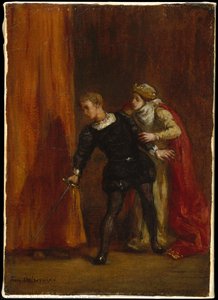
Eugène Delacroix's pencil drawing, “Illustration for Goethe’s Faust,” is more than just a depiction of a scene from the renowned German tragedy; it’s a potent distillation of Romantic ideals – a swirling vortex of movement, emotion, and dramatic intensity. Created in 1825 and currently residing within the hallowed halls of the Musée du Louvre in Paris, this work offers a glimpse into Delacroix's artistic soul and his profound engagement with the philosophical currents of his time. The image immediately commands attention: a powerfully mounted figure, draped in a turban and adorned with a flowing beard, dominates the composition, his hand firmly gripping a sword – a symbol of both power and potential conflict. He’s not merely riding; he's actively engaged, projecting an aura of command and restless energy.
The scene unfolds against a backdrop of implied action and subtle narrative. Two figures flank the central figure, their postures suggesting observation or perhaps even intervention in this unfolding drama. A soaring bird punctuates the upper portion of the image, adding a layer of dynamism and hinting at freedom – a concept frequently explored within the Romantic movement. Delacroix masterfully employs pencil to capture not just the likenesses of his subjects but also the very essence of their emotions; the tension in the horseman’s stance, the implied threat in his grip, all contribute to a palpable sense of unease and anticipation.
The Romantic Palette: Delacroix's Signature Style
Delacroix was a pivotal figure in the Romantic movement, rejecting the rigid formality of Neoclassicism in favor of expressive brushwork, vibrant color palettes, and emotionally charged subject matter. His “Illustration for Faust” exemplifies these characteristics perfectly. Unlike the smooth, polished surfaces favored by earlier artists, Delacroix’s pencil strokes are loose and visible, creating a sense of immediacy and movement. The drawing is rich with subtle tonal variations – from deep shadows that engulf portions of the scene to highlights that illuminate the figure's face and clothing – contributing to its dramatic effect. The use of light and shadow isn’t merely decorative; it serves to heighten the emotional impact, emphasizing the character’s intensity and vulnerability.
- Dynamic Composition: The diagonal thrust of the horseman’s posture creates a sense of forward momentum, pulling the viewer into the scene.
- Expressive Pencil Technique: Delacroix's loose, visible strokes convey energy and emotion, characteristic of Romanticism.
- Rich Tonal Range: The skillful use of light and shadow adds depth and drama to the composition.
A Window into Goethe’s World
Delacroix's drawing is a visual interpretation of Johann Wolfgang von Goethe’s epic tragedy, “Faust.” The story itself explores themes of ambition, desire, morality, and the consequences of unchecked pursuit of knowledge. Faust, a brilliant scholar consumed by dissatisfaction, makes a pact with Mephistopheles – the Devil – exchanging his soul for worldly pleasures and limitless power. The drawing captures this pivotal moment, hinting at the dangerous allure of forbidden knowledge and the potential for ruin that lies within such bargains. It’s important to note that Delacroix wasn't simply illustrating a scene from the play; he was conveying its underlying themes through visual language.
The connection between Delacroix and Goethe extends beyond this particular drawing. Both artists shared a fascination with the power of emotion, the complexities of human nature, and the exploration of the sublime – that feeling of awe and terror inspired by the vastness and indifference of the natural world. Delacroix’s travels to North Africa, documented in works like “View of Tangier,” undoubtedly informed his artistic vision, providing him with a wealth of exotic subjects and a deeper understanding of human experience.
A Legacy Preserved: The Musée du Louvre
The “Illustration for Goethe’s Faust” is but one example of the extraordinary collection housed within the Musée du Louvre in Paris. This iconic institution is renowned for its vast holdings of European art spanning centuries and encompassing a diverse range of styles and movements. Delacroix’s work stands alongside masterpieces by other Romantic giants like Géricault and Ingres, offering visitors a comprehensive overview of the era's artistic landscape. For those seeking to delve deeper into Delacroix’s oeuvre, reproductions and original works can be found at Eugène Delacroix: View of Tangier and other notable pieces on OriginalUniqueArt.
Soru ve Cevaplar
Eugène Delacroix imzalı "Illustration for Goethe's Faust" eserinin renkleri canlı mı yoksa mat mı?
Eugène Delacroix imzalı "Illustration for Goethe's Faust" eserinin renkleri Belirgin Renk Yoğunluğu doygunluğa sahiptir. Doygunluk, renklerin ne kadar canlı veya mat olduğunu ifade eder.
Eugène Delacroix imzalı "Illustration for Goethe's Faust" eserini hangi teknik ve üslup tanımlıyor?
"Illustration for Goethe's Faust", Tuval Üzerine Akrilik Boya tekniğiyle Romanticism üslubunda hazırlanmıştır.
Eugène Delacroix imzalı "Illustration for Goethe's Faust" eserinin boyutları ve oranları nasıldır?
Eugène Delacroix imzalı "Illustration for Goethe's Faust", 225 x 295 cm boyutlarında bir Yatay eser olarak tasarlanmıştır.
Sanatçı Özgeçmişi
Romantizmin Tutkulu Fırçası: Eugène Delacroix’nın Yaşamı ve Mirası
Ferdinand Victor Eugène Delacroix, 1798 yılında Paris yakınlarındaki Charenton-Saint-Maurice’de doğmuştu; o sadece bir ressamdan fazlasıydı, Romantizmin coşkulu ruhunun cisimleşmiş haliydi. Toplumsal çalkantılar ve değişen estetik ideallerin hüküm sürdüğü bir dönemde Fransız sanatında öne çıkan Delacroix, Neoklasisizmin katı biçimciliğini reddetmiş, bunun yerine dramayı, duyguyu ve resim akışını sonsuza dek değiştirecek canlı bir paleti benimsemiştir. Kişisel trajedilerle dolu hayatı, yüce olanı yakalama, egzotik diyarları keşfetme ve insan deneyiminin ham gücünü ifade etme arayışıyla ayrılmaz bir şekilde bağlantılıydı.
Delacroix’nın erken yılları karmaşık bir aile geçmişi ve biraz kırılgan bir sağlıkla şekillendi. On altı yaşında yetim kaldıktan sonra, birçoklarının gerçek babası olduğuna inandığı etkili Charles-Maurice de Talleyrand-Périgord’da rehberlik buldu. Bu bağlantı ona önemli himaye ve Paris sanat dünyasına erişim sağladı. Başlangıçta saygın bir akademik ressam olan Pierre-Narcisse Guérin’in öğrencisiydi, ancak Théodore Géricault’nun eseri—özellikle anıtsal *Medusa’nın Salı*—gerçekten Delacroix’nın sanatsal tutkusunu ateşledi. Hatta Géricault için poz verdi, yaşlı sanatçının gerçekçiliğe ve duygusal yoğunluğa olan bağlılığını özümsedi.
Tarihi Sahnelerden Egzotik Vizyonlara
Delacroix, 1822’de *Cehennemde Dante ve Virgil* ile Salon sahnesine çıktı; bu eser, yerleşik normlardan ayrılışını hemen gösterdi. Dante Alighieri’nin *Inferno*sundan ilham alan tablo, cesur renk kullanımı, dinamik kompozisyonu ve hissedilir psikolojik çalkantısıyla dikkat çekti. Bu, tutku, çatışma ve insan durumunu keşfetmeye adanmış bir kariyerin başlangıcını işaretledi. Başlangıçta karışık tepkilerle karşılandı—bazı eleştirmenler özgünlüğünü övdü, diğerleri eserini kaotik ve klasik incelikten yoksun olarak reddetti—Delacroix yılmadı, gevşek fırça darbeleri, zengin dokular ve harekete vurgu yapan kendine özgü bir stil geliştirdi.
Onun ilgisi tarihi ve edebi konuların ötesine uzandı. 1832’de Kuzey Afrika’ya yaptığı önemli bir yolculuk sanatsal yörüngesini derinden etkiledi. Fas’ın canlı kültürüne kendini kaptıran Delacroix, egzotik manzaralar, Arap kabilelerinin göçebe yaşam tarzı ve geleneklerinin yoğunluğuyla büyülenmişti. Bu deneyim, *Arab Atları Dövüşüyor* gibi eserlerde görüldüğü gibi resimlerine yeni bir renk, ışık ve enerji duygusu aşıladı ve Cezayir yaşamına dair sayısız çalışmada kendini gösterdi. Sadece bu sahneleri belgelemekle kalmadı; farklı bir kültürün altında yatan ruhu anlamaya çalıştı.
Renk Gücü ve Politik Katılım
Delacroix’nın renk ustalığı, belki de onun en kalıcı mirasıdır. Rubens’in Barok coşkunluğundan ve Venedik Rönesans ustalarından ilham aldı, kesin çizimden ziyade kromatik yoğunluğa öncelik verdi. Rengin duyguyu uyandırabileceğini, atmosfer yaratabileceğini ve çizgilerin tek başına yapamadığı şekillerde anlam ifade edebileceğini anladı. Bu yenilikçi yaklaşım, sonraki nesil sanatçıları derinden etkiledi, Empresyonizm’in ve Post-Empresyonizm’in yolunu açtı.
Estetik yeniliklerinin ötesinde Delacroix, politik açıdan da dahil olmuş bir sanatçıydı. Onun en ikonik eseri, *Halkı Önderlik Eden Özgürlük* (1830), sadece Temmuz Devrimi’nin bir tasviri değildir; özgürlük ve isyan için güçlü bir alegoridir. Tablonun dinamik kompozisyonu, alegorik figürleri ve ham duygusal gücü, onu Fransız ulusal kimliğinin ve devrimci ideallerin sembolü olarak sanat tarihine yerleştirdi. Sadece bir olayı belgelemekle kalmadı; bir milletin özgürlüğü için mücadele ruhunu yakaladı.
Kalıcı Bir Etki
Delacroix, hayatı boyunca üretken bir şekilde resim yapmaya devam etti, Shakespeare trajedilerinden İncil anlatılarına kadar çeşitli temaları keşfetti. Ayrıca William Scott ve Johann Wolfgang von Goethe gibi edebi devlerin eserlerini gösteren litografik çalışmalarda da önemli katkılarda bulundu. Stüdyosu, alışılmadık yaklaşımına çekilen gelecek vadeden ressamları cezbederek sanatsal değişimin merkezi haline geldi.
1863’teki ölümüne gelindiğinde Delacroix, Fransa’nın en büyük sanatçılarından biri olarak kendini sağlamlaştırmıştı. Etkisi Romantik hareketin ötesine uzandı, modern resmin gelişimini şekillendirdi ve cesur renk kullanımı, dinamik kompozisyonları ve duygusal ifadeye olan sarsılmaz bağlılığıyla sayısız sanatçıya ilham verdi. Bireysel vizyonun gücünün ve yüce olanın kalıcı çekiciliğinin bir kanıtı olarak sanat tarihinde önemli bir figür olmaya devam ediyor.

Eugène Delacroix
1798 - 1863 , Fransa
Kısa Bilgiler
- Bu Sanatçıdan Etkilenenler:
- Empresyonizm
- Post-empresyonizm
- Doğum Tarihi: 26 Nisan 1798
- Doğum Yeri: Chantonnay, Fransa
- Etkilendiği Sanatçılar:
- Rubens
- Venedik Rönesansı ressamları
- Sanatsal Akım: Romantizm
- Tam Adı: Eugène Delacroix
- Uyruğu: Fransız
- Ölüm Tarihi: 13 Ağustos 1863
- Önemli Eserleri:
- Liberty Leading the People
- The Death of Sardanapalus
Benzer Yazılar

Ferdinand Delacroix: Romanticism's Revolutionary Brush – A Study of Passion, Politics, and Painterly Innovation
Explore the revolutionary art of Eugène Delacroix, leader of French Romanticism. Discover his masterful use of color, political engagement, and lasting influence on modern painting. Learn about key works & history.
Kay Rasmus Nielsen: A Golden Age Illustrator's Enchanting Legacy of Symbolism & Narrative
Explore the captivating world of Kay Rasmus Nielsen, a celebrated Golden Age illustrator renowned for his Art Nouveau fairy tale art & Disney contributions. Discover his unique style, enduring legacy, and how to collect his enchanting works.
The Power of Graphite: Mastering Depth, Texture, and Detail in the Art of Pencil Drawing
Explore the profound artistry of graphite drawing. Discover professional techniques for mastering depth, texture, and detail through a lens of art history, from classical sketches to modern masterpieces. Elevate your understanding of the pencil medium with our expert guide.

Louvre'un En İkonik 25 Eseri: Sanat Tarihine Yolculuk ve Ev Dekorasyonu İlhamları
Louvre Müzesi'nin en ikonik 25 eserini keşfedin! Leonardo da Vinci’den antik heykellere, sanat tarihine yolculuk yapın. Ev dekorasyonunuz için ilham alın ve Louvre koleksiyonunun güzelliğini OriginalUniqueArt.com ile yaşayın.

The Nuances of Graphite: Exploring Emotional Depth & Technical Mastery in Pencil Drawing
Explore the captivating world of graphite drawing! Discover its rich history, master essential techniques like chiaroscuro, and learn how artists evoke emotion through this timeless medium. Expert insights for art enthusiasts.