- Ana Sayfa

- Kanvas baskı
- eugène simonis
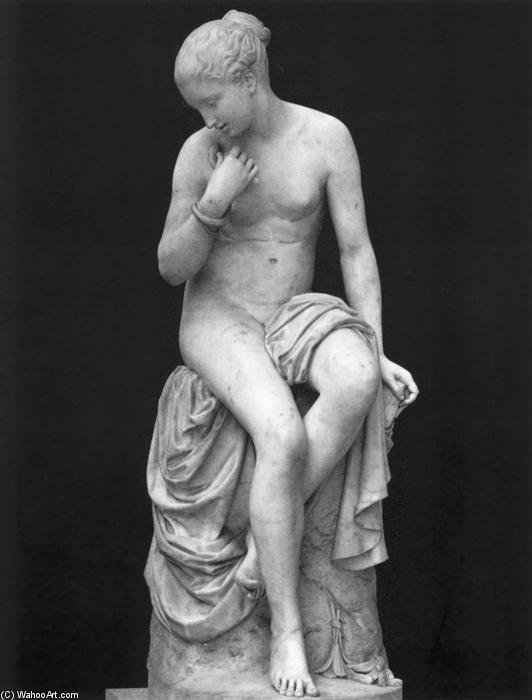
- Innocence
 Tabloyu Sipariş Et Görseli Satın Al
 Paylaş
 Paylaş
 Detayları Gör
 Favorilere ekle

 İndir
İndir
 Benzerlerini gör
 X-Işını
 Slayt Gösterisi
Innocence


 Tümünü Gör
Giclée / Sanat Baskısı
Hızlı üretim ve esnek bitiş seçenekleriyle müze kalitesinde giclée veya kanvas baskı.




































Eserin orijinal oranlarıyla uyumlu, önceden belirlenmiş boyutlarımız arasından seçim yapın.

Belirli bir çerçeveye veya alana uyması için kendi ölçülerinizi girebilirsiniz. Seçtiğiniz boyut orijinal görüntünün oranlarıyla eşleşmiyorsa, sanat eserini kırpacağız veya görüntüyü aynalanmış ya da düz dolgulu bir kenarlıkla genişleteceğiz. Üretim başlamadan önce onayınız için bir dijital taslak gönderilecektir.
Lütfen ekrandaki önizlemenin gerçek kırpma veya genişletmeyi yansıtmadığını unutmayın. Nihai kompozisyonu yalnızca taslak doğru bir şekilde gösterecektir.
Özel boyutlar mevcut olsa da, orijinal oranları korumak için önceden tanımlanmış listeden bir boyut seçmenizi öneririz.
Dünya Çapında Teslimat (); standart 4/5 hafta yerine 2 haftada. (17 Temmuz)

Dünya Çapında Ücretsiz Ekspres Kargo

Yüksek Kaliteli Keten Tuval

Tam Kapsamlı Nakliye Sigortası

Gümrük Vergisi İade Garantisi

Gerçek Renk Uyumu Garantisi

60 Günlük İade Politikası (Sadece Kusurlu Ürünler İçin)

%100 Para İade Garantisi

Toplu Alım İndirimi
 Cam seçeneği yalnızca 110 cm altındaki boyutlar için mevcuttur.

Innocence
Giclée / Sanat Baskısı
Reproduksiyon Boyutu
-


Toplam Tutar
-
Sanatçı Özgeçmişi
Life and Early Years
Louis-Eugène Simonis was born in Liège, Belgium, on July 11, 1810. His father, Jean-Baptiste Simonis, was a professor of mathematics at the Université catholique de Louvain, while his mother, Marie-Thérèse Dubois, descended from noble families. From an early age, Simonis demonstrated exceptional artistic talent and pursued formal training diligently. He began his studies at the Liège École de Dessin between 1825 and about 1826, where he was taught by François-Joseph Dewandre (1758–1835), a respected sculptor who instilled in him a foundational understanding of classical principles. This formative period established Simonis’s lifelong dedication to mastering sculptural technique and conveying profound emotion through form.Studies in Italy
Recognizing his burgeoning potential, Simonis received a generous grant to continue his artistic education abroad—specifically in Italy—in 1828. He traveled to Bologna and Rome, immersing himself in the vibrant artistic milieu of the era and studying under influential sculptors Mathieu Kessels and Carlo Finelli. These masters championed Neoclassical ideals, emphasizing rational beauty and harmonious proportions derived from ancient Greek and Roman art. Simonis’s exposure to these traditions profoundly shaped his aesthetic sensibilities and solidified his commitment to crafting monumental sculptures that embodied national pride and explored allegorical themes—particularly freedom and innocence.Return to Belgium and Academic Career
Upon returning to Liège in 1835, Simonis accepted a prestigious instructor position at the Liège École de Dessin, nurturing the talents of future Belgian sculptors like Thomas Vinçotte and Julien Dillens. He continued his artistic pursuits while simultaneously contributing to the intellectual landscape of his homeland. Later, he relocated to Brussels, where he assumed the directorial role of the Académie royale des beaux-arts—a position he held until his death in 1882. Under Simonis’s guidance, the academy flourished as a beacon of artistic excellence and fostered collaborations between artists and intellectuals alike. He mentored generations of sculptors, shaping the trajectory of Belgian art history.Notable Sculptures and Artistic Style
Simonis achieved renown for his monumental sculptures—most notably Godfrey of Bouillon and Harmony of Human Passions—which served as emblems of Belgian national identity during a period marked by fervent patriotism. These works exemplify Simonis’s masterful command of Neoclassical technique, characterized by meticulous attention to detail and an unwavering pursuit of idealized forms reflecting moral virtue and spiritual aspiration. His sculptures are imbued with solemn grandeur and convey powerful narratives rooted in Christian symbolism—a testament to his artistic convictions and the influence of Romanticism on his oeuvre. The Square Eugène Simonis in Brussels stands as a lasting tribute to his legacy, bearing his name and commemorating his contribution to Belgian culture.Legacy and Historical Significance
Eugène Simonis’s sculptures remain revered for their beauty and symbolic depth—inspiring admiration across generations of art historians and critics. He is considered one of the foremost sculptors of his time, representing a pivotal moment in Belgian artistic history. His influence extended beyond his immediate students, shaping the broader aesthetic discourse of the 19th century and establishing him as an enduring figure within the canon of European sculpture. Simonis’s commitment to Neoclassical ideals—combined with his profound empathy for human emotion—continues to resonate today, securing his place as a visionary artist who captured the spirit of his era and bequeathed to posterity masterpieces embodying timeless values.
eugène simonis
1810 - 1882 , Belgium
Kısa Bilgiler
- Artistic Movement Or Style: Neoclassical art
- Artists Or Movements Influenced By This Artist: ['Romanticism']
- Artists Who Influenced This Artist: ['François-Joseph Dewandre']
- Date Of Birth: July 1810
- Full Name: Louis-Eugène Simonis
- Nationality: Belgian
- Notable Artworks:
- Godfrey of Bouillon
- Harmony of Human Passions
- Place Of Birth: Liège, Belgium

