

 Önizleme yap
 Paylaş
 Paylaş
 Detayları Gör

 İndir
İndir
 Benzerlerini gör
 X-Işını
 Slayt Gösterisi
 İstatistikler
Morris Dancer (Bridegroom)


 Tümünü Gör
El Yapımı Yağlı Boya Reproduksiyon
Sanatçılarımız tarafından sipariş üzerine hazırlanan; istediğiniz boyut ve çerçevede, tuval üzerine el boyaması yağlı boya. ( Baskı Moduna Geç Dijital Görsele Geç)




































Eserin orijinal oranlarıyla uyumlu, önceden belirlenmiş boyutlarımız arasından seçim yapın.

Belirli bir çerçeveye veya alana uyması için kendi boyutlarınızı girebilirsiniz. Seçtiğiniz boyut orijinal görüntünün oranlarıyla eşleşmiyorsa, sanat eserini kırparak veya ek el boyaması öğelerle resmi uzatarak ayarlayacağız. Üretim başlamadan önce onayınız için dijital bir taslak gönderilecektir.
Lütfen ekrandaki önizlemenin gerçek kırpmayı veya uzatmayı yansıtmadığını unutmayın. Nihai kompozisyonu yalnızca hazırlanan taslak doğru şekilde gösterecektir.
Özel boyutlar mevcut olsa da, orijinal oranları korumak adına önceden tanımlanmış listeden bir boyut seçmenizi öneririz.
Siparişten sonra, OriginalUniqueArt.com ekibi talimatlar için müşteriye e-posta gönderecek ve bir taslak önizleme sunacaktır
Dünya Çapında Teslimat (); standart 5 hafta yerine 3/4 haftada. (11 Eylül). Kaliteden ödün verilmez.

Dünya Çapında Ücretsiz Ekspres Kargo

Yüksek Kaliteli Keten Tuval

Tam Kapsamlı Nakliye Sigortası

Gümrük Vergisi İade Garantisi

Gerçek Renk Uyumu Garantisi

100 Günlük İade Politikası (Sadece Kusurlu Ürünler İçin)

%100 Para İade Garantisi

Toplu Alım İndirimi
 Cam seçeneği yalnızca 110 cm altındaki boyutlar için mevcuttur.

Morris Dancer (Bridegroom)
Reproduksiyon Tekniği
Reproduksiyon Boyutu
-


Toplam Tutar
$ 300
Sanatçı Özgeçmişi
Erasmus Grasser (1450 – 1515): Sculptor of Munich’s Soul
Erasmus Grasser, born around 1450 in Schmiedenhofen, Bavaria, stands as a pivotal figure in the burgeoning artistic landscape of early Renaissance Germany. His legacy resides primarily within Munich, where he crafted monumental sculptures that continue to inspire awe and illuminate our understanding of humanist ideals and artistic innovation. While biographical details remain somewhat sparse – largely due to the limitations of archival records from his era – Grasser’s impact on Bavarian art history is undeniable. He emerged during a period marked by significant cultural exchange between Italy and Northern Europe, absorbing influences from masters like Nicolaus Gerhaert and skillfully blending them with indigenous traditions.- Early Life & Training: Precise information regarding Grasser's formative years is elusive. However, he was undoubtedly trained in the workshop of Nikolaus Gerhaert, a renowned sculptor who championed realism and expressive dynamism—characteristics that would profoundly shape Grasser’s artistic style. Gerhaert’s emphasis on capturing human emotion and anatomical accuracy served as an invaluable foundation for Grasser's subsequent endeavors.
- Munich & Patronage: Grasser established his studio in Munich, securing commissions from influential patrons – notably Duke Albrecht IV—who recognized the transformative potential of art to convey civic pride and reinforce dynastic authority. This patronage fostered a fertile environment for artistic experimentation and propelled Grasser’s career to considerable heights.
Monumental Sculpture: Defining Munich's Artistic Identity
Grasser’s most celebrated achievements lie in his monumental sculptures, particularly the “Morris Dancers” adorning the Great Hall of Munich’s Old Town Hall (completed circa 1480). These figures—sixteen intricately carved oak dancers—represent a daring departure from conventional sculptural conventions. They embody Gerhaert's influence and demonstrate Grasser’s mastery of anatomical detail and expressive movement. The sculptures are not merely decorative; they serve as potent symbols of Bavarian identity, reflecting the Duke’s ambition to elevate Munich’s prestige on the European stage. Their fate remains somewhat mysterious—only six figures survived WWII destruction—yet their enduring presence testifies to Grasser's artistic genius.- The Morris Dancers: The sculptures are remarkable for their dynamic poses and detailed musculature, capturing the energy of traditional Bavarian folk dances. They exemplify Gerhaert’s style and underscore Grasser’s commitment to portraying human form with unprecedented realism.
- Other Notable Works: Beyond the Morris Dancers, Grasser produced several other significant sculptures, including the High Altar for Reichersdorf Church (1502–1506) and the choir stalls at Munich Frauenkirche (completed 1502). These pieces showcase his versatility as a sculptor and solidify his reputation as one of Bavaria’s foremost artistic innovators.
Technique & Artistic Style
Grasser's sculptural technique was characterized by meticulous attention to detail and an unwavering dedication to anatomical accuracy—traits inherited from Gerhaert. He skillfully employed wood carving, utilizing tools honed over generations to achieve remarkable precision and expressive nuance. His sculptures are imbued with a palpable sense of vitality, reflecting Gerhaert’s stylistic vision. Grasser's approach distinguishes him from many of his contemporaries who favored stylized representations rather than striving for naturalistic depictions. The resulting artworks possess an emotional depth that resonates powerfully across time.Legacy & Historical Significance
Erasmus Grasser’s contribution to Munich’s artistic heritage transcends mere craftsmanship; he embodies the spirit of the Renaissance—a period defined by humanist ideals, intellectual curiosity, and a fervent desire to capture the beauty and complexity of human experience. His sculptures continue to captivate audiences today, serving as tangible reminders of Bavaria's cultural flourishing during Albrecht IV’s reign. Grasser’s influence extends beyond Munich, inspiring subsequent generations of sculptors and cementing his place among the giants of German Renaissance art. He remains a testament to the transformative power of artistic innovation and the enduring legacy of humanist patronage.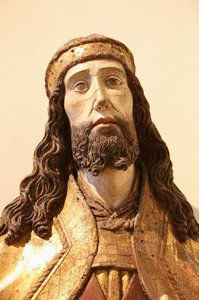
erasmus grasser
1450 - 1515 , Germany
Kısa Bilgiler
- Artistic Movement Or Style: Renaissance Sculptor
- Artists Or Movements Influenced By This Artist: ['Italian Renaissance']
- Artists Who Influenced This Artist: ['Nikolaus Gerhaert']
- Date Of Birth: c. 1450
- Date Of Death: c. 1515
- Full Name: Erasmus Grasser
- Nationality: German
- Notable Artworks:
- Morris Dancers
- Monument of Doctor Ulrich Aresinger
- Place Of Birth: Schmiedenhofen, Germany