

 Önizle
 Gönder
 Paylaş
 Detaylar
 Rehber

 Dosyayı İndir
 Benzerleri
 X-Işını
 Slayt Gösterisi
 İstatistikler
Dünya Çemberinde
 Tuval Üzerine Akrilik Boya
- Duvar Sanatı
- Catalan Modernism
 1890
1890 49.0 x 49.0 cm
 Cau Ferrat Müzesi
 Devamını Oku
Giclée / Sanat Baskısı
Hızlı üretim ve esnek bitiş seçenekleriyle müze kalitesinde giclée veya kanvas baskı. ( El Yapımı Tablo Satın Al Dijital Görsel Satışına Geç)




P118B ₺10

P118H ₺10

P118W ₺10

P438Z ₺10

P508JH ₺12

P508YH ₺12

P805H ₺10

P805Z ₺10

P919BZ ₺10

P919G ₺10

P919XJ ₺10

P959ZH ₺10

P968JZ ₺12

W106C ₺8

W218G ₺10

W218JH ₺8

W218Y ₺10

W307PJ ₺10

W316G ₺10

W316PJ ₺8

W316Y ₺10

W398PJ ₺8

W4111J ₺10

W500HY ₺15

W500JH ₺15

W692G ₺12

W849H ₺8

W940BG ₺15

W953PJ ₺8




Eserin orijinal oranlarıyla uyumlu, önceden belirlenmiş boyutlarımız arasından seçim yapın.

Çerçevenize veya duvarınıza uygun olması için ihtiyacınız olan genişlik ve yüksekliği yazın. Bir baskı yalnızca kesilebilir, görselden daha büyük hale getirilemez; bu nedenle farklı bir formdaki boyut seçimi, görselin bir kısmının kaybına neden olur. Herhangi bir baskı yapmadan önce onaylamanız için size bir dijital taslak gönderiyoruz. Bu sayfada gösterilen resim gerçek kesimi göstermez — bunu yalnızca taslak gösterir.
Dünya Çapında Teslimat (); standart 4/5 hafta yerine 2 haftada. (28 Ekim)

Dünya Çapında Ücretsiz Ekspres Kargo

Yüksek Kaliteli Keten Tuval

Tam Nakliye Sigortası

Gümrük Vergisi İadesi Garantisi

Gerçek Renk Uyumu Garantisi

100 Günlük İade Koşulları (Sadece Üretim Hatalı Ürünler İçin)

%100 Para İade Garantisi

Toplu Alım Avantajı
 Cam seçeneği yalnızca 110 cm altındaki boyutlar için mevcuttur.

Dünya Çemberinde
Giclée / Sanat Baskısı
Baskı Boyutu
-


Toplam Fiyat
₺ 3920
Enric Clarasó i Daudí’s “Going Around The World”: A Journey Through Catalan Modernism
Enric Clarasó i Daudí (1857-1941), a pivotal figure in Catalan Modernism, bequeathed to us not merely a sculpture but an embodiment of the era's spirit—a testament to intellectual curiosity and artistic ambition. Born in Sant Feliu del Racó, now a suburb of Barcelona, his formative years were marked by familial relocation, setting him on a path toward artistic excellence that would resonate throughout Catalonia’s cultural landscape. Early Influences and Artistic Training Clarasó's initial apprenticeship in a perfume store provided an unexpected springboard for his burgeoning talent, fostering an appreciation for meticulous craftsmanship alongside sensory experience. However, the profound impact of yellow fever in 1869 propelled him toward a more structured artistic education—a crucial step when he enrolled at Joan Roig i Solé’s workshop, where he honed his sculptural skills and absorbed the stylistic precepts of his mentor. Simultaneously, his studies at the Escola de la Llotja solidified his grounding in drawing and clay modeling, preparing him for the monumental achievements that would define his oeuvre.A Collaborative Spirit: Carbonell Selva and Rusiñol’s Studio
The artistic landscape of Barcelona during Clarasó's formative years was vibrant with innovation—a crucible where ideas collided and styles evolved. His partnership with Miquel Carbonell in 1880 fostered a dynamic exchange of perspectives, nurturing his creative sensibilities and propelling him toward stylistic experimentation. This collaboration extended to Santiago Rusiñol’s studio, where he spent considerable time refining his technique and absorbing the influence of another prominent Catalan artist—a relationship that would ultimately culminate in the establishment of the Cau Ferrat Museum, a cornerstone of Sitges’ artistic heritage.Early Exhibitions and Recognition
Clarasó's debut at Sala Parés in 1884 marked an important milestone in his career, showcasing his burgeoning talent to discerning critics and collectors alike. His participation in the 1888 Barcelona Exhibition further cemented his reputation as a rising star within the Catalan artistic community—a recognition that foreshadowed the enduring legacy of his sculptural works.The Style of “Going Around The World”: Symbolism and Costumisme
“Going Around The World,” completed in 1890, exemplifies Clarasó’s distinctive stylistic approach—a harmonious blend of Costumisme (pictorial interpretation mannerisms, and customs) and Symbolism. This technique seeks to capture not merely the visual appearance of a subject but also its underlying emotional essence and cultural significance. The sculpture portrays a man walking with his dog on a leash, carrying luggage as he traverses a street—a scene imbued with an atmosphere of adventure and exploration. The inclusion of two dogs adds layers of symbolism, representing companionship and loyalty alongside the broader theme of journeying toward discovery.A Monumental Legacy: Cau Ferrat Museum and Beyond
Clarasó’s artistic output extended far beyond individual sculptures; he undertook ambitious public commissions—including funerary monuments—that honored Catalonia's cultural heritage and commemorated notable figures. His enduring influence can be seen in institutions like the Museu d’Art Contemporani (MACBA) and the Cau Ferrat Museum, where his works continue to inspire admiration and provoke contemplation. Furthermore, Clarasó’s autobiography, “Notes Viscudes,” offers invaluable insight into the artist's intellectual life and artistic vision—a testament to his unwavering dedication to craft and his profound engagement with the complexities of human experience.Concluding Thoughts: An Artist Embodies Modernism
Enric Clarasó i Daudí’s “Going Around The World” stands as a powerful emblem of Catalan Modernism—a movement characterized by its rejection of academic conventions and embrace of expressive freedom. Through meticulous observation, skillful execution, and an unwavering commitment to conveying emotion, Clarasó achieved a remarkable feat: transforming stone into a conduit for philosophical contemplation and artistic inspiration. His enduring legacy resides not only in his sculptural masterpieces but also in the spirit of intellectual curiosity and creative daring that defined his era—a spirit that continues to resonate within the Catalan art world today.Soru ve Cevaplar
Enric Clarasó I Daudí imzalı "Dünya Çemberinde" eseri bugün nerede sergileniyor?
Orijinal Enric Clarasó I Daudí imzalı "Dünya Çemberinde", Cau Ferrat Müzesi, Sitges, İspanya bünyesinde bulunmaktadır. Bir reprodüksiyon, eserin evde sergilenmesine olanak tanır.
Enric Clarasó I Daudí imzalı "Dünya Çemberinde" eserinin genel havası nedir?
"Dünya Çemberinde" Huzurlu bir atmosfere sahip.
Enric Clarasó I Daudí imzalı "Dünya Çemberinde" kamu malı mı?
Enric Clarasó I Daudí imzalı "Dünya Çemberinde" için telif hakkı durumu: eser kamu malıdır - telif hakkı süresi dolmuştur kapsamındadır. Bu durum, görüntünün çoğaltmalarının serbestçe yapılıp yapılamayacağını belirler.
Sanatçı Biyografisi
a modernist catalan sculptor's journey
enric clarasó i daudí, a prominent figure in catalan modernism, left an indelible mark on the world of sculpture. born in 1857 in sant feliu del racó, now a suburb of barcelona, his family's relocation to barcelona at the age of two would set the stage for his future artistic endeavors.early beginnings and influences
after a brief apprenticeship in a perfume store, clarasó i daudí's bout with yellow fever in 1869 led him to seek a position in the workshop of joan roig i solé, a pivotal moment that would define his artistic path. concurrently, he studied drawing and clay modeling at the escola de la llotja, laying the groundwork for his future masterpieces.artistic evolution and collaborations
notable collaborations include sharing a studio with painter miquel carbonell in 1880, followed by a brief stint with santiago rusiñol, which would later become the cau ferrat museum. his first exhibit at the sala parés in 1884 and participation in the 1888 barcelona universal exposition solidified his presence in the art world.legacy and enduring impact
clarasó i daudí's passing in 1941 marked the end of an era, but his contributions to modernist catalan sculpture continue to inspire. for a deeper dive into his works and the broader context of catalan art, explore these resources:- enric clarasó i daudí's profile on OriginalUniqueArt, featuring a selection of his notable works.
- the museu d'art contemporani (macba), a hub for contemporary art in barcelona, offers insights into the city's thriving art scene. [https://OriginalUniqueArt.com/@@/a@d3artz](museu d'art contemporani (barcelona, spain) - a comprehensive guide)
- delve into the fundació joan miró, a museum dedicated to the renowned surrealist artist, for a glimpse into another facet of catalan modernism. [https://OriginalUniqueArt.com/@@/a@d3bm3t](the museum fundació joan miró (barcelona, spain))

Enric Clarasó I Daudí
1857 - 1941 , Spain
Kısa Bilgiler
- Full Name: Enric Clarasó i Daudí
- Nationality: Catalan
- Date Of Birth: 1857
- Date Of Death: 1941
- Place Of Birth: Sant Feliu de Raones, Spain
- Notable Artworks:
- Catalan Blacksmith
- La Torre de Sant Francesc
- Artistic Movement Or Style: Modernism
- Artists Who Influenced This Artist:
- Joan Roig i Solé
- Henri Chapu
- Artists Or Movements Influenced By This Artist: ['Santiago Rusiñol']
İlgili Yazılar

Bronze Age to Modern Masters: 10 Sculptures That Redefined Art | OriginalUniqueArt
Journey through art history with 10 legendary bronze sculptures – from Michelangelo's David to Rodin’s Thinker. Explore the stories, techniques & timeless beauty of these masterpieces. Find museum-quality reproductions & elevate your home decor on OriginalUniqueArt.com.

The Enduring Form: Exploring Themes & Techniques in Sculpture Across Historical Periods
Explore the rich history of sculpture from ancient masterpieces to contemporary innovations. Discover key techniques, influential artists & investment potential for discerning art collectors.

Bronze Sculptures That Defined Art History | OriginalUniqueArt
Journey through art history with our Top 10 bronze sculptures! Explore masterpieces by Rodin, Michelangelo & more. Discover stories behind iconic statues and find museum-quality reproductions for your home decor at OriginalUniqueArt.com.
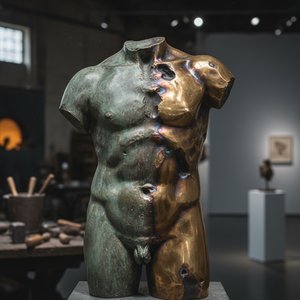
Bronz Heykelin Kalıcı Mirası: Tarih, Teknikler ve Çağdaş Yorumlar
Bronz heykelin tarihini, antik döküm tekniklerini ve çağdaş yorumlarını keşfedin. Uzman analizler, restorasyon bilgileri ve koleksiyon rehberleri ile sanat dünyasına adım atın. Sanat yatırımcıları için ideal kaynak!

The Enduring Form: Sculpture Across History, Technique & Emotional Resonance
Explore the rich history of sculpture with OriginalUniqueArt. Discover key techniques, influential artists & investment potential for discerning collectors. Expert insights into valuing and collecting timeless masterpieces.
