

 Önizleme yap
 Paylaş
 Paylaş
 Detayları Gör

 İndir
İndir
 Benzerlerini gör
 X-Işını
 Slayt Gösterisi
Mural

 Tümünü Gör
El Yapımı Yağlı Boya Reproduksiyon
Sanatçılarımız tarafından sipariş üzerine hazırlanan; istediğiniz boyut ve çerçevede, tuval üzerine el boyaması yağlı boya. ( Baskı satın al Görsel satın al)




































Eserin orijinal oranlarıyla uyumlu, önceden belirlenmiş boyutlarımız arasından seçim yapın.

Belirli bir çerçeveye veya alana uyması için kendi boyutlarınızı girebilirsiniz. Seçtiğiniz boyut orijinal görüntünün oranlarıyla eşleşmiyorsa, sanat eserini kırparak veya ek el boyaması öğelerle resmi uzatarak ayarlayacağız. Üretim başlamadan önce onayınız için dijital bir taslak gönderilecektir.
Lütfen ekrandaki önizlemenin gerçek kırpmayı veya uzatmayı yansıtmadığını unutmayın. Nihai kompozisyonu yalnızca hazırlanan taslak doğru şekilde gösterecektir.
Özel boyutlar mevcut olsa da, orijinal oranları korumak adına önceden tanımlanmış listeden bir boyut seçmenizi öneririz.
Siparişten sonra, OriginalUniqueArt.com ekibi talimatlar için müşteriye e-posta gönderecek ve bir taslak önizleme sunacaktır
Dünya Çapında Teslimat (); standart 5 hafta yerine 3/4 haftada. (20 Ağustos). Kaliteden ödün verilmez.

Dünya Çapında Ücretsiz Ekspres Kargo

Yüksek Kaliteli Keten Tuval

Tam Kapsamlı Nakliye Sigortası

Gümrük Vergisi İade Garantisi

Gerçek Renk Uyumu Garantisi

60 Günlük İade Politikası (Sadece Kusurlu Ürünler İçin)

%100 Para İade Garantisi

Toplu Alım İndirimi
 Cam seçeneği yalnızca 110 cm altındaki boyutlar için mevcuttur.

Mural
Reproduksiyon Tekniği
Reproduksiyon Boyutu
-


Toplam Tutar
$ 425
Sanatçı Özgeçmişi
Emilio Sala y Frances: A Master of Spanish Portraiture and Romantic Realism
Born in Alcoy, Spain, in 1850, Emilio Sala y Frances emerged as a significant figure in late 19th-century Spanish art. His life was inextricably linked to the vibrant artistic scene of Valencia and Madrid, where he honed his skills under the tutelage of his cousin, Plácido Francés y Pascual, and later benefited from studies at the prestigious Real Academia de Bellas Artes de San Carlos in Valencia. Sala’s career unfolded against a backdrop of evolving artistic styles – moving from academic realism to the burgeoning influences of Romanticism and Symbolism, culminating in a distinctive approach characterized by nuanced observation and a profound understanding of human emotion.
Early training with his cousin instilled in Sala a solid foundation in traditional techniques. However, it was his time in Madrid that truly shaped his artistic vision. The city’s bustling cultural landscape exposed him to diverse influences and provided opportunities for experimentation. He quickly established himself as a portraitist of considerable skill, capturing the elegance and social standing of his subjects with remarkable detail. His early works, showcased at the National Exhibition of Fine Arts in Valencia, demonstrated an aptitude for depicting formal portraits, showcasing a nascent talent for capturing likeness and conveying personality.
The Rise of a Master: Portraits and Genre Scenes
Sala’s artistic trajectory shifted dramatically following his experience at the Spanish Academy in Rome. Disappointed by the reception of his historical painting, “Expulsion of the Jews from Spain,” he abandoned that subject matter and turned towards more intimate and emotionally resonant themes – primarily genre scenes and portraits. This decision marked a pivotal moment in his career, allowing him to explore a wider range of subjects and develop a uniquely personal style. His portraits weren’t merely representations of physical appearance; they were carefully constructed narratives revealing the inner lives and social contexts of his sitters.
His work during this period is characterized by a masterful use of light and shadow, creating dramatic contrasts that heighten emotional impact. The painting “Muchacha” exemplifies this approach – a captivating study of a young woman rendered in muted tones with loose brushwork, conveying a sense of contemplative melancholy. Similarly, his portrait of a man, "Retrato de Hombre," showcases a dignified subject bathed in somber light, reflecting the weight of experience and wisdom. These works demonstrate Sala’s ability to infuse ordinary subjects with extraordinary depth and meaning.
Influences and Artistic Development
Sala's artistic development was undoubtedly influenced by several key figures and movements. The academic traditions instilled by his cousin provided a solid grounding in technique, while the vibrant art scene of Madrid exposed him to the innovations of Impressionism and Symbolism. However, Sala’s style remained firmly rooted in Spanish Realism, characterized by meticulous observation, detailed rendering, and a focus on capturing the nuances of human expression. He was particularly drawn to the works of Gustave Courbet and Jean-François Millet, whose emphasis on depicting everyday life and social realities resonated with his own artistic sensibilities.
Furthermore, Sala’s time in Paris proved transformative. He immersed himself in the city's thriving art world, encountering artists like Camille Pissarro and Edgar Degas, who influenced his approach to composition and color. The experience broadened his perspective and encouraged him to experiment with new techniques and subject matter. His later works reflect this newfound openness, incorporating elements of Impressionistic brushwork and a greater emphasis on capturing fleeting moments of beauty.
Legacy and Historical Significance
Emilio Sala y Frances died in Madrid in 1910, leaving behind a significant body of work that continues to be admired for its technical skill, emotional depth, and artistic originality. His portraits are particularly noteworthy for their ability to capture the essence of his subjects – revealing not only their physical appearance but also their inner lives and social contexts. He played a crucial role in shaping the development of Spanish portraiture during the late 19th century, establishing a new standard of excellence that influenced generations of artists.
Beyond his individual achievements, Sala’s career is intertwined with the broader cultural history of Spain. His work reflects the social and political changes taking place during a period of rapid modernization and industrialization. His depictions of everyday life offer valuable insights into the lives of ordinary people – providing a window into the past and reminding us of the enduring power of art to illuminate human experience. Today, his paintings are housed in prominent museums throughout Spain, ensuring that his legacy as one of the country’s most important portraitists will continue to endure.

emilio sala y frances
1850 - 1910 , Spain
Kısa Bilgiler
- Artistic Movement Or Style: Portraiture, Genre
- Artists Or Movements Influenced By This Artist: ['Realism']
- Artists Who Influenced This Artist: ['Plácido Francés']
- Date Of Birth: January 20, 1850
- Date Of Death: April 14, 1910
- Full Name: Emilio Sala y Frances
- Nationality: Spanish
- Notable Artworks:
- Los Reyes Catolicos
- Muchacha
- Retrato de Hombre
- Place Of Birth: Alcoy, Spain
İlgili Makaleler

Mekanlara Ruh Katmak: Mutfak ve Banyolarda Duvar Resimlerinin Yeniden Yükselişi ve İç Tasarımda Sanatsal Dönüşüm
Mutfak ve banyolara ruh katın! Uzman sanatçılarla hazırlanan özgün duvar resimleri, iç tasarımınıza değer katar. İlham alın, kişiselleştirin, mekanınızı dönüştürün.
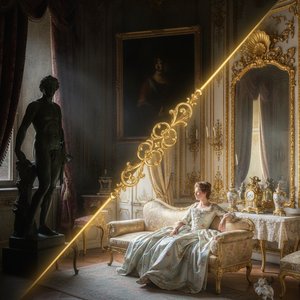
Baroque vs. Rococo: A Definitive Guide to High-Drama Shadows and Golden Elegance
Explore the dramatic evolution from Baroque's intense chiaroscuro to Rococo's golden elegance. Our expert guide decodes the shift from high-drama shadows to playful, ornate grace for art enthusiasts and collectors seeking deep historical insight.

Baroque Classicism: The Grandeur of Order and Drama in 17th-Century Art History
Explore the profound elegance of Baroque Classicism. Discover how 17th-century masters synthesized dramatic emotion with classical order through the lens of the Counter-Reformation and the works of legends like Carlo Maratta and Andrea Sacchi.
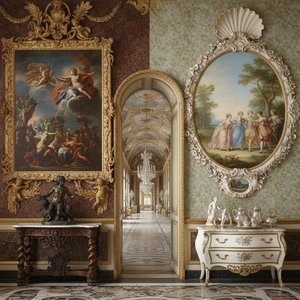
Drama & Delight: A Journey Through the Grandeur of Baroque and Rococo Art
Embark on a cultural journey through the dramatic grandeur of Baroque and the delicate grace of Rococo art. Discover the history, techniques, and timeless beauty of these magnificent eras with our expert-led exploration of European masterpieces.
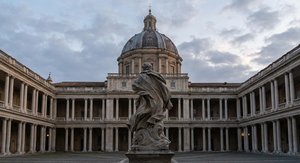
Baroque Classicism: Reconciling Drama & Order in 17th-Century Art
Explore the captivating world of Baroque Classicism! Discover its history, key artists like Caravaggio & Rubens, and defining characteristics. Expert insights & high-quality reproductions at OriginalUniqueArt.

