
 Gerçek Boyutta Önizle
 Paylaş
 Paylaş
 Detayları Gör
 Rehber

 İndir
İndir
 Benzer ürünler
 X-Işını
 Slayt Gösterisi
 Soru & Cevap
 İstatistikler
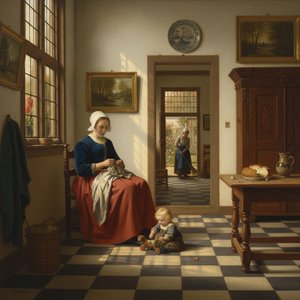
Interior with a Lady Playing the Virginal


 Tümünü Gör
Giclée / Sanat Baskısı
Hızlı üretim ve esnek bitiş seçenekleriyle müze kalitesinde giclée veya kanvas baskı. ( El Yapımı Tablo Satın Al Dijital Görsele Geç)




P118B ₺10

P118H ₺10

P118W ₺10

P438Z ₺10

P508JH ₺12

P508YH ₺12

P805H ₺10

P805Z ₺10

P919BZ ₺10

P919G ₺10

P919XJ ₺10

P959ZH ₺10

P968JZ ₺12

W106C ₺8

W218G ₺10

W218JH ₺8

W218Y ₺10

W307PJ ₺10

W316G ₺10

W316PJ ₺8

W316Y ₺10

W398PJ ₺8

W4111J ₺10

W500HY ₺15

W500JH ₺15

W692G ₺12

W849H ₺8

W940BG ₺15

W953PJ ₺8




Eserin orijinal oranlarıyla uyumlu, önceden belirlenmiş boyutlarımız arasından seçim yapın.

Çerçevenize veya duvarınıza uygun olması için ihtiyacınız olan genişlik ve yüksekliği yazın. Bir baskı yalnızca kesilebilir, görselden daha büyük hale getirilemez; bu nedenle farklı bir formdaki boyut seçimi, görselin bir kısmının kaybına neden olur. Herhangi bir baskı yapmadan önce onaylamanız için size bir dijital taslak gönderiyoruz. Bu sayfada gösterilen resim gerçek kesimi göstermez — bunu yalnızca taslak gösterir.
Dünya Çapında Teslimat (); standart 4/5 hafta yerine 2 haftada. (7 Kasım)

Dünya Çapında Ücretsiz Ekspres Kargo

Yüksek Kaliteli Keten Kanvas

Tam Nakliye Sigortası

Gümrük Vergisi İadesi Garantisi

Gerçek Renk Uyumu Garantisi

100 Günlük İade Politikası (Sadece Kusurlu Ürünler İçin)

%100 Para İade Garantisi

Toplu Alım İndirimi
 Cam seçeneği yalnızca 110 cm altındaki boyutlar için mevcuttur.

Interior with a Lady Playing the Virginal
Giclée / Sanat Baskısı
Reproduksiyon Boyutu
-


Toplam Tutar
₺ 3995
A Glimpse into Dutch Golden Age Intimacy
Emanuel de Witte’s “Interior with a Lady Playing the Virginal” isn't merely a painting; it’s a carefully constructed invitation. Completed around 1665, this oil on canvas transports us to a private chamber within a grand Dutch house, radiating an atmosphere of quiet contemplation and subtle drama. De Witte, a master of capturing the essence of space and light, eschews the meticulous architectural documentation favored by his contemporary, Pieter Saenredam, instead focusing on the *feeling* of being present within this intimate scene. The painting whispers stories of domestic life, musical performance, and perhaps even a touch of melancholy – all rendered with an exquisite sensitivity to color, texture, and the play of light.
The composition is immediately arresting. A woman, elegantly dressed and absorbed in her music, dominates the central space. She plays a virginal, a keyboard instrument popular during the period, its intricate workings hinted at by the surrounding instruments – a violin resting against a wall and a harpsichord subtly visible in the background. The room itself is richly detailed: a checkered floor suggesting a sense of order, a chandelier casting a warm glow, and two figures observing the performance from doorways—one standing, one seated. De Witte’s skill lies not just in depicting these objects but in creating an illusion of depth and perspective that draws us into the scene.
The Language of Light and Shadow
De Witte's mastery of chiaroscuro – the dramatic contrast between light and shadow – is central to the painting’s power. He doesn’t simply illuminate the room; he sculpts it with light, creating a sense of intimacy and drawing our attention to key elements. The light source, unseen but implied, casts long shadows that define the forms of the furniture and figures, adding a layer of mystery and sophistication. Notice how the light catches the woman's face, highlighting her expression of concentration, while leaving other areas in soft shadow. This technique isn’t just aesthetic; it contributes to the painting’s overall mood – a blend of serenity and quiet introspection.
The use of color is equally deliberate. De Witte employs a restrained palette of browns, golds, and reds, creating a harmonious and refined atmosphere. The rich hues of the fabrics and furniture are subtly contrasted with the cooler tones of the walls and floor, further enhancing the sense of depth and perspective. He avoids bright, flashy colors, opting instead for muted shades that evoke the warmth and comfort of a domestic setting.
Symbolism and Context
“Interior with a Lady Playing the Virginal” is more than just a snapshot of 17th-century life; it’s laden with symbolism. The virginal itself represents refinement, education, and musical skill – qualities highly valued in aristocratic society. The presence of multiple instruments suggests a gathering or performance, hinting at social interaction and cultural pursuits. Some art historians interpret the scene as a meditation on love and erotic melancholy, perhaps referencing the fleeting nature of beauty and pleasure. The figure observing from the doorway could represent an unspoken longing or a detached contemplation of domestic life.
Created during the Dutch Golden Age, a period of unprecedented prosperity and artistic flourishing, the painting reflects the values and sensibilities of the time. De Witte’s work aligns with the broader trends of the era – a fascination with interior spaces, an interest in capturing fleeting moments of everyday life, and a commitment to realism and naturalism. The painting is currently housed at the Museum Boijmans Van Beuningen in Rotterdam, offering visitors a chance to experience this remarkable masterpiece firsthand.
A Timeless Masterpiece
Emanuel de Witte’s “Interior with a Lady Playing the Virginal” remains a captivating work of art, demonstrating his exceptional skill and artistic vision. Its evocative atmosphere, masterful use of light and shadow, and subtle symbolism continue to resonate with viewers today. Whether you're an art enthusiast, a collector seeking a piece of Dutch history, or simply someone looking for a beautiful addition to your home, this painting offers a glimpse into a bygone era – a world of refined elegance, quiet contemplation, and enduring artistic beauty.
Soru ve Cevaplar
Emanuel De Witte imzalı "Interior with a Lady Playing the Virginal" ne düzeyde bir kontrast sunuyor?
Emanuel De Witte imzalı "Interior with a Lady Playing the Virginal" eserinin kontrast seviyesi Serene'dır.
Emanuel De Witte imzalı "Interior with a Lady Playing the Virginal" ev dekorasyonunda nasıl kullanılabilir?
"Interior with a Lady Playing the Virginal" eseri Statement için önerilmektedir; kullanım için en uygun alan ise bir Living Room'dur.
Emanuel De Witte imzalı "Interior with a Lady Playing the Virginal" eserinin bir baskısını nasıl temin edebilirim?
Emanuel De Witte imzalı "Interior with a Lady Playing the Virginal" eserinin bir baskısını edinmek için, sadece Sanat Baskısı sayfasından sipariş verebilirsiniz: pamuklu kanvas veya arşivlik kanvas kağıt üzerine yüksek kaliteli sanat baskısı.
Sanatçı Özgeçmişi
Bir Perspektifte Bir Yaşam: Emanuel de Witte'ın Dünyası
Emanuel de Witte, belki Hollanda Altın Çağı çağdaşları kadar anında tanınan bir isim olmasa da, 17. yüzyıl ustaları şövalyesinde önemli ve büyüleyici bir niş kaplar. 1617'de Alkmaar'da doğan De Witte'ın sanatsal yolculuğu, hem dikkat çekici bir yeteneğe hem de önemli kişisel çalkantılara sahne oldu; bu ikilik, sanki resimlerinin atmosferine usulca sinmiş gibi duruyor. O, Pieter Saenredam gibi titiz mimari dokümantasyonla hareket etmiyordu; bunun yerine, mekanın *hissini*, ışığın kalitesini ve kutsal iç mekanlarda gelişen ince dramayı yakalamayı amaçlıyordu. Kanvasları sadece kiliselerin tasvirleri değildir; onlar, izleyicileri sakin bir düşünceye ve ruhani bir yankıya davet eden sürükleyici deneyimlerdir.Delft Eğitimi'nden Amsterdam'ın Kucağına
De Witte'ın erken yaşamı, sanatsal uğraşları için sağlam bir temel oluşturdu. Babası, bir okul öğretmeniydi ve ona öğrenme ve entelektüel merak sevgisi aşıladı; bu nitelikler daha sonra perspektif ve ışığa gösterdiği dikkatli gözlemde kendini gösterecekti. Sanat dünyasına 1636'da Alkmaar'daki Aziz Luka Loncası'na katılarak resmen adım attı, ancak kariyeri için özellikle şekillendirici olan şey Delft'te Evert van Aelst yanında yaptığı staj oldu. Ünlü bir natürmort ressamı olan Van Aelst, De Witte'a ayrıntılara karşı keskin bir göz ve ışık ile gölge üzerinde ustaca bir hakimiyet kazandırdı; bu beceriler onun olgun tarzının alametifarikası haline gelecekti. Başlangıçta De Witte portreler, mitolojik sahneler, dini anlatılar gibi çeşitli türleri keşfetti, ancak asıl çağrısını 1651'de Amsterdam'a taşınmasıyla buldu. Şehrin muhteşem kiliselerle dolu zenginliği tükenmez bir ilham kaynağı sağladı ve o da bu hayranlık uyandıran iç mekanları tasvir etme konusunda uzmanlaşmaya başladı.Atmosfer ve Hayali Mekanların Ustası
Amsterdam, De Witte'ın sanatsal gelişimi için dönüm noktası oldu. O, var olan kilise mekanlarını sadece kopyalamadı; aksine, farklı binalardan unsurları ustaca sentezleyerek hem tanıdık hem de hafifçe başka bir dünyadan geliyormuş gibi hissettiren idealize edilmiş iç mekanlar yarattı. Amsterdam'daki Oude Kerk, çeşitli bakış açılarından defalarca belirerek sıkça rastlanan bir konu oldu. Ancak bunlar basit tasvirler değildi. De Witte perspektifi manipüle etti, ışık ve gölgeyle oynadı ve belirli bir ruh hali veya atmosfer uyandırmak için mekanları özenle yerleştirilmiş figürlerle doldurdu. Walter Liedtke'ın gözlemlediği gibi, onun temel ilgisi mimarinin kendisinde değil, "mekanın kendisindeydi – ışığında, renginde, genişliğinde ve ruh halinde." Bu atmosferik etkiye verilen önem onu dönemin daha katı coğrafi ressamlarından ayırır. O, kesin doğruluğu umursamıyordu; o, bir ihtişam, saygı ve ruhani derinlik *hissi* yaratmakla ilgileniyordu.Gölgelerle İşaretlenmiş Bir Yaşam
Sanatsal başarısına rağmen, De Witte'ın özel hayatı zorluklarla doluydu. İlk eşinin ölümü derin bir keder getirdi ve ardından gelen ikinci eşi ve kızıyla ilgili hukuki sorunlar, ilerleyen yıllarına uzun bir gölge düşürdü. Mali sıkıntılar onu, sanat tüccarı Joris de Wijs'e köle gibi hizmet etme utanç verici konumuna sürükledi; bu durumu sonunda ihlal etti ve daha fazla karmaşaya yol açtı. Çağdaş anlatılar değişken bir mizacı resmediyor – müşterilere bağırmaya ve anlaşmazlıklara girmeye meyilli bir adam. Bu içsel çalkantı belki de sonraki çalışmalarındaki düzensizliğe katkıda bulundu, ancak aynı zamanda sanatçıya ve yaratımlarına dair anlayışımıza başka bir karmaşıklık katmanı ekliyor. Trajik bir şekilde, De Witte'ın hayatı 1692'de yıkıcı bir sona ulaştığında, bir kanal köprüsünden kendini asmaya çalıştığı bildirildi; ip koptu ve boğuldu. Bu, yaşamını kutsal mekanların güzelliğini ve dinginliğini yakalamaya adamış bir adam için kasvetli bir finaldi.Miras ve Kalıcı Etki
Emanuel de Witte, Hollanda'daki mimari resmin son evresinde önemli bir figür olarak yer alır; titiz dokümantasyon ile atmosferik yorumlama arasındaki boşluğu doldurur. Işığın ve perspektifin yenilikçi kullanımı sonraki nesil sanatçıları etkiledi ve resimleri 17. yüzyıl Hollanda dini yaşamı ve sosyal gelenekleri hakkında değerli bilgiler sunmaya devam ediyor. Bugün, De Witte'ın eserleri dünya çapındaki prestijli koleksiyonlarda – Metropolitan Museum of Art'ta, National Gallery of Art'ta ve Rijksmuseum'da ve diğerlerinde – yer alarak perspektif, atmosfer ve duygusal yankı ustası olarak kalıcı mirasını kanıtlıyor. Bize sanatın sadece gördüğümüz şeyle ilgili olmadığını, bakarken *hissettiğimiz* şeyle ilgili olduğunu hatırlatıyor.
Emanuel De Witte
1617 - 1692 , Hollanda
Kısa Bilgiler
- Artistic Movement Or Style: Barok sanat
- Artists Or Movements Influenced By This Artist: ['Daha sonraki sanatçılar']
- Artists Who Influenced This Artist: ['Evert van Aelst']
- Date Of Birth: 1617
- Date Of Death: 1692
- Full Name: Emanuel de Witte
- Nationality: Hollandalı
- Notable Artworks:
- Amsterdam'daki Oude Kerk...
- Oude Kerk'nin İçi
- Protestan Gotik Kilisesi
- Place Of Birth: Alkmaar, Hollanda
Benzer Yazılar

Hollanda Altın Çağı'nın 10 Eseri: Sanat ve Ev Dekorasyonunda Usta Dokunuşlar
Hollanda Altın Çağı'nın en büyüleyici 10 eseriyle sanat tarihine yolculuk! Rembrandt, Vermeer ve daha fazlasının ustalıklarını keşfedin. Evinizi sanatla taçlandırın. OriginalUniqueArt.com’da tüm başyapıtları inceleyin.

Mastering Light & Shadow: A Journey Through the Dutch Golden Age's Luminous Legacy
Embark on a cultural journey through the Dutch Golden Age. Explore the masterful interplay of light and shadow in 17th-century masterpieces, from Rembrandt to Vermeer, and discover how this era of profound realism continues to inspire fine art collectors today.

Golden Light & Dutch Skies: The Timeless Magic of Dutch Golden Age Landscapes
Discover the breathtaking beauty of Dutch Golden Age landscapes. Explore the mastery of light, chiaroscuro, and 17th-century realism through an expert art history lens, celebrating the enduring legacy of the Dutch Masters for discerning collectors and art lovers.

Golden Age Reflections: Dutch Baroque Painting & Cultural Innovation
Explore the Dutch Golden Age of painting! Discover key artists like Vermeer & ter Borch, their innovative techniques, and the rich cultural context behind these Baroque masterpieces. Learn about collecting & appreciating this iconic art period.
Pieter de Hooch: Illuminating Dutch Domestic Life & Golden Age Charm
Explore the captivating world of Pieter de Hooch, a master of Dutch Golden Age painting. Discover his innovative use of light, intimate domestic scenes, and lasting influence on art history. Learn more at OriginalUniqueArt.