Pictorialism · 1920
Sunflower (Edward Steichen, 1920)
Sunflower, Edward Steichen (1900–1973) tarafından yapıldı. 1920 yılına aittir. Pictorialism akımına aittir. Acrylic On Canvas ile yapılmıştır. Rochester, Amerika Birleşik Devletleridaki George Eastman Müzesi bünyesinde korunmaktadır. Boyutları 19 × 24 cm'dir.
- 1920
- Acrylic On Canvas
- 19 × 24 cm
- George Eastman Müzesi, Rochester

 Gerçek Boyutta Önizle

 El Yapımı Yağlı Boya Tablo
 Paylaş
 Paylaş
 Bilgi formu


 İndir
 Benzer ürünler
 X-Işını
 Slayt Gösterisi
 Soru & Cevap

 İstatistikler
Sunflower hakkında kısa bilgi
- Başlık
- Sunflower
- Sanatçı
- Edward Steichen (1900–1973)
- Sanatçının doğum yeri
- Bivange, Lüksemburg
- Tarih
- 1920
- Teknik
- Acrylic On Canvas
- Boyutlar
- 19 × 24 cm
- Nerede görülebilir
- George Eastman Müzesi, Rochester, Amerika Birleşik Devletleri
- Akım
- Pictorialism
- Dönem
- 19th Century
- Konu
- sunflower, edward steichen, photography, art, landscape, composition
Sunflower neyi betimliyor?
A Luxembourgian Seed Takes Root: The Genesis of “Sunflower”
Edward Steichen’s 1920 painting, "Sunflower," isn’t merely a depiction of a flower; it's a poignant distillation of memory, displacement, and the enduring search for belonging. Born in the small, unassuming village of Bivange, Luxembourg, in 1879 – a region steeped in history and shadowed by the shifting borders of Europe – Steichen’s early life was marked by an emigration to America at just eighteen months old. This relocation, a common experience for Luxembourgers facing economic hardship, instilled within him a profound sense of rootlessness, a feeling that would subtly permeate his artistic vision throughout his career. The painting itself emerges from this context; it's not simply a botanical study but a visual echo of a past left behind, a yearning for stability amidst constant change.
Steichen’s journey to America was fueled by the hope of opportunity and a desire to escape the limitations imposed by his birthplace. He quickly immersed himself in the vibrant artistic scene of Milwaukee, Wisconsin, where he honed his skills as a lithographer and began experimenting with photography – a medium that would ultimately become his defining voice. This early exposure to both visual arts laid the groundwork for his later ability to capture light, texture, and emotion with remarkable precision.
The Pictorialist’s Palette: Technique and Style
“Sunflower” exemplifies Steichen's mastery of the pictorialist style – a movement that sought to elevate photography to the level of fine art. The painting is rendered in tempera and oil on canvas, utilizing a muted palette dominated by earthy browns, ochres, and subtle greens. These colors evoke the rich soil from which the sunflower springs, grounding the image in a sense of naturalism while simultaneously lending it an air of quiet contemplation. Steichen’s brushwork is deliberately soft and blended, creating a hazy, dreamlike quality that obscures sharp details and invites the viewer to lose themselves within the scene.
The composition itself is carefully constructed. The sunflower dominates the center of the frame, its broad petals radiating outwards in an explosion of color and form. Steichen employs a technique known as *sfumato*, borrowed from Renaissance painting, to soften edges and create a sense of atmospheric perspective. This blurring effect not only adds depth but also contributes to the painting’s overall mood of melancholy and nostalgia. The lighting is particularly noteworthy – a diffused, almost ethereal glow that seems to emanate from within the flower itself, suggesting an inner life and vitality.
Symbolism in Bloom: Memory, Displacement, and Resilience
The sunflower, as a symbol, carries layers of meaning. Historically, it has represented adoration, loyalty, and longevity – qualities that resonate deeply with Steichen’s own experiences. The flower's tendency to follow the sun is often interpreted as a metaphor for seeking guidance and direction in life, a theme particularly relevant to an artist grappling with displacement and uncertainty. The painting can be seen as a visual representation of Steichen’s own journey – his departure from Luxembourg, his struggles to find acceptance in America, and his ongoing quest for artistic fulfillment.
Furthermore, the sunflower's association with remembrance is significant. It’s often used as a symbol of mourning and remembrance, connecting to the broader context of Steichen’s life – marked by personal loss and the challenges of adapting to a new culture. Despite these hardships, however, “Sunflower” ultimately conveys a sense of resilience and hope. The flower's vibrant colors and upward-reaching form suggest an enduring spirit, a testament to the human capacity for growth and renewal.
A Legacy in Light: Steichen’s Enduring Influence
Edward Steichen’s “Sunflower” stands as a powerful example of his artistic vision – a synthesis of technique, symbolism, and personal experience. His pioneering work in photography and painting profoundly influenced generations of artists, shaping the course of modern visual culture. Today, reproductions of this evocative image continue to captivate viewers with their quiet beauty and poignant message. It serves as a reminder that even amidst displacement and hardship, there is always room for growth, remembrance, and the enduring pursuit of light.
Sunflower adlı eseri hangi müze bünyesinde barındırmaktadır?
George Eastman Müzesi
Rochester, Amerika Birleşik Devletleri
Işığa Kazınmış Bir Miras New York, Rochester'ın huzurlu ve yemyeşil manzarasına gizlenmiş olan bu anıt, yalnızca sanata değil, görsel hikaye anlatıcılığının bizzat icadına adanmıştır. George Eastman Müzesi , fotoğraf ve filmler için bir depo olmanın çok ötesindedir; uçup giden anları yakalama, geçici hatıraları koruma ve derin vizyonları paylaşmaya yönelik sınırsız insan arzusunun yaşayan bir kanıtıdır. Devrim niteliğindeki Kodak kameralarıyla fotoğrafçılığı demokratikleştiren vizyoner girişimci George Eastman tarafından kurulan bu kurum; teknolojik yenilik, sanatsal ifade ve mimari ihtişamın olağanüstü bir buluşmasını temsil eder.


Sunflower için yüksek çözünürlüklü görseller

Protected by copyright: these files are for personal reference, not a licence to republish.
Edward Steichen, Sunflower (1920), George Eastman Müzesi.
Sunflower hakkında sorular ve cevaplar
Edward Steichen imzalı "Sunflower" eseri bugün nerede sergileniyor?
"Sunflower" eserinin orijinalini George Eastman Müzesi, Rochester, Amerika Birleşik Devletleri bünyesinde görebilirsiniz.
Edward Steichen imzalı "Sunflower" hangi tarihte yapılmıştır?
Edward Steichen imzalı "Sunflower", 1920 yılında yaratılmıştır.
"Sunflower" hangi teknikle yapılmıştır?
"Sunflower", Acrylic On Canvas kullanılarak icra edilmiştir.
Edward Steichen imzalı "Sunflower" eserinin gerçek boyutları nedir?
Orijinal Edward Steichen imzalı "Sunflower" eseri 24 x 19 cm boyutlarındadır.
Edward Steichen imzalı "Sunflower" neyi betimliyor?
Edward Steichen imzalı "Sunflower" eserinde yer alan temalar sunflower, edward steichen, photography, art, landscape, composition, color, 1920 unsurlarını içermektedir. Bunlar birlikte, eserin konu içeriğini özetlemektedir.
Edward Steichen imzalı "Sunflower" eserinin görüntüsü serbestçe çoğaltılabilir mi?
Edward Steichen imzalı "Sunflower", telif hakları ile korunmaya devam etmektedir statüsündedir. Bu durum, eserin görüntüsünün nasıl çoğaltılabileceğini belirler.
"Sunflower" eserinin sanatçısı kim?
"Sunflower" eserinin sanatçısı Edward Steichen'tir. Eser, Edward Steichen adına kataloglanmıştır.
"Sunflower" hangi sanat akımına aittir?
"Sunflower", Pictorialism akımına ait bir eserdir. Bu akım, eserin dahil olduğu sanatsal geleneği ifade eder.
"Sunflower" adlı eser, Edward Steichen'in sanat kariyerinin hangi dönemini temsil ediyor?
Edward Steichen'in kariyerinde "Sunflower", Early Period dönemine denk gelmektedir. Bu evre, eserin sanatçının diğer çalışmalarıyla kıyaslanmasına olanak tanır.
Sanatçı hakkında, Edward Steichen

1900–1973, Lüksemburg
Edward Steichen
Dünyaları Birleştiren Bir Yaşam: Edward Steichen'ın Sanatsal Odisyesi Édouard Jean Steichen, daha sonra Edward Steichen olarak tanınan bir figürdü ve basit kategorilerin ötesine geçiyordu. 1879 yılında küçük Bivange köyünde, Lüksemburg'da doğmasıyla hayatı, Avrupa köklerinden Amerika'nın en etkili sanatçılarından biri olma yolculuğuna dönüştü; sadece bir fotoğrafçı olarak değil, aynı zamanda görsel kültürü algılama biçimimizi yeniden şekillendiren bir ressam, küratör ve vizyoner olarak. İlk yılları önemli bir yer değişikliğiyle geçti; 1881'de Steichen ailesi yeni fırsatlar arayarak Hancock, Michigan'a göç etti. Bu taşınma, genç Edward'da bir yerinden edilmişlik hissi ve belki de gözleme karşı artmış bir hassasiyet uyandırdı; bu nitelikler sanatsal vizyonunu derinden şekillendirecekti.
Edward Steichen Hakkında Edward Steichen tarafından yapılmış öne çıkan eserler
Edward Steichen tarafından yapılan diğer eserler
 Le Tournesol (The Sunflower)1920
 Behind-the-scenes photograph, Paying the Piper1921
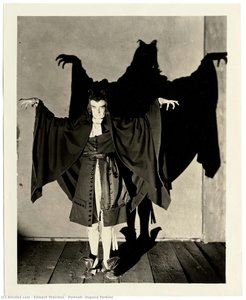 Portrait, Osgood Perkins1923
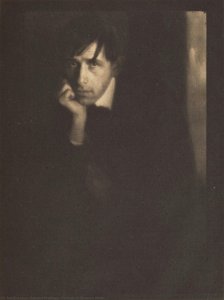 Portrait of Clarence White1905
Sunflower üzerine denemeler
 Pictorialism Unveiled: How the Aesthetic Revolution Transformed Photography into Fine ArtExplore the revolution of Pictorialism. Discover how visionary photographers moved beyond documentation to transform the lens into a fine a…
 19th Century Masterpieces: 10 Paintings That Defined an Era | OriginalUniqueArtJourney through 19th century art with OriginalUniqueArt! Explore 10 iconic paintings – from Monet & Renoir to Courbet – and discover the st…
 Sunlight on Canvas: The Radiant Symbolism of Yellow Flowers in Impressionist ArtExplore the profound symbolism of yellow flowers in Impressionist art through expert analysis. Discover the light of the masters today.