

 Önizleme yap
 Paylaş
 Paylaş
 Detayları Gör

 İndir
İndir
 Benzerlerini gör
 X-Işını
 Slayt Gösterisi
Les gitanos


 Tümünü Gör
El Yapımı Yağlı Boya Reproduksiyon
Sanatçılarımız tarafından sipariş üzerine hazırlanan; istediğiniz boyut ve çerçevede, tuval üzerine el boyaması yağlı boya. ( Baskı satın al Görsel satın al)




P118B $10

P118H $10

P118W $10

P438Z $10

P508JH $12

P508YH $12

P805H $10

P805Z $10

P919BZ $10

P919G $10

P919XJ $10

P959ZH $10

P968JZ $12

W106C $8

W218G $10

W218JH $8

W218Y $10

W307PJ $10

W316G $10

W316PJ $8

W316Y $10

W398PJ $8

W4111J $10

W500HY $15

W500JH $15

W692G $12

W849H $8

W940BG $15

W953PJ $8




Eserin orijinal oranlarıyla uyumlu, önceden belirlenmiş boyutlarımız arasından seçim yapın.

Belirli bir çerçeveye veya alana uyması için kendi boyutlarınızı girebilirsiniz. Seçtiğiniz boyut orijinal görüntünün oranlarıyla eşleşmiyorsa, sanat eserini kırparak veya ek el boyaması öğelerle resmi uzatarak ayarlayacağız. Üretim başlamadan önce onayınız için dijital bir taslak gönderilecektir.
Lütfen ekrandaki önizlemenin gerçek kırpmayı veya uzatmayı yansıtmadığını unutmayın. Nihai kompozisyonu yalnızca hazırlanan taslak doğru şekilde gösterecektir.
Özel boyutlar mevcut olsa da, orijinal oranları korumak adına önceden tanımlanmış listeden bir boyut seçmenizi öneririz.
Siparişten sonra, OriginalUniqueArt.com ekibi talimatlar için müşteriye e-posta gönderecek ve bir taslak önizleme sunacaktır
Dünya Çapında Teslimat (); standart 5 hafta yerine 3/4 haftada. (26 Ağustos). Kaliteden ödün verilmez.

Dünya Çapında Ücretsiz Ekspres Kargo

Yüksek Kaliteli Keten Tuval

Tam Kapsamlı Nakliye Sigortası

Gümrük Vergisi İade Garantisi

Gerçek Renk Uyumu Garantisi

60 Günlük İade Politikası (Sadece Kusurlu Ürünler İçin)

%100 Para İade Garantisi

Toplu Alım İndirimi
 Cam seçeneği yalnızca 110 cm altındaki boyutlar için mevcuttur.

Les gitanos
Reproduksiyon Tekniği
Reproduksiyon Boyutu
-


Toplam Tutar
$ 300
Eser Açıklaması
A Quiet Resonance in Monochrome: Manet’s Les Gitanos
In the vast, often turbulent history of 19th-century French art, there exist moments of profound stillness that capture the very essence of human connection. Édouard Manet’s Les Gitanos (The Gypsies) is one such masterpiece, offering a poignant and intimate glimpse into Romani life through the delicate medium of etching. Rather than presenting a grand, sweeping historical drama, Manet invites us into a private, domestic sphere—a quiet snapshot of a family caught in a moment of shared existence. The scene unfolds with a gentle rhythm: a man serenades his companions with the subtle notes of an instrument, perhaps a guitar, while a woman cradles a newborn, and a young child reaches upward, seeking connection or perhaps simply reacting to the music. It is a composition that breathes with the soft pulse of everyday life, finding beauty in the mundane and dignity in the humble.
The emotional weight of the piece lies in its ability to balance tenderness with an underlying sense of melancholy. There is a palpable atmosphere of hardship woven into the textures of the clothing and the weary yet resilient expressions of the figures. Manet, a painter often celebrated for his role in the birth of Impressionism, demonstrates here a masterful command of Realist principles. He avoids the temptation to romanticize or exoticize his subjects, choosing instead to depict them with an unflinching honesty. This approach allows the viewer to connect not with a stereotype of the "exotic wanderer," but with the universal truths of parenthood, family, and survival. For the collector or interior designer, this artwork offers a sophisticated emotional depth, providing a focal point that is both intellectually stimulating and deeply moving.
The Mastery of Line and Light
Technically, Les Gitanos is a triumph of printmaking, showcasing Manet’s extraordinary ability to manipulate the etching needle. Through the meticulous process of incising lines into a metal plate and allowing acid to bite into the surface, he achieves a breathtaking range of tonal variations. The artwork relies entirely on the density and weight of his linework; where the lines are sparse and delicate, light seems to dance across the skin of the figures; where they are layered in complex cross-hatching, deep, velvety shadows emerge to create form and volume. This monochromatic palette does not strip the scene of its vitality but rather concentrates it, forcing the eye to focus on the interplay of texture and the structural integrity of the composition.
The sense of depth within this small-scale work is remarkable. Manet utilizes a layered approach, placing the central family in the foreground while allowing other figures and elements of the landscape to recede into a soft, atmospheric background. This creates a subtle diagonal movement that guides the viewer’s gaze through the narrative arc of the piece. The diffused lighting, reminiscent of an overcast afternoon, softens the edges of the world, enveloping the subjects in a somber yet captivating glow. For those looking to adorn a space with art that possesses both structural strength and atmospheric grace, this etching serves as a perfect example of how technical precision can serve emotional storytelling.
A Legacy of Modernity and Truth
To understand Les Gitanos is to understand the rebellious spirit of Édouard Manet himself. As a pivotal figure who bridged the gap between the rigid traditions of the Academy and the radical energy of modernism, Manet spent his career challenging how we perceive reality. In this work, he rejects the polished perfection of his contemporaries in favor of a raw, unvarnished truth. He looks toward the marginalized members of French society—the Romani people who were often subject to prejudice—and grants them a sense of permanence and importance through his art. This historical context adds a layer of profound significance to the piece, transforming it from a mere depiction of a family into a social commentary on visibility and human dignity.
Integrating a high-quality reproduction of such a significant work into a curated collection or a modern interior can elevate the entire aesthetic of a room. The monochromatic nature of the etching allows it to harmonize with a wide variety of color palettes, from the muted tones of a minimalist sanctuary to the rich, dark woods of a classical study. It acts as a window into the 19th century, bringing with it a sense of history, a respect for craftsmanship, and an enduring appreciation for the quiet, beautiful moments that define our shared humanity.
Sanatçı Özgeçmişi
Paris'in Asi Ruhu: Édouard Manet’nin Hayatı ve Sanatı
Édouard Manet, 1832 yılında Paris’te, rahat bir burjuva aileye doğmuştu; kaderi, sanattaki devrimci bir figür olmaya pek de uygun görünmüyordu. Babası, saygın bir yargıç olarak oğlunun hukuk alanında veya belki deniz kuvvetlerinde güvenli bir gelecek kurmasını hayal ediyordu – toplumsal statülerini yansıtan saygın meslekler. Ancak, genç yaşlarından itibaren Manet’nin kalbi sanata aitti. On bir yaşında resim derslerine başladı ve kısa süre sonra akademik ressam Thomas Couture'un katı yöntemlerini boğucu buldu. Bu erken dönemdeki direniş, sanat normlarını sorgulamaya adadığı bir ömrün habercisiydi. Manet, geçmişi basitçe kopyalamakla ilgilenmiyordu; modern Paris yaşamının canlılığını – ve bazen de rahatsız edici gerçeklerini – yakalamayı amaçlıyordu. Louvre’u sık ziyaret ederdi, sadece eski ustaları taklit etmek için değil, aynı zamanda tekniklerini inceleyerek ışık ve gölgenin formu nasıl şekillendirdiğini ve duygu uyandırdığını Caravaggio ve Velázquez gibi sanatçılardan öğrenirdi. Ancak, Gustave Courbet tarafından savunulan Realizm akımının yükselişiyle birlikte sanatsal değişimler Manet’nin yaratıcı yolunu ateşledi. Courbet'nin idealizasyondan uzak, gündelik yaşamı tasvir etme konusundaki ısrarı, Manet üzerinde derin bir etki yarattı ve onu tarihi veya mitolojik konulardan kurtardı.Gelenekle Hesaplaşma: Skandal ve Yenilik
1860’lar, Paris'te yoğun bir sanatsal hareketliliğin yaşandığı bir dönemdi ve Manet kendini bu sürecin merkezinde buldu. Japon baskılarının – *ukiyo-e* – gelişi estetik anlayışını derinden etkiledi. Düzleştirilmiş perspektifleri, cesur kompozisyonları ve çarpıcı renk kullanımıyla büyülenmişti; bunlar da kendi tarzının alametifarikası haline gelecekti. Bu etkiyle birleşen akademik cilalanmaya yönelik artan reddi, Paris sanat dünyasını şok eden ve skandal yaratan eserlere yol açtı. 1863’te Salon des Refusés'de sergilenen Le Déjeuner sur l'herbe (Çimlerde Öğle Yemeği), bir tartışma yaratıcı oldu – resmi Salona reddedilen eserler için düzenlenen bir sergi. Çıplak bir kadının iki giyimli adamla birlikte piknik yaptığı bu tablo sadece çıplaklık hakkında değildi; o çıplaklığın *nasıl* sunulduğuyla ilgiliydi. Manet’nin figürleri, geleneksel nakitlerdeki idealize edilmiş formlardan ve mitolojik bağlamdan yoksundu. Kesinlikle modernlerdi ve izleyiciyi rahatsız edici bir doğrudanlıkla yüzleştiriyorlardı. Le Déjeuner etrafındaki skandal, 1865’teki başyapıtı Olympia ile daha da yoğunlaştı. Titian'ın *Urbino Venüsü*'nün bilinçli bir yeniden yorumlaması olan bu tablo, izleyiciye cesurca bakan çağdaş bir fahişe tasvir ediyordu. Acımasız gerçekçilik ve kışkırtıcı konu, geniş çapta hoşnutsuzluğa yol açtı. Eleştirmenler Manet'yi kabalıkla ve sanatsal yetersizlikle suçladı, ancak öfkenin altında, resim dilini temelden değiştirdiği gerçeği yatıyordu.İzlenimciliğe Bir Köprü: Işık, Fırça Dokusu ve Modern Yaşam
Manet tam olarak "İzlenimci" etiketini benimsemese de, hareket üzerindeki etkisi yadsınamazdı. Akademik normlara yönelik reddedilmelerini ve ışığın ve atmosferin geçici etkilerini yakalama konusundaki bağlılıklarını paylaştılar. Monet, Renoir, Degas ve diğerleriyle birlikte bağımsız İzlenimci sergilerde yer alarak öncüdeki konumunu pekiştirdi. Manet’nin tekniği, kesin ayrıntıdan ziyade formun izlenmesini önceliklendiren daha gevşek bir fırça dokusuna doğru gelişti. Çarpıcı etkiler yaratmak için genellikle canlı kontrastlar kullanarak renklerle denemeler yaptı. Skandal yaratan nakitlerin ötesinde, Manet geniş bir konu yelpazesini keşfetti: karısı Suzanne ve sanatçı arkadaşı Émile Zola'nın çarpıcı tasvirleri de dahil olmak üzere portreler; Folies-Bergère’deki gece hayatının sahneleri gibi – modern kentsel yaşamın yabancılaşmasını ve gösterişini ustaca yakalayan A Bar at the Folies-Bergère; ve özel ev içi sahneler. Bu konuları sadece belgelemekle kalmıyordu, aynı zamanda onları sorguluyor, toplumsal normlara meydan okuyordu ve güzellik konusundaki geleneksel fikirleri sorguluyordu.Mirası ve Kalıcı Etkisi
Édouard Manet’nin 1883'teki erken ölümü – verem hastalığından – sanat tarihinin seyrini zaten geri dönüşü olmayan bir şekilde değiştirmiş bir kariyeri kesintiye uğrattı. Ölümünden sonra itibarı önemli ölçüde arttı, ancak etkisi genç sanatçılar tarafından derhal hissedildi; onlar onu geleneksel konular, teknikler ve sanatsal amaçlarla ilgili engelleri yıkan bir kurtarıcı olarak gördüler. Sanatın geçişinde köklü bir figür olarak kabul edilirken, Manet’nin mirası bugün de devam ediyor. Eserleri sadece estetik güzellikleriyle değil, aynı zamanda zamanımızın karmaşıklıkları ve çelişkileriyle birlikte dünyayı gördüğü gibi resmetme konusundaki sarsılmaz bağlılığıyla da yankı uyandırıyor. Çalışmaları, sanatın gerçek yeniliği genellikle yerleşmiş normlara meydan okumak ve zamanımızın rahatsız edici gerçeklerini kucaklamak pahasına geldiğinin güçlü bir hatırlatıcısı olarak hizmet ediyor.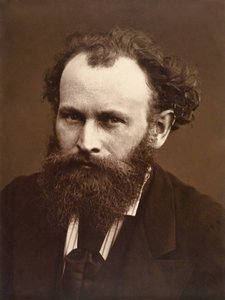
Edouard Manet
1832 - 1883 , Fransa
Kısa Bilgiler
- Artistic Movement Or Style: Gerçekçilik, İzlenimcilik
- Artists Or Movements Influenced By This Artist:
- Claude Monet
- Pierre-Auguste Renoir
- Edgar Degas
- İzlenimcilik
- Artists Who Influenced This Artist:
- Caravaggio
- Diego Velázquez
- Gustave Courbet
- Date Of Birth: 23 Ocak 1832
- Date Of Death: 1883
- Full Name: Édouard Manet
- Nationality: Fransız
- Notable Artworks:
- Le Déjeuner sur l'herbe
- Olympia
- A Bar at the Folies-Bergère
- Place Of Birth: Paris, Fransa
İlgili Makaleler
Édouard Manet'nin En İyi 25 Eseri: Sanat Tarihine Yolculuk | OriginalUniqueArt
Édouard Manet'nin en iyi 25 eserini keşfedin! Le Déjeuner sur l'herbe, Olympia ve daha fazlası... Sanat tarihi, teknikler ve ilham verici hikayeler OriginalUniqueArt'ta. Ev dekorasyonunuz için yüksek kaliteli sanat baskıları şimdi online!
Romantic Realism's Finest: 10 Masterpieces for Your Home | OriginalUniqueArt
Explore 10 defining masterpieces of Romantic Realism! Discover Courbet, Millet & Daumier's powerful paintings—capturing emotion and social realities. Find museum-quality reproductions for your home at OriginalUniqueArt.com.

Impressionistic Realism's Finest: 10 Masterpieces for Your Home | OriginalUniqueArt
Journey through Impressionistic Realism with 10 iconic masterpieces by Monet, Renoir & Van Gogh. Explore art history, techniques & find museum-quality reproductions for your home at OriginalUniqueArt.com. Discover all masterpieces online!

Romantic Realism: The Masterful Fusion of Raw Emotion and Hyper-Realistic Detail for the Modern Collector
Discover the captivating world of Romantic Realism. Explore how master artists blend raw emotion with hyper-realistic detail to create timeless, museum-quality oil paintings perfect for sophisticated modern collectors and luxury home interiors.

The Evocative Embrace of Reality: Exploring Romantic Realism in 19th-Century Painting
Explore the captivating world of Romantic Realism! Discover key artists like Courbet & Millet, masterpieces, and the social context behind this influential art movement. Expert insights for collectors at OriginalUniqueArt.



