Baskı Satışına Geç
 Devamını Oku







































 Herhangi bir kenarı 105 cm'den (yaklaşık 41 inç) büyük olan sanat eserleri veya reprodüksiyonlar için çerçeve, demonte edilmiş bir kit halinde gönderilecektir. Bu yöntem, güvenli teslimat sağlar ve taşıma sırasında oluşabilecek hasarları önler.


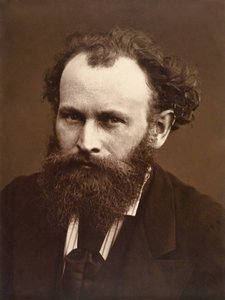
Self-Portrait with Skull-Cap: A Glimpse into Manet's World
Edouard Manet’s Self-Portrait with Skull-Cap, painted in 1878, is a captivating work that offers a rare and intimate look at the artist himself. More than just a likeness, it’s a statement about artistic identity, evolving styles, and the complexities of late 19th-century Parisian life. The painting resides within the Bridgestone Museum of Art in Japan.
Composition and Technique
The portrait depicts Manet standing against a stark black background. He is formally dressed in a dark suit and tie, his posture conveying both confidence and a subtle introspection. A distinctive brown skull-cap adorns his head, a deliberate nod to Renaissance masters like Titian and Filippino Lippi – artists he greatly admired. The composition is relatively simple, focusing attention squarely on the artist's face and upper body. Two other figures are faintly visible in the background, adding depth but remaining secondary to Manet’s presence. Manet employed oil paints on canvas, utilizing a technique that blends traditional portraiture with emerging Impressionistic sensibilities. His brushstrokes are visible yet controlled, creating textures and capturing light in a way that foreshadows later developments in art.
Historical Context: Bridging Realism and Impressionism
The late 1870s were a period of significant artistic transition. Manet stood at the crossroads of Realism and Impressionism, challenging academic conventions while forging his own path. His earlier works like Le Déjeuner sur l'herbe and Olympia had caused considerable scandal for their depictions of contemporary life and rejection of idealized forms. This self-portrait reflects Manet’s position as a leading figure in this artistic revolution, demonstrating his ability to synthesize traditional portraiture with the innovative spirit of Impressionism. The painting was created shortly before Manet's death, marking a poignant moment of reflection on his career and legacy.
Symbolism and Emotional Impact
The skull-cap is arguably the most striking symbolic element in the portrait. It’s not merely an article of clothing; it represents Manet’s connection to artistic history and his self-conscious positioning within that lineage. The dark background contributes to a sense of introspection, suggesting a contemplative mood. Manet's gaze, directed slightly off-camera, creates a feeling of engagement with the viewer while simultaneously maintaining a degree of reserve. The overall emotional impact is one of quiet dignity and artistic confidence – a portrait not just of an artist, but of a man grappling with his place in history.
A Timeless Masterpiece
Self-Portrait with Skull-Cap remains a powerful testament to Manet’s artistry and vision. It's a work that invites viewers to consider the complexities of artistic identity, the evolution of art styles, and the enduring power of self-representation. Its historical significance and aesthetic appeal make it a valuable addition to any collection or a source of inspiration for those seeking to understand the foundations of modern art.
Soru ve Cevaplar
Edouard Manet imzalı "Başörtülü Özportre" için hangi teknik kullanıldı?
Edouard Manet, "Başörtülü Özportre" adlı eseri için Tuval Üzerine Yağlı Boya tekniğini kullanmıştır. Bu teknik, orijinal eserin maddi doğasını tanımlar.
"Başörtülü Özportre" eserinde hangi ruh hali ve duygu bir araya geliyor?
Edouard Manet imzalı "Başörtülü Özportre", genel olarak Nostaljik bir ruh hali içinde Düşünsel ve Derin bir duygu aktarıyor.
Edouard Manet imzalı "Başörtülü Özportre" hangi akıma ve hangi döneme yerleştirilmektedir?
Edouard Manet imzalı "Başörtülü Özportre", yaratıcısının 19. Yüzyıl döneminde, İmpresyonizm akımı içerisinde yer almaktadır.
 Önizle
 Gönder
 Paylaş
 Detaylar
 Rehber

 Dosyayı İndir
 Benzerleri
 X-Işını
 Slayt Gösterisi
 Q&A
Q&A İstatistikler