

 Gönder
 Paylaş
 Detaylar
 Rehber

 Dosyayı İndir
 Benzerleri
 Slayt Gösterisi
 İstatistikler
South pulpit
 Bronze
- Sculpture
- Early Renaissance
 1460
1460- Renaissance
 123.0 x 292.0 cm
 San Lorenzo Bazilikası
 Devamını Oku
Giclée / Sanat Baskısı
Hızlı üretim ve esnek bitiş seçenekleriyle müze kalitesinde giclée veya kanvas baskı. ( El Yapımı Tablo Satın Al Dijital Görsel Satışına Geç)




































Eserin orijinal oranlarıyla uyumlu, önceden belirlenmiş boyutlarımız arasından seçim yapın.

Çerçevenize veya duvarınıza uygun olması için ihtiyacınız olan genişlik ve yüksekliği yazın. Bir baskı yalnızca kesilebilir, görselden daha büyük hale getirilemez; bu nedenle farklı bir formdaki boyut seçimi, görselin bir kısmının kaybına neden olur. Herhangi bir baskı yapmadan önce onaylamanız için size bir dijital taslak gönderiyoruz. Bu sayfada gösterilen resim gerçek kesimi göstermez — bunu yalnızca taslak gösterir.
Dünya Çapında Teslimat (); standart 4/5 hafta yerine 2 haftada. (21 Ekim)

Dünya Çapında Ücretsiz Ekspres Kargo

Yüksek Kaliteli Keten Tuval

Tam Nakliye Sigortası

Gümrük Vergisi İadesi Garantisi

Gerçek Renk Uyumu Garantisi

100 Günlük İade Koşulları (Sadece Üretim Hatalı Ürünler İçin)

%100 Para İade Garantisi

Toplu Alım Avantajı
 Cam seçeneği yalnızca 110 cm altındaki boyutlar için mevcuttur.

South pulpit
Giclée / Sanat Baskısı
Baskı Boyutu
-


Toplam Fiyat
₺ 3907
A Renaissance Vision of Faith: The Soul of Donatello’s South Pulpit
In the heart of Florence, where the echoes of the Renaissance still resonate through the marble corridors of the Basilica di Santa Maria del Fiore, stands a masterpiece that transcends the boundaries of mere sculpture. Donatello’s South pulpit, completed in 1460, is not simply a liturgical structure; it is a visceral, breathing embodiment of human suffering and divine grace. Commissioned by the illustrious Lorenzo Medici, this monumental work serves as a profound meditation on the Passion of Christ, capturing a pivotal moment in art history where the spiritual fervor of the era met the burgeoning humanist ideals of the Florentine Renaissance.
To stand before the pulpit is to witness a masterclass in narrative intensity. The bronze panels do not merely depict scenes; they invite the viewer into the very agony and ecstasy of the Christian narrative. From the brutal reality of the Flagellation to the solemnity of the Crucifixion, Donatello weaves a complex tapestry of movement and emotion. Each figure is imbued with a psychological depth that was revolutionary for its time, moving away from the static, stylized elegance of the Gothic tradition toward a raw, unflinching realism that captures the weight of human existence.
Mastery in Bronze: Technique and Classical Influence
The technical brilliance of the South pulpit lies in Donatello’s ability to manipulate bronze to achieve textures that feel almost organic. Utilizing the intricate lost-wax casting method, the sculptor achieved an exceptional level of precision, allowing for fine details—the tension in a muscle, the drape of a heavy cloth, or the subtle expression of grief—to emerge with startling clarity. The surface of the bronze, polished to a luminous sheen, catches the light in ways that enhance the three-dimensional dynamism of the figures.
Donatello’s stylistic evolution is on full display here, as he masterfully integrates classical principles with deep religious conviction. By employing techniques such as contrapposto—the subtle shift of weight that lends a lifelike quality to the human form—he breathes life into the metal. This engagement with antiquity, a hallmark of the Renaissance, allows the pulpit to serve as a bridge between the heroic ideals of the classical past and the profound spiritual explorations of the fifteenth century. For the discerning collector or designer, this piece represents the pinnacle of sculptural innovation, where material strength meets ethereal beauty.
An Emotional Legacy for the Modern Collector
Beyond its historical significance, the South pulpit possesses an enduring emotional resonance that continues to captivate the modern imagination. It is a work that speaks to the universal human experience: the struggle against injustice, the endurance of pain, and the search for redemption. The dramatic interplay of light and shadow across the sculpted reliefs creates a sense of movement that makes the artwork feel alive, much like a cinematic epic frozen in time.
For those seeking to bring a sense of profound history and intellectual depth into a curated space, a high-quality reproduction of this masterpiece offers more than just decoration. It provides a focal point for contemplation and a conversation piece that honors the legacy of one of history's greatest masters. Whether placed in a grand library, a sophisticated gallery, or a thoughtfully designed interior, the South pulpit serves as a timeless reminder of the power of art to capture the very essence of the human soul.
Soru ve Cevaplar
Donatello imzalı "South pulpit" eserinin renk kompozisyonu nasıl kurgulanmıştır?
Donatello imzalı "South pulpit" eserinin renk kompozisyonu, Bold bir kontrast ile Balanced Harmony bir uyumu bir araya getiriyor.
"South pulpit" adlı eser, Donatello tarafından genellikle üretilen işlerin tipik bir örneği mi?
Donatello'in yinelenen temaları classical ideals, religious symbolism, humanism, monumental sculpture, renaissance legacy içerir; "South pulpit" ise sculpture, religion, renaissance, michelangelo, donatello, italy, classicalart üzerine odaklanır.
"South pulpit" eserini tam ekran slayt gösterisi olarak izleyebilir miyim?
Bir slayt gösterüsü mevcuttur: Donatello imzalı "South pulpit" eserinin Slayt Gösterisi sayfası.
Sanatçı Biyografisi
erken yaşam ve kariyer
Donatello olarak tanınan Donato di Niccolò di Betto Bardi, 1386 yıllarında İtalya'nın Floransa şehrinde dünyaya geldi. Klasik heykel sanatına duyduğu derin ilgi, Erken Rönesans üslubunun gelişiminde belirleyici bir rol oynadı. Sanata ve kültüre getirdiği bu yenilikçi yaklaşım, zamanla Floransa Rönesansı'nın en temel simgesi haline gelecekti.başlıca eserler ve yenilikler
Donatello'nun en ünlü eseri olan David, antik çağdan bu yana yapılmış ilk bağımsız duran çıplak erkek heykelidir. Medici ailesinin siparişiyle hayat bulan bu şaheser, sanatçının yenilikçi tarzını ve teknik ustalığını tüm dünyaya sergilemiştir. Sanatçının diğer unutulmaz eserleri arasında şunlar yer almaktadır:- St. Louis of Toulouse (şu an Basilica di Santa Croce müzesinde bulunmaktadır), Donatello tarafından tasarlanan klasik bir çerçeveye sahiptir.
- İshak'ın Kurban Edilişi, Floransa'daki Santa Maria del Fiore kulesi için yaratılmış olup, güçlü portre detaylarıyla dikkat çeker.
- Santa Croce için yapılan ve İsa'yı büyük bir acı anında tasvir eden
Crucifix (1425).
sanatsal üslup ve miras
Donatello'nun sanatı, dışavurumculuğun gelişimi ve klasik anıtsallıkla başlayan geniş evreler halinde incelenebilir. Eserleri toplum tarafından başlangıçta hemen kabul görmese de, zamanla en popüler hale gelerek diğer İtalyan saraylarını ve Avrupalı sanatçıları derinden etkilemiştir. temel sanat akımları:kişisel yaşam ve çalışma tarzı
Donatello, cana yakın ve sevilen bir kişilik olarak bilinse de, kariyerinin iş yönetimi kısmında pek başarılı değildi. Genellikle kapasitesinden fazla sipariş kabul etme eğilimindeydi; bu durum, eserlerini sık sık geciktirmesine veya bazı çalışmalarını diğer heykeltıraşlara devretmesine neden oluyordu. dikkat çeken sanatçılar ve eserler:- Leonardo da Vinci: Müjde (detay)
- Amico Aspertini: Pan Heykeli / Atı Isıran Aslan
- Michelangelo Buonarroti: Tondo Pitt
müzeler ve sanat koleksiyonları:
- Museo della Collegiata (Empoli, İtalya): Francesco Botticini ve Raffaello Botticini'nin eserlerine ev sahipliği yapan Rönesans'ın gizli bir mücevheri.
- Erken İtalyan Rönesansı Sanat Akımı

Donatello
1386 - 1466 , İtalya
Kısa Bilgiler
- Artistic Movement Or Style: Erken Rönesans
- Artists Or Movements Influenced By This Artist:
- İtalyan Rönesansı
- Erken Rönesans
- Floransa Rönesansı
- Artists Who Influenced This Artist: ['Klasik heykel']
- Date Of Birth: m. 1386
- Date Of Death: 1466
- Full Name: Donatello di Niccolò
- Nationality: İtalyan
- Notable Artworks:
- Davut
- Toulouselu Aziz Louis
- İshak'ın Kurban Edilmesi
- Çarmıha Geriliş
- Place Of Birth: Floransa, İtalya
İlgili Yazılar
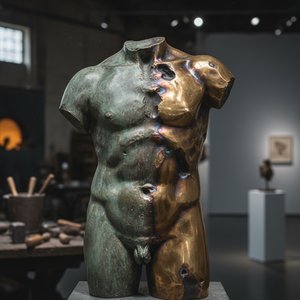
Bronz Heykelin Kalıcı Mirası: Tarih, Teknikler ve Çağdaş Yorumlar
Bronz heykelin tarihini, antik döküm tekniklerini ve çağdaş yorumlarını keşfedin. Uzman analizler, restorasyon bilgileri ve koleksiyon rehberleri ile sanat dünyasına adım atın. Sanat yatırımcıları için ideal kaynak!

The Enduring Form: Sculpture Across History, Technique & Emotional Resonance
Explore the rich history of sculpture with OriginalUniqueArt. Discover key techniques, influential artists & investment potential for discerning collectors. Expert insights into valuing and collecting timeless masterpieces.

Bronze Age to Modern Masters: 10 Sculptures That Redefined Art | OriginalUniqueArt
Journey through art history with 10 legendary bronze sculptures – from Michelangelo's David to Rodin’s Thinker. Explore the stories, techniques & timeless beauty of these masterpieces. Find museum-quality reproductions & elevate your home decor on OriginalUniqueArt.com.

The Enduring Form: Exploring Themes & Techniques in Sculpture Across Historical Periods
Explore the rich history of sculpture from ancient masterpieces to contemporary innovations. Discover key techniques, influential artists & investment potential for discerning art collectors.

Bronze Sculptures That Defined Art History | OriginalUniqueArt
Journey through art history with our Top 10 bronze sculptures! Explore masterpieces by Rodin, Michelangelo & more. Discover stories behind iconic statues and find museum-quality reproductions for your home decor at OriginalUniqueArt.com.