

 Önizle
 Gönder
 Paylaş
 Detaylar
 Rehber

 Dosyayı İndir
 Benzerleri
 X-Işını
 Slayt Gösterisi
 İstatistikler
Cantoria (9)
 Acrylic On Canvas
- WallArt
- Early Renaissance
 1439
1439 348.0 x 570.0 cm
 Museo dell'Opera del Duomo
 Devamını Oku
El Yapımı Yağlı Boya Reproduksiyon
Sanatçılarımız tarafından sipariş üzerine hazırlanan; istediğiniz boyut ve çerçevede, tuval üzerine el boyaması yağlı boya. ( Baskı Satışına Geç Dijital Görsel Satışına Geç)




P118B ₺10

P118H ₺10

P118W ₺10

P438Z ₺10

P508JH ₺12

P508YH ₺12

P805H ₺10

P805Z ₺10

P919BZ ₺10

P919G ₺10

P919XJ ₺10

P959ZH ₺10

P968JZ ₺12

W106C ₺8

W218G ₺10

W218JH ₺8

W218Y ₺10

W307PJ ₺10

W316G ₺10

W316PJ ₺8

W316Y ₺10

W398PJ ₺8

W4111J ₺10

W500HY ₺15

W500JH ₺15

W692G ₺12

W849H ₺8

W940BG ₺15

W953PJ ₺8




Eserin orijinal oranlarıyla uyumlu, önceden belirlenmiş boyutlarımız arasından seçim yapın.

Çerçevenize veya duvarınıza uygun olması için ihtiyacınız olan genişliği ve yüksekliği yazın. Bu eser el boyamasıdır; bu nedenle farklı bir formdaki boyutlar için sanatçı, resmin etrafına biraz daha fazla boya ekleyebilir veya biraz daha kırpabilir — seçim sizin. Boyama işlemi başlamadan önce onaylamanız için size bir dijital taslak gönderiyoruz. Bu sayfada gösterilen resim gerçek sonucu yansıtmamaktadır — gerçek sonucu yalnızca taslak göstermektedir.
Siparişten sonra, OriginalUniqueArt.com ekibi talimatlar için müşteriye e-posta gönderecek ve bir taslak önizleme sunacaktır
Dünya Çapında Teslimat (); standart 5 hafta yerine 3/4 haftada. (22 Ekim). Kaliteden ödün verilmez.

Dünya Çapında Ücretsiz Ekspres Kargo

Yüksek Kaliteli Keten Tuval

Tam Nakliye Sigortası

Gümrük Vergisi İadesi Garantisi

Gerçek Renk Uyumu Garantisi

100 Günlük İade Koşulları (Sadece Üretim Hatalı Ürünler İçin)

%100 Para İade Garantisi

Toplu Alım Avantajı
 Cam seçeneği yalnızca 110 cm altındaki boyutlar için mevcuttur.

Cantoria (9)
Baskı Tekniği
Baskı Boyutu
-


Toplam Fiyat
₺ 14659
The Echoes of Florence: Donatello’s Cantoria
Donatello's "Cantoria," completed in 1439 for the Duomo of Florence, isn’t merely a decorative element; it’s a vibrant embodiment of Renaissance ideals – a testament to human ingenuity, divine harmony, and the burgeoning spirit of artistic innovation. Originally intended as a housing for the cathedral’s organ, the Cantoria quickly transcended its functional purpose, becoming an iconic sculpture that captures the essence of Florentine life in the mid-15th century. The piece is a masterful display of relief carving, executed with astonishing detail and imbued with a palpable sense of movement and drama. It's a window into a world where music, faith, and human form converged in breathtaking splendor.
The sculpture depicts a throng of dancing angels, each rendered with exquisite individuality. They aren’t static figures; they are caught mid-gesture, their limbs flowing with an almost impossible grace. Donatello masterfully employed the technique of *schiacciato*, or “flattened relief,” pushing the sculpted forms slightly into the background, creating a remarkable illusion of depth and volume. This technique, pioneered by Donatello himself, allowed him to capture the dynamism of movement within a relatively shallow space – a revolutionary approach at the time. The figures are not idealized; they possess a tangible humanity, their faces expressing a range of emotions—joy, contemplation, and even a hint of mischievous delight. The sheer number of angels, numbering over 30, speaks to the ambition of the project and Donatello’s desire to celebrate the glory of God through artistic expression.
A Symphony of Materials and Technique
Donatello's choice of materials further elevates the Cantoria’s impact. The sculpture is carved from white marble, a material prized for its purity and luminosity. The intricate details are achieved through a combination of hand-tooling and precise chiseling, revealing the sculptor’s incredible skill and patience. However, Donatello didn't rely solely on stone; he incorporated gilded mosaics into the background, adding splashes of vibrant color that further enhance the sense of spectacle and divine splendor. The gold leaf reflects light beautifully, creating a shimmering effect that draws the eye and adds to the overall richness of the composition. The use of mosaic was particularly significant, reflecting the Florentine tradition of lavish decoration in religious spaces.
Beyond the technical mastery, "Cantoria" showcases Donatello’s innovative approach to depicting human movement. He studied classical sculpture extensively, but he wasn't simply replicating ancient forms; he was adapting them to his own artistic vision. The angels are not posed stiffly like their Greek counterparts; they are caught in moments of exuberant dance, conveying a sense of joyous energy and vitality. This departure from rigid formality reflects the Renaissance emphasis on humanism – a belief that humans were capable of achieving greatness and expressing themselves through art.
Symbolism and Context
The Cantoria is deeply rooted in Florentine religious and cultural context. The choice of angels as the subject matter underscores the importance of music and song in the celebration of God’s glory. In medieval times, choirs often sang hymns during Mass, and the Cantoria was intended to provide a visually stunning backdrop for this sacred activity. The sculpture also reflects the humanist ideals that were gaining prominence during the Renaissance – a renewed interest in classical art and philosophy. Donatello's depiction of the angels is informed by both classical mythology and Christian theology, creating a harmonious blend of ancient and modern influences.
Furthermore, the Cantoria’s placement within the Duomo—the largest cathedral in Florence—signified its importance. The sculpture served as a visual representation of the city's commitment to art and culture, demonstrating its wealth and influence. It was a bold statement that Florence was at the forefront of artistic innovation during the Renaissance.
A Legacy of Innovation
“Cantoria” remains one of Donatello’s most celebrated works, admired for its technical brilliance, expressive power, and profound symbolism. It represents a pivotal moment in the history of Western art – a transition from the Gothic style to the Early Renaissance, marked by a renewed interest in classical ideals and a celebration of human potential. The sculpture's influence can be seen in countless subsequent works of art, demonstrating Donatello’s enduring legacy as one of the greatest sculptors of all time. Reproductions of this magnificent piece offer a tangible connection to this extraordinary period of artistic achievement, allowing us to experience the beauty and power of Renaissance Florence.
Soru ve Cevaplar
Donatello imzalı "Cantoria (9)" eserinin görselini nasıl indirebilirim?
Donatello imzalı "Cantoria (9)" eserinin dijital kopyasını yüksek çözünürlüklü dijital görüntü indirme olarak eserin İndir sayfasından indirebilirsiniz.
"Cantoria (9)" eserini kim ve hangi yılda yarattı?
"Cantoria (9)", Donatello tarafından 1439 yılında yaratılmıştır."
Donatello imzalı "Cantoria (9)" için hangi alan öneriliyor?
Donatello imzalı "Cantoria (9)" için önerilen alan bir Living Room'dur. Bu öneri, elbette iç mekanınıza göre uyarlanabilir.
Sanatçı Biyografisi
erken yaşam ve kariyer
Donatello olarak tanınan Donato di Niccolò di Betto Bardi, 1386 yıllarında İtalya'nın Floransa şehrinde dünyaya geldi. Klasik heykel sanatına duyduğu derin ilgi, Erken Rönesans üslubunun gelişiminde belirleyici bir rol oynadı. Sanata ve kültüre getirdiği bu yenilikçi yaklaşım, zamanla Floransa Rönesansı'nın en temel simgesi haline gelecekti.başlıca eserler ve yenilikler
Donatello'nun en ünlü eseri olan David, antik çağdan bu yana yapılmış ilk bağımsız duran çıplak erkek heykelidir. Medici ailesinin siparişiyle hayat bulan bu şaheser, sanatçının yenilikçi tarzını ve teknik ustalığını tüm dünyaya sergilemiştir. Sanatçının diğer unutulmaz eserleri arasında şunlar yer almaktadır:- St. Louis of Toulouse (şu an Basilica di Santa Croce müzesinde bulunmaktadır), Donatello tarafından tasarlanan klasik bir çerçeveye sahiptir.
- İshak'ın Kurban Edilişi, Floransa'daki Santa Maria del Fiore kulesi için yaratılmış olup, güçlü portre detaylarıyla dikkat çeker.
- Santa Croce için yapılan ve İsa'yı büyük bir acı anında tasvir eden
Crucifix (1425).
sanatsal üslup ve miras
Donatello'nun sanatı, dışavurumculuğun gelişimi ve klasik anıtsallıkla başlayan geniş evreler halinde incelenebilir. Eserleri toplum tarafından başlangıçta hemen kabul görmese de, zamanla en popüler hale gelerek diğer İtalyan saraylarını ve Avrupalı sanatçıları derinden etkilemiştir. temel sanat akımları:kişisel yaşam ve çalışma tarzı
Donatello, cana yakın ve sevilen bir kişilik olarak bilinse de, kariyerinin iş yönetimi kısmında pek başarılı değildi. Genellikle kapasitesinden fazla sipariş kabul etme eğilimindeydi; bu durum, eserlerini sık sık geciktirmesine veya bazı çalışmalarını diğer heykeltıraşlara devretmesine neden oluyordu. dikkat çeken sanatçılar ve eserler:- Leonardo da Vinci: Müjde (detay)
- Amico Aspertini: Pan Heykeli / Atı Isıran Aslan
- Michelangelo Buonarroti: Tondo Pitt
müzeler ve sanat koleksiyonları:
- Museo della Collegiata (Empoli, İtalya): Francesco Botticini ve Raffaello Botticini'nin eserlerine ev sahipliği yapan Rönesans'ın gizli bir mücevheri.
- Erken İtalyan Rönesansı Sanat Akımı

Donatello
1386 - 1466 , İtalya
Kısa Bilgiler
- Artistic Movement Or Style: Erken Rönesans
- Artists Or Movements Influenced By This Artist:
- İtalyan Rönesansı
- Erken Rönesans
- Floransa Rönesansı
- Artists Who Influenced This Artist: ['Klasik heykel']
- Date Of Birth: m. 1386
- Date Of Death: 1466
- Full Name: Donatello di Niccolò
- Nationality: İtalyan
- Notable Artworks:
- Davut
- Toulouselu Aziz Louis
- İshak'ın Kurban Edilmesi
- Çarmıha Geriliş
- Place Of Birth: Floransa, İtalya
İlgili Yazılar

Bronze Age to Modern Masters: 10 Sculptures That Redefined Art | OriginalUniqueArt
Journey through art history with 10 legendary bronze sculptures – from Michelangelo's David to Rodin’s Thinker. Explore the stories, techniques & timeless beauty of these masterpieces. Find museum-quality reproductions & elevate your home decor on OriginalUniqueArt.com.

The Enduring Form: Exploring Themes & Techniques in Sculpture Across Historical Periods
Explore the rich history of sculpture from ancient masterpieces to contemporary innovations. Discover key techniques, influential artists & investment potential for discerning art collectors.
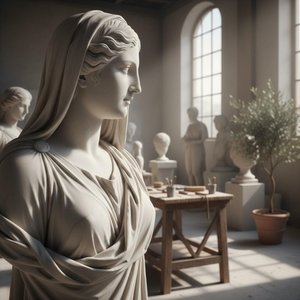
Timeless Elegance: A Complete Guide to the Sublime Beauty and Artistry of Marble Sculpture
Discover the sublime beauty of marble art through an expert exploration of Renaissance and Neoclassical masterpieces. From the delicate textures of Carpeaux to the grandeur of Sansovino, immerse yourself in a guide to timeless elegance and sculptural perfection.

The Enduring Allure of Marble in Art History: From Classical Sculpture to Modern Abstraction
Explore the captivating history of marble sculpture from ancient Greece to modern art. Discover renowned artists like Canova & Michelangelo, carving techniques, and investment insights at OriginalUniqueArt.

Bronze Sculptures That Defined Art History | OriginalUniqueArt
Journey through art history with our Top 10 bronze sculptures! Explore masterpieces by Rodin, Michelangelo & more. Discover stories behind iconic statues and find museum-quality reproductions for your home decor at OriginalUniqueArt.com.