
 Gerçek Boyutta Önizle
 Paylaş
 Paylaş
 Detayları Gör
 Rehber

 İndir
İndir
 Benzer ürünler
 X-Işını
 Slayt Gösterisi
 Soru & Cevap
 İstatistikler
Agony in the Garden


 Tümünü Gör
Giclée / Sanat Baskısı
Hızlı üretim ve esnek bitiş seçenekleriyle müze kalitesinde giclée veya kanvas baskı. ( El Yapımı Tablo Satın Al Dijital Görsele Geç)




P118B ₺10

P118H ₺10

P118W ₺10

P438Z ₺10

P508JH ₺12

P508YH ₺12

P805H ₺10

P805Z ₺10

P919BZ ₺10

P919G ₺10

P919XJ ₺10

P959ZH ₺10

P968JZ ₺12

W106C ₺8

W218G ₺10

W218JH ₺8

W218Y ₺10

W307PJ ₺10

W316G ₺10

W316PJ ₺8

W316Y ₺10

W398PJ ₺8

W4111J ₺10

W500HY ₺15

W500JH ₺15

W692G ₺12

W849H ₺8

W940BG ₺15

W953PJ ₺8




Eserin orijinal oranlarıyla uyumlu, önceden belirlenmiş boyutlarımız arasından seçim yapın.

Çerçevenize veya duvarınıza uygun olması için ihtiyacınız olan genişlik ve yüksekliği yazın. Bir baskı yalnızca kesilebilir, görselden daha büyük hale getirilemez; bu nedenle farklı bir formdaki boyut seçimi, görselin bir kısmının kaybına neden olur. Herhangi bir baskı yapmadan önce onaylamanız için size bir dijital taslak gönderiyoruz. Bu sayfada gösterilen resim gerçek kesimi göstermez — bunu yalnızca taslak gösterir.
Dünya Çapında Teslimat (); standart 4/5 hafta yerine 2 haftada. (7 Kasım)

Dünya Çapında Ücretsiz Ekspres Kargo

Yüksek Kaliteli Keten Kanvas

Tam Nakliye Sigortası

Gümrük Vergisi İadesi Garantisi

Gerçek Renk Uyumu Garantisi

100 Günlük İade Politikası (Sadece Kusurlu Ürünler İçin)

%100 Para İade Garantisi

Toplu Alım İndirimi
 Cam seçeneği yalnızca 110 cm altındaki boyutlar için mevcuttur.

Agony in the Garden
Giclée / Sanat Baskısı
Reproduksiyon Boyutu
-


Toplam Tutar
₺ 3992
Donatello’s Agony in the Garden: A Renaissance Echo of Sorrow
Giovanni Bellini's "Agony in the Garden," housed within the venerable halls of the National Gallery, London, isn’t merely a depiction of a biblical scene; it’s a profound meditation on faith, doubt, and the weight of human suffering. Painted around 1459-1465 during the High Renaissance, this tempera panel offers a remarkably intimate glimpse into Christ's final hours before his arrest – a moment steeped in both spiritual anguish and impending doom. Bellini masterfully captures the atmosphere of profound sorrow, utilizing a subtle interplay of light, shadow, and meticulously rendered figures to evoke an emotional resonance that continues to captivate viewers centuries later.
The scene unfolds with arresting clarity: Christ, kneeling upon a natural rock formation resembling an altar, is enveloped in prayer. His posture—head bowed, hands raised—conveys a palpable sense of desperation as he wrestles with the knowledge of his impending sacrifice. Around him, his disciples – Peter, James, and John – slumber peacefully, oblivious to the turmoil consuming their master. The backdrop, featuring three distant hill settlements characteristic of Venetian landscapes, grounds the narrative in a recognizable earthly reality while simultaneously elevating it to a realm of spiritual significance. Bellini’s deliberate choice of composition—a carefully orchestrated balance between the divine and the human—is central to the painting's enduring power.
A Masterclass in Renaissance Technique
Bellini’s approach to this challenging subject matter is characterized by a remarkable sensitivity to light and texture. Unlike the more stark, geometrically precise style prevalent at the time, Bellini employs a technique that imbues the scene with an ethereal quality. He utilizes *tempera*, a fast-drying paint mixed with egg yolk, allowing for incredibly fine detail and subtle gradations of color. The layering of thin glazes creates a luminous surface, capturing the play of light on Christ’s garments and the surrounding landscape with breathtaking realism. Notice particularly the meticulous rendering of the tunic—its folds and textures conveying both its weight and the vulnerability of the figure within.
The artist's use of *gesso*, a plaster-like ground applied to the wooden panel, is equally noteworthy. This technique creates a smooth, reflective surface that enhances the vibrancy of the colors and contributes to the painting’s overall sense of depth. Bellini’s skill in manipulating these materials—tempera, gesso, and pigment—demonstrates his mastery of Renaissance artistic techniques and his ability to translate complex emotions onto a two-dimensional surface.
Symbolism and Emotional Resonance
Beyond its technical brilliance, “Agony in the Garden” is rich in symbolic meaning. The rock formation upon which Christ kneels serves as a potent metaphor for both sacrifice and divine grounding. The sleeping disciples represent humanity’s inability to fully comprehend or share in Christ's suffering—a poignant reminder of the limitations of human perception. The dawn light, subtly filtering through the scene, suggests not only the impending arrival of a new day but also the promise of redemption offered through Christ’s sacrifice.
The painting’s emotional impact is profound and enduring. Bellini doesn't simply depict an event; he conveys the *feeling* of anguish—the weight of responsibility, the fear of betrayal, and the acceptance of a predetermined fate. It’s a scene that invites contemplation on themes of faith, mortality, and the human condition. The painting resonates with viewers not just as a historical record but as a timeless expression of universal sorrow and hope.
Historical Context and Legacy
“Agony in the Garden” stands as a pivotal work within Bellini’s oeuvre and a significant example of Renaissance art. It reflects the artistic trends of Venice during this period, characterized by a synthesis of classical influences with a deep appreciation for naturalism and emotional expression. The painting's close relationship to Andrea Mantegna’s version—a work also housed in the National Gallery—highlights the shared artistic lineage and intellectual currents that shaped Renaissance art.
Bellini’s masterful depiction of this pivotal biblical scene has cemented its place as a cornerstone of Western art history. It continues to inspire artists, scholars, and viewers alike, serving as a powerful reminder of the enduring relevance of faith, suffering, and the human spirit. The painting's evocative atmosphere and technical brilliance ensure that “Agony in the Garden” will remain a treasured masterpiece for generations to come.
Soru ve Cevaplar
Donatello imzalı "Agony in the Garden" için hangi reprodüksiyon boyutu öneriliyor?
Donatello imzalı "Agony in the Garden" için önerilen baskı boyutu Large'dır.
San Lorenzo Bazilikası bünyesindeki "Agony in the Garden" eserinin çoğaltma hakları nelerdir?
Donatello imzalı "Agony in the Garden" eserinin telif hakkı durumu nettir: eser kamu malıdır - telif hakkı süresi dolmuştur kapsamındadır. Eserin San Lorenzo Bazilikası bünyesinde bulunması bu durumu değiştirmez.
Donatello imzalı "Agony in the Garden" eserinin dijital görüntüsünü nereden satın alabilirim?
Donatello imzalı "Agony in the Garden" eserinin dijital görüntüsünü Yüksek Çözünürlüklü Dijital Görsel sayfasından satın alabilirsiniz: yüksek çözünürlüklü dijital görsel indirme.
Sanatçı Özgeçmişi
erken yaşam ve kariyer
Donatello olarak tanınan Donato di Niccolò di Betto Bardi, 1386 yıllarında İtalya'nın Floransa şehrinde dünyaya geldi. Klasik heykel sanatına duyduğu derin ilgi, Erken Rönesans üslubunun gelişiminde belirleyici bir rol oynadı. Sanata ve kültüre getirdiği bu yenilikçi yaklaşım, zamanla Floransa Rönesansı'nın en temel simgesi haline gelecekti.başlıca eserler ve yenilikler
Donatello'nun en ünlü eseri olan David, antik çağdan bu yana yapılmış ilk bağımsız duran çıplak erkek heykelidir. Medici ailesinin siparişiyle hayat bulan bu şaheser, sanatçının yenilikçi tarzını ve teknik ustalığını tüm dünyaya sergilemiştir. Sanatçının diğer unutulmaz eserleri arasında şunlar yer almaktadır:- St. Louis of Toulouse (şu an Basilica di Santa Croce müzesinde bulunmaktadır), Donatello tarafından tasarlanan klasik bir çerçeveye sahiptir.
- İshak'ın Kurban Edilişi, Floransa'daki Santa Maria del Fiore kulesi için yaratılmış olup, güçlü portre detaylarıyla dikkat çeker.
- Santa Croce için yapılan ve İsa'yı büyük bir acı anında tasvir eden
Crucifix (1425).
sanatsal üslup ve miras
Donatello'nun sanatı, dışavurumculuğun gelişimi ve klasik anıtsallıkla başlayan geniş evreler halinde incelenebilir. Eserleri toplum tarafından başlangıçta hemen kabul görmese de, zamanla en popüler hale gelerek diğer İtalyan saraylarını ve Avrupalı sanatçıları derinden etkilemiştir. temel sanat akımları:kişisel yaşam ve çalışma tarzı
Donatello, cana yakın ve sevilen bir kişilik olarak bilinse de, kariyerinin iş yönetimi kısmında pek başarılı değildi. Genellikle kapasitesinden fazla sipariş kabul etme eğilimindeydi; bu durum, eserlerini sık sık geciktirmesine veya bazı çalışmalarını diğer heykeltıraşlara devretmesine neden oluyordu. dikkat çeken sanatçılar ve eserler:- Leonardo da Vinci: Müjde (detay)
- Amico Aspertini: Pan Heykeli / Atı Isıran Aslan
- Michelangelo Buonarroti: Tondo Pitt
müzeler ve sanat koleksiyonları:
- Museo della Collegiata (Empoli, İtalya): Francesco Botticini ve Raffaello Botticini'nin eserlerine ev sahipliği yapan Rönesans'ın gizli bir mücevheri.
- Erken İtalyan Rönesansı Sanat Akımı

Donatello
1386 - 1466 , İtalya
Kısa Bilgiler
- Artistic Movement Or Style: Erken Rönesans
- Artists Or Movements Influenced By This Artist:
- İtalyan Rönesansı
- Erken Rönesans
- Floransa Rönesansı
- Artists Who Influenced This Artist: ['Klasik heykel']
- Date Of Birth: m. 1386
- Date Of Death: 1466
- Full Name: Donatello di Niccolò
- Nationality: İtalyan
- Notable Artworks:
- Davut
- Toulouselu Aziz Louis
- İshak'ın Kurban Edilmesi
- Çarmıha Geriliş
- Place Of Birth: Floransa, İtalya
Benzer Yazılar

Bronze Age to Modern Masters: 10 Sculptures That Redefined Art | OriginalUniqueArt
Journey through art history with 10 legendary bronze sculptures – from Michelangelo's David to Rodin’s Thinker. Explore the stories, techniques & timeless beauty of these masterpieces. Find museum-quality reproductions & elevate your home decor on OriginalUniqueArt.com.

The Enduring Legacy of Bronze: A Historical & Artistic Exploration for the Collector
Explore the rich history & enduring appeal of bronze sculpture with expert insights for collectors at OriginalUniqueArt. Learn about casting techniques, iconic artists, collecting tips & contemporary interpretations.
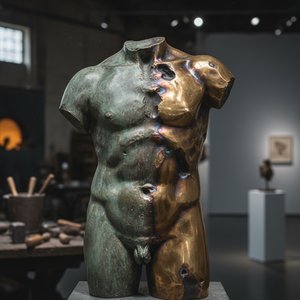
Bronz Heykelin Kalıcı Mirası: Tarih, Teknikler ve Çağdaş Yorumlar
Bronz heykelin tarihini, antik döküm tekniklerini ve çağdaş yorumlarını keşfedin. Uzman analizler, restorasyon bilgileri ve koleksiyon rehberleri ile sanat dünyasına adım atın. Sanat yatırımcıları için ideal kaynak!

Bronze Sculptures That Defined Art History | OriginalUniqueArt
Journey through art history with our Top 10 bronze sculptures! Explore masterpieces by Rodin, Michelangelo & more. Discover stories behind iconic statues and find museum-quality reproductions for your home decor at OriginalUniqueArt.com.

The Enduring Legacy of Bronze: History, Technique & Artistic Expression for the Collector
Explore the rich history & enduring appeal of bronze sculpture with expert insights for collectors at OriginalUniqueArt. Learn about casting techniques, iconic artists, and collecting tips.