
 Gerçek Boyutta Önizle
 Paylaş
 Paylaş
 Detayları Gör
 Rehber

 İndir
İndir
 Benzer ürünler
 X-Işını
 Slayt Gösterisi
 Soru & Cevap
 İstatistikler
Several figures drawing sketch

- 29.0 x 43.0 cm


 Tümünü Gör
Giclée / Sanat Baskısı
Hızlı üretim ve esnek bitiş seçenekleriyle müze kalitesinde giclée veya kanvas baskı. ( El Yapımı Tablo Satın Al Dijital Görsele Geç)




P118B ₺10

P118H ₺10

P118W ₺10

P438Z ₺10

P508JH ₺12

P508YH ₺12

P805H ₺10

P805Z ₺10

P919BZ ₺10

P919G ₺10

P919XJ ₺10

P959ZH ₺10

P968JZ ₺12

W106C ₺8

W218G ₺10

W218JH ₺8

W218Y ₺10

W307PJ ₺10

W316G ₺10

W316PJ ₺8

W316Y ₺10

W398PJ ₺8

W4111J ₺10

W500HY ₺15

W500JH ₺15

W692G ₺12

W849H ₺8

W940BG ₺15

W953PJ ₺8




Eserin orijinal oranlarıyla uyumlu, önceden belirlenmiş boyutlarımız arasından seçim yapın.

Çerçevenize veya duvarınıza uygun olması için ihtiyacınız olan genişlik ve yüksekliği yazın. Bir baskı yalnızca kesilebilir, görselden daha büyük hale getirilemez; bu nedenle farklı bir formdaki boyut seçimi, görselin bir kısmının kaybına neden olur. Herhangi bir baskı yapmadan önce onaylamanız için size bir dijital taslak gönderiyoruz. Bu sayfada gösterilen resim gerçek kesimi göstermez — bunu yalnızca taslak gösterir.
Dünya Çapında Teslimat (); standart 4/5 hafta yerine 2 haftada. (6 Kasım)

Dünya Çapında Ücretsiz Ekspres Kargo

Yüksek Kaliteli Keten Kanvas

Tam Nakliye Sigortası

Gümrük Vergisi İadesi Garantisi

Gerçek Renk Uyumu Garantisi

100 Günlük İade Politikası (Sadece Kusurlu Ürünler İçin)

%100 Para İade Garantisi

Toplu Alım İndirimi
 Cam seçeneği yalnızca 110 cm altındaki boyutlar için mevcuttur.

Several figures drawing sketch
Giclée / Sanat Baskısı
Reproduksiyon Boyutu
-


Toplam Tutar
₺ 3987
Soru ve Cevaplar
Domingos António De Sequeira imzalı "Several figures drawing sketch" hangi akıma ve hangi döneme aittir?
"Several figures drawing sketch", Neoclassicism akımına aittir ve yaratıcısı Early Modern döneminde eser vermiştir.
Neoclassicism akımına ait "Several figures drawing sketch" adlı eser hangi duyguyu yansıtıyor?
Neoclassicism akımı içerisinde, "Several figures drawing sketch" eseri Reflective bir tonla kaydedilmiştir.
Domingos António De Sequeira imzalı "Several figures drawing sketch" eserindeki renklerin yoğunluğu nedir?
"Several figures drawing sketch" eserinin renk yoğunluğu Vivid düzeyindedir. Yoğunluk, renklerin ne kadar güçlü göründüğünü ifade eder.
Sanatçı Özgeçmişi
Giovanni Antonio Canal, Known as Canaletto: A Venetian Master of Light and City
Giovanni Antonio Canal, universally known as Canaletto (1697-1768), stands as a pivotal figure in the history of Western art. Born into a family steeped in theatrical design – his father was a scene painter – Canaletto’s artistic journey began not with grand commissions but with humble beginnings assisting his father and brother, crafting backdrops for Venetian opera houses. This early exposure to visual storytelling, combined with an innate observational skill, laid the foundation for his extraordinary career as a *veduta* painter, specializing in meticulously rendered views of Venice and later, London. His legacy rests not just on technical mastery but also on capturing the very essence of urban life – the play of light, the bustle of commerce, and the quiet dignity of everyday existence.
Canaletto’s artistic development was profoundly shaped by his Venetian surroundings. The city itself—a labyrinth of canals, bridges, and palazzi bathed in the unique quality of northern Italian light—provided an inexhaustible source of inspiration. Initially, he produced small-scale paintings for private patrons, intimate studies of architectural details and local scenes – works like “The Stonemason’s Yard” (circa 1727) exemplify this early period. These pieces demonstrate a remarkable attention to detail, a keen understanding of perspective, and an ability to imbue even the most mundane subjects with a sense of atmosphere. However, recognizing the lucrative potential of catering to the burgeoning tourist trade, Canaletto shifted his focus towards larger-scale, more elaborate *vedute* designed for sale to visitors. This shift didn’t represent a decline in quality; rather, it showcased his ability to synthesize observation and artistic skill into commercially successful works.
The Rise of the Workshop and the ‘Formulaic’ Painting
As Canaletto's fame grew, he increasingly relied on a workshop system to meet the demands of a rapidly expanding market. While he remained the principal designer and oversaw the overall composition and color palette, his assistants – notably his nephew Bernardo Bellotto – executed much of the painting process. This collaborative approach allowed Canaletto to produce an astonishing volume of work, documenting Venice’s architectural evolution and capturing its vibrant social life. These later works, often depicting grand ceremonies or public events like “Regatta on the Grand Canal” (1730), are characterized by their polished surfaces, bright colors, and a certain degree of schematic precision. Critics initially questioned the authenticity of these paintings, suggesting that Canaletto was merely a facilitator, relying on his assistants to carry out the actual painting. However, careful examination reveals Canaletto’s meticulous control over the design, color scheme, and overall aesthetic – he wasn't simply delegating; he was orchestrating.
A Journey North: London and Beyond
In 1746, at the invitation of Joseph “Consul” Smith, a wealthy British merchant and art collector, Canaletto embarked on a significant chapter in his career – a decade spent painting in England. This period marked a crucial evolution in his style. He moved beyond purely topographical representations, incorporating elements of *capriccio*, imaginary landscapes that blended real and invented features. His London paintings—including “Eton College” (1746) and views of Warwick Castle and Alnwick Castle – demonstrate a heightened sense of drama and an exploration of compositional possibilities. The English market proved exceptionally receptive to Canaletto’s work, fueled by Smith's astute business acumen and the patronage of King George III. The success in England solidified his reputation as one of Europe’s leading landscape painters.
Legacy and Influence
Canaletto’s impact on art history is undeniable. He elevated *veduta* painting to a new level of sophistication, establishing a standard for accuracy, detail, and atmospheric rendering that influenced generations of artists. His meticulous observation, combined with his artistic sensibility, created images that are not merely representations of reality but evocative glimpses into the soul of cities. Beyond his technical achievements, Canaletto’s work offers a unique window into 18th-century Venice and London—a testament to the enduring appeal of urban landscapes and the power of art to capture the spirit of a place and its people. His legacy continues to inspire artists today, reminding us of the beauty and complexity that can be found in the everyday world.

Domingos António De Sequeira
1768 - 1837 , Portugal
Kısa Bilgiler
- Full Name: Giovanni Antonio Canal
- Nationality: Italian
- Date Of Birth: 1768
- Date Of Death: 1837
- Place Of Birth: Lisbon, Portugal
- Notable Artworks:
- The Stonemason's Yard
- Regatta on the Grand Canal
- Eton College
- A View of Venice
- Artistic Movement Or Style: Veduta painting
- Artists Who Influenced This Artist:
- Luca Carlevaris
- Bernardo Bellotto
- Artists Or Movements Influenced By This Artist:
- William Marlow
- Samuel Scott
Benzer Yazılar
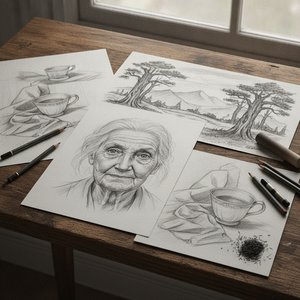
The Timeless Beauty of Pencil Sketches: Mastering the Art of Line, Shadow, and Tonal Depth
Explore the profound elegance of pencil and charcoal sketching. Discover how masters use line, shadow, and chiaroscuro to capture light and texture, bridging the gap between preparatory studies and timeless fine art masterpieces.

Mastering the Line: A Comprehensive Expert Guide to Technical Precision and Expressive Depth in Drawing
Elevate your artistic practice with this expert guide to mastering the line. Discover advanced techniques in graphite, charcoal, and contour drawing designed for art students seeking technical precision and expressive depth in their fine art studies.

Mastering Charcoal: The Definitive Expert Guide to Capturing Profound Depth, Texture, and Shadow
Elevate your artistry with this definitive expert guide to mastering charcoal. Designed for art students, learn professional techniques for capturing profound depth, intricate textures, and dramatic shadows through advanced blending and chiaroscuro methods.
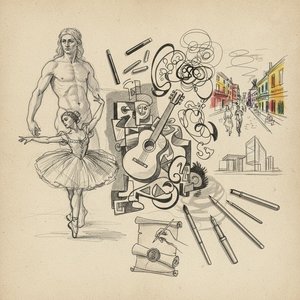
The Eloquent Line: Exploring the Artistic Significance of Sketches Across Movements and Media
Explore the profound artistic significance of sketches throughout history. From Renaissance masters to modern innovators like Van Gogh & Guston, discover how these foundational works reveal technique, emotion, and vision. Learn more at OriginalUniqueArt.
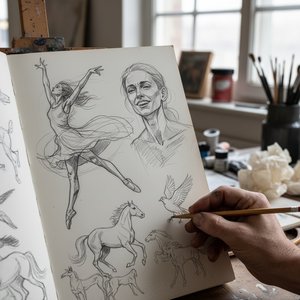
The Art of the Sketch: Capturing Raw Emotion and Movement through the Mastery of Line and Form
Explore the profound beauty of the sketch. Discover how masters use charcoal and graphite to capture raw emotion, anatomical precision, and fluid movement, bridging the gap between ephemeral marks and eternal oil masterpieces.