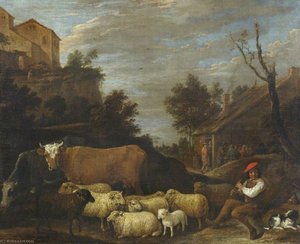
Önizle
 Gönder
 Paylaş
 Detaylar
 Rehber

 Dosyayı İndir
 Benzerleri
 X-Işını
 Slayt Gösterisi
 Q&A
Q&A İstatistikler
The Surgeon

- 57.0 x 73.0 cm


 Devamını Oku
Giclée / Sanat Baskısı
Hızlı üretim ve esnek bitiş seçenekleriyle müze kalitesinde giclée veya kanvas baskı. ( El Yapımı Tablo Satın Al Dijital Görsel Satışına Geç)




P118B ₺10

P118H ₺10

P118W ₺10

P438Z ₺10

P508JH ₺12

P508YH ₺12

P805H ₺10

P805Z ₺10

P919BZ ₺10

P919G ₺10

P919XJ ₺10

P959ZH ₺10

P968JZ ₺12

W106C ₺8

W218G ₺10

W218JH ₺8

W218Y ₺10

W307PJ ₺10

W316G ₺10

W316PJ ₺8

W316Y ₺10

W398PJ ₺8

W4111J ₺10

W500HY ₺15

W500JH ₺15

W692G ₺12

W849H ₺8

W940BG ₺15

W953PJ ₺8




Eserin orijinal oranlarıyla uyumlu, önceden belirlenmiş boyutlarımız arasından seçim yapın.

Çerçevenize veya duvarınıza uygun olması için ihtiyacınız olan genişlik ve yüksekliği yazın. Bir baskı yalnızca kesilebilir, görselden daha büyük hale getirilemez; bu nedenle farklı bir formdaki boyut seçimi, görselin bir kısmının kaybına neden olur. Herhangi bir baskı yapmadan önce onaylamanız için size bir dijital taslak gönderiyoruz. Bu sayfada gösterilen resim gerçek kesimi göstermez — bunu yalnızca taslak gösterir.
Dünya Çapında Teslimat (); standart 4/5 hafta yerine 2 haftada. (1 Kasım)

Dünya Çapında Ücretsiz Ekspres Kargo

Yüksek Kaliteli Keten Tuval

Tam Nakliye Sigortası

Gümrük Vergisi İadesi Garantisi

Gerçek Renk Uyumu Garantisi

100 Günlük İade Koşulları (Sadece Üretim Hatalı Ürünler İçin)

%100 Para İade Garantisi

Toplu Alım Avantajı
 Cam seçeneği yalnızca 110 cm altındaki boyutlar için mevcuttur.

The Surgeon
Giclée / Sanat Baskısı
Baskı Boyutu
-


Toplam Fiyat
₺ 3931
A Glimpse into a World of Healing and Observation
David Teniers the Younger’s “The Surgeon,” painted around 1670, isn't merely a depiction of a medical scene; it’s a meticulously rendered snapshot of daily life within a bustling apothecary and surgical workshop. The painting immediately draws the eye into a crowded room filled with figures engaged in various activities – a surgeon intently focused on his patient, assistants tending to instruments, and onlookers observing the procedure. This isn't a grand portrait of heroic medicine; instead, it offers an intimate, almost voyeuristic view of the practical realities of medical practice during the Dutch Golden Age. The composition is deliberately dense, reflecting the organized chaos inherent in a working environment where life and death were intimately intertwined.
The scene unfolds within a space defined by earthy tones – browns, ochres, and muted greens dominate the palette, lending an air of realism and groundedness to the portrayal. Subtle touches of red appear in clothing and bandages, providing visual contrast and drawing attention to the act of healing itself. Teniers’ masterful use of hatching and cross-hatching creates a remarkable sense of texture, from the rough wool of garments to the smooth surfaces of porcelain jars filled with medicinal ingredients. The artist skillfully employs light – primarily emanating from a window on the left – to sculpt forms and cast shadows, adding depth and drama to the composition. The limited perspective, while somewhat flattened, effectively guides the viewer’s eye through the crowded room, emphasizing key figures and details.
The Artist's Hand: Technique and Style
“The Surgeon” is a prime example of David Teniers the Younger’s signature style – a blend of meticulous observation and genre painting. He was renowned for his ability to capture the nuances of everyday life, imbuing even mundane scenes with a sense of vitality and interest. The brushwork is visible yet controlled, contributing to the overall realism of the piece. Notice how Teniers renders the folds in clothing, the textures of skin, and the details of surgical instruments – each element meticulously rendered with careful attention to detail. The painting’s foundation lies in oil paints applied to canvas, a technique that allowed for layering and blending, creating rich colors and subtle gradations of tone.
Furthermore, Teniers' work reflects the influence of his mentor, Peter Paul Rubens, particularly in his use of vibrant color and dynamic composition. However, unlike Rubens’ grand historical scenes, Teniers focused on capturing the immediacy of a domestic setting. The painting is not just a record of events; it’s an invitation to step into a world where medicine was practiced within the familiar confines of a workshop, alongside the rhythms of daily life.
Symbolism and Context: A Window into 17th-Century Medicine
Beyond its immediate visual appeal, “The Surgeon” offers a fascinating glimpse into the cultural attitudes surrounding medicine during the 17th century. The presence of anatomical tools, surgical instruments, and even a monkey – often associated with alchemy and medical knowledge – hints at the prevailing fascination with the human body and the pursuit of healing. Skulls are also present, serving as stark reminders of mortality and the fragility of life. These elements collectively evoke a sense of both wonder and apprehension regarding the practice of medicine.
The painting’s historical context is crucial to understanding its significance. During this period, medical knowledge was still evolving, often blending traditional remedies with emerging scientific discoveries. The scene depicted reflects the collaborative nature of medical care, where surgeons relied on assistants and apprentices to aid in their procedures. “The Surgeon” isn't a celebration of surgical prowess; it’s a testament to the shared experience of healing within a community.
A Timeless Masterpiece: Reproduction and Legacy
David Teniers the Younger’s “The Surgeon” remains a captivating work of art, offering a rare glimpse into the world of 17th-century medicine. Reproductions capture the painting's rich detail and evocative atmosphere, making it an ideal addition to any home or office. Its enduring appeal lies in its ability to transport viewers back in time, inviting them to contemplate the complexities of human health, knowledge, and the ever-present pursuit of healing.
Soru ve Cevaplar
David Teniers Genç imzalı "The Surgeon" eserini bir slayt gösterisi olarak nasıl izleyebilirim?
"The Surgeon" adlı eserin diaporama gösterisi, esere ait Slayt Gösterisi sayfasından izlenebilir.
David Teniers Genç imzalı "The Surgeon" hangi teknikle icra edilmiştir?
"The Surgeon", Oil On Canvas kullanılarak icra edilmiştir.
David Teniers Genç imzalı "The Surgeon" hakkındaki istatistikleri nerede bulabilirim?
David Teniers Genç imzalı "The Surgeon" hakkındaki istatistikler; eserin aylık ziyaret sayıları, sanatçının diğer eserlerinin ziyaret edilme oranları ile son dönem ziyaretçilerin ülke ve dil dağılımlarını içeren İstatistikler sayfasında yer almaktadır.
Sanatçı Biyografisi
Erken Yaşam ve Aile Kökenleri
- Doğum: O dönem İspanyol Netherlandları sınırları içinde yer alan Anvers'te, 15 Aralık 1610 tarihinde vaftiz edildi.
- David Teniers Genç, Flaman sanat geleneğine derinden kök salmış bir aileden geliyordu. Babası David Teniers the Elder da bir ressamdı; küçük kardeşleri Juliaan, Theodoor ve Abraham da tıpkı kendisi gibi ressamlık sanatına adım attılar.
- Eğitim: 1626 yılından itibaren babasının yanında eğitim görerek resim teknikleri ve üslupları konusunda temel yetkinliklerini kazandı.
- Babası sık sık borç batağına düşüyor, hatta zaman zaman bu sebeple hapse giriyordu; bu nedenle genç David, ailesine destek olabilmek adına eski usta tabloların kopyalarını üretmek zorunda kaldı.
- Anvers Loncası: 1632–1633 yıllarında Anvers Aziz Luka Loncası'nda ustalık unvanı aldı ve 1644–1645 yıllarında loncanın dekanı olarak görev yaptı.
Sanatsal Gelişim ve Etkiler
- İlk Etkiler: İlk çalışmaları, babasının küçük boyutlu kabinet resimlerinin izinden gidiyor ve bu sayede Adam Elsheimer'in örneklerini takip ediyordu. 1630'ların sonuna kadar eserleri; konu, teknik, renk ve kompozisyon açısından Adriaen Brouwer'ın çalışmalarıyla büyük bir benzerlik taşıyordu.
- Rubens Çevresi: 1637 yılında Jan Brueghel the Elder'ın kızı Anna Brueghel ile evlendi. Anna'nın babasının ölümünden sonra vasisi olan Peter Paul Rubens, bu düğünde tanık olarak yer alarak Teniers'i Anvers'in önde gelen ressamlarının bulunduğu seçkin çevreye dahil etti.
- Tür Resminde Uzmanlaşma: Teniers zamanla tür resmine —yani günlük yaşamın tasvirlerine— odaklanarak; canlı köylü festivalleri (kermess), meyhane iç mekanları ve köy manzaralarıyla dünya çapında ün kazandı.
Başlıca Eserler ve Sanat Üslubu
- Tür Sahneleri: En çok takdir edilen eserleri tür resimleridir. Bu tablolar genellikle neşe, dans, içki ve oyunlarla dolu, hareketli köylü yaşamı sahnelerini betimler.
- Kermess Resimleri: Flemish Kermess gibi köy şenlikleri, onun üslubunun en güzel örnekleridir; canlı renkler, detaylı kompozisyonlar ve insan davranışlarına yönelik keskin bir gözlem bu eserlerde hayat bulur.
- Meyhane İç Mekanları: Meyhane sahneleri, günlük yaşamın gerçekçi tasviri ve bu mekanlardaki canlı atmosfer açısından özellikle dikkat çekicidir.
- Köyün Ötesinde: Sadece köylü hayatıyla sınırlı kalmadı; manzaralar, nöbet odası sahneleri, çalışan simyacılar ve hekimler ile maymunların insanlık hallerini canlandırdığı mizahi singerie sahnelerini de resmetti.
- Galeri Resimleri: Arşidük'ün resim galerisine dair, duvarları tanınmış şaheserlerle dolu olan manzaraları, onu bu kendine özgü Flaman türünün öncü figürlerinden biri haline getirdi.
Saray Ressamı ve Küratör
- Arşidük Leopold Wilhelm'e Hizmet: 1650 civarında Teniers, İspanyol Netherlandları Valisi Arşidük Leopold Wilhelm'e saray ressamı ve sanat koleksiyonunun koruyucusu olarak hizmet etmek üzere Brüksel'e taşındı.
- Koleksiyon Yönetimi: Arşidük'ün, dağılmış İngiliz kraliyet koleksiyonundan ve Hamilton koleksiyonundan gelen tablolar da dahil olmak üzere şaheserler edinmesine yardımcı oldu. Koleksiyon yaklaşık 1.300 esere ulaştı ve daha sonra Viyana'daki Kunsthistorisches Müzesi'nin temelini oluşturdu.
- Theatrum Pictorium: 1660 yılında Brüksel'de yayımlanan bu eser, Arşidük'ün koleksiyonundaki 246 İtalyan tablosunu gravürler aracılığıyla yeniden üretmiştir; bu, bir eski usta koleksiyonunun ilk resimli kataloğu olma özelliğini taşır.
- Öğrencileri: Gillis van Tilborgh'un Brüksel'de onun yanında eğitim aldığı ve daha sonra saray koleksiyonunun koruyuculuğu görevini üstlendiği düşünülmektedir.
- Sonraki Yıllar: Anna'nın ölümünden sonra 1656 yılında Isabella de Fren ile evlendi. İspanya kralından soyluluk unvanı talep etti, ancak resimlerini satmayı bırakması gerektiği söylendiğinde bu isteğinden vazgeçti.
- Anvers Akademisi: Teniers, Rubens ve Van Dyck'in ölümlerinden sonra Flaman resmini yeniden canlandırmak amacıyla 1663 yılında kraliyet beratını alarak Anvers Güzel Sanatlar Akademisi'nin kurulmasının arkasındaki itici güç oldu.
Tarihsel Önem ve Miras
- Öncü Tür Ressamı: David Teniers Genç, 17. yüzyıl yaşamının özünü olağanüstü bir yetenekle yakalayan, döneminin en önde gelen Flaman tür ressamı olarak kabul edilir.
- Sonraki Sanatçılar Üzerindeki Etkisi: Çalışmaları sonraki nesil Kuzey Avrupa ressamlarını etkilemiş, hatta Antoine Watteau gibi Fransız Rokoko sanatçılarına dahi ilham vermiştir.
- Verimli Üretim: Teniers inanılmaz derecede üretken bir sanatçıydı; cazibesi, detayları ve tarihsel derinliğiyle hayranlık uyandırmaya devam eden çok geniş bir eser külliyatı bıraktı.
- Ölümü: 25 Nisan 1690'da Brüksel'de hayata gözlerini yumdu; geride Flaman Barok sanatının en önemli ressamlarından biri olarak kalıcı bir miras bıraktı.
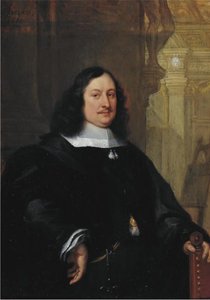
David Teniers Genç
1610 - 1690 , Belçika
Kısa Bilgiler
- Date Of Birth: 1610
- Date Of Death: 1690
- Place Of Birth: Anvers, Belçika
- Place Of Death: Brüksel, Belçika
- Birth Date: 1610
- Birth Place: Anvers, Belçika
- Death Date: 1690
- Influenced By: Adriaen Brouwer, Adam Elsheimer, Peter Paul Rubens
- Movement: Barok
- Name: David Teniers Genç
- Nationality: Flaman
- Notable Works:
- İki Sarhoş
- Köy Sahnesi
- Mutfak Sahnesi
- Flaman Kermess
İlgili Yazılar
David Teniers II: Master of Flemish Genre & Social Commentary
Explore the captivating world of David Teniers II, a leading Flemish Baroque painter renowned for his lively genre scenes & insightful social commentary. Discover his masterpieces and legacy with OriginalUniqueArt.
Scenes of Daily Life: A Comprehensive Exploration of Genre Painting Through History
Explore the rich history of genre painting! Discover Dutch Masters & European artists who captured everyday life with stunning realism. Learn about symbolism, techniques & lasting influence.
Gerard David: Bridging Late Medieval Tradition with Early Renaissance Humanism
Explore the captivating world of Gerard David, a pivotal figure bridging late medieval artistry with the Early Renaissance. Discover his innovative techniques, religious masterpieces, and enduring legacy – a must-read for discerning art collectors.
David Teniers the Younger: Genre Painting & Social Commentary in Baroque Flanders
Explore the captivating world of David Teniers the Younger, a leading Flemish Baroque painter. Discover his genre scenes, social commentary, and lasting influence on 17th-century art. Learn about his life, techniques & legacy.

Sir David Wilkie: Narrative Detail & the Rise of Victorian Genre Painting
Explore the life & work of Sir David Wilkie, a pivotal figure in Victorian genre painting. Discover his narrative detail, social commentary, and lasting influence on 19th-century British art. Learn more at OriginalUniqueArt.