

 Önizle
 Gönder
 Paylaş
 Detaylar
 Rehber

 Dosyayı İndir
 Benzerleri
 X-Işını
 Slayt Gösterisi
 İstatistikler
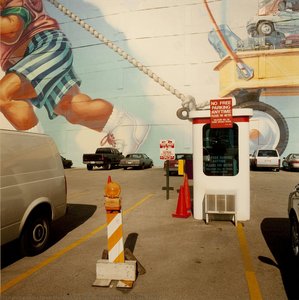
Deep in the Woods
 1980
1980 38.0 x 48.0 cm
 Devamını Oku
El Yapımı Yağlı Boya Reproduksiyon
Sanatçılarımız tarafından sipariş üzerine hazırlanan; istediğiniz boyut ve çerçevede, tuval üzerine el boyaması yağlı boya. ( Baskı Satışına Geç Dijital Görsel Satışına Geç)




































Eserin orijinal oranlarıyla uyumlu, önceden belirlenmiş boyutlarımız arasından seçim yapın.

Belirli bir çerçeveye veya alana uyması için kendi boyutlarınızı girebilirsiniz. Seçtiğiniz boyut orijinal görüntünün oranlarıyla eşleşmiyorsa, sanat eserini kırparak veya ek el boyaması öğelerle resmi uzatarak ayarlayacağız. Üretim başlamadan önce onayınız için dijital bir taslak gönderilecektir.
Lütfen ekrandaki önizlemenin gerçek kırpmayı veya uzatmayı yansıtmadığını unutmayın. Nihai kompozisyonu yalnızca hazırlanan taslak doğru şekilde gösterecektir.
Özel boyutlar mevcut olsa da, orijinal oranları korumak adına önceden tanımlanmış listeden bir boyut seçmenizi öneririz.
Siparişten sonra, OriginalUniqueArt.com ekibi talimatlar için müşteriye e-posta gönderecek ve bir taslak önizleme sunacaktır
Dünya Çapında Teslimat (); standart 5 hafta yerine 3/4 haftada. (26 Eylül). Kaliteden ödün verilmez.

Dünya Çapında Ücretsiz Ekspres Kargo

Yüksek Kaliteli Keten Tuval

Tam Nakliye Sigortası

Gümrük Vergisi İadesi Garantisi

Gerçek Renk Uyumu Garantisi

100 Günlük İade Koşulları (Sadece Üretim Hatalı Ürünler İçin)

%100 Para İade Garantisi

Toplu Alım Avantajı
 Cam seçeneği yalnızca 110 cm altındaki boyutlar için mevcuttur.

Deep in the Woods
Baskı Tekniği
Baskı Boyutu
-


Toplam Fiyat
$ 300
Sanatçı Biyografisi
The Soul of the American Landscape: The Artistry of David Marshall Graham
To encounter the work of David Marshall Graham is to step into a realm where the rugged reality of the American landscape meets the ethereal whispers of the subconscious. Born in 1947, Graham has spent a lifetime translating the quiet majesty of Maine’s coastline and its verdant, rural interiors into a visual language that is both deeply grounded and hauntingly dreamlike. His journey began in Feasterville, Pennsylvania, within a household where the creative spirit was a constant companion. Raised by a father who was a sculptor, Graham developed an early, profound sensitivity to form, texture, and the way light interacts with the physical world—elements that would later become the cornerstone of his celebrated oil paintings.
His formal education at the Pratt Institute in Brooklyn provided the technical crucible necessary to refine his burgeoning talent. It was here that he mastered the intricate art of color layering, a technique that allows his canvases to possess an inner luminosity, as if the light were emanating from within the paint itself rather than merely reflecting off its surface. This mastery of medium allowed him to move beyond simple representation, enabling him to capture the atmospheric weight of a misty morning on the Atlantic or the sun-drenched stillness of a woodland clearing with unparalleled precision.
A Synthesis of Realism and Surrealism
The true brilliance of Graham’s oeuvre lies in his ability to blend meticulous realism with subtle, often unsettling, surrealist undertones. While his subjects—the windswept pines, the jagged Maine rocks, and the solitary figures of Americana—are instantly recognizable, there is an emotional depth that transcends mere topography. He does not simply paint a landscape; he paints the feeling of a landscape. His compositions often utilize symbolic elements such as birds in flight or isolated trees to evoke themes of resilience, solitude, and the profound connection between humanity and the natural world.
This stylistic duality draws inevitable comparisons to masters of American art. One can sense the quiet, psychological tension of Edward Hopper in his depictions of solitude, paired with the sweeping, dramatic grandeur found in the works of Albert Bierstadt. By weaving these influences together, Graham creates a unique aesthetic that captures the "Americana" spirit—a nostalgic yet piercingly modern reflection on the beauty and the loneliness of the American wilderness.
Evolution and Lasting Legacy
As his career progressed through the 1970s and 80s, Graham’s work underwent a fascinating metamorphosis. While his early successes were rooted in the breathtaking landscapes of the Northeast, he began to experiment with more psychological and introspective imagery. This period of development saw him moving toward a style that incorporated dreamlike elements, where the boundaries between the physical world and the internal psyche became increasingly blurred. His paintings from this era serve as poignant narratives, inviting the viewer to contemplate their own place within the vast, often mysterious, cycles of nature.
Today, the significance of David Marshall Graham’s contribution to American landscape painting remains profound. His ability to capture the "soul" of a region—specifically the rugged, enduring spirit of Maine—has earned him a lasting place in the hearts of collectors and art enthusiasts alike. Through his evocative use of color, light, and symbolism, he continues to remind us that the landscapes we inhabit are not merely scenery, but mirrors reflecting our deepest human experiences.
Kısa Bilgiler
- Artistic Movement Or Style: Photorealism
- Artists Or Movements Influenced By This Artist: ['Photorealism']
- Artists Who Influenced This Artist:
- Edward Hopper
- Richard Estes
- Date Of Birth: 1947
- Full Name: David Marshall Graham
- Nationality: American
- Notable Artworks: ['Robin, Feasterville']
- Place Of Birth: Feasterville, Pennsylvania, USA