

 Önizle
 Gönder
 Paylaş
 Detaylar
 Rehber

 Dosyayı İndir
 Benzerleri
 X-Işını
 Slayt Gösterisi
 İstatistikler
Ju Jitsu
 Oil On Board
- Cubism
 1913
1913- Late Medieval
 62.0 x 62.0 cm
 Tate Liverpool
 Devamını Oku
Bu sayfada sergilenen eser telif hakkı yasasıyla korunmaktadır; bu da yasal olarak eserin birebir kopyasını oluşturamayacağımız veya satamayacağımız anlamına gelir. Bu koruma, aşağıdakiler gibi uluslararası anlaşmalar kapsamında uygulanmaktadır: Bern Sözleşmesi ve aşağıdakiler de dahil olmak üzere ulusal yasalarca belirlenen ABD Telif Hakkı Kanunu - 17. Başlık.
Bu yöntem, koruma altındaki sanat eserinin kopyalanmasını veya çoğaltılmasını içermediği için telif hakkı düzenlemelerine tam uyum sağlar. Bunun yerine, yaratıcı bir yeniden yorumlamadır; orijinalinden etkilenen ancak onunla aynı olmayan yeni bir tablodur.
Giclée / Sanat Baskısı
Hızlı üretim ve esnek bitiş seçenekleriyle müze kalitesinde giclée veya kanvas baskı. ( El Yapımı Tablo Satın Al Dijital Görsel Satışına Geç)




P118B ₺10

P118H ₺10

P118W ₺10

P438Z ₺10

P508JH ₺12

P508YH ₺12

P805H ₺10

P805Z ₺10

P919BZ ₺10

P919G ₺10

P919XJ ₺10

P959ZH ₺10

P968JZ ₺12

W106C ₺8

W218G ₺10

W218JH ₺8

W218Y ₺10

W307PJ ₺10

W316G ₺10

W316PJ ₺8

W316Y ₺10

W398PJ ₺8

W4111J ₺10

W500HY ₺15

W500JH ₺15

W692G ₺12

W849H ₺8

W940BG ₺15

W953PJ ₺8




Eserin orijinal oranlarıyla uyumlu, önceden belirlenmiş boyutlarımız arasından seçim yapın.

Çerçevenize veya duvarınıza uygun olması için ihtiyacınız olan genişlik ve yüksekliği yazın. Bir baskı yalnızca kesilebilir, görselden daha büyük hale getirilemez; bu nedenle farklı bir formdaki boyut seçimi, görselin bir kısmının kaybına neden olur. Herhangi bir baskı yapmadan önce onaylamanız için size bir dijital taslak gönderiyoruz. Bu sayfada gösterilen resim gerçek kesimi göstermez — bunu yalnızca taslak gösterir.
Dünya Çapında Teslimat (); standart 4/5 hafta yerine 2 haftada. (25 Ekim)

Dünya Çapında Ücretsiz Ekspres Kargo

Yüksek Kaliteli Keten Tuval

Tam Nakliye Sigortası

Gümrük Vergisi İadesi Garantisi

Gerçek Renk Uyumu Garantisi

100 Günlük İade Koşulları (Sadece Üretim Hatalı Ürünler İçin)

%100 Para İade Garantisi

Toplu Alım Avantajı
 Cam seçeneği yalnızca 110 cm altındaki boyutlar için mevcuttur.

Ju Jitsu
Giclée / Sanat Baskısı
Baskı Boyutu
-


Toplam Fiyat
₺ 3913
David Bomberg’s ‘Ju Jitsu’: A Fragmented Dance of Energy
David Bomberg's 1913 painting, “Ju Jitsu,” is not merely a depiction of a martial art; it’s a dynamic exploration of form, movement, and the very essence of human interaction. Captured on a relatively small board – measuring just 62 x 62 cm – the work explodes with an arresting energy that belies its modest scale. Bomberg, a key figure within the ‘Whitechapel Boys,’ a group of East End artists pushing against established artistic conventions, presents us with a collage-like composition featuring four figures engaged in what appears to be a grappling match. However, this isn’t a straightforward representation; instead, Bomberg employs a fractured, almost Cubist approach, layering torso and arm fragments against each other, creating an illusion of simultaneous action and spatial ambiguity.
The muted color palette – dominated by ochres, browns, and greys – contributes significantly to the painting’s subdued yet powerful atmosphere. This deliberate restraint allows the geometric forms and the implied movement to take center stage. The checkered backdrop, a subtle but effective element, adds depth and reinforces the sense of fragmented space, mirroring the disjointed nature of the figures themselves. Bomberg's use of line is particularly striking; bold, angular strokes define the contours of the bodies, conveying both strength and vulnerability. The painting’s roots lie in the burgeoning avant-garde movements of the early 20th century – Cubism, Futurism, and Constructivism – all of which sought to break down traditional representation and explore new ways of perceiving and depicting reality.
Influences and Artistic Context
Bomberg’s artistic journey was shaped by a diverse range of influences. His early training at the City and Guilds Technical Art School provided a foundational understanding of technique, while his time under Walter Sickert at Westminster School of Art instilled in him an appreciation for form and urban life – elements that would later inform his own distinctive style. Crucially, Bomberg’s exposure to Paul Cézanne through the 1910 Roger Fry exhibition “Manet and the Post-Impressionists” proved transformative, introducing him to Cézanne's emphasis on geometric simplification and the exploration of underlying structure. This influence is evident in Bomberg’s own use of fragmented forms and his focus on capturing essential shapes rather than detailed representations.
Furthermore, Bomberg was deeply engaged with the radical artistic currents circulating at the Slade School of Art during this period. Alongside contemporaries like Mark Gertler and Stanley Spencer, he experimented with abstract geometric compositions, drawing inspiration from the Futurists’ celebration of dynamism and movement. The painting “Ju Jitsu” stands as a testament to this experimental spirit, embodying Bomberg's willingness to challenge conventional artistic norms and explore new visual languages.
Decoding the Symbolism
While ostensibly depicting a scene of physical combat, "Ju Jitsu" transcends a simple representation of martial arts. The fragmented figures can be interpreted as symbols of human interaction – the struggle for dominance, the interplay of power and vulnerability, and the inherent tension between individuals. The act of grappling itself represents a negotiation, a yielding and resisting, mirroring the broader themes of conflict and resolution that permeate human experience. Considering Bomberg’s background as a Jewish immigrant in London's East End, one might also read the painting as an exploration of identity and resilience within a rapidly changing urban landscape.
The painting’s abstraction further enhances its symbolic resonance. By stripping away extraneous details and focusing on essential forms, Bomberg invites viewers to engage with the underlying dynamics of the scene – to contemplate the forces at play and to project their own interpretations onto the composition. The lack of a clear narrative or resolution encourages active participation from the viewer, transforming the painting into a dynamic meditation on human interaction.
A Legacy of Innovation
“Ju Jitsu” is more than just a striking visual work; it’s a pivotal example of David Bomberg's artistic evolution. It represents a crucial stage in his development as an abstract painter, bridging the gap between his early training and his later explorations of landscape and portraiture. The painting’s bold geometric forms, dynamic composition, and muted color palette established Bomberg as a leading figure within the British avant-garde, paving the way for future generations of artists to push the boundaries of artistic expression. Reproductions of this captivating work offer a unique opportunity to experience the energy and innovation of one of Britain's most important 20th-century painters.
Soru ve Cevaplar
"Ju Jitsu" eserinin Square formatı sergilemek için nerede önerilir?
Square formundaki "Ju Jitsu" reprodüksiyonunun bir Living Room için uygun olduğu önerilmektedir.
David Bomberg imzalı "Ju Jitsu" hangi duyguyu uyandırıyor?
"Ju Jitsu" eserinde, Dramatic bir ruh hali Mysterious bir duyguya eşlik ediyor.
David Bomberg imzalı "Ju Jitsu" eserinin kompozisyonuna hangi renk yön veriyor?
David Bomberg imzalı "Ju Jitsu" eserinin baskın rengi Phthalo Green (#262f40)'dır.
Sanatçı Biyografisi
İlk Yıllar ve Sanatsal Eğitim
- Doğum: Birmingham, Birleşik Krallık (5 Aralık 1890)
- Ölüm: Londra, Birleşik Krallık (19 Ağustos 1957)
- 20. yüzyılın başlarında ortaya çıkan East End sanatçılar grubundan olan 'Whitechapel Boys'un bir üyesi.
Polonyalı-Yahudi göçmen ebeveynleri Abraham ve Rebecca Bomberg'in oğlu olarak dünyaya gelen sanatçı, Birmingham'da litograflık eğitimi almadan önce ilk olarak City and Guilds Teknik Sanat Okulu'nda eğitim gördü.
Westminster Sanat Okulu'nda (1908-1910) Walter Sickert'ın öğrencisi olan Bomberg, Sickert'ın form ve şehir yaşamına odaklanan yaklaşımından derinden etkilendi. 1910 yılında Roger Fry tarafından düzenlenen "Manet ve Post-Empresyonistler" sergisi aracılığıyla Paul Cézanne ile önemli bir tanışıklık yaşadı. 1911 yılında Slade Sanat Okulu'na katıldı ve sınıf arkadaşı Isaac Rosenberg'in çizimiyle Tonks Ödülü'nü kazandı.
Avangart Yıllar: Kübizm, Fütürizm ve Tartışmalar
- Slade'de Bomberg; Mark Gertler, Stanley Spencer, C.R.W. Nevinson ve Dora Carrington gibi olağanüstü bir neslin parçasıydı.
- 1912 Londra İtalyan Fütürist sergilerinden ve Fry'ın ikinci Post-Empresyonist sergisinden (Picasso, Matisse, Fauvistler, Wyndham Lewis) etkilendi.
- Kübizm ve Fütürizmi birleştiren; geometrik kompozisyonlar, sınırlı renk paletleri, köşeli figürler ve ızgara benzeri yapılarla karakterize edilen özgün bir üslup geliştirdi.
- Bu radikal yaklaşımı, kurumun geleneksel yöntemleri için fazla cüretkar bulunması nedeniyle 1913 yılında Slade Sanat Okulu'ndan atılmasına yol açtı.
- Kısa bir süre Bloomsbury Grubu'nun Omega Workshops atölyesiyle ilişkilendirildi ve Camden Town Group ile birlikte sergiler açtı. Wyndham Lewis'in Vortisizm akımıyla yakınlık gösterse de, tam bir bağlılığı reddederek bağımsız kalmayı tercih etti.
Savaştan Manzaraya: Üslupta Bir Dönüşüm
Birinci Dünya Savaşı sırasında sıradan bir asker olarak yaşadığı deneyimler, sanatsطsal vizyonunu derinden etkileyerek soyutlamadan uzaklaşmasına neden oldu.
1920'li yıllarda Bomberg, doğrudan doğadan esinlenen portrelere ve manzaralara odaklandığı daha figüratif bir üslup benimsedi. Dokulu impasto tekniği ve duygusal yoğunlukla belirginleşen, giderek artan ekspresyonist bir teknik geliştirdi.
Orta Doğu (özellikle Filistin) ve Avrupa boyunca gerçekleştirdiği kapsamlı seyahatler, sonraki çalışmalarını önemli ölçüde etkiledi. Kudüs tasvirleri özellikle dikkat çekicidir.
Son Yıllar ve Miras
- 1945'ten 1953'e kadar Borough Polytechnic'te (şimdiki London South Bank University) ders vererek; Frank Auerbach, Leon Kossoff, Philip Holmes, Cliff Holden, Edna Mann, Dorothy Mead, Gustav Metzger, Dennis Creffield, Cecil Bailey ve Miles Richmond gibi bir sanatçı neslini etkiledi.
- Manzara ressamı Lilian Holt ile evlendi.
- Yaşamı boyunca nispeten unutulmuş dönemler geçirse de, Bomberg'in eserleri son on yıllarda İngiliz modern sanatına yapılmış önemli bir katkı olarak giderek daha fazla tanınmaya başlandı.
- London South Bank University bünyesindeki David Bomberg Evi, onun onuruna adlandırılmıştır.
- Onun mirası, Avrupa avangart hareketlerinin eşsiz sentezinde ve mekanın ile insan deneyiminin özünü yakalayan güçlü, dışavurumcu manzara üslubunu geliştirmesinde yatmaktadır.

David Bomberg
1890 - 1957 , Birleşik Krallık
Kısa Bilgiler
- Bu Sanatçıdan Etkilenen Sanatçılar Veya Akımlar:
- Frank Auerbach
- Leon Kossoff
- Bu Sanatçıyı Etkileyen Sanatçılar:
- Paul Cézanne
- Walter Sickert
- Wyndham Lewis
- Doğum Tarihi: 5 Aralık 1890
- Doğum Yeri: Birmingham, Birleşik Krallık
- Sanatsal Akım Veya Üslup:
- Kübizm
- Fütürizm
- Ekspresyonizm
- Tam Adı: David Garshen Bomberg
- Uyruğu: İngiliz
- Ölüm Tarihi: 19 Ağustos 1957
- Önemli Eserleri:
- Otoportre (1937)
- Kitty, Sanatçının Kız Kardeşi (1929)
- Bir Resim İçin Çalışma
- Kudüs
İlgili Yazılar
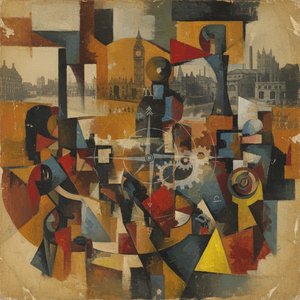
David Bomberg: Reassessing the Pioneering Spirit of Early British Abstraction
Explore the groundbreaking work of David Bomberg, a pivotal figure in British abstraction. Discover his artistic evolution, influences, and lasting legacy through insightful analysis & expert commentary.
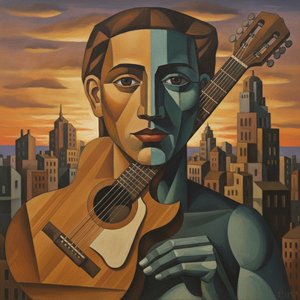
Cubism Unveiled: How Picasso and Braque Redefined Reality Through Geometric Abstraction
Explore the revolutionary world of Cubism. Discover how masters Pablo Picasso and Georges Braque dismantled reality through geometric abstraction to redefine modern art history.

Deconstructing Reality: Cubism's Evolution, Impact & Enduring Legacy
Explore the revolutionary world of Cubism with expert insights from OriginalUniqueArt. Discover Picasso & Braque's groundbreaking techniques, its philosophical roots, and lasting impact on modern art. Expert appraisal & custom reproductions available.
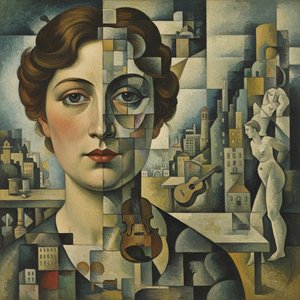
Deconstructing Reality: Cubism's Revolutionary Impact on 20th-Century Art
Explore the revolutionary world of Cubism with OriginalUniqueArt. Discover Picasso & Braque's groundbreaking techniques, its philosophical roots, and lasting impact on modern art. Expert insights for collectors.
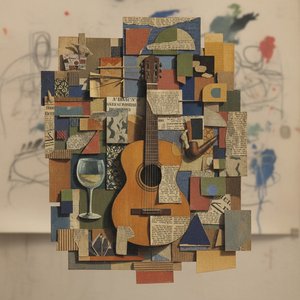
Deconstructing Reality: A Comprehensive Exploration of Synthetic Cubism's Evolution & Impact
Explore the revolutionary world of Synthetic Cubism! Discover its origins, key artists like Picasso & Braque, techniques, and lasting impact on modern art. A comprehensive guide for enthusiasts.

