Önizleme yap
 Paylaş
 Paylaş
 Detayları Gör

 İndir
İndir
 Benzerlerini gör
 X-Işını
 Slayt Gösterisi
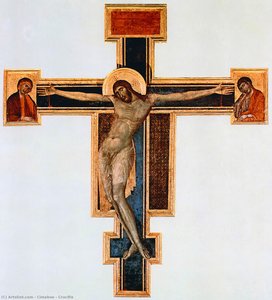
St John (detail)
 Early Renaissance
 1280
1280- Late Medieval
 450.0 x 900.0 cm
 Tümünü Gör
El Yapımı Yağlı Boya Reproduksiyon
Sanatçılarımız tarafından sipariş üzerine hazırlanan; istediğiniz boyut ve çerçevede, tuval üzerine el boyaması yağlı boya. ( Baskı satın al Görsel satın al)




P118B $10

P118H $10

P118W $10

P438Z $10

P508JH $12

P508YH $12

P805H $10

P805Z $10

P919BZ $10

P919G $10

P919XJ $10

P959ZH $10

P968JZ $12

W106C $8

W218G $10

W218JH $8

W218Y $10

W307PJ $10

W316G $10

W316PJ $8

W316Y $10

W398PJ $8

W4111J $10

W500HY $15

W500JH $15

W692G $12

W849H $8

W940BG $15

W953PJ $8




Eserin orijinal oranlarıyla uyumlu, önceden belirlenmiş boyutlarımız arasından seçim yapın.

Belirli bir çerçeveye veya alana uyması için kendi boyutlarınızı girebilirsiniz. Seçtiğiniz boyut orijinal görüntünün oranlarıyla eşleşmiyorsa, sanat eserini kırparak veya ek el boyaması öğelerle resmi uzatarak ayarlayacağız. Üretim başlamadan önce onayınız için dijital bir taslak gönderilecektir.
Lütfen ekrandaki önizlemenin gerçek kırpmayı veya uzatmayı yansıtmadığını unutmayın. Nihai kompozisyonu yalnızca hazırlanan taslak doğru şekilde gösterecektir.
Özel boyutlar mevcut olsa da, orijinal oranları korumak adına önceden tanımlanmış listeden bir boyut seçmenizi öneririz.
Siparişten sonra, OriginalUniqueArt.com ekibi talimatlar için müşteriye e-posta gönderecek ve bir taslak önizleme sunacaktır
Dünya Çapında Teslimat (); standart 5 hafta yerine 3/4 haftada. (14 Ağustos). Kaliteden ödün verilmez.

Dünya Çapında Ücretsiz Ekspres Kargo

Yüksek Kaliteli Keten Tuval

Tam Kapsamlı Nakliye Sigortası

Gümrük Vergisi İade Garantisi

Gerçek Renk Uyumu Garantisi

60 Günlük İade Politikası (Sadece Kusurlu Ürünler İçin)

%100 Para İade Garantisi

Toplu Alım İndirimi
 Cam seçeneği yalnızca 110 cm altındaki boyutlar için mevcuttur.

St John (detail)
Reproduksiyon Tekniği
Reproduksiyon Boyutu
-


Toplam Tutar
$ 300
Eser Açıklaması
A Glimpse into Contemplation: Cimabue’s “St John” (Detail)
Cimabue's "St John" (detail), painted around 1280, offers more than just a portrait; it presents a profound meditation on faith, solitude, and the nascent shift in artistic sensibilities that would ultimately birth the Renaissance. This intimate close-up, measuring an impressive 450 x 900 cm, invites us to linger over the figure of St John, seated thoughtfully within a richly detailed yet subtly restrained Byzantine space. The painting’s power lies not in dramatic action or vibrant color – though these elements are present – but rather in its quiet intensity and the palpable sense of introspection radiating from the subject's posture.
The image captures a pivotal moment, likely depicting St John the Evangelist in his later years, perhaps reflecting on his experiences and the revelations he received. Cimabue’s approach is distinctly Byzantine, evident in the monumental scale, the hierarchical arrangement of figures (though subtly compressed here), and the use of gold leaf to highlight key elements like the archway above the saint. However, even within this established framework, Cimabue demonstrates a remarkable willingness to experiment. The figure's pose – head bowed, absorbed in contemplation – is remarkably humanistic, a departure from the more rigidly formal depictions common in earlier Byzantine art. This subtle shift towards naturalism, coupled with the careful modeling of form and the nuanced rendering of drapery, foreshadows the artistic breakthroughs that would soon define the Italian Renaissance.
The Painter’s Hand: Technique and Materials
Cimabue's mastery is immediately apparent in his meticulous technique. He employed tempera on panel, a medium favored for its luminosity and durability – qualities crucial for preserving the delicate details of this work. The layering of paint, achieved through numerous thin glazes, creates an astonishing sense of depth and texture, particularly noticeable in the folds of the saint’s robe and the subtle variations in light across his face. Observe how he renders the fabric; it isn't simply painted flat, but sculpted with delicate brushstrokes that suggest weight and movement. The use of gold leaf is not merely decorative; it serves to draw the eye to key areas – the archway, symbolizing divine grace – and imbues the scene with a sense of sacredness.
The background, though partially obscured, reveals a carefully constructed architectural setting typical of Byzantine art. The arched doorway, reminiscent of Roman architecture but executed with a distinctly Byzantine sensibility, provides a visual anchor for the composition. Notice the use of perspective – subtly employed to create an illusion of depth and space, a technique that Cimabue was pioneering. This careful attention to detail demonstrates his growing understanding of spatial relationships, laying the groundwork for future artists to explore these concepts more fully.
Symbolism and Spiritual Resonance
Beyond its technical brilliance, “St John” is rich in symbolic meaning. The act of reading – or perhaps studying a map or scroll – suggests contemplation and learning, qualities associated with St John’s role as the author of the Gospel of Revelation. The archway above represents the gateway to divine knowledge and understanding. The figure's solitary posture speaks to the spiritual journey, highlighting the importance of inner reflection and connection with the divine. It is a scene that invites viewers to contemplate their own faith and seek solace in quiet contemplation – a theme deeply resonant within the religious context of 13th-century Florence.
A Window into a Changing World
Cimabue’s “St John” (detail) stands as a crucial document in the transition from Byzantine to Renaissance art. While firmly rooted in the traditions of his predecessors, Cimabue's subtle innovations – particularly his embrace of naturalism and his exploration of spatial relationships – represent a vital step towards the artistic revolution that would transform Western art. This reproduction offers an unparalleled opportunity to experience this pivotal work firsthand, bringing its quiet beauty and profound symbolism into your home or studio. Its scale allows for impactful display, while the meticulous detail faithfully captures Cimabue’s artistry, making it a stunning addition to any collection or a thoughtful gift for discerning art lovers.
Sanatçı Özgeçmişi
Giovanni Cimabue: Pioneer of Italian Painting
Giovanni Cimabue, born Cenni di Pepo around 1240 in Florence, stands as a monumental figure—a bridge between the established artistic traditions of the Byzantine world and the burgeoning innovations that would define the Italian Renaissance. His life, though partially obscured by time and romanticized accounts – most notably those penned by Giorgio Vasari centuries later – marks an undeniable turning point in Western art history. Cimabue wasn’t simply a painter; he was a courageous innovator who dared to subtly challenge artistic conventions, laying the groundwork for the revolutionary changes that would soon sweep across Italy. Even his nickname, believed to mean “bull-headed,” hints at a strong will and perhaps a rebellious spirit—qualities demonstrably present in his willingness to experiment with form and expression. He represents a crucial moment where art began to shift from being solely devotional imagery towards something more humanistic and emotionally resonant.Early Influences and Artistic Development
Initially immersed in the Italo-Byzantine style prevalent throughout Florence, Cimabue’s early work adhered closely to established aesthetic principles: flattened figures adorned with shimmering gold leaf, symbolic rather than realistic depictions of space, and a profound focus on religious iconography. However, even within these constraints, a nascent desire for naturalism began to emerge. He wasn't content merely replicating existing forms; he sought to imbue his paintings with a greater sense of life and emotional depth. While the precise nature of his early training remains debated, it’s likely he honed his skills within Florentine workshops, absorbing the techniques and influences of the time while simultaneously developing his own unique artistic voice. The Byzantine style, characterized by its formality and spiritual focus, provided him with a solid foundation, but Cimabue began to subtly introduce elements that would foreshadow the coming Renaissance—a greater attention to volume, more expressive facial features, and a nascent understanding of spatial relationships. This wasn’t a sudden break from tradition, but rather a gradual evolution, a delicate balancing act between honoring the past and embracing new possibilities.Masterpieces and Artistic Innovations
Cimabue's legacy is cemented through a series of breathtaking works that showcase his evolving style. The *Maestà* (Louvre), originally created for the Church of San Francesco in Pisa, stands as one of his most celebrated masterpieces. This monumental altarpiece exemplifies his mastery of composition and use of color, while simultaneously hinting at the shift away from rigid Byzantine conventions. The figures, though still possessing a degree of formality, exhibit a newfound sense of volume and presence. The *Crucifixion* (San Domenico, Arezzo), dating around 1270, is particularly significant as an early demonstration of his departure from strict Byzantine norms. Here, the proportions are more realistic, and the emotional weight of the scene is palpable—a stark contrast to the often-distant depictions found in earlier religious art. Further evidence of Cimabue’s innovative spirit can be seen in works like the *Flagellation of Christ* (Frick Collection), generally attributed to his workshop. This complex composition reveals an evolving understanding of perspective and spatial relationships, showcasing a growing interest in creating more immersive and believable scenes. His contributions weren't limited to panel paintings; Cimabue also excelled as a mosaicist, contributing significantly to the decoration of the Baptistery of Florence—though these mosaics have unfortunately suffered from deterioration over time.A Pivotal Teacher: Giotto and Beyond
Perhaps Cimabue’s most enduring legacy lies in his role as the teacher of Giotto di Bondone. While historical accounts vary regarding the exact nature of their relationship, it is widely accepted that Giotto received crucial training under Cimabue's guidance. However, Giotto would ultimately surpass his master, revolutionizing Italian painting with an even more radical embrace of naturalism and emotional realism. It’s a testament to Cimabue’s skill as a teacher that he fostered such talent, even knowing it might eclipse his own achievements. The story, often recounted by Vasari, of Giotto playfully painting a fly on Cimabue's face speaks volumes about the dynamic between master and pupil—a playful rivalry that ultimately pushed both artists to greater heights. Cimabue’s influence extended beyond Giotto, impacting numerous other artists of the period. He challenged the artistic norms of his time, demonstrating that art could be more than just religious symbolism; it could also reflect human emotion and experience. His willingness to experiment with form, proportion, and expression paved the way for the innovations of the Renaissance, establishing him as a crucial transitional figure in the history of Western art.Enduring Significance
Cimabue passed away in 1302 in Pisa, leaving behind a body of work that continues to captivate and inspire. Despite his significant contributions, details surrounding his later life remain scarce. However, his artistic legacy resonates powerfully through the works of his students and the evolution of Italian art. He represents a crucial step in the development of Western painting, moving away from the stylized conventions of the Byzantine era towards a more humanistic and naturalistic approach. His paintings are not merely historical artifacts; they are windows into a pivotal moment in artistic history—a time when artists began to question established norms and explore new possibilities. He was a pioneer, a visionary who dared to challenge the status quo and lay the foundations for the artistic brilliance that would define the Renaissance. Cimabue’s work reminds us that even within tradition, there is always room for innovation, and that true artistry lies in the courage to push boundaries and explore new horizons.
Cimavye
1240 - 1302 , İtalya
Kısa Bilgiler
- Artistic Movement Or Style: Byzantine ve Rönesans
- Artists Or Movements Influenced By This Artist: ['Giotto']
- Artists Who Influenced This Artist:
- Giunta Pisano
- Coppo di Marcovaldo
- Date Of Birth: c. 1240
- Date Of Death: 1302
- Full Name: Giovanni Cimabue
- Nationality: İtalyan
- Notable Artworks:
- Maestà
- Çarmıh
- İsa’nın Çırpınışı
- Place Of Birth: Florence, Italy
İlgili Makaleler

John Singer Sargent'ın En İyi 25 Eseri: Sanat, Stil ve Ev Dekorasyonu İlhamı
John Singer Sargent'ın en iyi 25 eserini keşfedin! Amerikan empresyonizminin ustası Sargent’ın portrelerindeki zarafeti, tekniği ve renkleri inceleyin. Ev dekorasyonunuz için lüks sanat baskıları OriginalUniqueArt.com'da. Koleksiyonu şimdi keşfedin!

John Constable'ın En İyi 25 Eseri: İngiliz Manzaralarının Büyüsü OriginalUniqueArt'ta
John Constable'ın en iyi 25 eserini keşfedin! İngiliz manzara sanatının büyülü dünyasına dalın, romantizm akımını ve kırsal yaşamı yansıtan tablolarla evinizi zenginleştirin. Sanat reproduksiyonları OriginalUniqueArt'ta.

El Greco'nun En İyi 25 Eseri: Sanat Tarihinin İkonik Yorumları ve Ev Dekorasyonu İçin İlham Veren Seçkiler
El Greco'nun en iyi 25 eserini keşfedin! İspanyol Rönesansı'nın mistik dehasının dini tabloları, dramatik renkleri ve maniyerizm tarzıyla evinizi sanatla doldurun. OriginalUniqueArt.com'da yüksek kaliteli baskılarla El Greco koleksiyonuna göz atın.
Giotto di Bondone'nin En İyi 25 Eseri: Rönesansın Doğuşuna Bir Bakış | OriginalUniqueArt
Giotto di Bondone'nin en iyi 25 eserini keşfedin! Rönesans sanatının öncüsü Giotto’nun hayatı, freskleri ve ikonik tablolarıyla dolu bir yolculuk. Ev dekorasyonunuz için yüksek kaliteli sanat baskıları OriginalUniqueArt'ta. Şimdi koleksiyonu keşfedin!
Illuminating Eternity: A Comprehensive Exploration of Byzantine Art's Legacy
Explore the rich history & stunning artistry of the Byzantine Empire! Discover iconic mosaics, profound symbolism, and lasting influence on Western art. A comprehensive guide for history lovers.