Menü
ÜCRETSİZ SANAT DANIŞMANLIĞI
PreviewPreview AR previewAR preview Switch to Print Switch to PrintSwitch to Image Switch to Image PaylaşPaylaş
Detayları GörDetayları Gör Favorilere ekle Favorilere ekle İndirİndir Benzerlerini görBenzerlerini gör X-IşınıX-Işını Slayt GösterisiSlayt Gösterisi

Return to the Fold

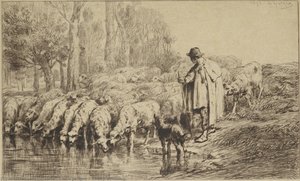
A tranquil scene of a shepherd tending his flock unfolds in this Barbizon school oil painting by Charles-Émile Jacque, inviting you to bring the peaceful essence of the French countryside into your home.

Charles-Émile Jacque (1813-1894): Barbizon School painter of idyllic rural scenes, sheep & livestock. Masterful engravings & a key figure in Realism.

El Yapımı Yağlı Boya Reproduksiyon

Sanatçılarımız tarafından sipariş üzerine hazırlanan; istediğiniz boyut ve çerçevede, tuval üzerine el boyaması yağlı boya. (Switch to Print Switch to PrintSwitch to Image Switch to Image)

P118B $10
P118H $10
P118W $10
P438Z $10
P508JH $12
P508YH $12
P805H $10
P805Z $10
P919BZ $10
P919G $10
P919XJ $10
P959ZH $10
P968JZ $12
W106C $8
W218G $10
W218JH $8
W218Y $10
W307PJ $10
W316G $10
W316PJ $8
W316Y $10
W398PJ $8
W4111J $10
W500HY $15
W500JH $15
W692G $12
W849H $8
W940BG $15
W953PJ $8

Standard
custom
CM
INCH

Eserin orijinal oranlarıyla uyumlu, önceden belirlenmiş boyutlarımız arasından seçim yapın.

genişlik
yükseklik

Belirli bir çerçeveye veya alana uyması için kendi boyutlarınızı girebilirsiniz. Seçtiğiniz boyut orijinal görüntünün oranlarıyla eşleşmiyorsa, sanat eserini kırparak veya ek el boyaması öğelerle resmi uzatarak ayarlayacağız. Üretim başlamadan önce onayınız için dijital bir taslak gönderilecektir.
Lütfen ekrandaki önizlemenin gerçek kırpmayı veya uzatmayı yansıtmadığını unutmayın. Nihai kompozisyonu yalnızca hazırlanan taslak doğru şekilde gösterecektir.
Özel boyutlar mevcut olsa da, orijinal oranları korumak adına önceden tanımlanmış listeden bir boyut seçmenizi öneririz.

Değiştirilebilecek örneklere dair: Yüzün müşteri fotoğrafıyla değiştirilmesi; Evcil hayvan eklenmesi (örneğin kedinin köpek ile değiştirilmesi); Arka plana gizli bir mesaj dahil edilmesi; Arka plan manzarasının veya öğelerinin değiştirilmesi.
Siparişten sonra, OriginalUniqueArt.com ekibi talimatlar için müşteriye e-posta gönderecek ve bir taslak önizleme sunacaktır

Dünya Çapında Teslimat (); standart 5 hafta yerine 3/4 haftada. (28 Temmuz). Kaliteden ödün verilmez.

why_choose_icon
Dünya Çapında Ücretsiz Ekspres Kargo
why_choose_icon
Yüksek Kaliteli Keten Tuval
why_choose_icon
Tam Kapsamlı Nakliye Sigortası
why_choose_icon
Gümrük Vergisi İade Garantisi
why_choose_icon
Gerçek Renk Uyumu Garantisi
why_choose_icon
60 Günlük İade Politikası (Sadece Kusurlu Ürünler İçin)
why_choose_icon
%100 Para İade Garantisi
why_choose_icon
Toplu Alım İndirimi

Toplam Fiyat

$ 300

reproduction

Return to the Fold

Reproduksiyon Tekniği

Reproduksiyon Boyutu

-

Toplam Tutar

$ 300

Hızlı Bilgiler

  • Notable elements or techniques: Plein air painting
  • Subject or theme: Shepherd tending sheep near a barn
  • Title: Return to the Fold
  • Dimensions: 81 x 64 cm
  • Medium: Oil on canvas

Eser Açıklaması

A Pastoral Symphony in Oil

In the quietude of the French countryside, where the boundaries between man and nature blur into a singular, peaceful existence, Charles-Émile Jacque captures a moment of profound serenity. Return to the Fold is not merely a depiction of agricultural labor; it is an evocative window into the soul of the Barbizon school. The painting presents a tender scene of a shepherd tending to his flock as they congregate near the threshold of a rustic barn. Through masterful brushwork, Jacque invites the viewer to step away from the frantic pace of modern life and enter a realm where the only clock is the setting sun and the only rhythm is the gentle movement of grazing sheep.

The composition is anchored by the rhythmic presence of at least thirteen sheep, their soft forms scattered across the foreground and middle ground. Some huddle close to the shepherd, seeking the warmth of his guidance, while others linger in the distance, lost in the verdant landscape. This arrangement creates a deep sense of spatial continuity, drawing the eye from the textured details of the woolly fleece to the weathered wood of the barn. The artist’s background in map engraving is subtly evident here; there is an unmistakable precision in how he maps out the topography of the scene, ensuring that every element—from the heavy shadows of the doorway to the light catching the backs of the animals—contributes to a balanced and harmonious whole.

The Legacy of Barbizon and Plein Air Mastery

To understand the emotional weight of this piece, one must look to the historical movement that birthed it. During the mid-19th century, as the industrial revolution began to shroud cities in soot, artists like Jacque sought refuge in the Forest of Fontainebleau. This dedication to plein air painting—working directly in the open air—allowed for a revolutionary capture of light and atmosphere. In Return to the Fold, we see the fruits of this movement: a palpable sense of humidity, the shifting weight of shadows, and the fleeting nuances of a landscape caught in transition.

Jacque’s technique avoids the rigid formality of academic art, opting instead for a more organic, tactile approach. The oil on canvas medium allows for a rich layering of tones that mimics the earthy palette of the French countryside. For the collector or interior designer, this artwork offers more than just visual beauty; it provides an atmospheric anchor. Whether placed in a sun-drenched library or a sophisticated contemporary living space, the painting’s warm, golden undertones and its connection to the natural world evoke a sense of timelessness and stability.

An Invitation to Tranquility

Beyond its technical brilliance, the painting serves as a symbolic meditation on stewardship and belonging. The title itself suggests a homecoming, a return to a simpler, more fundamental way of life. There is a deep-seated emotional resonance in the shepherd’s quiet vigil, a reminder of the symbiotic relationship between humanity and the earth. This sense of peace makes the piece an ideal selection for those looking to curate an environment of calm and contemplation.

For those seeking a high-quality reproduction, this work stands as a testament to the enduring power of the pastoral genre. It is a piece that does not demand attention through loud colors or jarring subjects, but rather earns it through a quiet, persistent grace. Owning such a work is an opportunity to bring a fragment of the French landscape into one's personal sanctuary, fostering a permanent connection to the tranquil beauty of the natural world.


Sanatçı Özgeçmişi

A Life Rooted in the French Countryside

Charles-Émile Jacque, born in Paris in 1813, wasn’t destined for a conventional artistic path. His early life took an unexpected turn with seven years of service in the French army. Yet, even within the regimented structure of military life, his innate talent found expression – not through painting initially, but through the meticulous skill of map engraving. This foundational training, demanding precision and observation, would prove surprisingly pivotal to his later artistic endeavors, instilling a dedication to detail that became a hallmark of his work. It was an unlikely beginning for a painter who would become synonymous with the idyllic beauty of rural France, yet it speaks volumes about Jacque’s adaptability and inherent artistry. Upon leaving the army, he briefly pursued illustration and caricature, contributing to Parisian journals before finding his true calling in the realm of etching and painting.

Embracing Barbizon and a Pastoral Vision

The mid-19th century saw Jacque drawn towards Barbizon, a small village that would become the epicenter of a revolutionary artistic movement. Fleeing cholera epidemics plaguing Paris, he joined Jean-François Millet and other like-minded artists in seeking inspiration directly from nature. This marked a decisive shift away from academic conventions and toward a more honest, realistic portrayal of life. Jacque wholeheartedly embraced this new approach, dedicating himself to capturing the essence of rural existence – the quiet dignity of shepherds tending their flocks, the gentle rhythm of farm labor, the simple beauty of livestock in sun-dappled fields. His paintings weren’t merely depictions of scenes; they were imbued with a deep sense of tranquility and harmony, reflecting a profound appreciation for the natural world. He wasn't simply *painting* sheep or barns; he was conveying a feeling, an atmosphere—a reverence for the pastoral life that resonated deeply with audiences.

Master of Mediums: Painting and Printmaking

Jacque’s artistic prowess extended beyond painting. He became renowned as a master etcher and engraver, reviving 17th-century techniques and pushing the boundaries of printmaking. His etchings were lauded for their boldness and well-conceived subject matter, earning him praise from critics like Charles Baudelaire. Henri Béraldi distinguished two distinct periods in Jacque’s graphic work: an early phase inspired by Dutch vignettes, characterized by spontaneity, and a later period marked by larger, more detailed plates demonstrating meticulous craftsmanship. This dual mastery – of both brush and burin – allowed him to reach a wider audience and solidify his reputation as a significant figure in the art world. He didn’t see painting and printmaking as separate disciplines but rather as complementary avenues for expressing his artistic vision. His illustrations for literary classics, including editions of Goldsmith's *The Vicar of Wakefield* and Wordsworth’s *Picturesque Greece*, further showcased his versatility and skill.

Legacy and Lasting Influence

Charles-Émile Jacque died in 1894, leaving behind a rich artistic legacy that continues to captivate viewers today. He played a vital role in shaping the development of Realism in French art, paving the way for future generations of artists who sought to depict life with honesty and sensitivity. His dedication to portraying rural life elevated genre painting – scenes from everyday existence – to a position of prominence within the artistic landscape.
  • A Pioneer of Etching Revival: Jacque’s revival of 17th-century etching techniques significantly impacted printmaking.
  • Influence on Millet: His early work and etchings profoundly influenced his friend and fellow Barbizon School artist, Jean-François Millet.
  • Champion of Rural Life: He immortalized the beauty and dignity of rural life in France, creating a lasting visual record of a disappearing way of existence.
Jacque’s paintings and engravings offer more than just picturesque scenes; they provide a window into a bygone era, inviting us to contemplate the enduring connection between humanity and nature. His work remains a testament to the power of art to capture not only what we see but also how we feel.
Charles-Émile Jacque

Charles-Émile Jacque

1813 - 1894 , France

Kısa Bilgiler

  • Artistic Movement Or Style: Barbizon School
  • Artists Or Movements Influenced By This Artist: ['Realism']
  • Artists Who Influenced This Artist: ['Adriaen van Ostade']
  • Date Of Birth: 1813
  • Date Of Death: 1894
  • Full Name: Charles-Émile Jacque
  • Nationality: French
  • Notable Artworks:
    • Little Blue Boy
    • The Sheepfold
    • Shepherdess
  • Place Of Birth: Paris, France
Temalara, stillere ve özelliklere göre düzenlenmiş sanat eserlerini keşfedin.