Romantic Industrialization · 1823
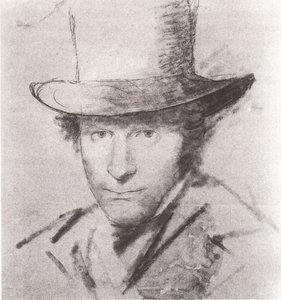
Self-Portrait (Carl Blechen, 1823)
Self-Portrait, Carl Blechen (1798–1840) tarafından yapıldı. 1823 yılına aittir. Romantic Industrialization akımına aittir. Acrylic ile yapılmıştır. Berlin, Almanyadaki Nationalgalerie bünyesinde korunmaktadır. Boyutları 26 × 20 cm'dir.
- 1823
- Acrylic
- 26 × 20 cm
- Nationalgalerie, Berlin

 Gerçek Boyutta Önizle

 El Yapımı Yağlı Boya Tablo
 Paylaş
 Paylaş
 Bilgi formu


 İndir
 Benzer ürünler
 X-Işını
 Slayt Gösterisi
 Soru & Cevap

 İstatistikler
Self-Portrait hakkında kısa bilgi
- Başlık
- Self-Portrait
- Sanatçı
- Carl Blechen (1798–1840)
- Sanatçının doğum yeri
- Cottbus, Almanya
- Tarih
- 1823
- Teknik
- Acrylic
- Boyutlar
- 26 × 20 cm
- Nerede görülebilir
- Nationalgalerie, Berlin, Almanya
- Konu
- self-portrait, landscape painting, romanticism, german art, baroque style, artist’s vision
Self-Portrait neyi betimliyor?
A Visionary Encounter with Industry’s Dawn
- Subject Matter: This striking self-portrait by Carl Blechen captures a contemplative gaze directed downwards, presenting an image of intellectual introspection amidst the burgeoning industrial landscape. The artist's posture exudes seriousness and thoughtfulness—a deliberate contrast to the prevailing Romantic preoccupation with sublime landscapes.
- Style: Blechen’s work exemplifies the Romantic Industrialization movement, marking a pivotal shift away from traditional artistic conventions. While rooted in Romantic ideals of emotion and imagination, he simultaneously confronts the realities of industrial progress with unflinching honesty. The portrait eschews idealized beauty for a psychologically nuanced depiction.
- Technique: Executed in black and white lithograph printing, Blechen skillfully employs tonal gradation to convey depth and texture. Lithography, a relatively new technique at the time, allowed for precise reproductions of detail—a testament to Blechen’s artistic vision and his willingness to experiment with innovative methods.
- Historical Context: Created in 1823, this portrait emerged during a period of intense social and intellectual ferment. The Industrial Revolution was reshaping Europe, prompting artists like Blechen to grapple with questions of modernity, alienation, and the human condition. It reflects a broader artistic dialogue concerning how nature and humanity coexist within an evolving world.
- Symbolism: Beyond its formal representation, the self-portrait carries symbolic weight. The downward gaze suggests introspection and contemplation—a desire to reconcile Romantic idealism with the tangible pressures of industrial society. Furthermore, the suit symbolizes professionalism and social responsibility, mirroring Blechen’s own aspirations as he navigated his artistic career.
Lithograph Printing: A Revolutionary Medium
The choice of lithograph printing was particularly significant for Blechen's time. Unlike oil paints or watercolor—the dominant mediums of the Romantic era—lithography offered unparalleled precision and tonal control. Developed in France during the preceding decade, it allowed artists to achieve photographic realism without resorting to camera obscura techniques. This method ensured that Blechen’s portrait would retain its intricate detail and expressive atmosphere for generations to come.Romantic Industrialization: Bridging Imagination and Reality
Blechen's artistic trajectory represents a fascinating intersection between Romantic idealism and the burgeoning realities of industrialization. While acknowledging the sublime beauty of nature—a hallmark of Romantic art—he simultaneously recognized its vulnerability to encroachment by technological advancements. This duality is powerfully conveyed in his self-portrait, prompting viewers to consider the complexities inherent in reconciling aesthetic ideals with societal transformations.Emotional Resonance: A Portrait of Quiet Contemplation
Ultimately, Blechen’s self-portrait transcends mere visual representation; it communicates a profound emotional resonance. The artist's gaze—directed downwards—suggests a preoccupation with internal reflection and a yearning for understanding amidst the turbulent currents of his era. It invites contemplation on themes of identity, purpose, and the enduring human spirit—a timeless message that continues to captivate audiences today.Self-Portrait adlı eseri hangi müze bünyesinde barındırmaktadır?
Nationalgalerie
Berlin, Almanya
Berlin Nationalgalerie'nin Tarihçesi Berlin Devlet Müzeleri'nin vazgeçilmez bir parçası olan Nationalgalerie, köklerini başlangıçta Wagenersche und Nationalgalerie olarak bilinen koleksiyondan alır. Bu temel, 19., 20. ve 21.


Self-Portrait için yüksek çözünürlüklü görseller

Kamu malı: sanatçı 1840 yılında vefat etmiştir.
Diğer boyutlar, kırpma seçenekleri ve alıntı bilgisi →Carl Blechen, Self-Portrait (1823), Nationalgalerie. Kamu malı.
Self-Portrait hakkında sorular ve cevaplar
Carl Blechen imzalı "Self-Portrait" eseri bugün nerede sergileniyor?
Orijinal Carl Blechen imzalı "Self-Portrait", Nationalgalerie, Berlin, Almanya bünyesinde bulunmaktadır. Bir reprodüksiyon, eserin evde sergilenmesine olanak tanır.
Carl Blechen imzalı "Self-Portrait" hangi tarihte yapılmıştır?
"Self-Portrait", 1823 yılına tarihlenmektedir. Bu tarih, eseri Carl Blechen kariyerinin ve dönemin içerisine yerleştirmektedir.
"Self-Portrait" hangi teknikle yapılmıştır?
Carl Blechen imzalı "Self-Portrait" eserinin tekniği Acrylic kullanılarak uygulanmıştır. Çoğaltımlar, bu tekniğin görünümünü yansıtmayı amaçlamaktadır.
Carl Blechen imzalı "Self-Portrait" eserinin gerçek boyutları nedir?
Orijinal Carl Blechen imzalı "Self-Portrait" eseri 26 x 20 cm boyutlarındadır.
"Self-Portrait" neyi betimliyor?
"Self-Portrait" eserinin konuları self-portrait, landscape painting, romanticism, german art, baroque style, artist’s vision, psychological depth şeklindedir.
Carl Blechen imzalı "Self-Portrait" eserinin görüntüsü serbestçe çoğaltılabilir mi?
Telif hakkı açısından, "Self-Portrait" eseri kamu malıdır - telif hakkı süresi dolmuştur statüsündedir.
"Self-Portrait" eserinin sanatçısı kim?
"Self-Portrait" eserinin sanatçısı Carl Blechen'tir. Eser, Carl Blechen adına kataloglanmıştır.
Carl Blechen imzalı "Self-Portrait" hangi sanat akımına dahil?
"Self-Portrait", Romantic Industrialization akımına ait bir eserdir. Bu akım, eserin dahil olduğu sanatsal geleneği ifade eder.
"Self-Portrait" adlı eser, Carl Blechen kariyerinin hangi dönemine ait?
Carl Blechen'in kariyerinde "Self-Portrait", Early Romanticism dönemine denk gelmektedir. Bu evre, eserin sanatçının diğer çalışmalarıyla kıyaslanmasına olanak tanır.
Sanatçı hakkında, Carl Blechen
1798–1840, Almanya
Carl Blechen
Romantik Dönemi Endüstrileşmesinin Öncüsü: Carl Blechen'in Yaşamı ve Sanatı 1798 yılında Almanya'nın Cottbus kentinde dünyaya gelen Carl Eduard Ferdinand Blechen, manzara resmi geleneği içinde eşsiz ve çoğu zaman göz ardı edilen bir konuma sahiptir. Hayatı, hem sanatsal bir deha hem de kişisel trajedilerle damgalanmış; bu ikilik, onun büyüleyici ve çığır açan eserlerini derinden şekillendiren temel unsur olmuştur. Ailesinin maddi imkansızlıkları nedeniyle başlangıçta bankacılık gibi pragmatik bir kariyere yönlendirilmiş olsa da, Blechen'in içindeki sanatsal tutku nihayet galip gelmiştir. 1822 yılında Berlin Güzel Sanatlar Akademisi'nde eğitim görmeye başlamasıyla birlikte, erken sanayi devriminin getirdiği estetik zorluklar ve sunduğu yeni olanaklarla mücadele eden ilk sanatçılardan biri olacağı bir yolculuğa adım atmıştır.
Carl Blechen Hakkında Carl Blechen tarafından yapılmış öne çıkan eserler
Carl Blechen tarafından yapılan diğer eserler
 Sanssouci Palace1830
 The Interior of the Palm House on the Pfaueninsel Near Potsdam1834
 Tarantella1830
 Afternoon on Capri1829
Self-Portrait üzerine denemeler
 The Echo of Self: Reflectivity as a Core Theme in Art History & Contemporary PracticeExplore the rich history of self-representation in art, from Renaissance masters to modern innovators. Discover how artists use portraiture…
 The Inner Landscape: Exploring Themes of Introspection in Visual Art Across Movements & ErasExplore the captivating world of introspective art! Discover how artists across eras – from Rembrandt to Kahlo – used self-portraiture to r…
 Romantic Realism's Finest: 10 Masterpieces for Your Home | OriginalUniqueArtExplore 10 defining masterpieces of Romantic Realism! Discover Courbet, Millet & Daumier's powerful paintings—capturing emotion and social …