

 Önizle
 Gönder
 Paylaş
 Detaylar
 Rehber

 Dosyayı İndir
 Benzerleri
 X-Işını
 Slayt Gösterisi
 İstatistikler
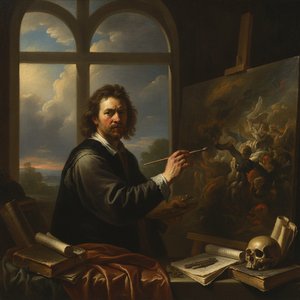
Self-Portrait
 Oil On Panel
- Baroque Painting
 1645
1645 65.0 x 49.0 cm
 Museum Boijmans Van Beuningen
 Devamını Oku
Giclée / Sanat Baskısı
Hızlı üretim ve esnek bitiş seçenekleriyle müze kalitesinde giclée veya kanvas baskı. ( El Yapımı Tablo Satın Al Dijital Görsel Satışına Geç)




P118B ₺10

P118H ₺10

P118W ₺10

P438Z ₺10

P508JH ₺12

P508YH ₺12

P805H ₺10

P805Z ₺10

P919BZ ₺10

P919G ₺10

P919XJ ₺10

P959ZH ₺10

P968JZ ₺12

W106C ₺8

W218G ₺10

W218JH ₺8

W218Y ₺10

W307PJ ₺10

W316G ₺10

W316PJ ₺8

W316Y ₺10

W398PJ ₺8

W4111J ₺10

W500HY ₺15

W500JH ₺15

W692G ₺12

W849H ₺8

W940BG ₺15

W953PJ ₺8




Eserin orijinal oranlarıyla uyumlu, önceden belirlenmiş boyutlarımız arasından seçim yapın.

Çerçevenize veya duvarınıza uygun olması için ihtiyacınız olan genişlik ve yüksekliği yazın. Bir baskı yalnızca kesilebilir, görselden daha büyük hale getirilemez; bu nedenle farklı bir formdaki boyut seçimi, görselin bir kısmının kaybına neden olur. Herhangi bir baskı yapmadan önce onaylamanız için size bir dijital taslak gönderiyoruz. Bu sayfada gösterilen resim gerçek kesimi göstermez — bunu yalnızca taslak gösterir.
Dünya Çapında Teslimat (); standart 4/5 hafta yerine 2 haftada. (22 Ekim)

Dünya Çapında Ücretsiz Ekspres Kargo

Yüksek Kaliteli Keten Tuval

Tam Nakliye Sigortası

Gümrük Vergisi İadesi Garantisi

Gerçek Renk Uyumu Garantisi

100 Günlük İade Koşulları (Sadece Üretim Hatalı Ürünler İçin)

%100 Para İade Garantisi

Toplu Alım Avantajı
 Cam seçeneği yalnızca 110 cm altındaki boyutlar için mevcuttur.

Self-Portrait
Giclée / Sanat Baskısı
Baskı Boyutu
-


Toplam Fiyat
₺ 3909
A Window Into the Soul: Carel Fabritius’s “Self-Portrait”
The year is 1645. Within the bustling studio of Rembrandt in Amsterdam, a young artist named Carel Fabritius was meticulously crafting a portrait unlike any seen before. This wasn't merely a likeness; it was an intimate unveiling – the "Self-Portrait," a remarkably candid and profoundly moving depiction of the artist himself. More than just paint on panel, this work offers a rare glimpse into the mind of a man grappling with his craft, his identity, and perhaps, the anxieties inherent in artistic creation. The painting, now housed within the Museum Boijmans Van Beuningen in Rotterdam, is a testament to Fabritius’s burgeoning talent and his willingness to experiment with light, shadow, and the very nature of self-representation.
Fabritius's early work was deeply influenced by Rembrandt, inheriting his masterful use of chiaroscuro – the dramatic interplay of light and dark. However, this self-portrait marks a decisive shift. While retaining Rembrandt’s foundational techniques, Fabritius develops a distinctly personal style, prioritizing color and an almost palpable sense of immediacy. The painting isn't about formal perfection; it’s about capturing a fleeting moment, a particular mood. The loose brushstrokes and slightly asymmetrical composition contribute to this feeling of raw authenticity, as if the artist is offering us not just a portrait, but a fragment of his inner world.
Deconstructing the Image: Technique and Detail
Examining the details reveals Fabritius’s meticulous approach. The painting is executed in oil on panel, a medium that allowed for rich color saturation and subtle gradations of tone – crucial to achieving the dramatic lighting effects characteristic of his style. Notice how he renders the texture of his clothing: the folds of the open-necked shirt, the rough weave of the fabric, all rendered with remarkable precision. The artist’s hands, resting casually on his lap, are particularly noteworthy; they possess a delicate sensitivity and an evident awareness of their own form. The long, curly hair, falling across his shoulders, adds to the sense of relaxed contemplation, while the slightly off-center gaze invites the viewer into a silent conversation.
The background is deliberately dark and indistinct, serving not as a mere backdrop but as a powerful tool for emphasizing the subject’s face. This technique draws our attention directly to Fabritius's features – his thoughtful expression, the subtle lines around his eyes hinting at both intelligence and weariness. The careful modeling of light and shadow creates a three-dimensional effect, giving depth and volume to the image, as if we are truly observing him in person.
A Reflection on Identity and Art
Beyond its technical brilliance, the "Self-Portrait" is imbued with a profound sense of introspection. Fabritius’s contemplative gaze suggests a moment of quiet reflection – perhaps a consideration of his own artistic journey, or simply a pause in the creative process. The painting speaks to the universal human desire for self-understanding and the challenges inherent in defining one's identity. It is a remarkably vulnerable work, offering an unprecedented level of intimacy with its creator.
The historical context further enriches our understanding of this compelling image. Fabritius’s brief but impactful career coincided with the flourishing of Dutch Golden Age painting – a period marked by artistic innovation and a celebration of realism. His association with Rembrandt, coupled with his membership in the Delft School, positioned him within a vibrant artistic community that valued both technical skill and emotional expression. The tragic circumstances surrounding his death—caught in the devastating explosion of the Delft gunpowder magazine—only amplify the poignant beauty of this self-portrait, transforming it into a powerful meditation on life, loss, and the enduring legacy of art.
Bringing Fabritius Home: Reproductions and Legacy
Today, reproductions of “Self-Portrait” are available through OriginalUniqueArt.com, offering art lovers the opportunity to own a piece of this remarkable artistic achievement. These meticulously crafted hand-painted reproductions capture not only the visual details of the original but also its emotional depth and atmospheric quality. Whether displayed in a private residence or a corporate space, this iconic image will undoubtedly serve as a source of inspiration and contemplation for years to come.
For those seeking to delve deeper into the life and work of Carel Fabritius, we encourage you to visit https://en.wikipedia.org/wiki/Carel_Fabritius for further information. And don’t miss the Google Arts & Culture page: https://artsandculture.google.com/asset/self-portrait/JwGBKHEZH4veSA?hl=en, where you can explore high-resolution images and learn more about this extraordinary artist.
Soru ve Cevaplar
Carel Fabritius imzalı "Self-Portrait" eserinin gerçek boyutları nedir?
"Self-Portrait" adlı eserin orijinal boyutları 65 x 49 cm ölçülerindedir. Orijinal boyutlar, bir reprodüksiyon boyutu seçerken yararlı bir referans niteliğindedir.
"Self-Portrait" adlı eser, Carel Fabritius'in gelişiminin hangi aşamasını temsil ediyor?
"Self-Portrait", Carel Fabritius sanatçısının Mature Period dönemini temsil etmektedir."
"Self-Portrait" nasıl bir eser?
"Self-Portrait", bir wall art eseridir.
Sanatçı Biyografisi
Aydınlatılmış Kısa Bir Yaşam: Gizemli Ressam Carel Fabritius’un Dünyası
Hollanda Altın Çağı'nın seçkinlerinin fısıltıyla andığı Carel Fabritius, kısa kariyerinin resim sanatının gelişimine olan derin etkisiyle birlikte gizemini koruyan bir figürdür. 1622 yılında Middenbeemster’da doğan ve trajik bir şekilde 1654 Delft barut patlamasında otuz iki yaşında hayatını kaybeden Fabritius, geride büyüleyici ve güçlü bir eser koleksiyonu bırakmıştır. Bu eserler, gerçekliğin basit temsilleri olmaktan öte, ışık, algı ve görsel deneyimin özünü araştıran derinlemesine incelemelerdir.
Fabritius’un sanatsal yolculuğu, ailesinin sıcak ortamında başlamıştır. Babası Pieter Carelsz Fabritius da bir ressamdı; aynı zamanda öğretmenlik yaparak oğluna erken yaşta sanat sevgisini aşılamıştır. Bu temel onu 1641 civarında Amsterdam'a götürmüş ve burada Rembrandt van Rijn’in atölyesine girmiştir. Çıraklığının tam süresi tartışmalı olsa da, ustanın etkisi yadsınamazdır. Ancak Fabritius basit bir taklitçi değildi. Hızla kendi yolunu çizmeye başlamış, Rembrandt'ın karakteristik tenebrisminden uzaklaşarak netliği, serin uyumları ve ışığın etkilerinin neredeyse bilimsel gözlemini önceliklendiren benzersiz bir stil geliştirmiştir.
Delft Okulu ve Özgün Bir Vizyon
Rembrandt ile geçirdiği zamanın ardından Fabritius Delft’e yerleşmiş ve 1652 yılında yerel ressamlar loncasının üyesi olmuştur. İşte burada, gelişen sanat topluluğu olan Delft Okulu içinde, olgun stili tam olarak çiçeklenmiştir. Çağdaşlarının çoğunun büyük tarihi anlatılara veya hareketli tür sahnelerine odaklandığı aksine, Fabritius samimi ev iç mekanlarına ve günlük nesnelerin dikkatlice incelenmiş çalışmalarına yönelmiştir. Resimleri olağanüstü bir dinginliğe, zamanın askıya alınmış olduğu bir dünyaya izleyiciyi çeken sessiz bir yoğunluğa sahiptir.
Fabritius’u farklı kılan şey, ışığı ustaca manipüle etme yeteneğidir. O sadece aydınlatmayı tasvir etmekle kalmamış, aynı zamanda *analiz etmiş*, ince derecelendirmelerini ve biçimi tanımlama ve atmosfer yaratma becerisini yakalamıştır. Optiğe olan bu tutkusu onu perspektifle denemeye yöneltmiştir; genellikle gerçekçilik hissini artıran ve izleyiciyi sahneye çeken alışılmadık bakış açıları kullanmıştır. Belki de en ünlü eseri olan The Goldfinch, bunu mükemmel bir şekilde örneklendirir. Görünüşte basit bir zincirli altın kanarya tasviri, aslında trompe-l'oeil tekniği ve mekansal illüzyonun bir şaheseridir. Kuş, resim düzleminden hemen ötesinde süzülüyormuş gibi görünürken, ışık ve gölge arasındaki etkileşim neredeyse elle tutulabilir bir derinlik hissi yaratır.
Önemli Eserler ve Kalıcı Miras
The Goldfinch’in yanı sıra Fabritius’un eseri, özgün vizyonunu sergileyen diğer etkileyici eserleri de içerir. 1652 tarihli A View of Delft, şehrin mimarisinin atmosferik bir şekilde tasvir edilmesiyle dikkat çeken büyüleyici bir şehir manzarasıdır. Resim sadece topografik bir kayıt değil; huzur ve şiirsel güzellikle dolu bir yerin çağrışımıdır. Kısa süre önce ölümünden önce çizilen The Sentry, belki de en gizemli eseridir—görev, izolasyon ve insan durumu temaları üzerine düşünmeye davet eden yalnız bir askerin ürkütücü portresi.
Fabritius’un trajik kısa kariyeri, sadece on iki kadar eseri hayatta kalmasına neden olmuştur. Ancak bu az sayıda eser, sonraki nesiller üzerinde büyük bir etkiye sahip olmuştur. Işık ve perspektifinin yenilikçi kullanımı, Johannes Vermeer'i derinden etkilemiş olduğu düşünülmektedir; o da benzer bir optik efektlere ve ev iç mekanlarına olan tutkuyu paylaşmıştır. Vermeer’in şaheserlerini karakterize eden serin tonlar, hassas tasvirler ve sessiz samimiyet, Fabritius’un öncü çalışmalarına kadar izlenebilir.
Zamanının Öncüsü Bir Ressam
Delft'teki patlama sadece Fabritius’un hayatını sonlandırmakla kalmamış, aynı zamanda potansiyel olarak devrim niteliğinde bir sanatsal yörüngeyi de kesintiye uğratmıştır. Resimleri, temsilin sınırlarını zorlayan, görme ve algı doğasını keşfeden bir sanatçının zihnine bir bakış sunar. Çağdaşları genellikle anlatıya veya sembolizme odaklanırken, Fabritius resmin temel unsurlarına—ışık, renk, biçim—odaklanarak hem görsel olarak çarpıcı hem de entelektüel açıdan uyarıcı eserler yaratmıştır.
Bugün Carel Fabritius, Hollanda Altın Çağı'nın önemli bir figürü olarak tanınmaktadır; kısa ama parlak kariyeri sanat tarihine silinmez bir iz bırakmıştır. Resimleri, gözlem gücünün, yeniliğin ve ışığın kalıcı güzelliğinin zamansız bir kanıtı olarak izleyicileri etkilemeye devam etmektedir.

Carel Fabritius
1622 - 1654 , Hollanda
Kısa Bilgiler
- Bu Sanatçıyı Etkileyenler: ['Rembrandt van Rijn']
- Doğum Tarihi: 27 Şubat 1622
- Doğum Yeri: Muiden, Hollanda
- Etkilediği Sanatçılar: ['Johannes Vermeer']
- Sanatsal Akım: Barok Sanatı
- Tam Adı: Carel Pietersz Fabritius
- Uyruğu: Hollandalı
- Ölüm Tarihi: 12 Ekim 1654
- Önemli Eserleri:
- Lazarus'un Dirilişi
- Delft Manzarası
- Kanarya Kuşu
İlgili Yazılar

Barok Sanatın Zirveleri: Evinizi Büyüleyecek 10 Eser ve Hikayeleri
Barok sanatın en etkileyici 10 başyapıtını keşfedin! Caravaggio, Rembrandt ve daha fazlasının eserleriyle evinizi dönüştürün. Sanat tarihi, renkler ve duygularla dolu bu yolculukta OriginalUniqueArt.com'da müze kalitesinde replikalar bulun. Koleksiyonu çevrimiçi inceleyin!

Rembrandt van Rijn: A Life Illuminated – Innovation, Emotion, and the Dutch Golden Age
Explore the life & art of Rembrandt van Rijn, a Dutch Golden Age master. Discover his innovative techniques, iconic paintings like 'The Night Watch', and enduring legacy. Expert insights for collectors & enthusiasts.

Rembrandt'ın En Ünlü 25 Eseri: Sanat Tarihine Işık Tutan Başyapıtlar
Rembrandt'ın en ünlü 25 eserini keşfedin! Hollanda Altın Çağı'nın bu Barok dehasının ışık ve gölge oyunlarıyla dolu portreleri, tarihi resimleri sizi büyüleyecek. Sanat baskıları ve ev dekorasyonu için OriginalUniqueArt.com'da Rembrandt koleksiyonunu inceleyin.
Dutch Baroque Unlocked: Mastering Chiaroscuro, Epic Drama, and the High-Impact Legacy of Rembrandt
Explore the dramatic power of Dutch Baroque art. Master the secrets of Rembrandt’s chiaroscuro, discover the epic scale of the Golden Age, and learn how to bring high-impact, hand-painted historical masterpieces into your modern collection with expert precision.

Dutch Baroque Masters: 10 Paintings That Shaped an Era | OriginalUniqueArt
Journey through the Golden Age with our guide to the Top 10 Dutch Baroque masterpieces! Explore iconic paintings by Rembrandt, Vermeer & Frans Hals. Find museum-quality art reproductions and elevate your home decor at OriginalUniqueArt.com.