
 Gerçek Boyutta Önizle
 Paylaş
 Paylaş
 Detayları Gör
 Rehber

 İndir
İndir
 Benzer ürünler
 X-Işını
 Slayt Gösterisi
 Q&A
Q&A İstatistikler
Putto Picking Grapes

- 49.0 x 64.0 cm


 Tümünü Gör
Giclée / Sanat Baskısı
Hızlı üretim ve esnek bitiş seçenekleriyle müze kalitesinde giclée veya kanvas baskı. ( El Yapımı Tablo Satın Al Dijital Görsele Geç)




P118B ₺10

P118H ₺10

P118W ₺10

P438Z ₺10

P508JH ₺12

P508YH ₺12

P805H ₺10

P805Z ₺10

P919BZ ₺10

P919G ₺10

P919XJ ₺10

P959ZH ₺10

P968JZ ₺12

W106C ₺8

W218G ₺10

W218JH ₺8

W218Y ₺10

W307PJ ₺10

W316G ₺10

W316PJ ₺8

W316Y ₺10

W398PJ ₺8

W4111J ₺10

W500HY ₺15

W500JH ₺15

W692G ₺12

W849H ₺8

W940BG ₺15

W953PJ ₺8




Eserin orijinal oranlarıyla uyumlu, önceden belirlenmiş boyutlarımız arasından seçim yapın.

Çerçevenize veya duvarınıza uygun olması için ihtiyacınız olan genişlik ve yüksekliği yazın. Bir baskı yalnızca kesilebilir, görselden daha büyük hale getirilemez; bu nedenle farklı bir formdaki boyut seçimi, görselin bir kısmının kaybına neden olur. Herhangi bir baskı yapmadan önce onaylamanız için size bir dijital taslak gönderiyoruz. Bu sayfada gösterilen resim gerçek kesimi göstermez — bunu yalnızca taslak gösterir.
Dünya Çapında Teslimat (); standart 4/5 hafta yerine 2 haftada. (2 Kasım)

Dünya Çapında Ücretsiz Ekspres Kargo

Yüksek Kaliteli Keten Kanvas

Tam Nakliye Sigortası

Gümrük Vergisi İadesi Garantisi

Gerçek Renk Uyumu Garantisi

100 Günlük İade Politikası (Sadece Kusurlu Ürünler İçin)

%100 Para İade Garantisi

Toplu Alım İndirimi
 Cam seçeneği yalnızca 110 cm altındaki boyutlar için mevcuttur.

Putto Picking Grapes
Giclée / Sanat Baskısı
Reproduksiyon Boyutu
-


Toplam Tutar
₺ 3933
Bernardino Luini’s “Putto Picking Grapes”: A Symphony of Grace and Renaissance Reverie
Bernardino Luini's "Putto Picking Grapes," painted around 1523, isn’t merely a depiction of a young boy gathering fruit; it’s a profound meditation on childhood innocence, the bounty of nature, and the enduring legacy of Leonardo da Vinci. This exquisite panel painting, now housed within the Pinacoteca di Brera in Milan, offers a glimpse into the heart of the High Renaissance, revealing Luini's unique artistic vision and his deep connection to the master who profoundly shaped his style.
Luini’s distinctive “Luinesque” aesthetic—characterized by elongated figures, gentle expressions, and an almost dreamlike quality—is immediately apparent. The central figure, a young boy with a serene countenance, is bathed in soft light that seems to emanate from within the painting itself. His posture is relaxed yet attentive, his gaze fixed on the grapes he delicately gathers from a vine. The artist masterfully employs sfumato – Leonardo’s signature technique of blurring lines and softening edges – creating an atmosphere of hazy beauty and imbuing the scene with a sense of ethereal tranquility. Notice how the details are rendered with remarkable precision, yet never feel overly realistic; Luini prioritizes capturing the *essence* of the moment over photographic accuracy.
A Dialogue with Leonardo: Influences and Techniques
Luini’s artistic journey is inextricably linked to that of Leonardo da Vinci. While the precise nature of their collaboration remains debated, it's widely accepted that Luini spent several formative years working directly under the master in Milan. This apprenticeship instilled within him a deep appreciation for Leonardo’s innovative techniques and his profound understanding of human anatomy and perspective. “Putto Picking Grapes” is a testament to this influence; observe how Luini subtly echoes Leonardo’s use of light and shadow, creating a sense of depth and volume that draws the viewer into the scene. The composition itself—a carefully balanced arrangement of figures and elements—demonstrates a clear debt to Leonardo's meticulous approach to design.
Furthermore, Luini’s work reflects the broader artistic trends of the era. The painting embodies the Renaissance ideal of *natura mortua* – the beauty of decay and the cyclical nature of life. The grapes themselves represent abundance, fertility, and the passage of time. The setting, a rustic vineyard bathed in golden light, evokes a sense of pastoral harmony—a refuge from the complexities and anxieties of urban life.
Symbolism and Emotional Resonance
Beyond its technical brilliance, “Putto Picking Grapes” is rich in symbolic meaning. The young boy embodies innocence, purity, and the promise of future growth. His simple act of gathering grapes becomes a metaphor for the acquisition of knowledge and wisdom—a fundamental theme of Renaissance humanism. The vine itself symbolizes life, connection, and the interconnectedness of all things. The overall mood is one of quiet contemplation and gentle joy, inviting the viewer to pause and appreciate the beauty of the natural world.
Interestingly, Luini’s work often features a subtle undercurrent of melancholy—a recognition that even in moments of idyllic beauty, time inevitably marches on. This poignant awareness adds another layer of depth to the painting's emotional resonance. It’s not simply a celebration of youth and abundance; it’s also a meditation on mortality and the fleeting nature of earthly pleasures.
A Timeless Masterpiece: Reproduction and Display
Reproductions of “Putto Picking Grapes” capture only a fraction of the painting's original allure. The delicate sfumato, the subtle nuances of color, and the profound sense of atmosphere are difficult to replicate fully. However, high-quality reproductions offer an accessible way to experience Luini’s genius and bring this timeless masterpiece into your home or office.
When selecting a reproduction, consider the materials used—a fine art print on archival paper will ensure that the colors remain vibrant for generations to come. Furthermore, think about the framing – a simple, elegant frame will allow the painting’s beauty to shine through without distracting from its inherent charm. “Putto Picking Grapes” is more than just a decorative image; it's a window into the soul of the Renaissance—a testament to the enduring power of art to inspire and uplift.
Soru ve Cevaplar
Bernardino Luini imzalı "Putto Picking Grapes" eserinin renkleri canlı mı yoksa mat mı?
Bernardino Luini imzalı "Putto Picking Grapes", Clear Color Presence doygunluk ve Vivid yoğunlukla kaydedilmiştir.
"Putto Picking Grapes" hangi yıl ve hangi akım içerisinde yapıldı?
"Putto Picking Grapes", 1523 yılında, Northern Renaissance akımı içerisinde yapılmıştır."
Bernardino Luini imzalı "Putto Picking Grapes" eserini odamda görmek için artırılmış gerçekliği kullanabilir miyim?
Uyumlu bir cihazda artırılmış gerçekliği kullanarak, Bernardino Luini imzalı "Putto Picking Grapes" adlı eseri Artırılmış Gerçeklik Önizleme sayfası aracılığıyla kendi duvarınızda önizleyebilirsiniz.
Sanatçı Özgeçmişi
Lombardiya’nın Işığı: Bernardino Luini’nin Yaşamı ve Sanatı
Bernardino Luini, İtalyan Rönesansı resminin kayıtlarında yumuşak bir yankı uyandıran bir isim. Yaklaşık 1480 yılında Maggiore Gölü çevresindeki pitoresk bölgede doğdu. Runo adlı küçük bir *frazione* yakınlarındaki Dumenza’da geçen erken yaşamı bazı gizemlerle örtülü olsa da, kaderin onu Kuzey İtalya'nın canlı sanatsal merkezi olan Milano'ya yönelttiği açıktır. 1500 yılına gelindiğinde babasıyla birlikte taşınmış ve şehrin filizlenen yaratıcı enerjisini özümsemeye hazırlanmıştı. Hesaplara göre ilk eğitimi Giovan Stefano Scotto’ya, diğerleri ise Ambrogio Bergognone’ye atfedilse de, ufukta şüphesiz daha derin bir etki vardı: Leonardo da Vinci. İlişkilerinin doğası kesin olarak bilinmemekle birlikte, Luini'nin ustasının doğrudan yanında çalıştığı ve bu şekillendirici deneyimin sanatsal gelişimini derinden etkileyeceği yaygın olarak kabul edilmektedir. Bu çıraklık sadece teknik bir öğrenimden ibaret değildi; ince gözlem dünyasına, yenilikçi kompozisyona ve Luini'nin kendi benzersiz tarzına ustaca entegre edeceği *sfumato* olarak bilinen belirsiz kaliteye bir daldırmaydı.Leonardo’nun Kucaklaması ve Bir Tarzın Doğuşu
Luini’nin sanatsal gelişimi basit bir taklit değildi; kendi Lombard hassasiyetiyle filtrelenmiş Leonardo'nun tekniklerinin duyarlı bir özümsenişiydi. Da Vinci’nin entelektüel titizliğini veya anatomik doğruluğunu yeniden üretmeye çalışmadı, aksine tarzının daha yumuşak ve lirik yönlerini benimsedi. Bu durum özellikle kadın tasvirlerinde belirgindir; Vladimir Nabokov'un dikkatli gözüyle “Luinesk” olarak tanımlanan uzun uzatılmış gözlü zarif figürler. Bu büyüleyici bakışlar nazik bir melankoliye sahiptir, içe dönüklük uyandırır ve tefekkür davet eder. 1505 civarında Luino’daki San Pietro'da bulunan *Magi Tapınması* gibi erken eserleri bile bu ortaya çıkan stili gösteriyor; ışığın ve gölgenin zarif bir şekilde işlenmesi ve kompozisyonda artan ustalık sergiliyor. Freskleri,Freskler, Saraylar ve Yaratıcılığın Gelişimi
16. yüzyılın ilk iki on yılı Luini için yoğun yaratıcı bir dönemine tanık oldu. Dini konularla sınırlı kalmadı; yetenekleri laik görevler için de aranıyordu. 1509 ile 1514 yılları arasında Sesto San Giovanni’daki Villa Pelucca için yarattığı freskler, çok yönlülüğünün bir kanıtıdır ve bu aristokrat konutun duvarlarını süsleyen rafine bir zarafetle mitolojik sahneleri tasvir etmektedir. Şimdi Milano'nun Pinacoteca di Brera Müzesi’nde bulunan bu eserler, klasik anlatıların dinamizmini ve insan formunun samimi güzelliğini yakalamada eşit derecede yetenekli bir ressamı ortaya koyuyor. Bernardino Zenale’nin *Cantù Çok Panelli Tablosu*nun etkisi de *Aziz Anthony of Padua* (1510'lar) gibi eserlerde görülebilir ve Luini'nin çeşitli etkileri tutarlı bir sanatsal vizyona sentezleme yeteneğini gösteriyor.Mirası ve Kalıcı Çekiciliği
Bernardino Luini, Haziran 1532’de Milano’da hayatını kaybetti ve mirası kendi ömrünün ötesine geçti. Oğlu Aurelio ailesinin sanatsal geleneğini sürdürerek onun izinden gitti. Ancak, zarif figürleri, narin *sfumato* tekniği ve eşsiz bir şekilde büyüleyici “Luinesk” kadınlarıyla anılan Bernardino’dur. Eseri sonraki nesil sanatçılara ilham verdi, Lombard resminin gelişimini etkiledi ve daha geniş İtalyan Rönesansı akımlarına katkıda bulundu. Bugün Luini'nin şaheserleri İtalya genelindeki müzelerde ve kiliselerde bulunabilir; Pinacoteca di Brera Müzesi eserlerinin özellikle zengin bir deposudur. Resimleri, güzellikleriyle, zarafetleriyle ve kalıcı duygusal güçleriyle izleyicileri büyülemeye devam ediyor ve geçmişin sanatsal duyarlılıklarına bir bakış sunuyor. Örneğin, Aziz John the Baptist’in Başıyla Salome dramatik yoğunluğu ve ustaca uygulamasıyla seyircileri cezbetmeye devam ederken, Kutsal Aile Aziz Anne ve Aziz John the Baptist ile sakin ve uyumlu kompozisyonlarını örnekliyor.
Bernardino Luini
1480 - 1532 , İtalya
Kısa Bilgiler
- Bu Sanatçıdan Etkilenen Sanatçılar: ['Luinesque tarzı ressamlar']
- Bu Sanatçıyı Etkileyen Sanatçılar: ['Leonardo da Vinci']
- Doğum Tarihi: Yaklaşık 1480
- Doğum Yeri: Reno, İtalya
- Sanatsal Akım Veya Stil: Rönesans, Maniyerizm
- Tam Adı: Bernardino Luini
- Uyruğu: İtalyan
- Ölüm Tarihi: 1532
- Önemli Eserler:
- Magi'nin Tapınması
- St. Anthony of Padua
- Villa Pelucca Freskleri
Benzer Yazılar

The Enduring Legacy of Fresco: Technique, History & Artistic Expression
Explore the rich history & enduring artistry of fresco painting. Discover techniques from Giotto to Michelangelo, conservation efforts, & modern applications. Learn how OriginalUniqueArt brings this timeless art form to your home.

The Enduring Legacy of Fresco: Technique, History & Artistic Expression Across Cultures
Explore the rich history & enduring legacy of fresco painting! Discover ancient techniques, Giotto's masterpieces, and modern applications. Expert insights for art lovers & professionals.

Leonardo da Vinci'nin En İyi 25 Eseri: Sanat Tarihine Yolculuk
Leonardo da Vinci'nin en iyi 25 eserini keşfedin! Rönesans sanatının zirvesinden Mona Lisa, Son Akşam Yemeği ve daha fazlası… Sanat tarihine yolculuk yapın, teknikleri öğrenin. OriginalUniqueArt.com’da yüksek kaliteli reproduksiyonlarla evinizi zenginleştirin.

Duvar Sanatıyla Aile Mirasını Yüzyıllara Taşımak: Fresk Boyama Geleneği ve Kalıcı Eserler
Fresk sanatı uzmanları tarafından hazırlanan bu rehberde, duvar resminin kökenlerinden restorasyonuna kadar her şeyi keşfedin. Aile mirasını kalıcı eserlere dönüştürmek için ipuçları ve profesyonel sanat danışmanlığı.
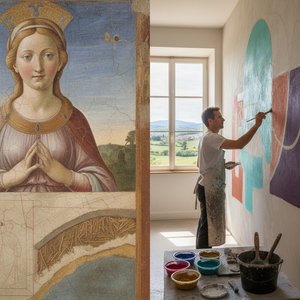
The Enduring Legacy of Fresco Painting: Techniques, History & Contemporary Relevance
Explore the rich history & enduring artistry of fresco painting – from Giotto to Michelangelo! Discover techniques, conservation efforts, & modern applications. Learn how OriginalUniqueArt brings this timeless art form to your home.